Off-Topic

Off-Topic is a holding category for posts that don’t fit the main focus of this site.

Some of these articles still get occasional traffic or answer useful side questions, but they aren’t part of my core content around concrete, plaster/stucco, and masonry. Over time, I may update, reorganize, or move posts out of this category as the site becomes more focused.

If you’re here by accident, the best place to start is the Concrete or Render/Stucco categories.

Blue paint can with roller and tray on dark surface

Pull-Off Adhesion Testing for Coatings and Overlays: Setup, Dollies, and Pass/Fail Thinking

Introduction Pull-off adhesion testing is a simple method to check how well a coating or overlay sticks to a concrete surface. This article walks you through the basic setup, dollies, and how to think about pass/fail decisions in practical terms. Keep in mind this is a hands-on check you perform before large jobs, not a […]

Pull-Off Adhesion Testing for Coatings and Overlays: Setup, Dollies, and Pass/Fail Thinking Read More »

Close-up of spiked roller on smooth epoxy floor

Nano-Silica in Small Batches: Benefits, Dispersion Tricks, and When It’s Not Worth It

Introduction Nano-silica in small batches means using tiny silica particles in an epoxy mix to boost performance without big-scale formulation. Keep it practical: check the epoxy label for compatibility, follow manufacturer guidance, and stay within local rules. In DIY projects, reliable resources and a few reputable references are worth a look before you start. If

Nano-Silica in Small Batches: Benefits, Dispersion Tricks, and When It’s Not Worth It Read More »

Fresh epoxy coating being rolled onto garage floor

Choosing a Garage Floor Topcoat: Durability, gloss, and recoat windows

Introduction Choosing a garage floor topcoat means selecting a durable, glossy protective finish and planning how and when you can recoat. Think about how much traffic, spills, and chemical exposure your space sees, and match that to a finish type and cure time. Consider how soon you’d like to apply another coat and how comfortable

Choosing a Garage Floor Topcoat: Durability, gloss, and recoat windows Read More »

Gloved hand cleaning a wall with a green sponge

How to Paint Over Smoke Stains: Cleaning, sealing, and odor control

Introduction Painting over smoke stains means preparing the wall by cleaning soot, sealing to block odors, and applying fresh paint. This is a practical, hands-on job you can do with common tools. Assess the stains and follow the label on primers and paints for the right compatibility. Clean thoroughly with a suitable cleaner to lift

How to Paint Over Smoke Stains: Cleaning, sealing, and odor control Read More »

Hand painting white paint on wooden door panel

How to Stop Door Paint From Sticking: Cure time, blocking, and topcoat choices

Introduction Door paint sticking happens when the finish doesn’t dry fully or cures unevenly. Give each coat enough cure time and choose a topcoat that suits door surfaces to prevent sticking. Check the product label and local rules for drying times and recommendations. Use a finish approved for doors and follow thinning or application guidance

How to Stop Door Paint From Sticking: Cure time, blocking, and topcoat choices Read More »

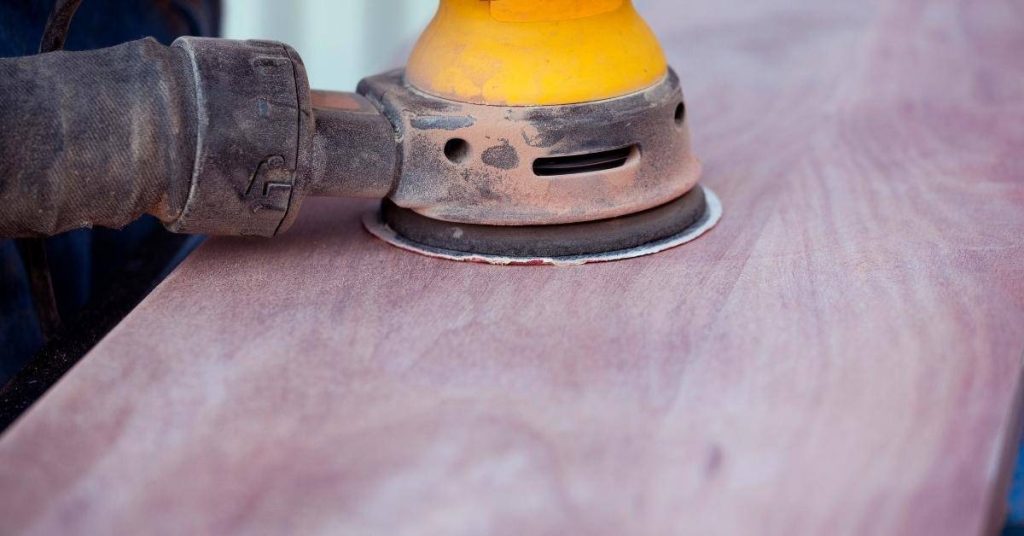
Orbital sander sanding smooth plywood surface

How to Fix Raised Paint Edges at Tape Lines: Sanding and recoat strategy

Introduction Raised paint edges at tape lines are ridges formed where tape seals and paint creeps under. This guide shows how to sand them smooth and refinish without pulling off surrounding paint. Use a light touch, gentle feathering, and follow the tape and paint manufacturer’s instructions. Sanding should be light and even, targeting only the

How to Fix Raised Paint Edges at Tape Lines: Sanding and recoat strategy Read More »

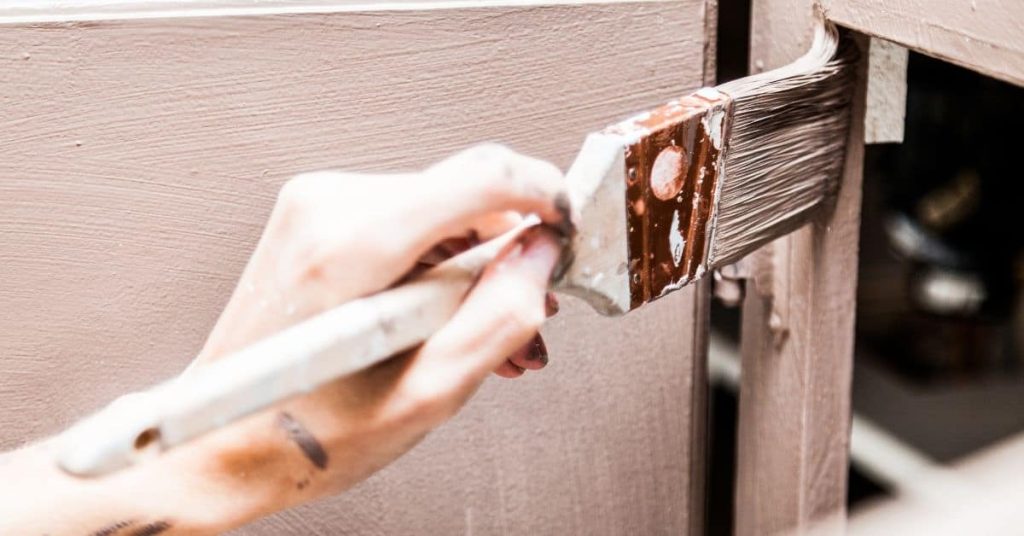
Hand painting edges of wooden cabinet with brush

How to Prevent Tape Lines When Painting: Cutting in and pulling tape the right way

Introduction Preventing tape lines means masking and edge-work done so the paint meets cleanly without ridges. Cutting in and lifting tape at the right moment helps keep the edge sharp. Work slowly, check the edge as you go, and don’t rush the tape removal. Start with clean, dry surfaces and press the tape firmly to

How to Prevent Tape Lines When Painting: Cutting in and pulling tape the right way Read More »

Paintbrush resting on an open can of white paint

Brush Drag and Pulling Paint: Why it happens and how to improve flow

Introduction Brush drag and pulling paint happen when the brush edge catches and drags on the surface, causing uneven flow. It’s usually caused by a combination of stiff paint, a too-dry brush, and rough or improper surface prep. Understanding these cues helps you adjust your approach on the job. To improve flow, load the brush

Brush Drag and Pulling Paint: Why it happens and how to improve flow Read More »