Off-Topic

Off-Topic is a holding category for posts that don’t fit the main focus of this site.

Some of these articles still get occasional traffic or answer useful side questions, but they aren’t part of my core content around concrete, plaster/stucco, and masonry. Over time, I may update, reorganize, or move posts out of this category as the site becomes more focused.

If you’re here by accident, the best place to start is the Concrete or Render/Stucco categories.

Various large tile samples displayed upright in a store

Tile Ledger Boards in Showers: How to Mount Them Without Puncturing Waterproofing

Introduction A tile ledger board is a horizontal support mounted to the shower wall to hold tile while it sets, without puncturing the waterproofing. Before you start, locate studs and check the waterproofing membrane behind the tile area. This guide walks you through a practical, hands-on approach you can do with common tools. Plan your […]

Tile Ledger Boards in Showers: How to Mount Them Without Puncturing Waterproofing Read More »

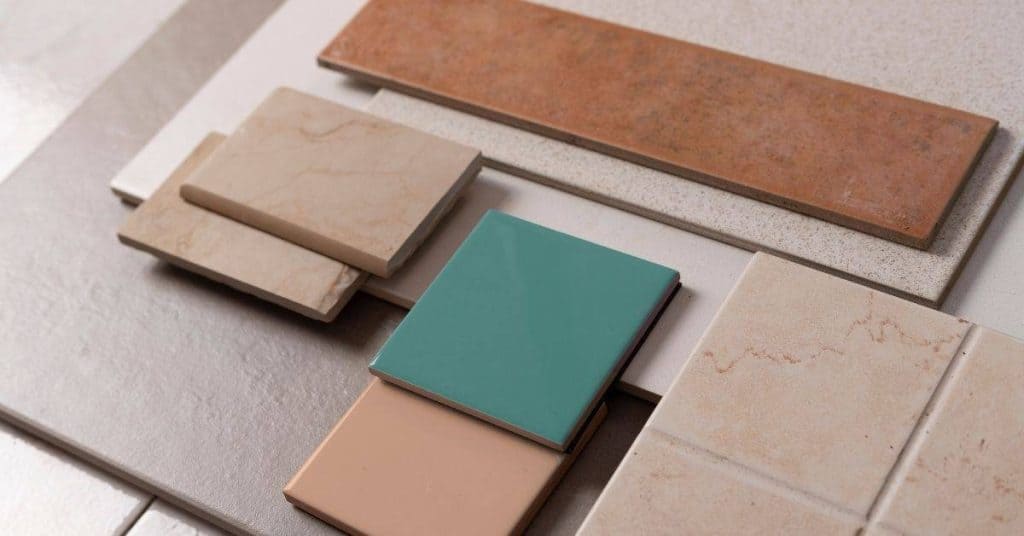
Various ceramic and porcelain tile samples arranged on a surface

Pool Waterline Tile Repairs: Bonding to Old Substrates and Avoiding Hollow Spots

Introduction Bonding old pool waterline tile to aged substrates requires thorough prep and the right adhesives to prevent hollow spots. This is a hands-on, DIY task that starts with cleaning, roughing the surface, and choosing compatible materials. Check product labels and manufacturer guidance for substrate compatibility, cure times, and any moisture considerations. Dust control during

Pool Waterline Tile Repairs: Bonding to Old Substrates and Avoiding Hollow Spots Read More »

Colorful glass mosaic tiles arranged in a curved pattern

How to Set Glass Mosaic Tile Without Seeing Trowel Lines (Trowel + Backing Tricks)

Introduction It’s about using the right trowel choice, backing, and pressing technique to hide visible trowel marks on glass mosaic tile. You’ll work in small, well-prepped patches and back-butter the tile to help transfer even mortar. Keep the substrate flat, clean, and dry as you set each piece. About CTEF is one of the core

How to Set Glass Mosaic Tile Without Seeing Trowel Lines (Trowel + Backing Tricks) Read More »

Modern bathroom with white tiled shower and glass door

Shower Bench Waterproofing: How to Build It So It Doesn’t Become a Sponge

Introduction Building a shower bench can enhance your bathroom’s functionality and aesthetics. However, it’s crucial to ensure proper waterproofing to prevent it from absorbing moisture like a sponge. In this guide, we’ll walk you through the process of constructing a waterproof shower bench that won’t become a soggy mess over time. Key takeaways Plan bench

Shower Bench Waterproofing: How to Build It So It Doesn’t Become a Sponge Read More »

spiked roller on freshly applied epoxy floor coating

Epoxy Thinset vs. Cement Thinset: Where Epoxy Is Worth It (and where it’s trouble)

Introduction Epoxy thinset is a two‑part adhesive that uses epoxy as the binder, offering a tougher, more chemical‑resistant bond than plain cement thinset. In DIY terms, it sets slower and can be trickier to mix and apply, so it’s not always the best choice for every job. Check manufacturer instructions for mixing ratios, pot life,

Epoxy Thinset vs. Cement Thinset: Where Epoxy Is Worth It (and where it’s trouble) Read More »

Man laying floor tiles on cement base in room

Installing Ditra-Heat or Similar Uncoupling Heat Membranes: Common DIY Mistakes

Introduction Installing Ditra-Heat or similar uncoupling membranes is a DIY method to protect tile from cracks by decoupling the tile from the substrate. Common mistakes include rushing layout, skipping dry fitting, and not verifying the floor is flat and ready. Always check the product label and your local rules before starting. Before laying, pre-lay membrane

Installing Ditra-Heat or Similar Uncoupling Heat Membranes: Common DIY Mistakes Read More »
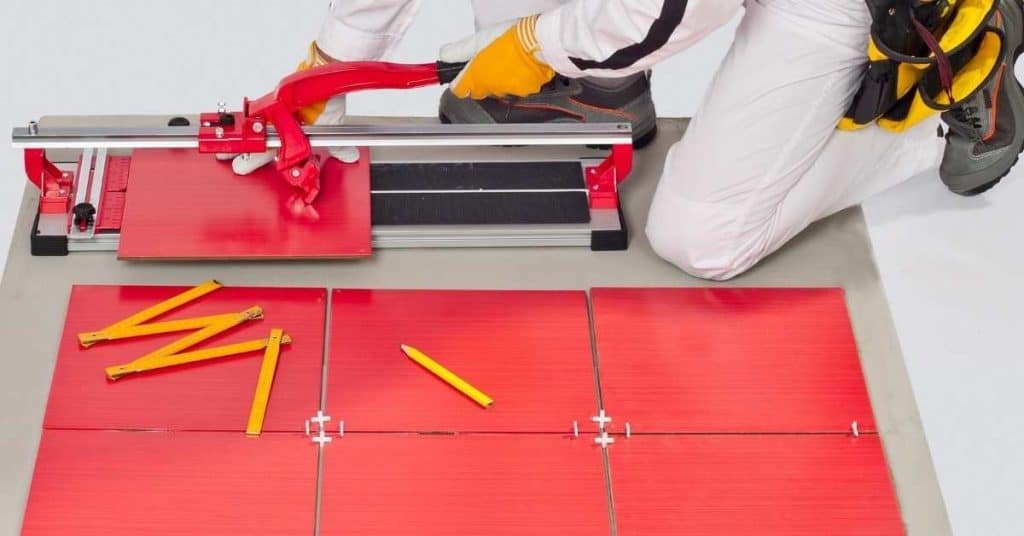
Person cutting red ceramic tile with manual tile cutter

How to Tile Over Radiant Heat Mats: Layout, Thickness Buildup, and Sensor Placement

Introduction Tile over radiant heat mats means installing tile on top of an electric floor heating mat with a careful layout plan. This introduction covers how to plan tile layout, where to place sensors, and how to account for depth as you build up. It’s a hands-on DIY approach, not a product pitch, so check

How to Tile Over Radiant Heat Mats: Layout, Thickness Buildup, and Sensor Placement Read More »

Various ceramic and porcelain tile samples arranged on a surface

Tile Trim Profiles Explained: Metal vs. PVC vs. Bullnose (Clean Edges for DIYers)

Introduction Tile trim profiles are the finishing edges and transition pieces that give tiles a clean, protected edge and smooth corners as you tile a wall or floor. Common options include metal trims (like aluminum or stainless steel), PVC trims, and bullnose edge trims, each with its own look and install feel. The best choice

Tile Trim Profiles Explained: Metal vs. PVC vs. Bullnose (Clean Edges for DIYers) Read More »

paint tray with paint roller covers and a paintbrush covered in dried paint

How to Store Partially Used Paint for Years: Skin Prevention and Remix Steps

Introduction Long-term storage of partially used paint means keeping the can sealed, preventing skin from forming, and preserving it for future remix. Keep containers tightly closed, label clearly, and store upright in a cool, stable spot away from direct heat or freezing conditions. Check the product label and manufacturer instructions for any shelf-life notes or

How to Store Partially Used Paint for Years: Skin Prevention and Remix Steps Read More »