Off-Topic

Off-Topic is a holding category for posts that don’t fit the main focus of this site.

Some of these articles still get occasional traffic or answer useful side questions, but they aren’t part of my core content around concrete, plaster/stucco, and masonry. Over time, I may update, reorganize, or move posts out of this category as the site becomes more focused.

If you’re here by accident, the best place to start is the Concrete or Render/Stucco categories.

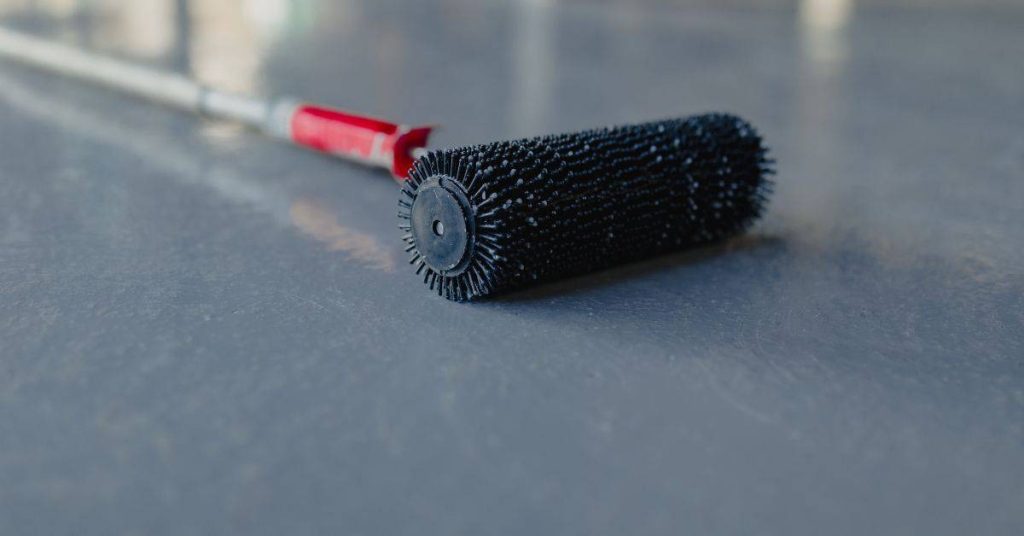
Black spiked roller on smooth concrete floor

Resealing Only Traffic Lanes: Avoiding Roller Bands and Gloss Differences

Introduction Resealing only traffic lanes means applying a seal coating to just the lane surfaces to protect them and restore color, without sealing adjoining areas. Do the prep, mask the edges, and keep the sealer off markings and shoulder while you work. Check the product label for surface prep steps, cure time, and any local […]

Resealing Only Traffic Lanes: Avoiding Roller Bands and Gloss Differences Read More »
Two cleaning brushes with plastic handles on floor

DIY Silicone Mold Life Extension: Cleaning, Powders, and What Destroys Silicone Fast

Introduction Silicone mold life extension is about preserving silicone molds so they last longer by cleaning them, using appropriate powders for release, and avoiding substances that degrade the rubber. In practice, keep molds clean with a gentle rinse and mild wipe-down after use, and dust only with powders that are labeled for silicone release or

DIY Silicone Mold Life Extension: Cleaning, Powders, and What Destroys Silicone Fast Read More »

Yellow construction helmet tape measure pencils on architectural plans

Superplasticizer in Tiny Batches: Measuring Drops, Not Guessing Caps

Introduction A superplasticizer in tiny batches is measured by careful, small additions rather than guessing from cap size or rough estimates. This means you add controlled drops and check the mix consistency after each step. Always verify you’re following the product label and any local rules for admixtures. If you’re curious about the science behind

Superplasticizer in Tiny Batches: Measuring Drops, Not Guessing Caps Read More »

Clear glass bowl with white powder under shoe rack

Urethane Topcoat Blushing: Humidity, Solvents, and How to Clear It

Introduction Blushing is a cloudy, milky haze that forms on a polyurethane topcoat surface when moisture or solvents react with the film. In humid conditions or when solvents evaporate too quickly, this haze can appear and stay until the finish dries. Recognizing it early helps you decide whether to slow down, adjust the environment, or

Urethane Topcoat Blushing: Humidity, Solvents, and How to Clear It Read More »

Paintbrush and roller in white paint tray on brown surface

Cutting In on Textured Walls: Brush Loading and Keeping Edges Sharp Without Tape

Introduction Cutting in on textured walls without tape means achieving a clean, sharp line where the wall and adjacent surface meet by careful brush loading and technique. Start with a small amount of paint on the brush and load along the edge, then steady your hand and work in short, controlled strokes. Keep your wrist

Cutting In on Textured Walls: Brush Loading and Keeping Edges Sharp Without Tape Read More »

Paint roller covered in white paint dripping into paint can

Roller Lint in Paint: How to Pre-Wash Rollers and Stop Fuzz in the Finish

Introduction Pre-washing rollers removes loose fibers and lint to improve the finish. Before you load paint, rinse the roller with clean water or a recommended solvent, then spin or squeeze out the moisture and let it dry before use. Lint and fuzz usually come from new rollers, rough surfaces, or poor storage, so check the

Roller Lint in Paint: How to Pre-Wash Rollers and Stop Fuzz in the Finish Read More »

Black plastic cable ties of various lengths on white surface

Spraying Paint in a Garage: Overspray Containment With Cheap Plastic and Filters

Introduction Overspray containment is the quick setup of cheap plastic barriers and filters to keep paint mist from drifting outside your garage. This approach is meant to be practical and affordable for a DIY project. You’ll learn how to tape plastic, hang it securely, and use simple filters to curb debris. Plan the work area,

Spraying Paint in a Garage: Overspray Containment With Cheap Plastic and Filters Read More »

Three paintbrushes and one paint roller on wooden surface

Fixing Paint that ‘Alligators’: Causes, Patch Strategy, and When to Strip

Introduction Alligatoring is when cracked, ridged paint film looks like alligator skin. It happens when the top layer loses flexibility and the underlayer shows through. This tells you that the surface needs attention beyond a quick touch-up. A practical plan is to assess the damage, remove loose paint, and decide whether you can patch or

Fixing Paint that ‘Alligators’: Causes, Patch Strategy, and When to Strip Read More »

Person holding paint roller wearing gloves and blue overalls

Why New Paint Smells for Weeks: VOC Reality, Cure Conditions, and How to Vent Safely

Introduction VOC stands for volatile organic compounds, and new paint can release these compounds that cause odors lasting days or weeks. The duration depends on the product and conditions, and the smell comes from solvents and other components off-gassing. Ventilation, temperature, and how well the space is sealed influence how long it lingers—check the product

Why New Paint Smells for Weeks: VOC Reality, Cure Conditions, and How to Vent Safely Read More »

Paint roller applying white paint on beige wall

How to Prevent Roller Marks in Clear Sealers: Work Zones, Wet Edge, and Re-Roll Traps

Introduction Preventing roller marks in clear sealers is about keeping a smooth, wet edge and consistent roller motion. Set up your work zones so you move methodically and don’t drag a dry edge across the surface. Check the product label and local rules for timing, and re-roll small areas to blend before the edge starts

How to Prevent Roller Marks in Clear Sealers: Work Zones, Wet Edge, and Re-Roll Traps Read More »