Off-Topic

Off-Topic is a holding category for posts that don’t fit the main focus of this site.

Some of these articles still get occasional traffic or answer useful side questions, but they aren’t part of my core content around concrete, plaster/stucco, and masonry. Over time, I may update, reorganize, or move posts out of this category as the site becomes more focused.

If you’re here by accident, the best place to start is the Concrete or Render/Stucco categories.

When to Use a Leveling System: Where It Helps and Where It Hides Bad Prep

When to Use a Leveling System: Where It Helps and Where It Hides Bad Prep

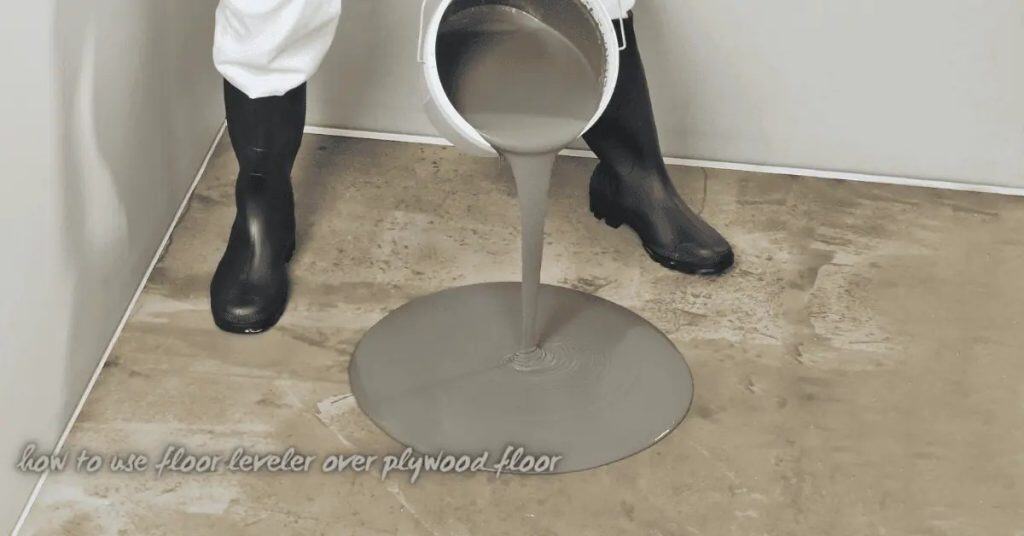
Introduction A level, laser level, straightedge, screed, or self-leveling underlayment can help produce a floor that meets the final finish requirement. They do different jobs: a measuring tool establishes or transfers a reference and finds variation; a correction material changes the surface. Neither makes weak, wet, contaminated, moving, or unsupported concrete sound. Start with the

When to Use a Leveling System: Where It Helps and Where It Hides Bad Prep Read More »

Ledger Board Setup for Wall Tile: Keeping the First Row Perfect Without Damaging Waterproofing

Ledger Board Setup for Wall Tile: Keeping the First Row Perfect Without Damaging Waterproofing

Introduction A ledger board setup helps keep the first row of wall tile perfectly aligned without damaging waterproofing. You’ll learn the key steps for locating, leveling, and securing the ledger so the first row stays true and the waterproof membrane remains intact. The guide walks through practical tips, common mistakes to avoid, and how to

Ledger Board Setup for Wall Tile: Keeping the First Row Perfect Without Damaging Waterproofing Read More »

Inside Corners in Showers: Caulk Vs Grout and Where Movement Actually Happens

Inside Corners in Showers: Caulk Vs Grout and Where Movement Actually Happens

Introduction In shower inside corners, caulk handles movement while grout is best for rigid joints. The guide explains when to use each, how to assess movement in corners, and practical steps for proper application and sealing. Key takeaways Caulk tolerates movement in vertical corners; grout is rigid and can crack. Movement occurs mainly where framing

Inside Corners in Showers: Caulk Vs Grout and Where Movement Actually Happens Read More »

The Most Overlooked Step in Flashing Installation That Prevents Annoying Water Leaks

The Most Overlooked Step in Flashing Installation That Prevents Annoying Water Leaks

Introduction Properly sealing joints during flashing installation is the most overlooked step that prevents annoying water leaks. This article explains why that step matters and walks you through practical techniques, tips, and common mistakes to avoid so you can install flashing with confidence. You’ll learn how to identify vulnerable spots, choose the right sealant, and

The Most Overlooked Step in Flashing Installation That Prevents Annoying Water Leaks Read More »

When Paint Sealers Backfire: the Moisture Problem Most Diyers Don’t Anticipate

When Paint Sealers Backfire: the Moisture Problem Most Diyers Don’t Anticipate

Introduction Paint sealers can backfire by trapping moisture, leading to issues most DIYers don’t anticipate. In this guide, you’ll learn how moisture interacts with sealers, how to spot warning signs, and practical steps, tips, and rules of thumb to prevent moisture-related failures. Key takeaways Assess moisture sources first: leaks, condensation, hydrostatic pressure before painting Basement

When Paint Sealers Backfire: the Moisture Problem Most Diyers Don’t Anticipate Read More »

Flashing and WRB: the Seasonal Pattern of Spring Showers That Tests Your Home’s Defense

Flashing and WRB: the Seasonal Pattern of Spring Showers That Tests Your Home’s Defense

Introduction Flashing and WRB define how seasonal spring rain can test a home’s weatherproofing and structural defenses. The article explains why this matters for your home and walks you through practical steps to assess, seal, and maintain flashing and WRB details, with tips and rules of thumb to prevent leaks. You’ll learn what signs to

Flashing and WRB: the Seasonal Pattern of Spring Showers That Tests Your Home’s Defense Read More »

Why Mortar Isn’t Always the Right Pick for Thinset Replacement in Your Tile Projects

Why Mortar Isn’t Always the Right Pick for Thinset Replacement in Your Tile Projects

Introduction Mortar isn’t always the right choice for replacing thinset in tile projects. This article explains when mortar can work, when it can’t, and how to choose the best substrate and technique for a durable tile installation. You’ll learn practical guidance on evaluating your substrate, selecting appropriate materials, and applying them correctly to avoid failures.

Why Mortar Isn’t Always the Right Pick for Thinset Replacement in Your Tile Projects Read More »

How to Spot Common Basement Waterproofing Problems Before You Dig in

How to Spot Common Basement Waterproofing Problems Before You Dig in

Introduction Identify common basement waterproofing problems before you dig by recognizing moisture, cracks, and drainage issues. Exterior drainage planning is essential: set a concrete workflow for grading, drainage elevation targets, verification tests after heavy rain, and coordination with landscapers or backfill contractors to avoid reintroducing moisture. Design grading with a continuous slope away from the

How to Spot Common Basement Waterproofing Problems Before You Dig in Read More »