Concrete

Concrete is where I keep my step-by-step guides for planning, pouring, and finishing concrete projects.

Topics include base prep, forms, reinforcement, thickness, mixing and placing, finishing, curing, sealing, and long-term durability. I also cover troubleshooting—what to do when concrete cracks, scales, dusts, or cures unevenly.

If you’re new to concrete, start with the planning and prep articles. They prevent most of the expensive mistakes.

Mixing gray cement mixture in a bucket with drill paddle

Polymer-Modified Overlays: Mixing, Thickness, and Curing for Durability

Introduction Polymer-modified overlays are thin concrete toppings that use polymer additives to improve adhesion and durability. Mix according to the product label and manufacturer instructions; mix until uniform. Apply in an even coat to the prepared surface, checking that the mixture stays workable. The right thickness and proper curing are key to long‑lasting results. Follow

Polymer-Modified Overlays: Mixing, Thickness, and Curing for Durability Read More »

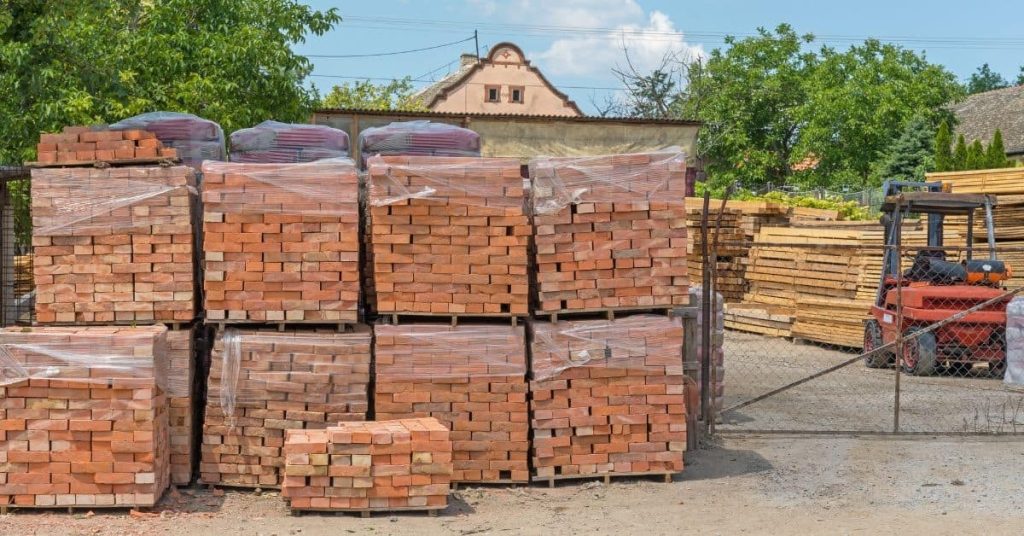
Stacks of orange hollow clay bricks on wooden pallets

Roman Clay Maintenance: Spot Repair, Re-Seal, and How to Avoid Shiny Patches

Introduction Roman Clay maintenance means keeping the finish patched, resealed, and matte where you want it, not shiny where you don’t — spot repairs and the right re-seal process fix most problems. This is a hands-on job: check the product label and manufacturer’s instructions for compatible patch mixes and sealers before you start. Expect to

Roman Clay Maintenance: Spot Repair, Re-Seal, and How to Avoid Shiny Patches Read More »

Close-up of textured stamped concrete floor surface

Concrete pH Testing for Paint and Coatings: Simple DIY Methods and Pass/Fail Numbers

Introduction Concrete pH testing for paint and coatings is a simple check to see if the surface is too alkaline for a coating to stick and perform. In plain jobsite terms, it means taking a quick sample or using a test strip to read the surface pH, then comparing that result to the coating maker’s

Concrete pH Testing for Paint and Coatings: Simple DIY Methods and Pass/Fail Numbers Read More »

Hand holding paint roller with orange paint above drop cloth

Painting Over Fresh Concrete: pH Testing, Wait Times, and Primer Selection

Introduction Painting over fresh concrete means making sure the slab is ready and won’t ruin your paint job; that starts with testing alkalinity, letting the concrete cure, and choosing a primer that matches the slab’s condition. In plain jobsite terms: test surface pH, wait the right amount of time based on the product you plan

Painting Over Fresh Concrete: pH Testing, Wait Times, and Primer Selection Read More »

Stacked hollow core concrete slabs showing open cores

Concrete pH Testing for Paint and Coatings: A Step-by-Step Timeline of DIY Methods

Introduction Before you start painting or coating your concrete surfaces, it’s crucial to test the pH level to ensure optimal adhesion. But how long does this process take? Let’s break down a simple timeline for concrete pH testing using DIY methods. The entire process can be completed in less than an hour, but proper planning

Concrete pH Testing for Paint and Coatings: A Step-by-Step Timeline of DIY Methods Read More »

Concrete slurry being poured onto dry concrete surface

Concrete Bonding Slurry Done Right: Ratios, Timing, and Why It Fails

Introduction Concrete bonding slurry is a thin mix used to make new concrete or patch material stick to old concrete by creating a paste-like contact coat. It’s about getting the right cement-to-water consistency and timing the application so the slurry is tacky when you press the repair over it. Check product labels or manufacturer instructions

Concrete Bonding Slurry Done Right: Ratios, Timing, and Why It Fails Read More »

white textured wall surface with subtle irregularities

Accelerators and Retarders in Bagged Mix: How to Use Them Without Weak Surface Layers

Introduction Accelerators speed up set time and retarders slow it down when added to bagged concrete or mortar, and they should be used according to the product label and mix instructions. In practice that means choosing the right additive for the job, measuring it, and avoiding ad hoc water or burlap tricks that can create

Accelerators and Retarders in Bagged Mix: How to Use Them Without Weak Surface Layers Read More »