Concrete

Concrete is where I keep my step-by-step guides for planning, pouring, and finishing concrete projects.

Topics include base prep, forms, reinforcement, thickness, mixing and placing, finishing, curing, sealing, and long-term durability. I also cover troubleshooting—what to do when concrete cracks, scales, dusts, or cures unevenly.

If you’re new to concrete, start with the planning and prep articles. They prevent most of the expensive mistakes.

paint roller with blue handle and paint tray on floor

Roller Nap Selection by Surface: Orange Peel vs Smooth Walls vs Concrete

Introduction Roller nap selection by surface means picking the roller pile that matches the texture you’re painting so the paint lays down evenly and hides or reveals surface features appropriately. For orange peel use a thicker nap to get paint into the tiny peaks and valleys, for smooth walls use a short nap for a […]

Roller Nap Selection by Surface: Orange Peel vs Smooth Walls vs Concrete Read More »

Concrete slurry being poured onto dry concrete surface

Concrete Bonding Slurry Done Right: Ratios, Timing, and Why It Fails

Introduction Concrete bonding slurry is a thin mix used to make new concrete or patch material stick to old concrete by creating a paste-like contact coat. It’s about getting the right cement-to-water consistency and timing the application so the slurry is tacky when you press the repair over it. Check product labels or manufacturer instructions

Concrete Bonding Slurry Done Right: Ratios, Timing, and Why It Fails Read More »

white textured wall surface with subtle irregularities

Accelerators and Retarders in Bagged Mix: How to Use Them Without Weak Surface Layers

Introduction Accelerators speed up set time and retarders slow it down when added to bagged concrete or mortar, and they should be used according to the product label and mix instructions. In practice that means choosing the right additive for the job, measuring it, and avoiding ad hoc water or burlap tricks that can create

Accelerators and Retarders in Bagged Mix: How to Use Them Without Weak Surface Layers Read More »

Liquid concrete pouring onto rough concrete slab

Concrete Overlay Over Old Broom Finish: How to Lock Down Loose Sand and Prevent Delamination

Introduction Locking down loose sand and preventing delamination means preparing a broom-finished surface so the new overlay bonds firmly without peeling. Start by cleaning the surface, removing dust and loose particles with a stiff brush and a vacuum. Check the old slab for cracks and moisture and address any defects before proceeding. Choose a compatible

Concrete Overlay Over Old Broom Finish: How to Lock Down Loose Sand and Prevent Delamination Read More »

Person pressure washing concrete patio surface

Degreasing Concrete the Right Way: Detergents, Poultices, and Rinse Methods That Don’t Leave Soap

Introduction Degreasing concrete means removing oil and grease from the surface without leaving a soapy film. Start by loosening the stain with a detergent or degreaser as per the product label, then use a poultice or a scrub with a stiff brush and rinse thoroughly with clean water. Make sure you rinse lots and check

Degreasing Concrete the Right Way: Detergents, Poultices, and Rinse Methods That Don’t Leave Soap Read More »

Concrete surface showing pitting and rough patches

Fixing Concrete Surface Pop-Offs From Rusty Wire: Root-Cause Repair and Stain Blocking

Introduction Concrete surface pop-offs from rusty wire are spots where embedded wire corrodes and the surface flakes away. This happens when rust pushes on the cement and creates loose, powdery patches. The key is identifying the rust source and planning a safe repair path that restores the finish. First, expose the area, remove loose material,

Fixing Concrete Surface Pop-Offs From Rusty Wire: Root-Cause Repair and Stain Blocking Read More »

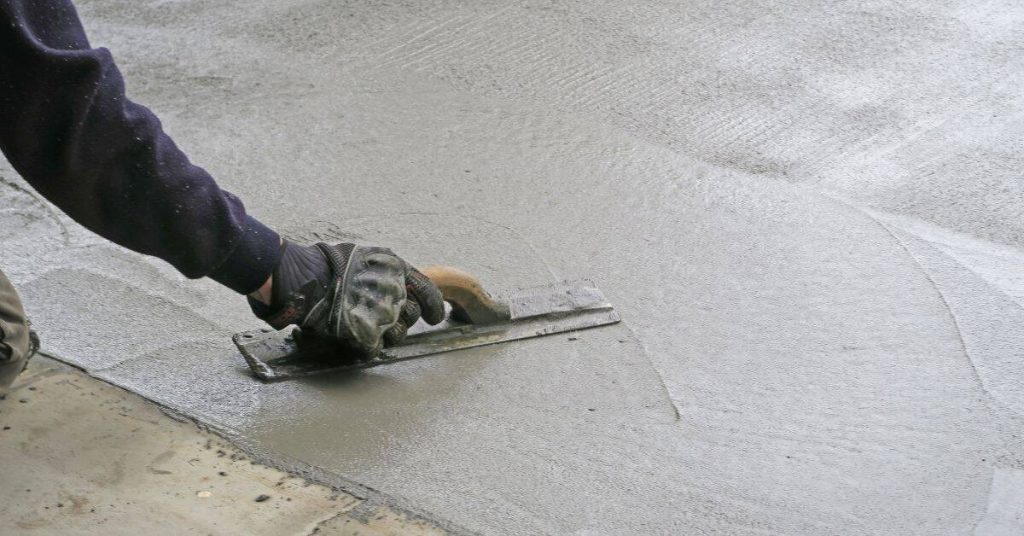
Hand smoothing freshly poured concrete slab with trowel

Evaporation Rate 101 for Fresh Concrete: Wind, Sun, and How to Protect the Surface

Introduction Evaporation rate for fresh concrete is how fast water leaves the surface and it controls how the concrete sets and gains strength. In plain jobsite terms, wind and sun speed that drying, while cool, still air slows it; check product labels and local rules for any specific limits you must follow. A fast evaporation

Evaporation Rate 101 for Fresh Concrete: Wind, Sun, and How to Protect the Surface Read More »

Smooth concrete driveway leading to garage doors

Shrinkage-Reducing Admixtures: When They Help on Driveways, Pads, and Countertops

Introduction Shrinkage-reducing admixtures are chemicals added to fresh concrete to lessen the amount of drying shrinkage and help reduce the risk of hairline cracks on driveways, slabs, and countertops. They work with good mix design and finishing practices, not instead of them, so check product labels and manufacturer instructions for dosage and compatibility with other

Shrinkage-Reducing Admixtures: When They Help on Driveways, Pads, and Countertops Read More »

Stacked precast concrete beams covered with snow outdoors

Air-Entrained vs Non-Air-Entrained Concrete: What to Order for Freeze-Thaw Areas

Introduction Air-entrained concrete contains tiny, intentionally created air bubbles to help it survive freeze-thaw cycles, while non-air-entrained concrete does not have those bubbles and is denser. In plain jobsite terms: air-entrained mixes are commonly recommended where water can freeze inside the slab, and non-air-entrained mixes are used where freeze-thaw exposure is minimal or controlled. Check

Air-Entrained vs Non-Air-Entrained Concrete: What to Order for Freeze-Thaw Areas Read More »

Modern concrete apartment building under clear blue sky

Chloride Contamination in Concrete Near Salt: Symptoms, Tests, and Mitigation Options

Introduction Chloride contamination in concrete near salt means chloride ions from road salt, seawater, or deicing materials have migrated into the concrete and can trigger corrosion of embedded steel; check product labels, manufacturer guidance, and local rules to know acceptable chloride limits. On a DIY job that usually shows up as rust stains, spalled or

Chloride Contamination in Concrete Near Salt: Symptoms, Tests, and Mitigation Options Read More »