Concrete

Concrete is where I keep my step-by-step guides for planning, pouring, and finishing concrete projects.

Topics include base prep, forms, reinforcement, thickness, mixing and placing, finishing, curing, sealing, and long-term durability. I also cover troubleshooting—what to do when concrete cracks, scales, dusts, or cures unevenly.

If you’re new to concrete, start with the planning and prep articles. They prevent most of the expensive mistakes.

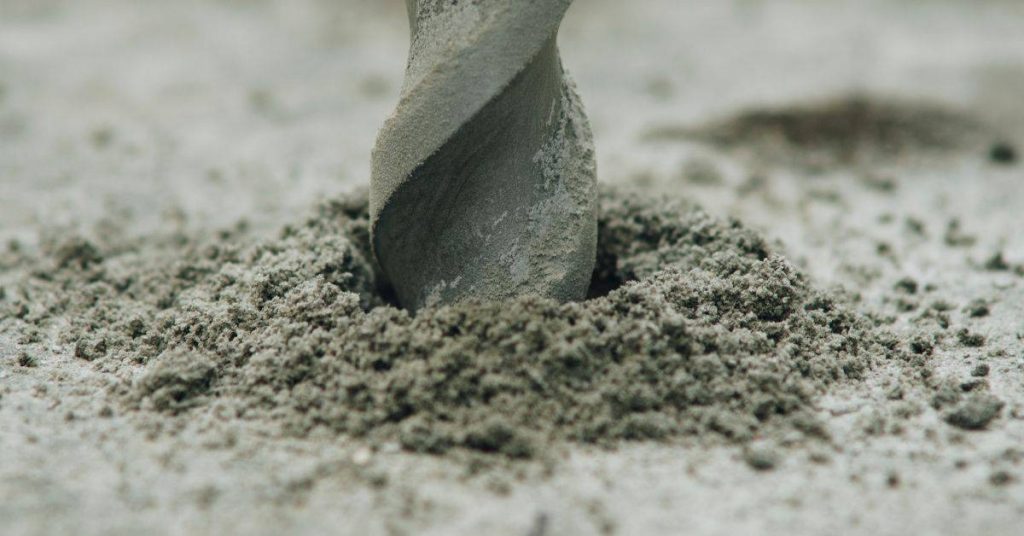
Close-up of a drill bit drilling into concrete with dust

Anchor Bolts in Concrete That Landed Wrong: Drill-and-Epoxy Fixes and Layout Prevention

Introduction If an anchor bolt landed wrong in concrete, drilling and epoxy can correct the install and restore holding strength. This hands-on guide walks through practical steps for re-anchoring and preventing misalignment when you’re handling pallet racks. You’ll learn how to evaluate the situation, choose a repair approach, and proceed safely on site. focus> Key […]

Anchor Bolts in Concrete That Landed Wrong: Drill-and-Epoxy Fixes and Layout Prevention Read More »

Fresh concrete poured into yellow wooden formwork

Rock Pockets on Formed Concrete Faces: Prevention During Pour and Durable Cosmetic Repairs

Introduction Rock pockets are hollow spots or voids that appear on the surface of formed concrete faces. They form when aggregate or cement settles away from the surface during pour, leaving visible pockets. Proper formwork, consistent pour, and careful surface preparation help prevent them. Symptoms include small pits and rough spots on the face that

Rock Pockets on Formed Concrete Faces: Prevention During Pour and Durable Cosmetic Repairs Read More »

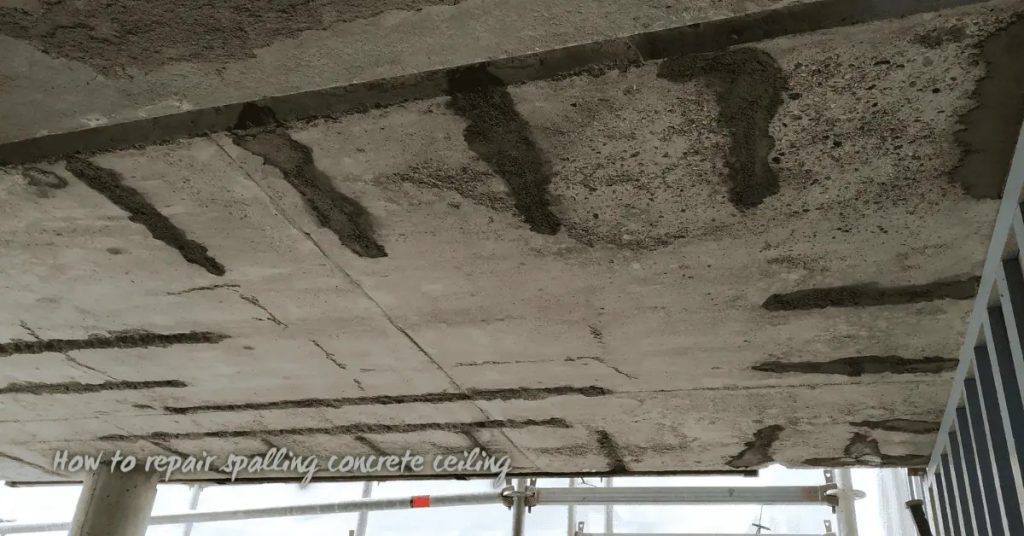
Concrete ceiling with dark patched spalling repair areas

Edge Spalling at Concrete Joints: Why It Happens and How to Detail Joints to Stop It

Introduction Edge spalling at concrete joints is when the concrete along the joint flakes or chips away. It often shows up where the edge is thin, stressed, or exposed to moisture. A straightforward fix is to prepare the edge, restore sound support, and plan better joint detailing. To detail joints so it stops, use properly

Edge Spalling at Concrete Joints: Why It Happens and How to Detail Joints to Stop It Read More »

Concrete being smoothed with a long-handled screed tool

Crazing and Hairline Map Cracks in Concrete: over-Finishing Clues and How to Keep It Subtle

Introduction Crazing and hairline map cracks are shallow surface cracks that occur when the concrete surface dries or finishes too aggressively. They often appear as a fine web across the countertop and can be subtle or noticeable. This article explains how to recognize them and what to check to keep finishes from looking overworked. Drying

Crazing and Hairline Map Cracks in Concrete: over-Finishing Clues and How to Keep It Subtle Read More »

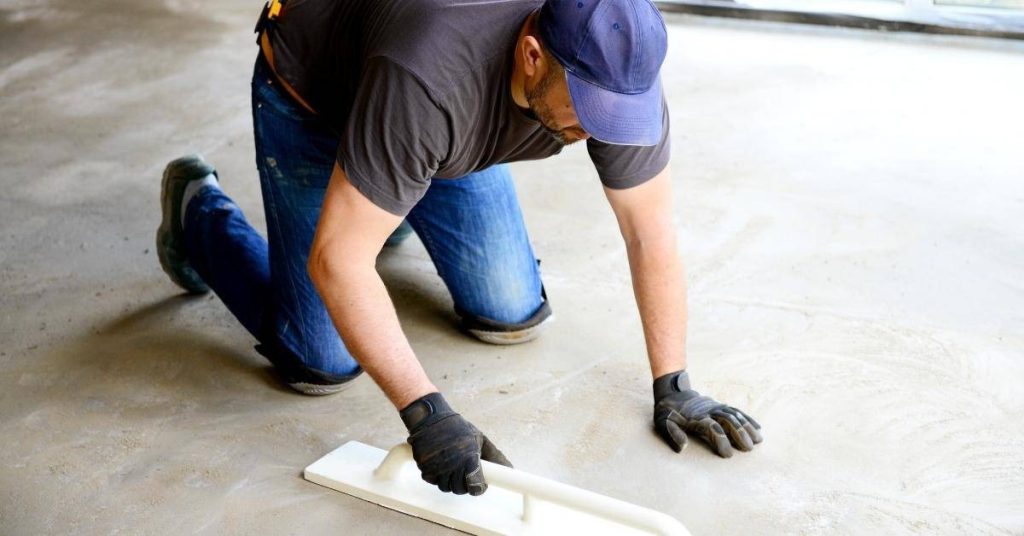
Worker smoothing new concrete floor with hand float

Bonding New Concrete to Old Work: Scarify Vs Grind Vs Acid (and Why Acid Often Disappoints)

Introduction Bonding new concrete to old work means preparing the surface so fresh concrete will adhere to an existing slab. Scarify, grind, and acid-etch are common surface-prep options, each with its own trade‑offs. Understanding when to use each method helps you avoid weak bonds and failed pours. Scarifying provides a mechanical key by roughening the

Bonding New Concrete to Old Work: Scarify Vs Grind Vs Acid (and Why Acid Often Disappoints) Read More »

Empty indoor parking garage with smooth concrete floor and white lines

Dusty Concrete Garage Slabs: When Sweeping and Densifiers Help and When Resurfacing Is the Only Fix

Introduction Dusty concrete garage slabs are surfaces that shed loose concrete dust and fine particles, creating a chalky layer on the floor. Sweeping and densifying can help restore stability, while resurfacing may be needed for heavy or persistent dust. Use sweeping and densifying for light dust and in slabs that show wear but still have

Dusty Concrete Garage Slabs: When Sweeping and Densifiers Help and When Resurfacing Is the Only Fix Read More »

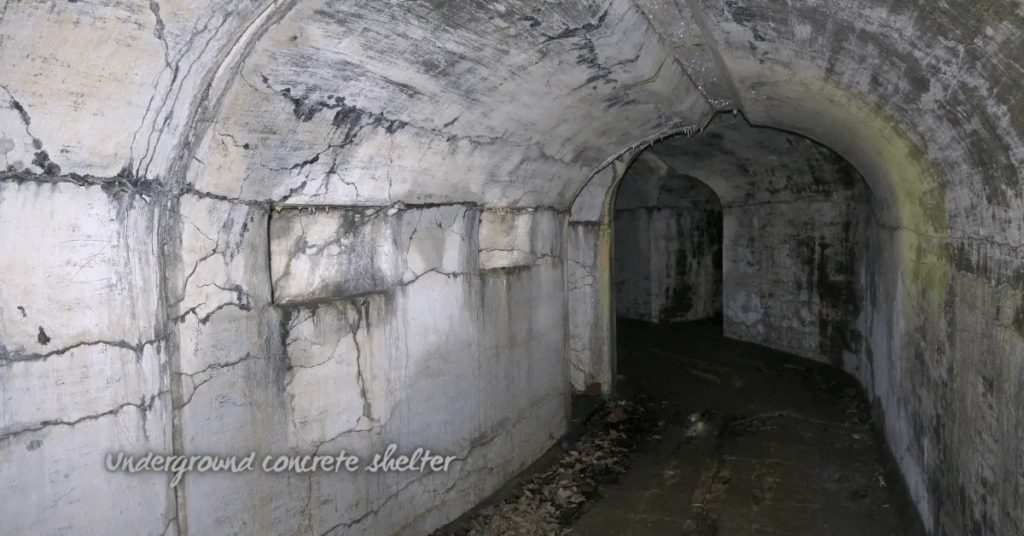
Cracked concrete walls and ceiling inside underground tunnel

Concrete Overlay Vs Full Replacement: a Decision Guide Based on Movement, Moisture, and Thickness

Introduction Concrete overlay is a thin surface layer applied over an existing floor to refresh or repair it without removing the old substrate. Full replacement requires removing the existing concrete and pouring a new slab or substrate. Both options have tradeoffs in durability, cost, and installation time. Choosing between them depends on movement, moisture, and

Concrete Overlay Vs Full Replacement: a Decision Guide Based on Movement, Moisture, and Thickness Read More »

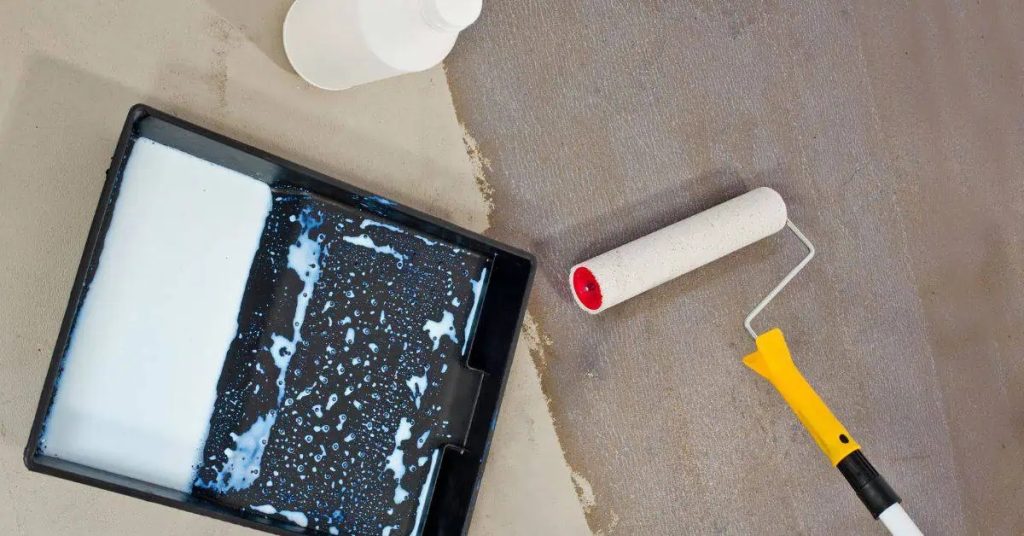
Paint roller and tray with white primer on concrete floor

Self-Leveling Overlays on Concrete: Dams, Primers, and Stopping Pinholes and Ripples

Introduction Self-leveling overlays are thin, cement-based compounds poured over concrete to create a smooth, level surface. They are applied after proper substrate preparation to fill minor irregularities and set with minimal manual leveling. A proper dam at edges and openings helps keep the mix in place as it cures. People doing this at home should

Self-Leveling Overlays on Concrete: Dams, Primers, and Stopping Pinholes and Ripples Read More »

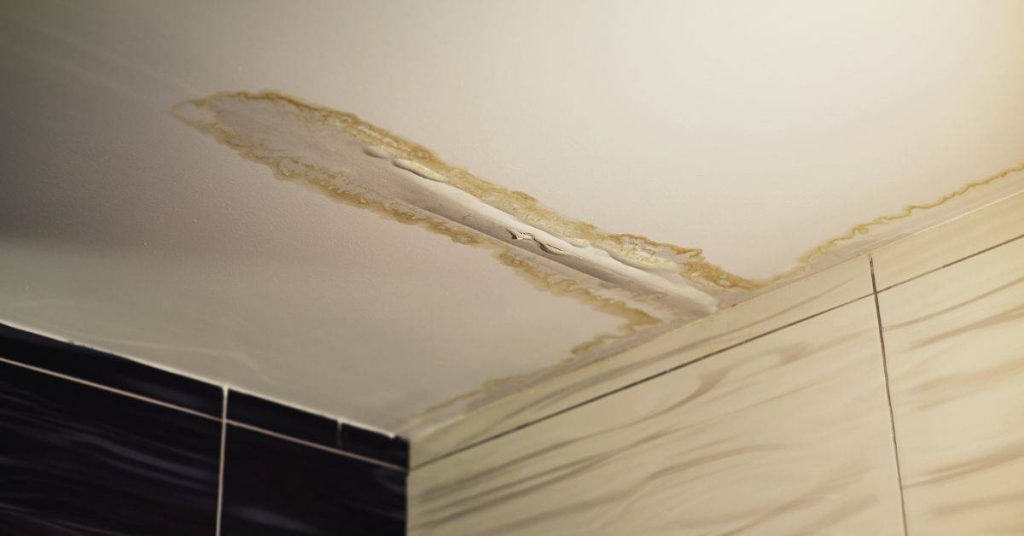
Ceiling with water stains and damage near corner tiles

Choosing the Right Concrete Crack Repair for Your Situation: Movement, Width, and Water

Introduction Choosing the right concrete crack repair means matching the repair method to how the crack moves, how wide it is, and whether water is involved. Cracks can be structural or non-structural, and the approach should reflect that difference and how it affects stability. Start by noting whether the crack is active, and how you

Choosing the Right Concrete Crack Repair for Your Situation: Movement, Width, and Water Read More »

smooth concrete driveway with segmented joints and surrounding grass

Proper Slope on Exterior Concrete Slabs: Easy Layout Methods That Avoid Puddles

Introduction A proper exterior concrete slab slopes away from structures to prevent puddles. Keep the surface directional so water flows toward adequate drainage, not toward doors or foundations. This article offers simple layout methods you can use in a real-hand DIY project. Use basic layout tools to mark a gentle, continuous incline and check with

Proper Slope on Exterior Concrete Slabs: Easy Layout Methods That Avoid Puddles Read More »