Concrete

Concrete is where I keep my step-by-step guides for planning, pouring, and finishing concrete projects.

Topics include base prep, forms, reinforcement, thickness, mixing and placing, finishing, curing, sealing, and long-term durability. I also cover troubleshooting—what to do when concrete cracks, scales, dusts, or cures unevenly.

If you’re new to concrete, start with the planning and prep articles. They prevent most of the expensive mistakes.

Paint roller applying black sealer on concrete surface

Concrete Countertop Sealer Types: Food Safety, Heat Resistance, and Maintenance

Introduction Sealant choices for concrete countertops are finishes that protect the surface and influence food safety, heat handling, and ongoing upkeep. Look for products with clear food safety certifications or food-contact suitability on the label, and note how easy they are to apply with a roller or brush. These finishes should resist staining and be […]

Concrete Countertop Sealer Types: Food Safety, Heat Resistance, and Maintenance Read More »
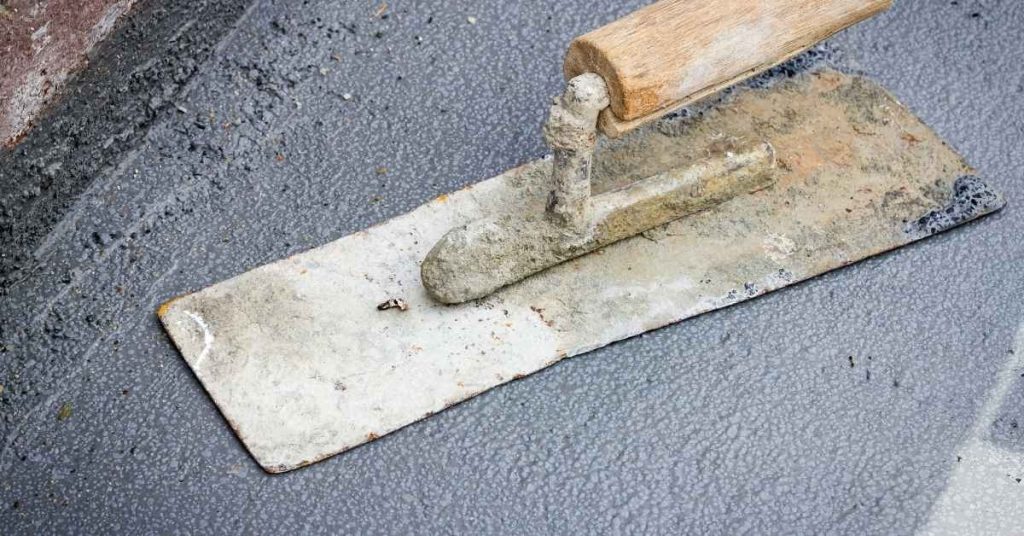
Metal float tool resting on gray parge coat surface

Parge Coat on Foundation Walls: Mix, Surface Prep, and Crack Control

Introduction A parge coat is a thin cement-like coating applied to foundation walls to seal, smooth, and protect them. This article walks you through the basics of mixing, prepping the surface, and controlling cracks so you can do it safely and effectively. You’ll tackle foundation wall prep, choosing a parging mix, and applying a thin,

Parge Coat on Foundation Walls: Mix, Surface Prep, and Crack Control Read More »

Concrete screeding tool smoothing wet concrete surface

Concrete Sand: Mason Sand vs Concrete Sand vs Play Sand (What Actually Works)

Introduction Concrete sand is the coarse, well-graded sand used in concrete mixes and as bedding material. Mason sand, concrete sand, and play sand differ mainly in texture, particle size, and how they compact. Knowing which to use depends on the job and what the sand needs to do in the mix or base. Mason sand

Concrete Sand: Mason Sand vs Concrete Sand vs Play Sand (What Actually Works) Read More »

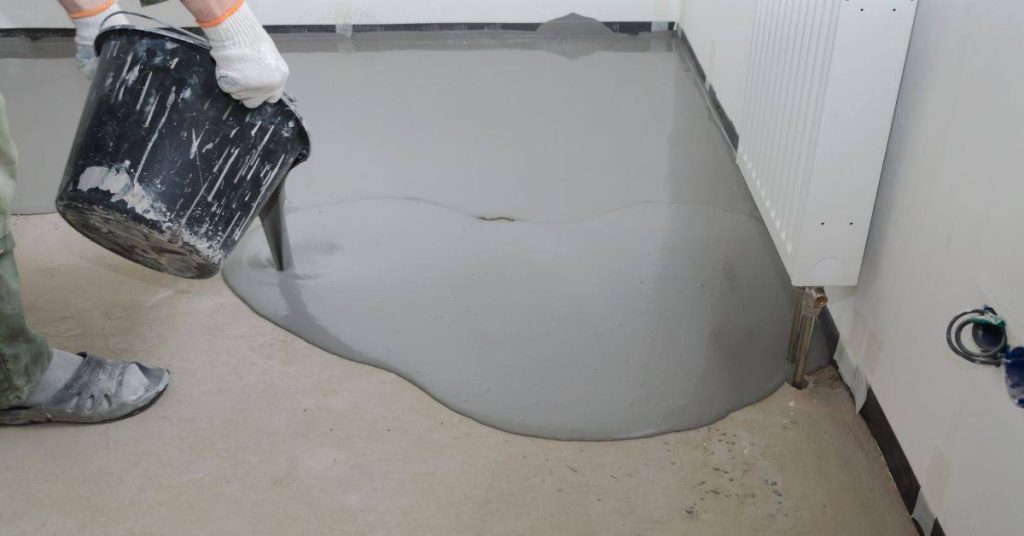
person pouring wet concrete on floor near radiator

Self-Healing Concrete Additives: What’s Real, What’s Marketing, and DIY Alternatives

Introduction Self-healing concrete is concrete that can seal small cracks on its own after curing. In practice, it uses embedded additives or microcapsules that release healing agents when cracks form. How well it works depends on your mix, curing conditions, and the product instructions you follow, so always read labels and follow manufacturer guidance. Self-healing

Self-Healing Concrete Additives: What’s Real, What’s Marketing, and DIY Alternatives Read More »

Close-up of concrete beams and columns supporting a bridge

Concrete Set Accelerator Dosage: How to Avoid Flash Set and Weak Surfaces

Introduction A concrete set accelerator is an additive used to speed up curing. Use it only when you understand the mix, time, and surface needs, and follow the product label. If in doubt, check the manufacturer instructions and local rules before proceeding. Too much or wrong timing can cause flash set and a weak surface.

Concrete Set Accelerator Dosage: How to Avoid Flash Set and Weak Surfaces Read More »

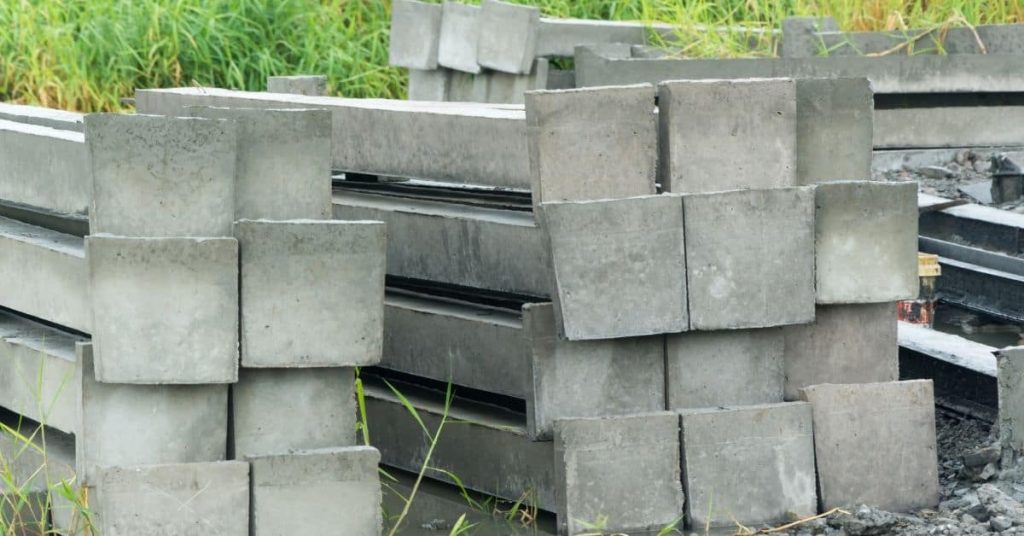
stacked precast concrete columns outdoors on grassy ground

Can You Use Calcium Chloride in Concrete? When It’s Allowed and When It’s a Bad Idea

Introduction Calcium chloride can speed up concrete setting, but it is not allowed for every mix or every job. For DIY pours, check product labels and local rules to know if it’s permitted. If you’re unsure, ask the supplier or code authority before using it on your project. In some cases it’s allowed, but in

Can You Use Calcium Chloride in Concrete? When It’s Allowed and When It’s a Bad Idea Read More »

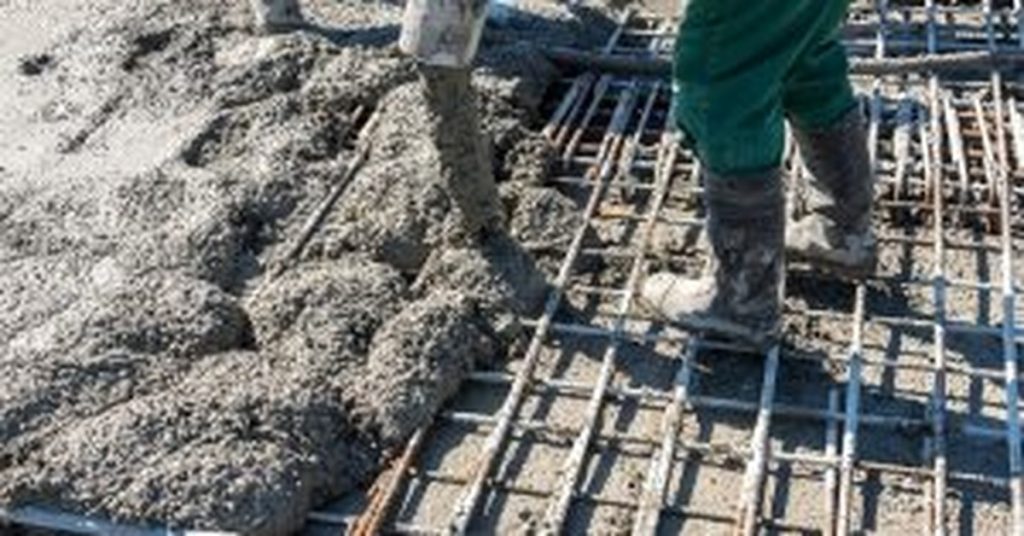
Worker pouring wet concrete over steel rebar grid

Accelerators for Concrete: Calcium Chloride vs Non-Chloride (Pros, Cons, Safety)

Introduction Calcium chloride accelerators are concrete additives that speed up early strength and set time. Non-chloride accelerators achieve similar hardening speed without using chloride salts. Both types aim to help a pour gain strength sooner, but they behave differently in practice. Calcium chloride can cause discoloration and may contribute to steel corrosion if moisture and

Accelerators for Concrete: Calcium Chloride vs Non-Chloride (Pros, Cons, Safety) Read More »

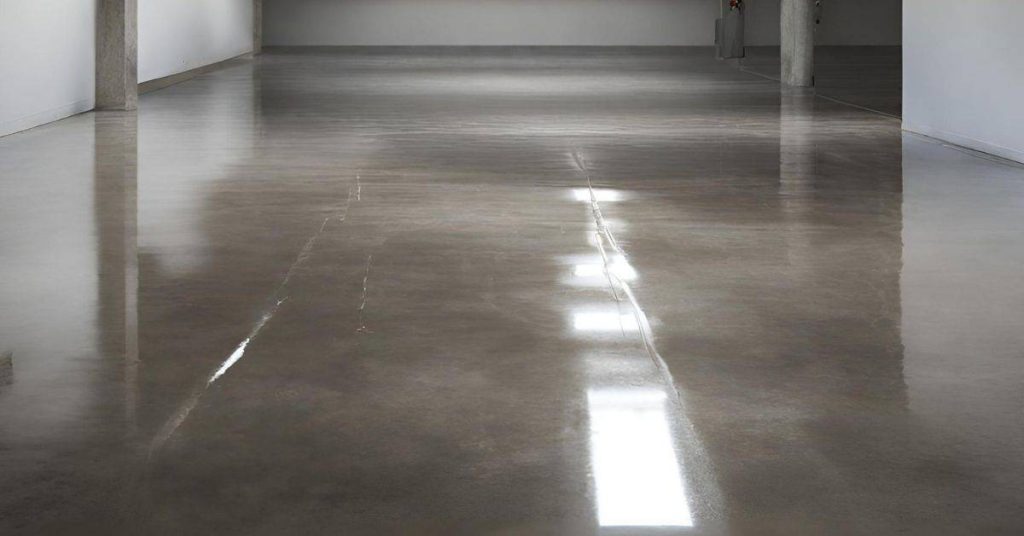
Polished concrete floor reflecting overhead lights

Polished Concrete Stain Protection: Guards, Resealing, and Maintenance That Works

Introduction Polished concrete stain protection is a practical plan to keep stains from soaking in and the surface looking good. It relies on guard methods, occasional resealing, and simple maintenance you can handle in a DIY project. This approach aims to slow wear, resist color change, and extend the life of the finish. To choose

Polished Concrete Stain Protection: Guards, Resealing, and Maintenance That Works Read More »