Concrete

Concrete is where I keep my step-by-step guides for planning, pouring, and finishing concrete projects.

Topics include base prep, forms, reinforcement, thickness, mixing and placing, finishing, curing, sealing, and long-term durability. I also cover troubleshooting—what to do when concrete cracks, scales, dusts, or cures unevenly.

If you’re new to concrete, start with the planning and prep articles. They prevent most of the expensive mistakes.

Metal formwork panels for concrete pouring

Concrete Countertop Reinforcement: Steel vs Glass Fiber vs Carbon (What Works)

Introduction Concrete countertop reinforcement is choosing between steel, glass fiber, or carbon fiber to improve strength and crack resistance. In practice, steel is traditional and familiar, but it requires careful corrosion protection and placement so it doesn’t rust in a damp finish. Glass fiber mesh and carbon fiber options can save weight and simplify installation, […]

Concrete Countertop Reinforcement: Steel vs Glass Fiber vs Carbon (What Works) Read More »
close up of textured stamped concrete floor surface

Concrete Stain Sealer Peeling: Why It Happens and How to Recoat Correctly

Introduction Peeling is when a previously applied stain sealer lifts, flakes, or dulls away from the concrete surface. This usually happens when the sealer didn’t bond well, or when the surface wasn’t prepared or conditioned properly. In DIY terms, you’ll often see peeling after weathering, moisture, or mismatched coatings. To recoat correctly, start with a

Concrete Stain Sealer Peeling: Why It Happens and How to Recoat Correctly Read More »

Close-up of cracked concrete surface with multiple fissures

Cold-Applied Crack Fillers: Which Ones Work and Which Wash Out

Introduction Cold-applied crack fillers are products you can apply at room temperature to seal cracks without using heat. Key takeaways Choose filler types by crack width, substrate, and expected movement. Verify weather suitability and cure times against manufacturer instructions before mixing. Prepare surfaces: clean, dry, and free of loose material prior to application. Apply with

Cold-Applied Crack Fillers: Which Ones Work and Which Wash Out Read More »

Close-up of rough gray concrete wall surface

Backer Rod Sizing: How to Pick the Right Diameter for Concrete Joints

Introduction Backer rod sizing is choosing the right diameter to fit behind concrete joints before filling. For DIY projects, pick a diameter that fits the joint and leaves a small gap for the sealant. Always check the product label or manufacturer instructions for the recommended diameter for your joint, and measure the actual gap on

Backer Rod Sizing: How to Pick the Right Diameter for Concrete Joints Read More »

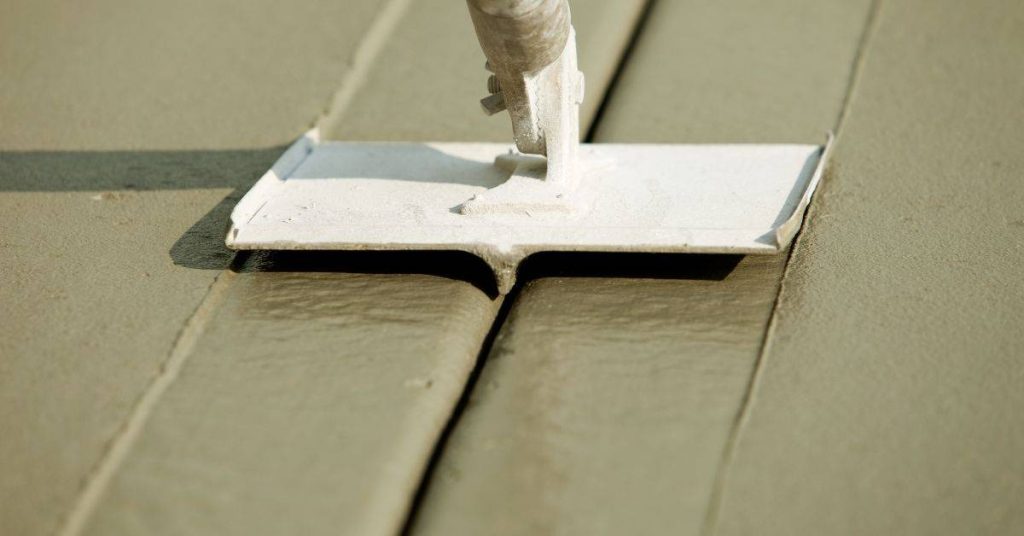
Tool smoothing fresh concrete joint on pavement

Concrete Joint Sealant: Polyurethane vs Silicone (Where Each Belongs)

Introduction Polyurethane and silicone are two sealing options for concrete joints, each suited to different jobs. Polyurethane tends to be tougher and more resistant to movement, while silicone seals stay flexible longer in some conditions. This article compares when to use each, in plain terms you can apply at home. There are practical restrictions to

Concrete Joint Sealant: Polyurethane vs Silicone (Where Each Belongs) Read More »

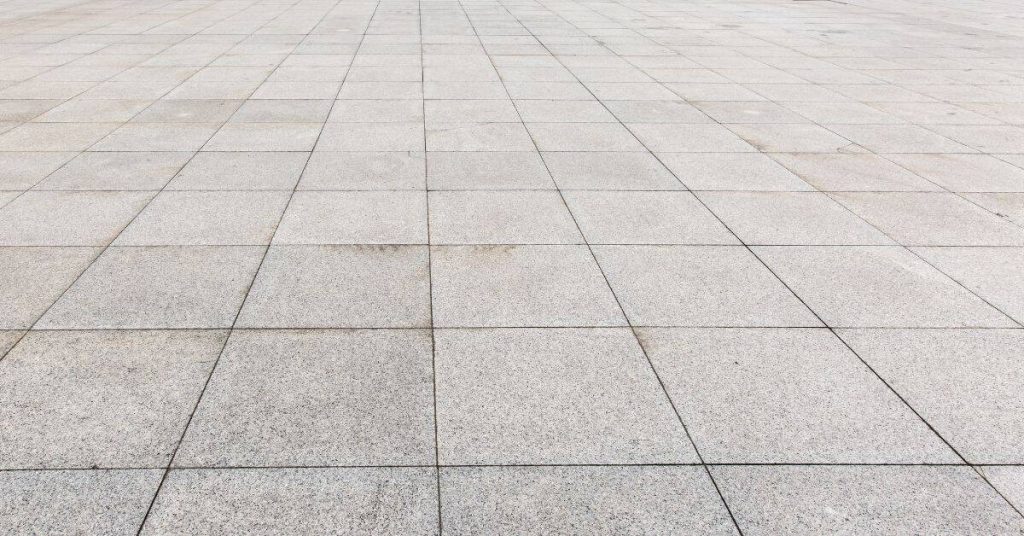
grey concrete paving slabs arranged in grid pattern

Tree Root Damage to Slabs: When to Cut Roots and When to Rethink the Tree

Introduction Root damage to slabs occurs when tree roots grow under a concrete slab and start cracking, heaving, or lifting it. This article explains how to spot signs and decide whether cutting roots is a reasonable DIY step or if you should rethink the tree. It keeps things practical and hands-on, not academic. Look for

Tree Root Damage to Slabs: When to Cut Roots and When to Rethink the Tree Read More »

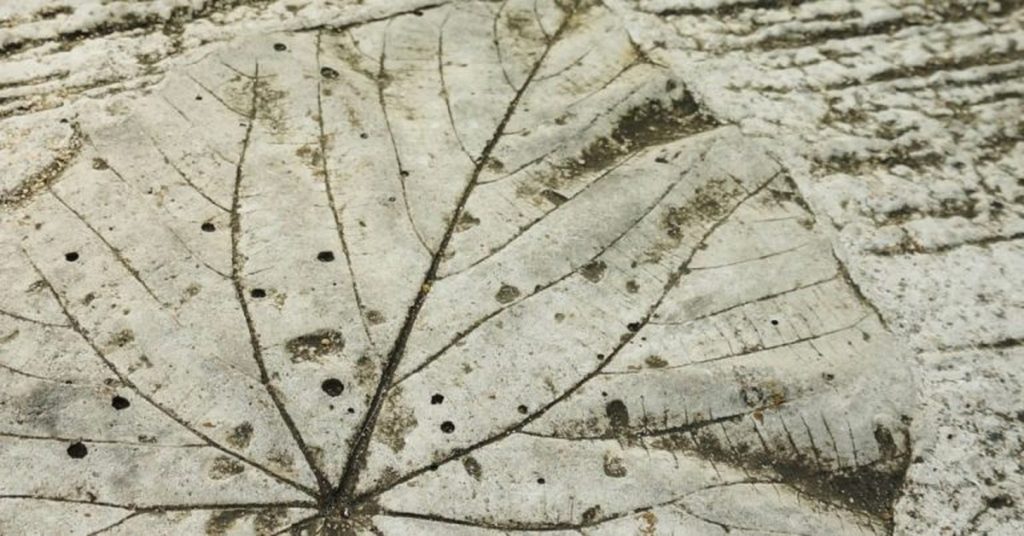
Leaf imprint and stains on a concrete surface

Leaf Stains on Concrete: Why They Happen and How to Remove Them

Introduction Leaf stains on concrete happen when plant pigments and minerals transfer to the surface. Over time moisture and contact from fallen leaves let tannins and pigments seep in, creating dark or discolored patches. Understanding why helps you pick a safe, effective DIY approach. For removal, start with simple home remedies and gentle scrubbing, then

Leaf Stains on Concrete: Why They Happen and How to Remove Them Read More »

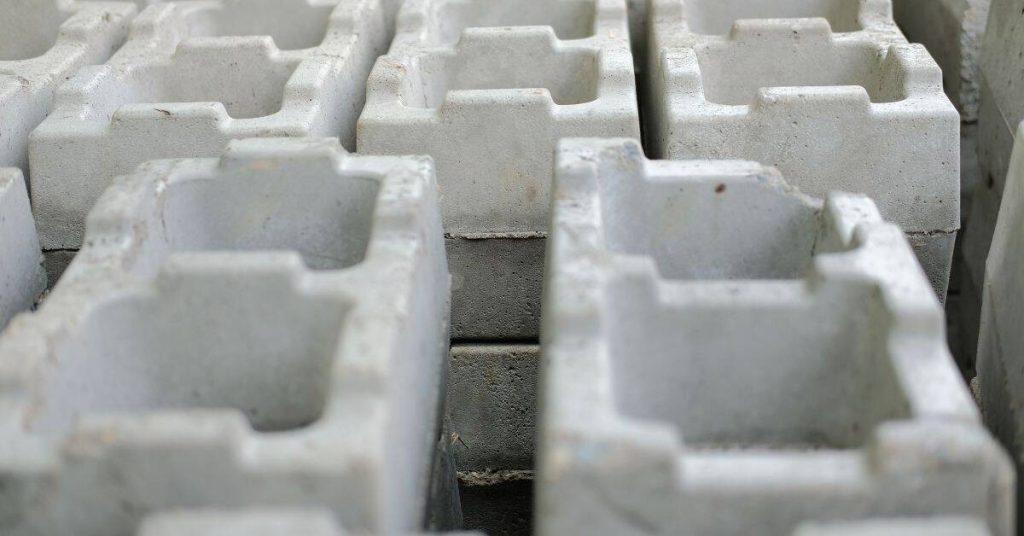
Stacked concrete blocks arranged closely together

Oil Stains on Concrete: Poultices, Degreasers, and Why Some Stains Return

Introduction Oil stains on concrete are marks from spilled oil that soak into the surface and can reappear after cleaning. This article walks you through poultice cleaners, degreasers, and why certain stains keep returning. It’s written for a hands-on DIY approach, with plain language and practical steps you can try. You’ll learn how to apply

Oil Stains on Concrete: Poultices, Degreasers, and Why Some Stains Return Read More »

close up of gray concrete surface with visible cracks

Routing and Sealing Cracks: When a “V-Groove” Helps and When It Doesn’t

Introduction Routing and sealing cracks means cutting a V-shaped groove along the crack and sealing it to prevent further movement. It’s a technique that can help when the crack is stable and the substrate is sound, but it isn’t right for every crack or situation. Consider crack size, movement, and the surrounding material before choosing

Routing and Sealing Cracks: When a “V-Groove” Helps and When It Doesn’t Read More »