Concrete

Concrete is where I keep my step-by-step guides for planning, pouring, and finishing concrete projects.

Topics include base prep, forms, reinforcement, thickness, mixing and placing, finishing, curing, sealing, and long-term durability. I also cover troubleshooting—what to do when concrete cracks, scales, dusts, or cures unevenly.

If you’re new to concrete, start with the planning and prep articles. They prevent most of the expensive mistakes.

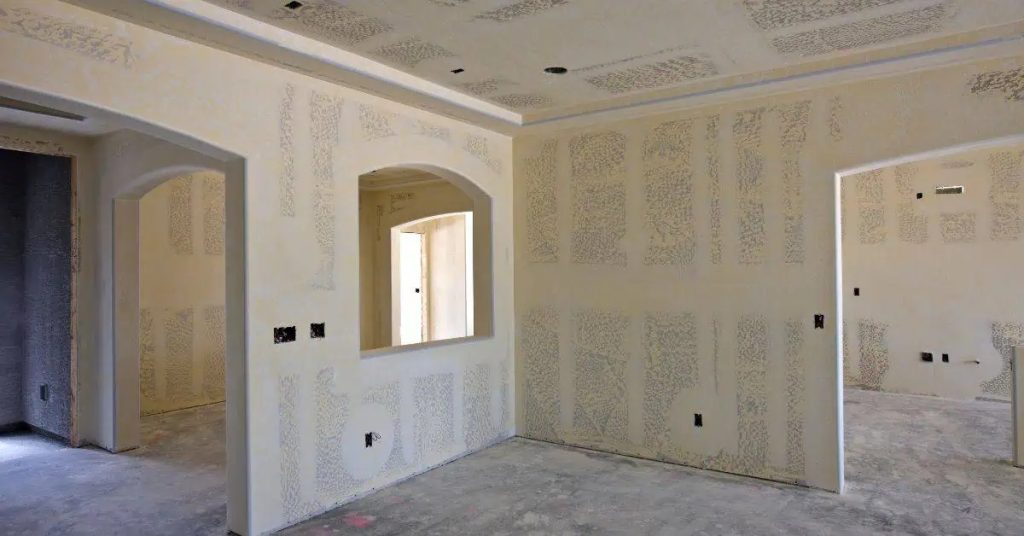
Room with drywall installed and joint compound patches visible

Repairing Raveled Joints: Rebuilding joint edges without creating a weak strip

Introduction Repairing raveled joints means rebuilding the edge of a concrete joint where the surface material has torn loose, without creating a weak, thin strip. Raveling happens when the joint edge flakes or spalls and exposes loose material that won’t hold up under movement. This is a hands-on job: you’ll remove the loose stuff, clean […]

Repairing Raveled Joints: Rebuilding joint edges without creating a weak strip Read More »

Black freestanding bathtub on dark concrete floor

Concrete Under Heavy Shelving: Load distribution and avoiding point-load cracking

Introduction Concrete under heavy shelving means the floor must spread a concentrated weight over a larger area to prevent cracking. In plain terms, a point load is a high force on a small spot that can pinhole or crack the slab. This is a practical, hands-on issue you’ll manage by checking how the load sits

Concrete Under Heavy Shelving: Load distribution and avoiding point-load cracking Read More »

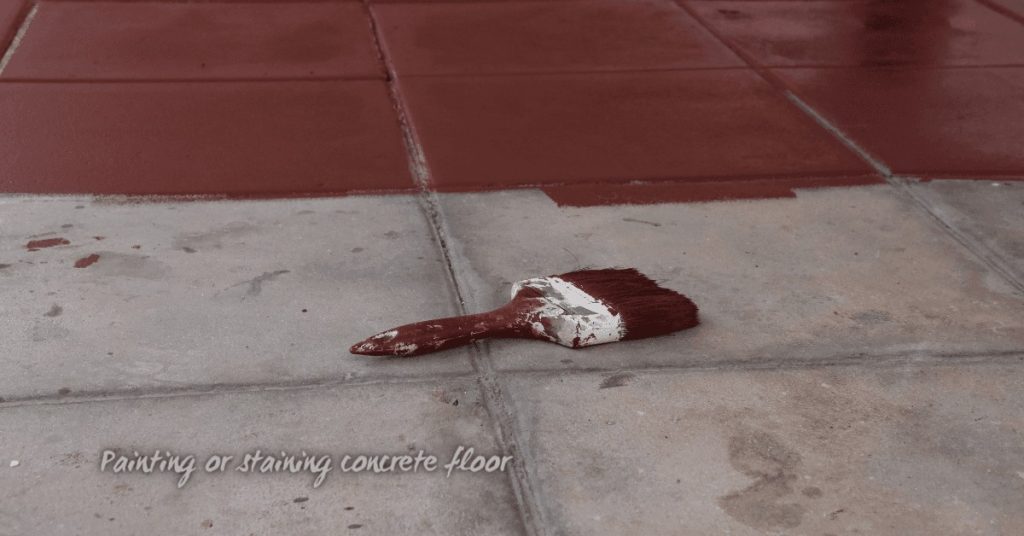
Paint brush resting on concrete floor tiles with red paint

Painting Concrete Block Basements: Preventing flaking and chalking

Introduction Painting concrete block basements is applying a coat of paint designed to bind to masonry and protect from moisture and wear. A good job starts with prep to stop flaky paint and chalky residues from coming back. Check your local rules and product instructions for compatible primers and finishes. Begin with a clean, dry

Painting Concrete Block Basements: Preventing flaking and chalking Read More »

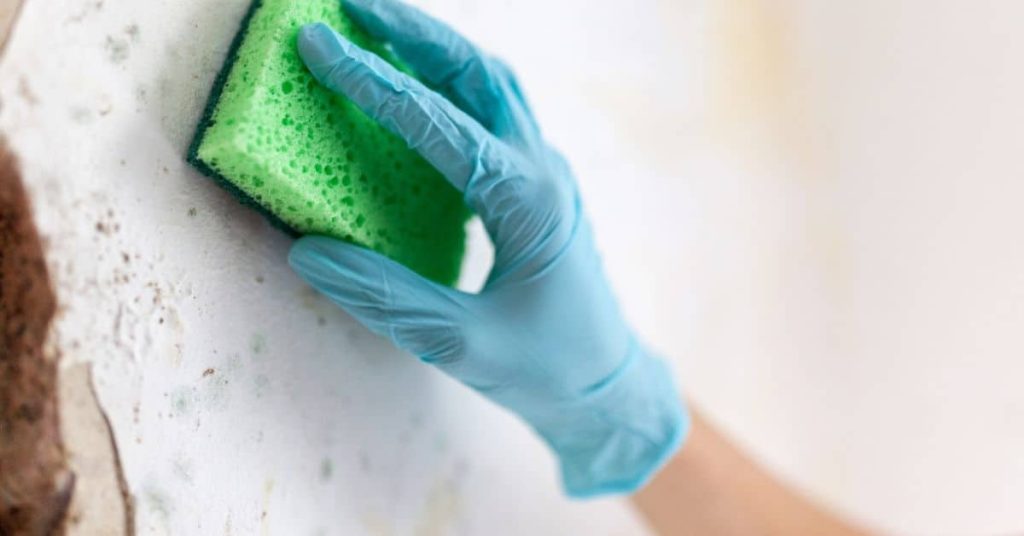
Gloved hand scrubbing white concrete wall with green sponge

Concrete Paint Prep: Cleaning, profiling, and drying for adhesion

Introduction Concrete paint prep is the process of cleaning the surface, creating a slight profile for the paint to grip, and ensuring it dries cleanly before coating. This hands-on approach helps adhesion and long-lasting results, not just a quick splash of color. Check the surface condition, the moisture level, and follow the paint label for

Concrete Paint Prep: Cleaning, profiling, and drying for adhesion Read More »

Unfinished basement with concrete block walls and wooden ceiling

Basement Dehumidifier Sizing: What Capacity You Need and Where to Place It

Introduction Sizing a basement dehumidifier means choosing the unit that matches the space’s moisture load. In practical terms, pick a model that can run enough to maintain comfortable humidity without overworking. Check the label or instructions for the capacity and coverage, and match it to your basement conditions. Start by checking current humidity levels and

Basement Dehumidifier Sizing: What Capacity You Need and Where to Place It Read More »

Modern living room with grey couch and concrete floor

Concrete Floor Vapor Emissions: Why Some Sealers Fail Even on “Dry” Slabs

Introduction Vapor emissions are moisture moving through a concrete floor and can undermine sealers. Even slabs labeled “dry” can give off moisture that needs to be addressed. You’ll want a practical plan for diagnosing and dealing with that moisture before sealing. Before sealing, verify the slab is truly dry and compatible with the sealer you

Concrete Floor Vapor Emissions: Why Some Sealers Fail Even on “Dry” Slabs Read More »

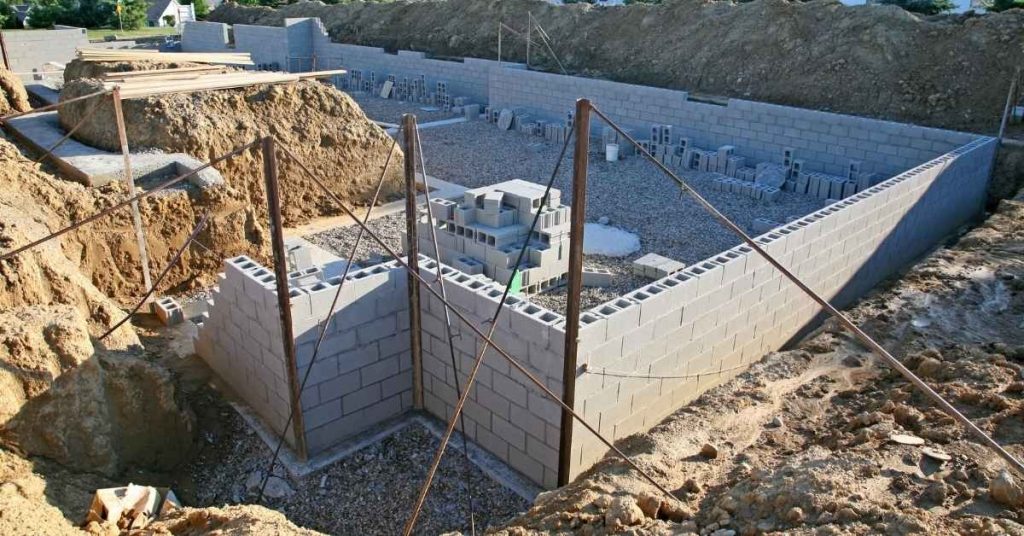
Partially built block wall foundation at construction site with dirt mounds

Radon Sealant Choices: What Sticks to Poly Vapor Barriers

Introduction Radon sealants are products designed to bond to poly vapor barriers and help block radon movement. Choose one based on surface compatibility, curing behavior, and how it behaves on smooth plastic. Consider the features and physical properties, like adhesion, elasticity, and moisture tolerance, to see what fits your setup. Always read the label for

Radon Sealant Choices: What Sticks to Poly Vapor Barriers Read More »