Concrete

Concrete is where I keep my step-by-step guides for planning, pouring, and finishing concrete projects.

Topics include base prep, forms, reinforcement, thickness, mixing and placing, finishing, curing, sealing, and long-term durability. I also cover troubleshooting—what to do when concrete cracks, scales, dusts, or cures unevenly.

If you’re new to concrete, start with the planning and prep articles. They prevent most of the expensive mistakes.

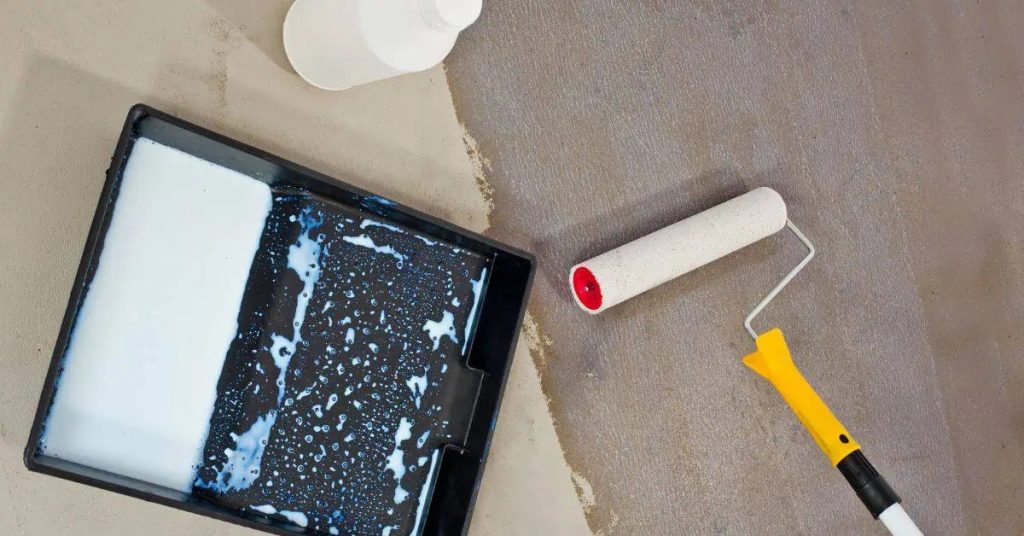
Paint roller and tray with white primer on concrete floor

Etching on Concrete Countertops: Fixing dull spots without changing sheen

Introduction Etching on concrete countertops is the process of lightly abrading the surface to restore or adjust the sheen in dull spots. It’s a hands-on fix you can do with basic tools. Start by identifying dull spots, then prep the area by cleaning and protecting surrounding surfaces, and check any product or finish labels for […]

Etching on Concrete Countertops: Fixing dull spots without changing sheen Read More »

Workers pouring wet concrete into a wooden form

Pouring Concrete in Two Lifts: How to avoid a weak plane between pours

Introduction Pouring concrete in two lifts means placing the slab in two separate sessions to build up thickness while ensuring a solid joint. Work carefully so the second lift bonds to the first without forming a weak plane. Keep the site organized and follow the manufacturer’s guidance for timing and preparation. The key is proper

Pouring Concrete in Two Lifts: How to avoid a weak plane between pours Read More »

Metal skeleton frame of a concrete structure under blue sky

Concrete Footings in Loose Soil: Keeping holes from collapsing and contaminating mix

Introduction Concrete footings in loose soil are foundations that hold the hole open and the concrete clean while it sets. In practice, you deal with collapses, water, and soil that wants to fall in, so you carefully support the bore and keep the mix free of mud. This article explains practical, hands-on approaches you can

Concrete Footings in Loose Soil: Keeping holes from collapsing and contaminating mix Read More »

Red brick pavers being laid on sand base with masonry tools

Concrete Pads on Clay Soil: Base prep that reduces settlement and cracking

Introduction Concrete pads on clay soil require a proper base prep to minimize settlement and cracking. The base should be clean, graded, and compacted to create a stable, drainage-friendly surface. If you’re unsure about soil conditions, check with local rules or a product label for guidance on acceptable fill and compacting methods. Understanding what causes

Concrete Pads on Clay Soil: Base prep that reduces settlement and cracking Read More »

closeup of drill bit breaking concrete surface

Setting Posts in Concrete: How to avoid the ‘water cup’ rot trap

Introduction Setting posts in concrete helps keep them straight and protected from rot by sealing the base. This quick intro covers practical steps to avoid the water cup rot trap and finish a solid, long-lasting post setup. You’ll learn what to check and how to handle common DIY spots without getting overwhelmed. Look at the

Setting Posts in Concrete: How to avoid the ‘water cup’ rot trap Read More »

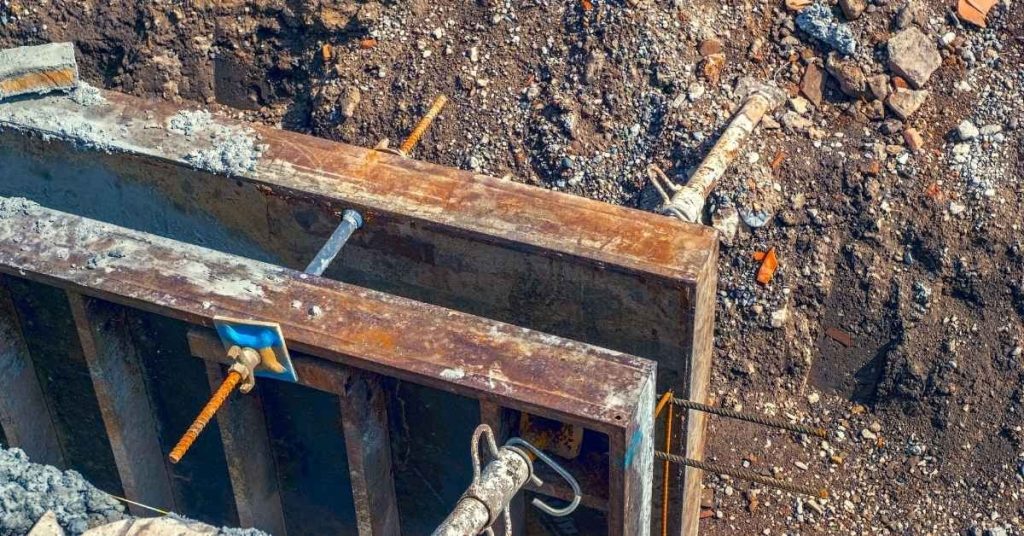
Concrete formwork secured with metal rebar anchors

Concrete Anchors Loosening: Why it happens and how to lock them in

Introduction Concrete anchors loosen when the fastener and substrate settle or when vibration undermines the grip. Common causes include movement in the concrete, improper installation, or under-tightening. Check the installation steps and load conditions to see what might be off. Preventing loosening comes down to clean prep, proper seating, and maintaining tension in joints. Consider

Concrete Anchors Loosening: Why it happens and how to lock them in Read More »

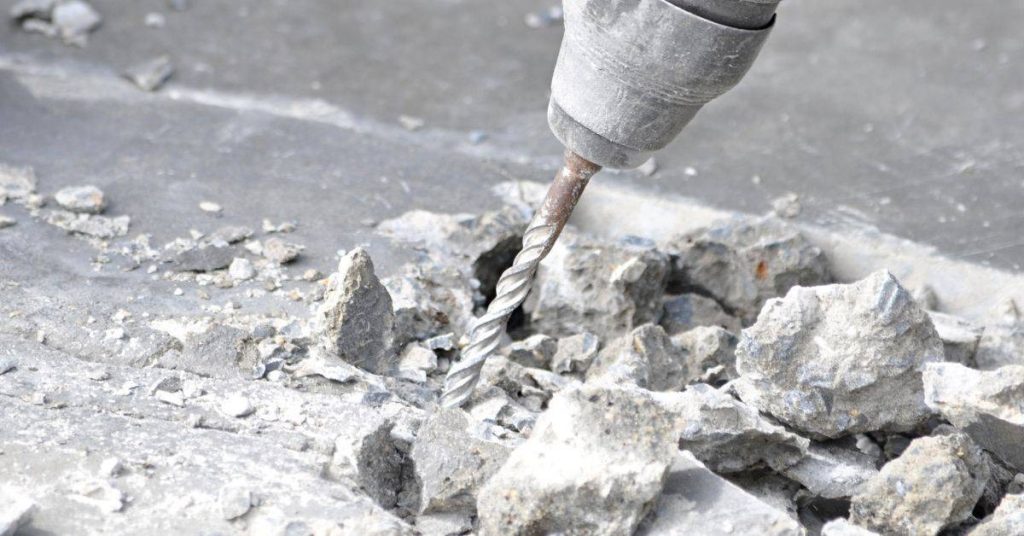
Close-up of a spiral drill bit drilling into concrete surface

Drilling Concrete Cleanly: Preventing surface spalls and blowouts

Introduction Drilling concrete cleanly means making precise holes without chipping the surrounding surface. Start by assessing the job and marking hole locations clearly, so you know exactly where to drill. Keep the area clean and set up a stable work surface to reduce wobble as you begin. Choose drill settings and approach carefully, deciding between

Drilling Concrete Cleanly: Preventing surface spalls and blowouts Read More »

Concrete slab construction with wooden formwork and steel rebar

Concrete Drainage Without Demo: Small slope fixes that actually move water

Introduction Concrete drainage without demo means guiding water away from the area by tweaking existing surfaces, not tearing out concrete. It’s a practical, hands-on approach that relies on small slope tweaks, edge shaping, and surface detailing. Check local rules and the product labels to ensure your method is allowed. Map out a simple plan for

Concrete Drainage Without Demo: Small slope fixes that actually move water Read More »

Construction worker cutting joint in brick wall with a hand saw

How Deep to Saw Control Joints: Depth rules that reduce random cracking

Introduction Control joints should be cut to relieve concrete stress and reduce random cracking. They are planned gaps that let the slab crack in a controlled way rather than at random spots. Depth matters, and you should follow guidance from the product labels or manufacturer instructions and local rules. There are different ways to make

How Deep to Saw Control Joints: Depth rules that reduce random cracking Read More »