Concrete

Concrete is where I keep my step-by-step guides for planning, pouring, and finishing concrete projects.

Topics include base prep, forms, reinforcement, thickness, mixing and placing, finishing, curing, sealing, and long-term durability. I also cover troubleshooting—what to do when concrete cracks, scales, dusts, or cures unevenly.

If you’re new to concrete, start with the planning and prep articles. They prevent most of the expensive mistakes.

Metal concrete formwork panels assembled at construction site

Tapcon Screws in Concrete: When They Strip and How to Get Real Holding Power

Introduction Tapcon screws are concrete screws designed to bite into hardened concrete. They tend to strip when the hole is too large or when the screw is driven without a clean, bored hole and straight alignment. That makes it hard to hold heavy fixtures and requires careful installation. To get real holding power, start with […]

Tapcon Screws in Concrete: When They Strip and How to Get Real Holding Power Read More »

Red-handled tool smoothing fresh concrete surface

Can You Use Hot Tap Water in Concrete: Set Control Without Flash Set

Introduction Hot tap water can affect concrete set, but it is not a reliable method for controlling flash set. Mixing with hot water can lead to uneven setting and create thermal stresses in the mix. Always check manufacturer guidance and local rules before using hot water in mixes. Using hot water introduces risks to strength,

Can You Use Hot Tap Water in Concrete: Set Control Without Flash Set Read More »

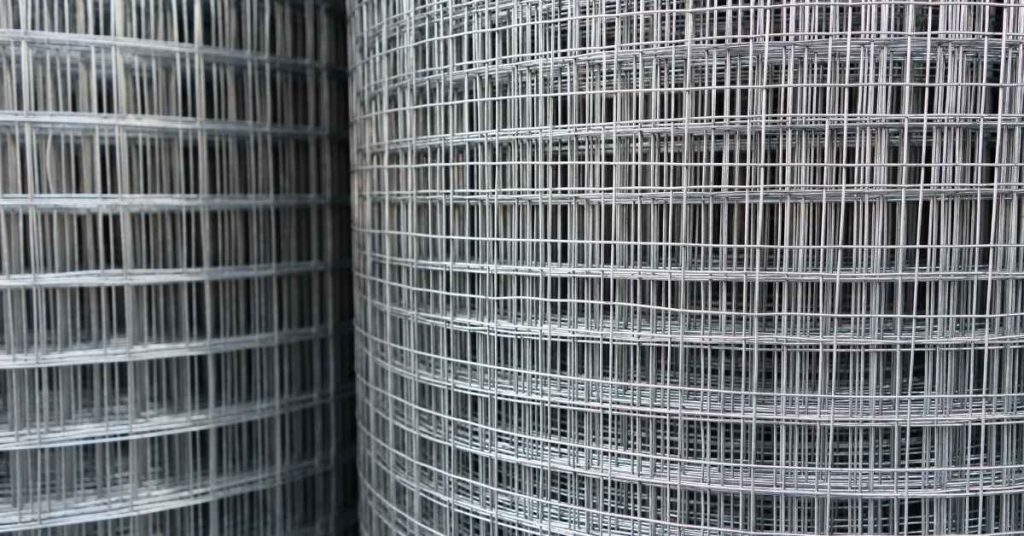
Close-up of two rolls of metal wire mesh

Fiber + Wire Mesh Together: When It’s Redundant and When It Helps

Introduction Fiber + wire mesh together is a reinforced concrete setup where fibers help control cracking and mesh provides added structural distribution. Redundancy can mean extra fibers or extra mesh ends up overlapping; watch for overcomplicating the pour. Combining fiber with mesh can help in slabs with control joints or poor soil, but it can

Fiber + Wire Mesh Together: When It’s Redundant and When It Helps Read More »

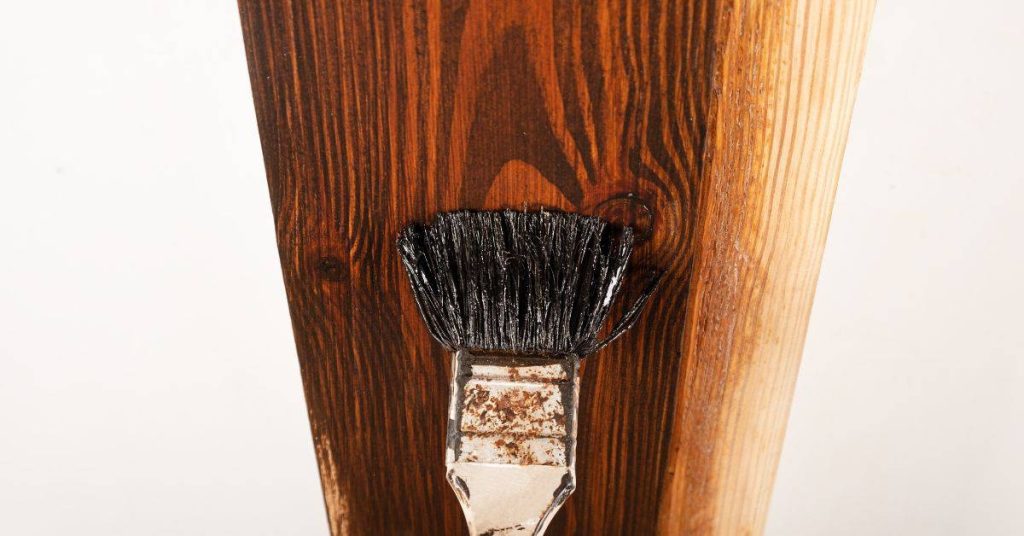
Paintbrush applying dark varnish to wooden plank

Coating Over Damp Wood Near Concrete: Why Blisters Form and Better Breathable Systems

Introduction Blisters form when moisture underneath the coating pushes through and splits the film over damp wood near concrete. You’ll see raised bubbles or pockets as the coating tries to cure in a wet, alkaline environment. Work is risky if you skip drying and proper surface prep. Look for breathable coating options and follow proper

Coating Over Damp Wood Near Concrete: Why Blisters Form and Better Breathable Systems Read More »

Person painting a metal pipe white near wooden floor and radiator

Painting Over Chalky Fiber Cement: Cleaning Thresholds and Primer Choices

Introduction Painting over chalky fiber cement means you must remove, neutralize, and prime a rough, powdery surface before any paint sticks. Rinse and scrub the surface to remove chalk, dust, and debris. Choose a primer that keys to the chalky layer and a weatherproof topcoat, and follow label directions. Watch for signs like flaking, chalking,

Painting Over Chalky Fiber Cement: Cleaning Thresholds and Primer Choices Read More »

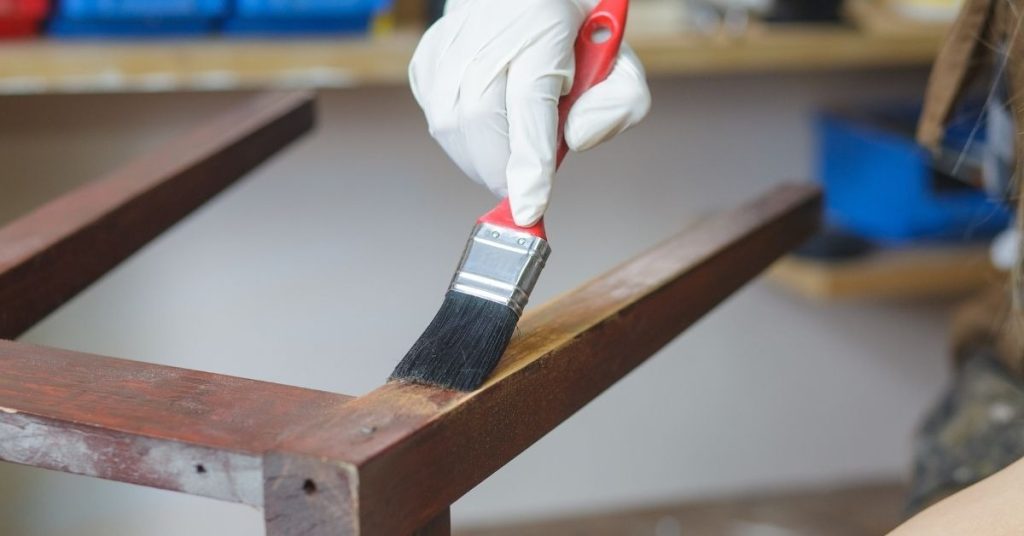
Hand with glove applying varnish on wooden frame with paintbrush

Concrete pH Testing for Coatings: Cheap Strips, Proper Wetting, and Interpreting Results

Introduction pH testing for concrete coatings is a quick check to determine if the surface is ready for adhesion. The test helps you know whether the concrete is clean enough or if pretreatment is needed before applying coatings. This guide keeps it practical and hands-on, not a lab procedure. Use inexpensive pH test strips and

Concrete pH Testing for Coatings: Cheap Strips, Proper Wetting, and Interpreting Results Read More »

Colorful plastic zip ties in white yellow green and orange

How to Use Plastic Sheet Tests Correctly: Condensation vs Darkening and What Each Means

Introduction A plastic sheet test is a simple DIY method to observe whether moisture on a concrete surface is from condensation or from darkening. You place a clear plastic sheet on the surface for a set period and check for fogging or dampness under the sheet. Use it as a quick check during finishing work,

How to Use Plastic Sheet Tests Correctly: Condensation vs Darkening and What Each Means Read More »

Person pressure washing smooth concrete patio surface

How to Tell If Concrete Is Too Smooth to Coat: Simple Adhesion Checks Before You Prime

Introduction Too smooth concrete resists adhesion and can fail after priming. This article shows simple checks to decide if the surface needs profiling. Roughening helps primers bite into the surface and create a lasting bond. Start with cleaning, then roughen the area using a grinder, wire brush, or sanding pad and clean away dust. Do

How to Tell If Concrete Is Too Smooth to Coat: Simple Adhesion Checks Before You Prime Read More »

Concrete floor grinding machine preparing surface near wall

Concrete Surface Prep for Coatings: How to Hit the Right Profile Without Over-Grinding

Introduction A proper surface profile is the texture and cleanliness of concrete that coatings need to bond. Before applying anything, clean the floor thoroughly to remove oils, dust, and contaminants. Profiling options like shot blasting or diamond grinding are used to create the key texture; choose based on the concrete and the coating. After blasting

Concrete Surface Prep for Coatings: How to Hit the Right Profile Without Over-Grinding Read More »

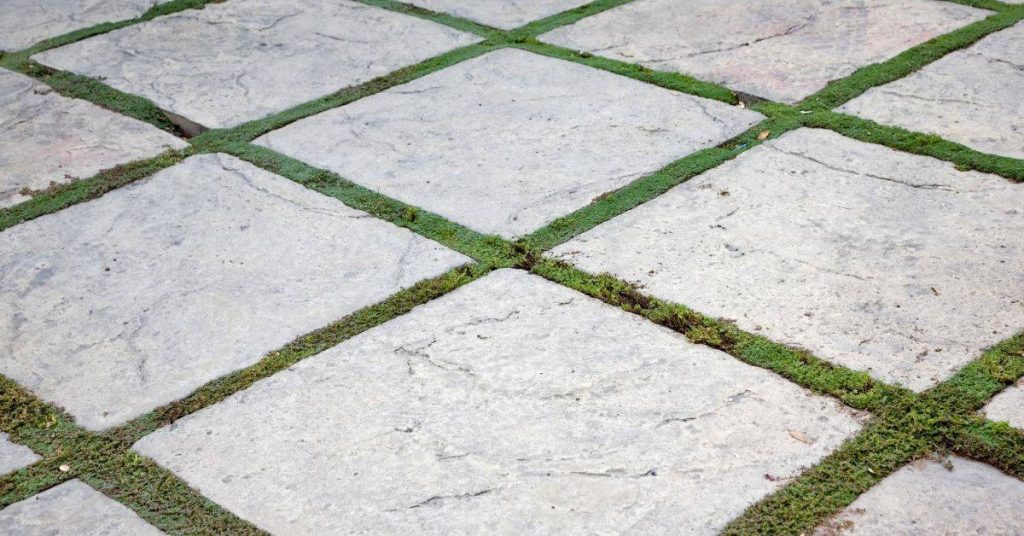
Gray square stone pavers with green moss-filled joints

How to Hide Control Joints Visually: Layout Tricks That Look Intentional

Introduction Control joints are planned gaps in concrete that you hide with layout tricks to look intentional. This article covers simple, hands-on steps you can follow on your own slab without fancy equipment. Think lines, patterns, and edges that camouflage joints while staying within manufacturer instructions and local rules. Start by choosing a location that

How to Hide Control Joints Visually: Layout Tricks That Look Intentional Read More »