Brick & Block

Brick & Block covers practical how-to guides for masonry projects, from small repairs to building simple walls.

You’ll find articles on mortar basics, mixing and tooling joints, setting bricks/CMU blocks, fixing cracks, and common beginner mistakes. I focus on real-world steps and materials that actually work on site.

If you’re planning a brick, block, or mortar project, start here and work your way through the basics before you jump into the more specialized guides.

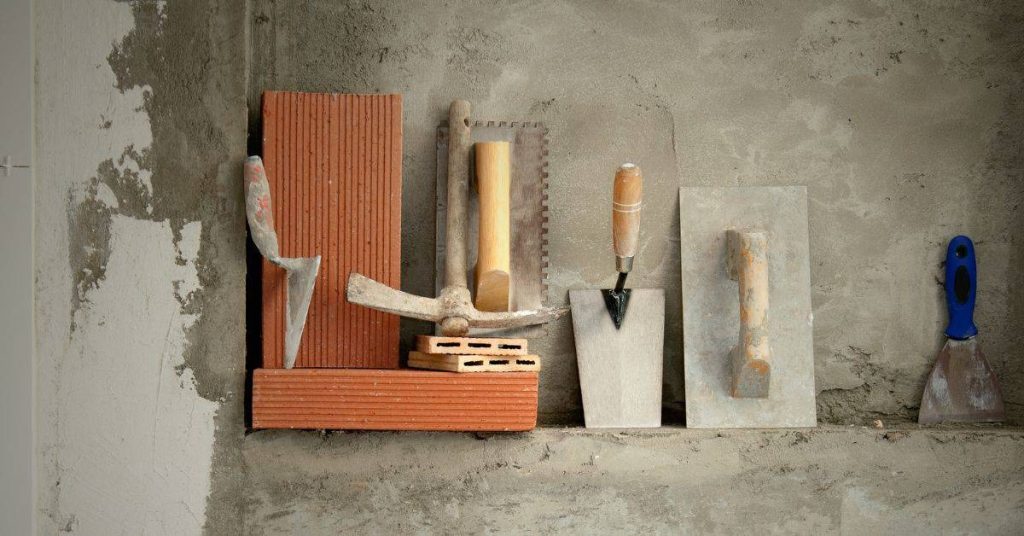
Masonry tools with bricks and cement on unfinished wall

Acid cleaning brick and masonry: test patches, neutralizing, and safer alternatives

Introduction Acid cleaning brick and masonry is the process of using a chemical acid to remove surface buildup and stains from brick or stone. Muriatic acid is a common option, but it poses serious health and material risks and must be handled with care. Always verify manufacturer instructions and local rules before use. Safe application […]

Acid cleaning brick and masonry: test patches, neutralizing, and safer alternatives Read More »
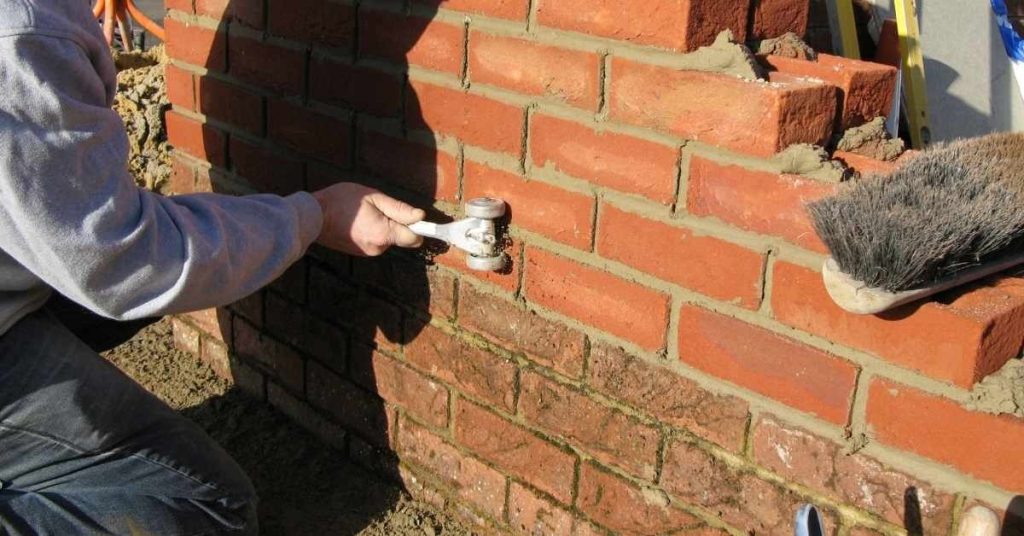
Person using roller tool on brick wall joints

Freeze-thaw on brick patios: bedding, drainage, and joint fill that survives

Introduction Freeze-thaw on brick patios is how water trapped in bedding, joints, and brick itself can thaw and refreeze, driving cracking and loosening. This article explains practical signs and approaches for bedding, drainage, and joint fill that can survive freeze-thaw cycles. It is written in a hands-on, plain-language style to help you plan and execute

Freeze-thaw on brick patios: bedding, drainage, and joint fill that survives Read More »

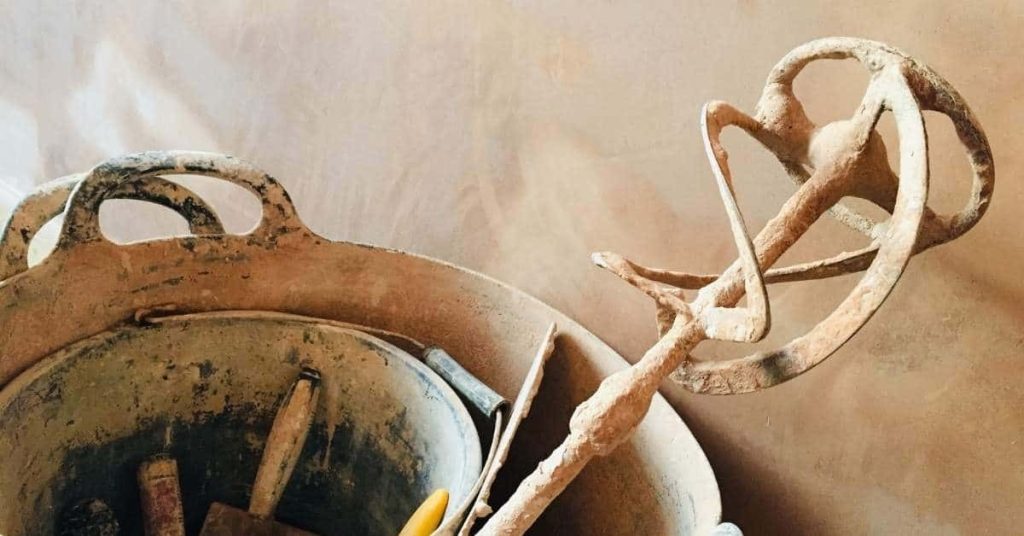
Old mixing bucket with mortar mixer tool inside

Too-hard brick mortar damage: signs, causes, and how to correct future repairs

Introduction Too-hard brick mortar damage is damage that results when the mortar in a wall has become excessively hard and brittle, leading to cracks and bond failure. Signs include visible cracks between bricks, loose or hollow-sounding joints, and bricks that push or tilt out of place. It often stems from over-tamped or overly aggressive mixes,

Too-hard brick mortar damage: signs, causes, and how to correct future repairs Read More »

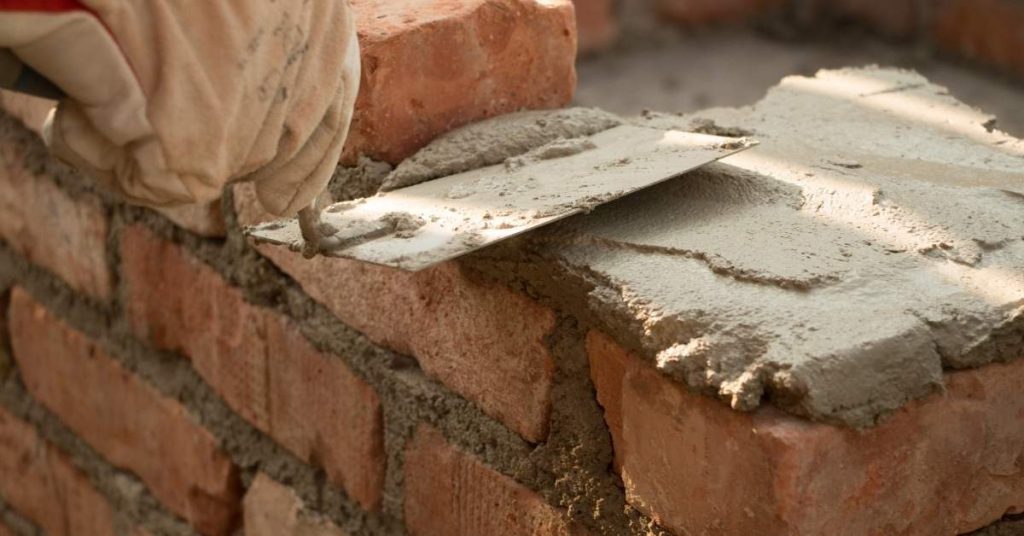
Gloved hand applying mortar on brick wall with trowel

Repointing brick mortar: matching hardness and color without damaging the units

Introduction Repointing brick mortar is the process of renewing the mortar between bricks to restore structure, weatherproofing, and appearance. It involves removing deteriorated mortar and packing in new mortar that bonds to the bricks. This is a hands-on repair that requires choosing the right mix and applying it carefully to avoid damaging the units. To

Repointing brick mortar: matching hardness and color without damaging the units Read More »

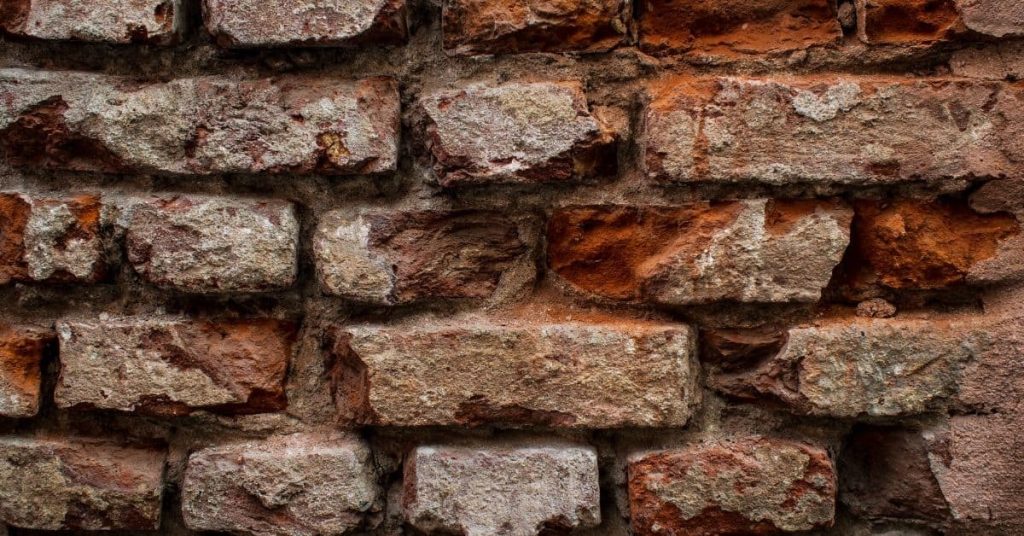
close-up of weathered red brick wall with mortar joints

Raking out brick joints safely: depth targets and avoiding chipped arrises

Introduction Raking out brick joints safely means removing deteriorated mortar from between bricks to a controlled depth while protecting the surrounding masonry. This hands-on task requires the right tools and steady technique to avoid damaging arrises. A sensible approach focuses on safe depth targets and careful removal to prevent chipping. Choose appropriate tools designed for

Raking out brick joints safely: depth targets and avoiding chipped arrises Read More »

Wooden boathouse on stilts over calm water at dusk

Choosing brick joint profiles: concave, flush, struck—how each sheds water

Introduction Brick joint profiles are the shapes formed where bricks meet mortar, influencing water shedding from a wall. Understand how each profile behaves in wet conditions to make an informed choice based on your climate and maintenance routine. Concave joints: Shed water along the mortar surface. Flush joints: Sit flat, providing a smooth finish but

Choosing brick joint profiles: concave, flush, struck—how each sheds water Read More »

concrete block basement wall wooden stairs hand tools hanging

Winter salt and brick efflorescence: how de-icing habits show up on your walls

Introduction Winter salt use and brick efflorescence are the mineral deposits and moisture issues that appear on brick walls due to de-icing salts moving through the masonry. This article explains how everyday snow and ice removal can affect joints and surface finishes. You’ll learn how to spot the signs and why maintaining joints matters. Watch

Winter salt and brick efflorescence: how de-icing habits show up on your walls Read More »

close-up of weathered rough red brick wall texture

Cleaning soot on brick fireplaces: products that won’t etch and how to avoid streaks

Introduction Soot on brick fireplaces can be cleaned safely with non-etching cleaners and careful scrubbing. Soot is a byproduct that can stain surfaces and leave a dusty film. Choose cleaners labeled gentle for masonry and follow the product directions. Gather soft brushes, sponges, and a bucket of warm water, and avoid abrasive pads that can

Cleaning soot on brick fireplaces: products that won’t etch and how to avoid streaks Read More »

Worker laying red bricks with mortar on wall

Triage for spalling brick: temporary stabilisation vs when to call a mason

Introduction Triage for spalling brick means quickly assessing danger and choosing between temporary stabilization and arranging professional help. Spalled brick signs include chipped or flaking surfaces, exposed core, and cracking mortar. In this article, we outline practical steps you can take to stabilize temporarily while you plan the next move. If instability is evident or

Triage for spalling brick: temporary stabilisation vs when to call a mason Read More »

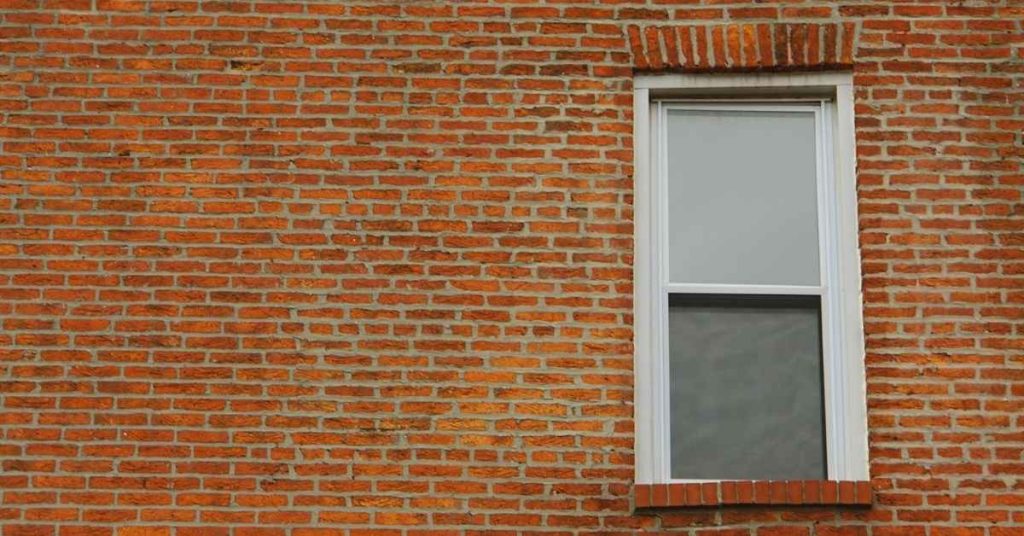
Brick wall with window and brick lintel above

Replacing a Rusted Brick Lintel: Supporting the Wall and Preventing Future Stains

Introduction Replacing a rusted brick lintel means removing the corroded support above an opening and installing a proper replacement to keep the wall carrying loads. Before you touch it, set up temporary shoring to hold the wall while you work, and inspect the surrounding brick and mortar for damage. Check local rules and the manufacturer’s

Replacing a Rusted Brick Lintel: Supporting the Wall and Preventing Future Stains Read More »