Brick & Block

Brick & Block covers practical how-to guides for masonry projects, from small repairs to building simple walls.

You’ll find articles on mortar basics, mixing and tooling joints, setting bricks/CMU blocks, fixing cracks, and common beginner mistakes. I focus on real-world steps and materials that actually work on site.

If you’re planning a brick, block, or mortar project, start here and work your way through the basics before you jump into the more specialized guides.

Stack of five red construction bricks outdoors on ground

First course layout for block walls: squareness checks and why corners decide everything

Introduction The first course layout establishes the baseline for squareness and corner alignment. Laying it out means marking where each block will sit and how the corners will meet. Getting this line right prevents future misalignment and saves work later. Check squareness by measuring diagonals across the intended corners and adjusting as needed. Mark the […]

First course layout for block walls: squareness checks and why corners decide everything Read More »
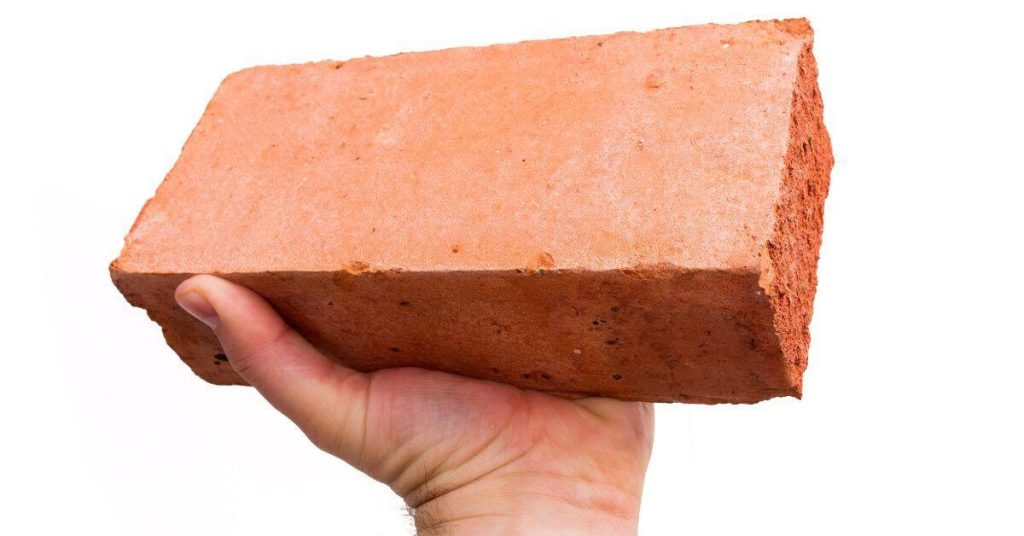
Hand holding a single red brick against white background

Block bond beams: what they do and clean ways to form them in the field

Introduction Block bond beams are horizontal reinforced concrete bands built into the top of block walls to tie sections together and resist bending. They help transfer loads to the foundation and keep the wall stable. In practice, they act as a continuous tie across the wall, improving overall strength. Common materials and forms for bond

Block bond beams: what they do and clean ways to form them in the field Read More »

Worker in hard hat and vest handling rusty rebar

Tying new block walls into old ones: rebar lap details that keep cracks away

Introduction Tying new block walls into existing ones involves overlapping rebar to create a continuous path for load transfer and crack control. This requires careful placement and proper lap details so the new and old walls behave as a single structure. Follow manufacturer guidelines and local building rules for lap length and rebar spacing. Plan

Tying new block walls into old ones: rebar lap details that keep cracks away Read More »

Hand holding a green drill drilling into a white brick wall

Can You Strengthen an Existing Block Wall With Grout Fill?

Introduction Filling the hollow cores of an existing concrete masonry unit (CMU) wall is not, by itself, a dependable strengthening method. A successful structural retrofit depends on the wall’s condition, continuous cells, reinforcement, connections to the footing and roof or floor, foundation capacity, actual loads, and the complete load path. In reinforced masonry, grout helps

Can You Strengthen an Existing Block Wall With Grout Fill? Read More »

Person drilling into a brick wall with a blue power drill

Common brick repair scams: what ‘miracle sealers’ can’t fix

Introduction Miracle sealers are scams that cannot fix brickwork. They may promise permanent repair of cracks, moisture, or damaged mortar, but they fail to address real defects. A straight, honest approach relies on proper assessment and proven repair methods. Before you start, understand what needs addressing and what a DIY repair can and cannot cover.

Common brick repair scams: what ‘miracle sealers’ can’t fix Read More »

Gray brick wall with visible mortar joints

Winter Brick Repointing: When to Proceed, Protect, or Wait

Introduction Winter repointing is possible only when the mortar, brickwork, weather, and protection plan all meet the requirements for the specific mortar system. Postpone work if the masonry is frozen, frost-, ice-, or snow-covered, waterlogged, exposed to active precipitation, or if you cannot maintain the documented conditions through the required protection period. A heated, weather-tight

Winter Brick Repointing: When to Proceed, Protect, or Wait Read More »

Closeup of red brick wall with mortar joints

Repairing brick mortar washout at grade: grading changes and sacrificial mortar choices

Introduction Repairing brick mortar washout at grade means restoring deteriorated mortar where the wall meets the soil and addressing shifts in ground moisture. The approach combines survey of damage with practical steps that respect historic materials and the effect of grading on moisture. It’s a hands-on task that requires careful observation and clear planning. Old

Repairing brick mortar washout at grade: grading changes and sacrificial mortar choices Read More »

old red brick wall with mortar joints and some white stains

How to spot failed brick flashing: stain trails, damp sheathing clues, and inspection points

Introduction Failed brick flashing shows up as moisture intrusion at joints, leaving stain trails and damp spots on the wall. It signals that water is not being directed away properly. You’ll want to look for signs of staining, softness, or peeling where the flashing meets the surface. In practice, inspect for moisture clues around manufactured

How to spot failed brick flashing: stain trails, damp sheathing clues, and inspection points Read More »

Close-up of stacked stone veneer wall in various brown shades

Brick veneer bulging: warning signs and why ‘just tuckpoint it’ is risky

Introduction Brick veneer bulging is when the outer brick layer appears to poke out or push away from the structure. This article focuses on what to watch for and why it matters in practical terms. It’s a hands-on topic, not a theoretical guide. Look for bulging along walls near openings, or where the veneer seems

Brick veneer bulging: warning signs and why ‘just tuckpoint it’ is risky Read More »

Close-up of weathered red brick wall with white deposits

Efflorescence on brick that keeps returning: stop the water path before you scrub again

Introduction Efflorescence is mineral salt deposits that reappear on brick when moisture moves through the wall. If it keeps returning, the moisture path through the masonry is still active. Stopping that path is the first step before you scrub again. Start by tracing where the water is coming from and address leaks, irrigation, or poor

Efflorescence on brick that keeps returning: stop the water path before you scrub again Read More »