

Introduction
If you’ve noticed that your beautiful brickwork has become dull from dirt, grime, and stains, you might be tempted to grab the strongest cleaning tool you can find. While power washing can bring back its shine, it’s important to be careful. The high-pressure water that makes power washing so effective can also cause problems, like eroded mortar and chipped bricks, if not used correctly.
Understanding how to power wash brick safely is key to enhancing your home’s exterior without causing damage. This article aims to give you the knowledge you need to tackle this task with confidence. Here’s what you can look forward to learning:
- The specific maintenance needs of brick surfaces and why they attract dirt and grime.
- A clear difference between power washing and pressure washing, two methods that are often confused.
- A step-by-step guide on how to power wash brick safely, avoiding any potential harm.
Why Is It Important to Maintain and Clean Brick Surfaces?
Brick is known for its durability and classic beauty, making it a popular choice for homes throughout history. However, like any material exposed to the elements, it needs regular upkeep. Neglecting brick can lead to unsightly mold and stubborn stains that take away from your home’s charm.
Addressing Common Concerns About Power Washing Brick
Many homeowners worry about the risks of power washing their brick surfaces. There are plenty of stories about bricks getting chipped or surfaces becoming more vulnerable after improper cleaning. But with the right knowledge and techniques, you can safely and effectively use a power washer on your brickwork.
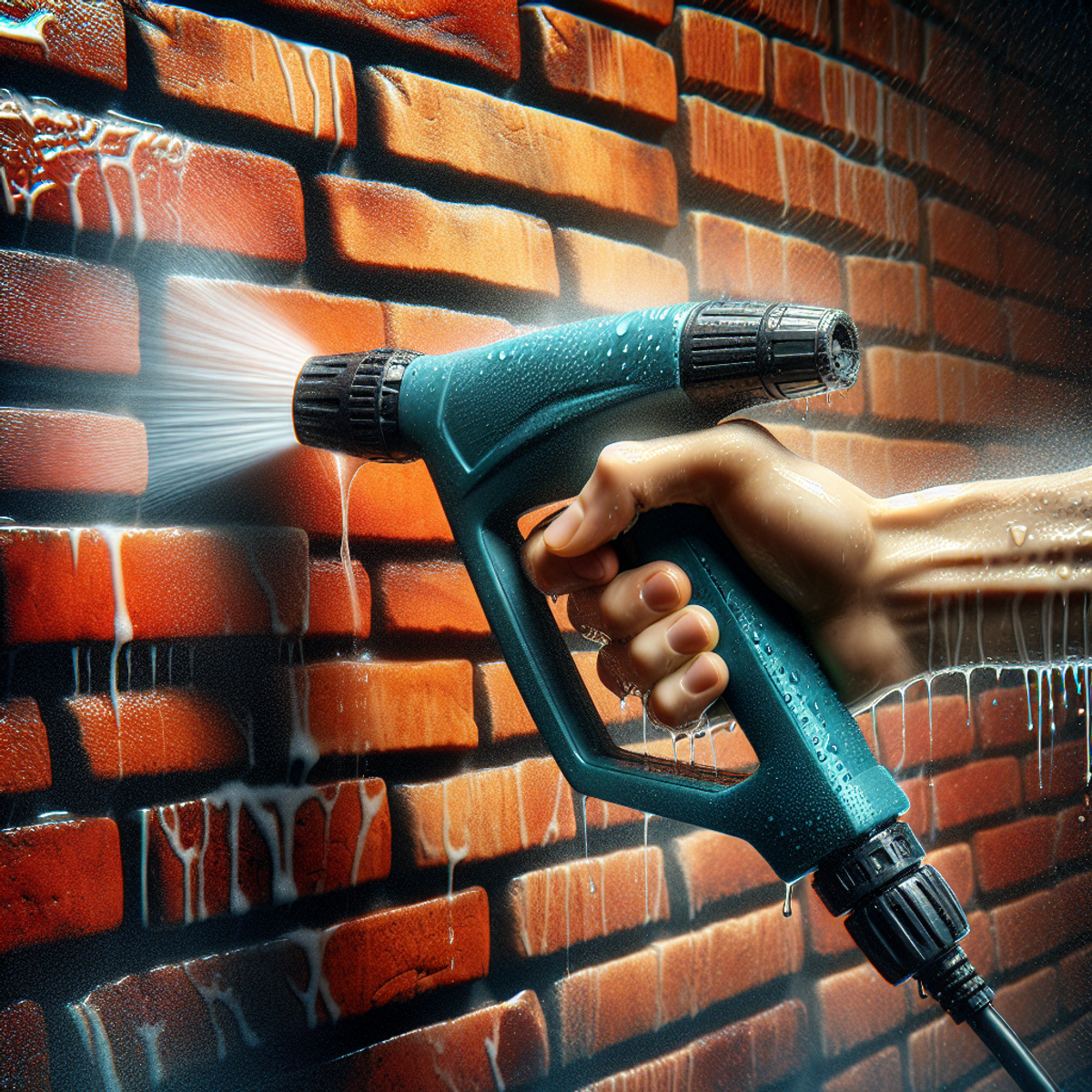
This article will serve as a complete guide on how to protect your investment by safely cleaning your brick surfaces with a power washer. You’ll learn:
- Understanding Brick Surfaces: Dive into what makes brick tough yet susceptible to certain… of wear and the importance of regular maintenance.
- Power Washing vs. Pressure Washing: Discover the key differences between these methods and which one is best for cleaning brick.
- Can You Power Wash Brick Without Causing Damage?: Get valuable tips on the risks involved and how to avoid them during the cleaning process.
By the end of this guide, you’ll have practical tips that ensure you can refresh your home’s exterior without risking damage from power washing. Let’s dive into how to safely power wash brick while keeping its integrity intact for years to come.
Understanding Brick Surfaces
Brick homes have a timeless charm, but they need regular care to keep looking great. If you don’t pay attention to them, bricks can attract mold and start to break down. Here’s what you need to know about maintaining your brick surfaces:
1. Use the Right Cleaning Products and Tools
Picking the right cleaning products and tools is key for taking care of your bricks. Here are some must-haves:
- Wire brush: Great for getting rid of tough stains.
- Specialty cleaners: Choose products made just for brick; they clean well without harming the surface.
2. Understand How Bricks and Grout Work
Knowing how bricks and grout are made can help you keep them in good shape. Remember these points:
- Bricks are porous, which means they soak up moisture. This is important to think about when you plan to power wash.
- Grout, or mortar, holds the bricks together and can wear down if not cared for properly.
3. Be Aware of Dirt and Grime Buildup
The rough surface of bricks can collect dirt easily. Keep these factors in mind:
- The uneven texture of bricks traps dust and debris.
- Living near busy roads or factories can lead to more soot on your bricks.
- Bricks in drier areas may hold onto debris longer.
4. Watch Out for Mold and Mildew
Moist areas are perfect for mold and mildew, making brick surfaces especially at risk. Here’s what to watch for:
- Bricks that stay wet or in the shade are more likely to develop mold.
- Mold spores love organic materials, so dirt or debris on your bricks can attract them.
5. Make Maintenance a Priority
Caring for your bricks is important for keeping them looking nice and preventing damage. Here are some maintenance tips:
- Regularly check your bricks for any signs of wear or damage.
- Use gentle cleaning methods before thinking about power washing.
- Applying a sealant now and then can help protect your bricks from the weather.
By understanding these key points about brick maintenance, you’ll be better prepared to care for your home’s exterior and make informed decisions about cleaning methods.
Brick houses have a timeless charm, but they need regular upkeep to keep looking their best. If you ignore them, bricks can get moldy and start to break down. Here’s what you need to know about caring for your brick surfaces:
Power Washing vs. Pressure Washing: Choosing the Right Method for Brick Cleaning
Choosing the right cleaning method is important for keeping your brick surfaces looking great. Two popular options are pressure washing and power washing. Understanding how they differ, along with their pros and cons, will help you pick the best choice for your brick cleaning project.
Pressure Washing
This method uses high-pressure water to remove dirt, grime, and other unwanted stuff from surfaces. The power of the water is what makes it effective:
- Effectiveness: Pressure washing is great for getting rid of loose dirt, dust, and other easy-to-remove contaminants from brick surfaces.
- Force: This technique uses cold water at high pressure, usually between 1300 and 2800 pounds per square inch (PSI), depending on the power washer.
- Considerations: While it works well, pressure washing might struggle with tough stains or organic growth like mold and mildew.
Power Washing
On the other hand, power washing mixes heated water with high pressure for a deeper clean:
- Effectiveness: The combination of hot water and high pressure makes power washing better at tackling tough stains and organic materials like mold, algae, and mildew.
- Heat and Force: This method uses heated water under high pressure, making it more effective than pressure washing because the heat helps break down stubborn grime.
- Considerations: Even though it’s powerful, this method needs to be handled carefully. The high temperatures can cause damage if not used properly.
When deciding between these two cleaning methods for your brick, think about these factors:
- Condition of the Brick: If your bricks are newer and in good shape with little staining, pressure washing might be enough. But if there are bricks are older with visible stains and signs of organic growth, power washing is probably a better option.
- Level of Cleaning Needed: Look at how dirty your brick surfaces are. Light cleaning might only need pressure washing, while heavier buildup would benefit from the stronger cleaning power of power washing.
- Potential Risks: Both methods can be risky if not used correctly. High-pressure water can damage mortar joints or chip bricks, while the high temperatures in power washing can also cause unintended harm.
By thinking about these factors, you can make a smart choice about which informed decision about whether pressure washing or power method is best for your brick cleaning needs.
Remember to consider the condition of your bricks and how they are exposed to elements like moisture and shade, which can encourage mold and mildew growth. Regular maintenance is key to keeping your brick surfaces in good shape, as mentioned earlier.
Can You Power Wash Brick Without Causing Damage?
You may be wondering: can you power wash brick without causing damage? Absolutely! However, it’s essential to focus on technique and be aware of potential risks to ensure a safe cleaning process.
Understanding the Risks: Potential Damage During Power Washing
Power washing brick surfaces carries inherent risks. Being informed can help you mitigate these issues. Here are some common risks:
- Excessive pressure can harm the brick surface, leading to chipping, cracking, or spalling.
Tip: Maintain pressure at 800 PSI or lower for safe cleaning power.
- Incorrect nozzle usage can damage bricks; improper angles or distances may allow water to infiltrate mortar joints, causing erosion.
Tip: Maintain a distance of at least one foot and angle the nozzle at 45 degrees for optimal results.
- Certain cleaning agents can strip protective sealants from bricks, increasing susceptibility to moisture and stains.
Tip: Opt for detergents specifically formulated for brick cleaning to preserve protective layers.
Next, let’s examine common causes of damage during brick power washing:
High Pressure Misuse
As previously noted, excessive pressure can compromise bricks, leading to cracks that may affect their stability.
Nozzle Distance
Maintaining the correct distance between the nozzle and the brick is crucial. Holding it too close can inflict severe damage—akin to using a pickaxe on your brick!
Incorrect Cleaning Solutions
Harsh or inappropriate cleaning solutions can remove sealants, leaving bricks vulnerable to stains and moisture issues.
While power washing can be done without causing damage, understanding and managing risks is vital. By adjusting pressure, maintaining proper nozzle distance, and selecting suitable cleaning solutions, you can keep your brick surfaces in excellent condition.
Factors to Consider for Safe Power Washing of Bricks
When it comes to power washing brick safely, it’s not just about whether you can do it; it’s about how you do it. Yes, you can power wash safely with the right tools and techniques.
Using Appropriate Pressure and Technique
- Low Pressure Nozzle: Utilize a low-pressure nozzle to distribute water over a wider area, minimizing damage risk.
- Pressure Settings: Be cautious; high pressure can lead to chipping. Aim for around 800 PSI or lower, depending on the condition of your bricks.
- Test Area: Always test a small, inconspicuous area first to ensure your settings won’t harm the bricks.
- Technique Matters: Keep the nozzle 12-18 inches from the surface and use a steady sweeping motion to avoid concentrating pressure in one spot.
Assessing Brick Condition
- Age and Wear: Older bricks may be more fragile, so adjust your pressure settings accordingly.
- Surface Irregularities: Inspect for any existing damage that could worsen with high-pressure water.
Following Manufacturer’s Guidelines
- Always adhere to the manufacturer’s instructions for power tools and equipment to ensure safety and effectiveness.
- Familiarize yourself with maintenance tips for your power washer model; regular upkeep enhances performance.
Proper Equipment and Tools
To achieve optimal results without damaging your bricks, use professional-grade equipment tailored for the task:
- Nozzles: Select nozzles that allow for controlled water flow and spread. Different nozzles may be necessary for various areas and stains.
- Pressure Washer Type: Ensure your power washer can heat water if needed, especially for stubborn stains or growth.
Considering potential damage from power washing involves careful evaluation of these factors. By testing areas first and respecting the unique requirements of your brick surfaces, you can prevent unintended harm.
Bricks are durable, but they aren’t indestructible. When power washing, aim for thorough cleaning while being gentle. This approach will help maintain your home’s appearance and structural integrity. With meticulous preparation and execution, your brick surfaces can remain in excellent condition for years.
Step-by-Step Guide: How to Safely Power Wash Brick Surfaces
Power washing brick surfaces effectively removes dirt, grime, and stains. When done correctly, it keeps your brickwork looking appealing and robust. If you’re concerned about potential damage, rest assured! Can you power wash brick without causing harm? Yes! Here’s a complete guide on how to do it safely.
1. Prepare Your Equipment
Not all power washers are suitable for brick surfaces. Use an electric power washer set to low pressure (typically 800 PSI or lower) to safeguard your bricks.
Advantages of Pressure Washing Your Brick Home
Pressure washing your brick home isn’t just about looks; it’s key to keeping your property in great shape. Let’s explore the big benefits of regularly pressure washing your brick surfaces.
1. Boosts Curb Appeal
First impressions matter, and the outside of your home or business is super important. Here’s how pressure washing can make a difference:
- Eliminates stubborn dirt: Over time, bricks can collect a lot of dirt and grime. Pressure washing gets rid of these layers, revealing a clean and attractive exterior.
- Erases stains: Marks from pollution, bird droppings, and everyday wear can dull your property’s beauty. A good wash can bring back the original color and texture of your bricks.
- Illuminates the building: A freshly cleaned brick surface reflects more light, making your place look brighter and more inviting.
2. Preserves Structural Integrity
Keeping your brickwork strong is really important. Here’s how pressure washing helps your brick structures last longer:
- Inhibits mold growth: Mold and mildew can be ugly and can damage mortar and bricks if left alone. Pressure washing helps stop these problems.
- Removes harmful contaminants: Things like algae and acidic residues can weaken bricks over time. Regular cleaning is essential to keep these harmful elements at bay.
3. Extends Lifespan
How long your brickwork lasts depends a lot on how you take care of it. Here’s how pressure washing can extend the lifespan of your home helps:
- Prevents decay: By regularly removing things that cause decay, you help your brick surfaces last longer.
- Protects mortar joints: Keeping the mortar joints free from invasive plant life and moisture levels balanced helps them support the bricks effectively.
4. Enhances Property Value
When people look at a property, how well it’s maintained is really important. Pressure washing can have a big impact on property value:
- Increases property appeal: A well-kept brick home or building is much more attractive to potential buyers or tenants.
- Demonstrates care: Clean exterior surfaces show that you take good care of your property, suggesting that other areas are also well maintained.
5. Prevents Long-Term Damage
Keeping up with regular maintenance is key to preventing slow damage. Here’s why consistent cleaning is so important:
- Reduces weathering impacts: Bricks face the weather all the time—pressure washing helps lessen these effects.
- Minimizes wear and tear: Regularly getting rid of abrasive materials helps reduce overall wear on brick surfaces.
Understanding these benefits shows that pressure washing is more than just about looks; it’s an investment in your property’s health and strength. This practice keeps things beautiful while also making sure homes and buildings can stand up to time and the elements.
As you think about these benefits, remember that using the right techniques is crucial for getting great results without causing damage. With careful attention to the methods discussed earlier and an understanding of the value of pressure washing, you’re ready to make informed decisions about maintaining your brick surfaces shine.
Hiring a Professional Pressure Washer for Brick Cleaning: Is It Worth It?
When thinking about how to keep your brick surfaces looking great, you might wonder whether to clean them yourself or hire a professional pressure washer. Here are some important things to consider as you make your choice:
Expertise and Equipment
- Professional pressure washers have the right tools and know-how for different cleaning jobs.
- They know how to handle brick surfaces carefully, as they can be delicate and need special attention.
- With their advanced equipment, they can effectively remove dirt, grime, and other buildup without harming the bricks.
Time and Effort Savings
- Hiring a professional pressure washer saves you time and energy that you would spend cleaning.
- These experts take care of everything, from getting ready to doing the job, ensuring it’s done right.
- Thanks to their experience and efficient methods, they often finish the work faster than someone without that background.
Safety and Compliance
- A trustworthy professional company knows the local rules about pressure washing.
- They focus on safety for themselves, your property, and the environment by following these guidelines.
- By choosing a professional, you lower the chances of getting fines or other issues from improper cleaning methods.
When It Makes Sense to Hire a Pro
There are certain situations where hiring a professional really pays off:
- If your bricks are covered in mold or mildew, professionals can provide special treatments that you might not be able to do yourself.
- For older buildings with historic brickwork, it’s important to use gentle techniques to keep the bricks safe, and pros usually know how to do this well.
- If you have large areas to clean or several surfaces that need attention, professionals can handle the job more efficiently.
Choosing the Right Company
Here are some tips for finding a reliable pressure washing service:
- Do your research: Look for companies with good reviews, especially those that mention their skills in brick cleaning.
- Ask about their experience: Make sure the company has specific experience with brick surfaces, as cleaning them is different from other materials.
- Check their credentials: Find out if the company is licensed and insured, and if they have any certifications showing their dedication to quality work.
- Get estimates: Before you decide, ask for detailed estimates from several companies. This will help you compare their services and prices.
By keeping these points in mind, you can choose a professional pressure washing service that fits your needs and takes good care of your brick surfaces.

Conclusion
Power washing is a great way to clean brick surfaces, including brick pavers. It removes dirt, grime, and built-up debris, and can even take off paint from brick. Just be careful while doing it to avoid damaging the brickwork.
When you’re power washing, it’s important to use the right tools and techniques. A pressure setting of 800 PSI or lower is usually best to protect both the bricks and the mortar. Before you start, fix any damaged mortar joints and cover all outdoor electrical outlets and windows. It’s also a good idea to soak the bricks with water before you apply any detergent.
After you’ve applied the detergent, rinse the bricks using a gentle spray to prevent any harm. For tough stains, using a rotary scrub brush before rinsing can help. Once the bricks are clean and dry, think about applying a brick and mortar sealant to keep them looking nice over time.
It’s important to find the right balance between cleaning well and keeping your brick surfaces strong:
Benefits of Power Washing:
- Effectively removes dirt, grime, and stains
- Can get rid of old paint
- Improves the overall look of your home
Considerations:
- Requires careful technique and knowledge
- Can cause damage if not done right
- Getting professional help might be needed for the best results
While it might be tempting to use maximum pressure for a deep clean, remember that you want to do more than just clean. Keeping your brick surfaces safe while making them look good is key.
This article has given you helpful tips for safely power washing your brick surfaces. Whether you’re cleaning dirt off your brick pavers or trying to remove old paint from a brick wall, using the right methods and precautions can really make a difference.
If you’re unsure about any part of the process, it’s smart to get professional help. Hiring a pro can save you time and effort while making sure your bricks are cleaned safely and effectively.
With this knowledge, you can confidently take care of your bricks through safe and effective power washing. And remember—if you’re ever in doubt, calling in the professionals is always a good idea. Your brick surfaces will thank you for the care!
FAQ
What should I do if my brick still looks dirty after power washing?
If your brick still looks dirty after cleaning, try using a specialized brick cleaner or do a second wash with a different nozzle for improved results.
How often should I clean my brick surfaces?
To keep your brick looking good and lasting longer, aim to clean it at least once a year, or more often if it’s in a spot that gets heavily stained or exposed to the elements.
Can I use chemicals when power washing my brick?
If you decide to use chemicals, make sure they are designed for brick and carefully follow the manufacturer’s instructions to prevent any damage.
What are the signs that my brick needs cleaning?
Signs that your brick needs cleaning include discoloration, mold growth, or a buildup of dirt and grime.