
Introduction
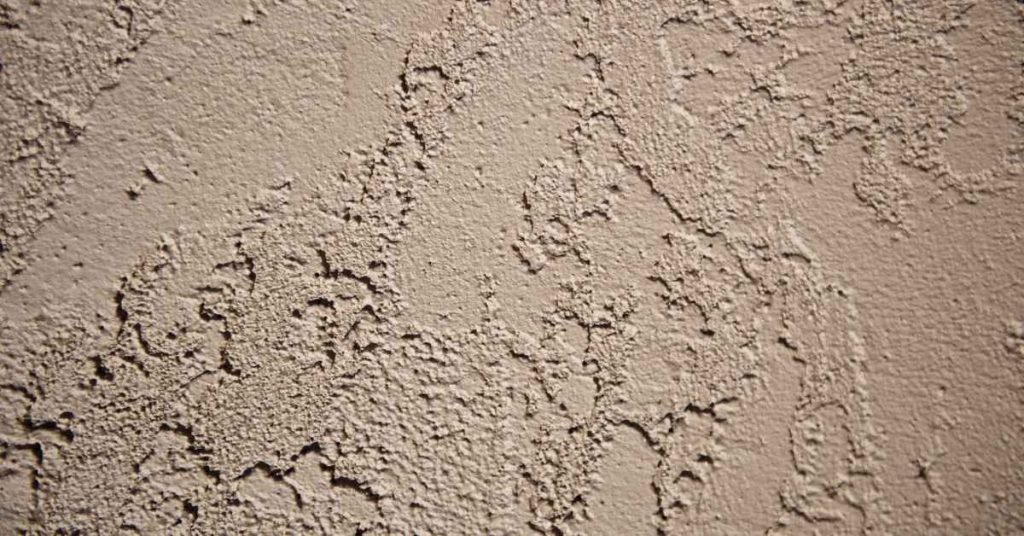
Blending stucco texture on large patches means creating a continuous, uniform surface that hides seams and avoids the “panel” look when sunlight hits the wall. This article keeps things practical for DIY homeowners, focusing on how to feather textures, work in stages, and check for consistent saturation. You’ll want to match the base coat, finish coat, and curing practices to avoid patchy results.
In practice, you have options that influence texture and shadow: natural coverings like stone veneer or climbing plants, or artificial coverings such as faux panels or vinyl siding. For a DIY approach, plan gradual feathering, test a small area, and follow manufacturer instructions and local rules to stay within code. If sunlight reveals seams, adjust the method by widening the feather edges and blending with a compatible texture tool.
Key takeaways
- Align texture from edge-to-edge to minimize visible seams in sun.
- Prepare a clean, sound substrate; fix cracks before large-area blending.
- Different stucco textures react differently to sunlight; plan transitions accordingly.
- Use compatible textures and keep tools ready to minimize visible lines.
- Consider natural or artificial coverings to blend large patches without harsh panels.
- Safety: wear eye/respiratory protection; work calmly to avoid accidental splatter.
Table of Contents
- Introduction
- Key takeaways
- Why the “Panel” Look Happens and When Blending Is Right
- Preparing the Surface for Large-Area Stucco Blending
- Types of Stucco Textures and How Each Behaves in Sunlight
- Tools and Materials Checklist for Large-Patch Blending
- Step-by-Step Blending Techniques to Avoid Seams
- Troubleshooting Common Mistakes and Sun-Revealed Defects
- Finishing, Coatings, and Long-Term Maintenance to Preserve the Blend
- Project Planning and Cost Considerations for Large-Scale Blending
- Conclusion
- FAQ
Why the “Panel” Look Happens and When Blending Is Right
The panel effect shows up when edges of new texture catch the eye as a seam. Drying differences and sun direction create color shifts and micro-texture shadows that reveal where patching occurred. Understanding these visual cues helps you decide if blending is the right move.
Use a simple diagnostic: inspect under different light and at multiple distances, and run a small test patch to gauge edge visibility and drying behavior. Criteria for blending versus full re-stucco include surface integrity, how much mismatch exists, and whether the repair will blend with typical sun angles for the location. Document variables like patch size, texture type, and substrate condition to guide the decision.
What creates visible seams and shadow lines
When sunlight hits stucco at low angles, it accentuates any slight variations in texture or color. This is what causes those unwanted seam lines and shadow effects that make your patch stand out.
The main culprits are:
- Texture differences: Even minor variations in the size of aggregate or application technique can show up under sunlight.
- Color shifts: Drying rates can cause slight color changes between new and old stucco.
- Tool marks: Any visible trowel or float marks from your repair will be magnified by sunlight.
- Substrate offsets: Irregularities in the underlying surface can create subtle variations that show up as seams.
When to blend a patch vs. redo the entire field
Deciding whether to blend or replace your stucco depends on several factors:
Patch size and location: Small patches can often be blended successfully. But if it’s large, or in a prominent spot, consider full replacement.
Substrate condition: If the underlying surface is damaged or unstable, blending might not hide the issues. Full re-stucco could be necessary.
Texture and color mismatch: Minor differences can often be blended out. But if they’re significant, full replacement might be your best bet to maintain a uniform look.
Preparing the Surface for Large-Area Stucco Blending
This prep aims for a durable, even bonding surface that minimizes seam visibility when extending texture across a large area. A clean, stable base makes the final patch blend naturally in sunlight. Start with a clear plan for the surface you are about to modify.
Inspect for damage and note substrate type so you can address compatibility concerns before you begin. Cleaning and degreasing, edge keying, and repairing cracks set the stage for reliable adhesion. Plan for primer or bonding agents suited to the substrate, and protect nearby surfaces during the work sequence.
Inspection checklist and substrate repairs
Before diving into blending, ensure your surface is sound. Use this checklist to inspect for damage.
- Cracks: Check for hairline or larger cracks. Ignoring these can lead to patch failure.
- Delamination: Look for peeling or flaking stucco. This indicates poor adhesion.
- Moisture intrusion: Check for signs of water damage like stains or soft spots. Moisture ruins adhesion.
- Efflorescence: White, powdery deposits mean moisture is present and needs addressing.
- Loose material: Tap the surface; if it sounds hollow, remove loose stucco.
- Substrate type: Identify if it’s masonry, concrete, or existing stucco to choose compatible materials.
- Mesh/lath condition: Check for damaged or missing mesh. Repair or replace as needed.
- Cracking at transitions: Inspect corners and edges for cracks. These need filling before blending.
Quick rule: If in doubt, repair or replace damaged substrate to prevent patch failure.
Primers, bonding agents, and environmental prep
Choosing the right primer or bonding agent is crucial for a durable blend. Consider these factors:
Use a bonding primer when blending new stucco onto old to ensure strong adhesion. For new surfaces, a regular primer suffices.
Bonding coats are necessary when blending large patches or different textures. Apply as directed for best results.
Temperature and moisture affect adhesion. Work in dry, mild conditions. Avoid applying when temperatures exceed 90°F (32°C) or fall below 50°F (10°C). Allow surfaces to dry thoroughly before blending to prevent failures.
Types of Stucco Textures and How Each Behaves in Sunlight
Common textures include smooth, dash, lace, sponge, and broom. Each texture responds differently to tool pressure and application technique, which affects the surface grain you see after curing. Knowing these variables helps you pick a texture that blends more easily.
Sunlight can accentuate or obscure texture depending on scale and shadowing. Consider how each texture hides seams under direct sun versus diffuse light, and plan patch testing to find a shared look. Use practical planning tips to minimize edge visibility and sequence your work to blend edges effectively.
Choosing a texture that minimizes panel visibility
The key to avoiding the ‘panel’ look is choosing a stucco texture that hides seams well under side-lighting. Here’s what you need to know:
Fine textures like smooth/trowel or dash/spray tend to reflect light more evenly, minimizing shadow lines. They’re great for large patches as they blend seamlessly with the existing surface.
Coarse textures like lace/skip, sponge, or broom create deeper shadows that can highlight seams under direct sunlight. Use them sparingly on large patches and consider blending edges carefully to avoid a ‘patchwork’ effect.
Mock-ups and test patches for accurate matching
Before diving into a large patch, it’s crucial to create mock-ups and test patches to ensure your chosen texture and color match the existing surface perfectly. Here’s how:
1. Choose the right time: Do your tests at different times of day, especially during the hours when sunlight might highlight seams.
2. Keep it small: Start with small test patches (around 2′ x 2′) to minimize waste and allow for easy adjustments.
3. Observe and adjust: Check your mock-ups under various lighting conditions. Adjust your texture application, color, or even the location of your patch if necessary until you achieve a seamless blend.
Tools and Materials Checklist for Large-Patch Blending
Organize tools by the phase: prep, mixing, application, finish, and cleanup, ensuring you can work smoothly across boundaries. Consistency in tool use helps prevent stitched seams in bright light. Have the right set for feathering, texturing, and final finishing ready.
Match materials for compatibility and batching, and plan for proper primer and bonding agents based on the substrate. Include mesh, patch compounds, and colorants, and keep safety gear and containment supplies on hand. Prepare for surface protection and workflow management to minimize texture irregularities from wind or dust.
Material types, specs, and mixing guidance
Before you start blending, ensure you’ve got the right materials. This checklist helps you pick and prep them.
- Stucco base type: Choose between cement-lime, acrylic, or EIFS based on your climate and desired finish.
- Mesh size: Select a mesh that matches your existing wall. Too small can tear; too large leaves gaps.
- Bonding agent: Use one to ensure new patch bonds well with old stucco.
- Colorant: Match the color of your existing stucco exactly for seamless blending.
- Stucco mix ratio: Follow manufacturer guidelines. Wrong ratios lead to poor adhesion, cracking, or delamination.
- Pot time: Respect pot times. Mixing too early or late affects texture and workability.
- Compatibility check: Ensure all materials are compatible. Incompatible materials can cause premature failure.
- Test patch: Always do a test patch to confirm color, texture, and workability match your existing wall.
Quick rule: Stick to manufacturer guidelines. They know their stuff.
Personal protective equipment and jobsite safety
Safety first! Here’s what you need before you start blending.
- Gloves: Wear them to protect your hands from cement burns and cuts.
- Eye protection: Safety glasses or goggles shield your eyes from debris and chemicals.
- Respirator: Use one when mixing or applying stucco to avoid inhaling dust or chemicals.
- Scaffold safety: Ensure your scaffold is level, secure, and has guardrails. Inspect before use.
- Weather limits: Avoid working in direct sunlight, high heat, or windy conditions for best results.
- Clothing: Wear long sleeves, long pants, and closed-toe shoes to protect your skin and feet.
- Tool maintenance: Keep tools clean and in good condition. Dirty or damaged tools can cause texture irregularities.
Quick rule: Never compromise safety for speed. It’s not worth the risk.
Step-by-Step Blending Techniques to Avoid Seams
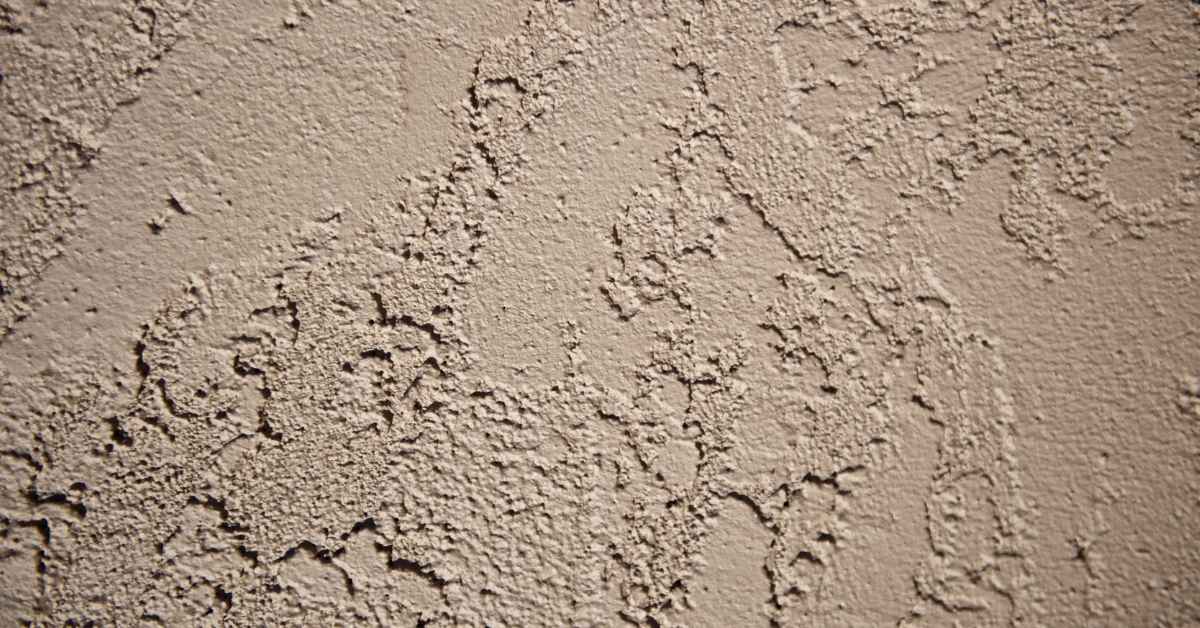
Outline a clear sequence from feathering existing edges to applying scratch and float layers, switching as needed to avoid obvious seams in sunlight. Keep the transition feathered and gradual to blend with the surrounding finish. Work steadily to maintain a consistent motion and texture depth.
Match texture by repeating tool strokes, direction, and pressure to minimize differences between old and new patches. Manage timing and moisture carefully, whether working wet-on-wet or feathering into cured areas, so patches cure evenly. If issues arise, use quick fixes that keep seams from becoming noticeable.
Step-by-Step Process
This section guides you through the practical steps to blend stucco texture on large patches, avoiding visible seams.
- Preparation: Inspect and prep your surface. Ensure it’s clean, dry, and free of defects. Check for proper substrate repairs as mentioned earlier.
- Safety first: Wear appropriate PPE. Follow safety guidelines for working with stucco materials.
- Mixing material: Prepare your stucco mix according to the manufacturer’s instructions. Remember, consistency is key.
- Feathering edges: Start by feathering the edges of your patch using a trowel or hawk-and-trowel combo. Work outward from the patch to blend thickness and texture.
- Applying scratch/float layers: Apply initial scratch and float layers as needed, following the manufacturer’s recommendations for coat application timing.
- Matching tool strokes: Replicate the existing texture using the same tools and techniques. Match stroke direction and pressure to minimize differences between old and new patches.
- Finishing touches: Once you’ve achieved a consistent texture, apply final coats, ensuring they’re feathered into cured areas to avoid obvious seams.
- Cleanup and final checks: Clean your tools and work area. Inspect your work for any visible seams or inconsistencies before leaving the job site.
Feathering, scoring, and edge blending methods
Proper feathering and scoring techniques help break up visible lines at patch edges, creating a seamless look.
Feathering: Use a trowel or hawk-and-trowel combo to spread stucco outward from the patch, gradually reducing thickness and texture. Work in small sections to maintain control over the feathering process.
Scoring/Keyed transitions: Before applying each new layer, score or key the surface using a straight edge or comb tool. This creates grooves that help lock in subsequent layers, preventing delamination and promoting better adhesion.
Blending stroke direction: Match the existing texture’s stroke direction to create a consistent look. Vary your stroke direction slightly at patch edges to break up any visible lines. Be mindful of sunlight angles when checking your work; what looks good in one light might reveal seams in another.
Timing, curing, and working with multi-coat systems
Understanding cure times and application timing is crucial for achieving a consistent texture across old and new patches.
Application timing: Follow manufacturer guidelines for applying subsequent coats. Typically, you’ll apply the first coat (scratch), allow it to cure, then apply the second coat (float or finish).
Cure times: Allow each coat to cure according to the manufacturer’s recommendations before applying the next one. Curing helps develop the stucco’s final texture and ensures proper adhesion between coats.
Working with multi-coat systems: If your project involves multiple coats, plan ahead. Keep track of cure times and adjust your schedule accordingly. Reworking dry patches can create new seams, so it’s best to work in manageable sections that allow for consistent curing.
Troubleshooting Common Mistakes and Sun-Revealed Defects
Common mistakes include mismatched mixes, overworking the surface, inconsistent tool motion, and incorrect finish timing. Each flaw can show up as color differences or visible seams when sun exposes them. Learn to spot these issues early in the day or under varying light.
Use a practical diagnostic checklist to assess color and texture, panel lines, sheen, and hairline cracks after sun exposure. Address problems with repeatable actions like re-skim, re-texture, or targeted re-coloring, and document the fixes for future projects. Maintain consistent motion and appropriate tool selection to prevent new defects.
Fixes for defects that only show in certain light
Some issues with your stucco patch may not be apparent until the sun hits it at a specific angle. Here’s how to tackle these:
Re-texture: If you see lines or shadows that weren’t there before, you might need to re-texture the area. Use your trowel or roller to gently smooth out the surface again.
For subtle shading, apply a thin layer of finish coat in the affected areas. This can help even out the appearance. Remember, less is more here – you don’t want to overwork the stucco.
If shadows are causing issues, consider micro-grading the surface. This involves using a fine tool to slightly adjust the texture and reduce shadowing. It’s a delicate process, so go slow.
When to repair again and when to hire a professional
Knowing when to DIY and when to call in the pros can save you time, money, and headaches. Here’s how to decide:
For small localized fixes, like touch-ups or minor cracks, it’s usually fine to do it yourself. Just follow the steps outlined earlier.
But if you’re dealing with large continuous areas that need blending, or if there are structural issues involved, it might be time to hire a pro. They have the experience and tools to handle bigger jobs safely and efficiently.
Also, consider hiring a professional if your patch is over high or unusual exposure. Areas like rooflines or tall walls can be dangerous to work on, and pros have the safety equipment and training to tackle them.
Finishing, Coatings, and Long-Term Maintenance to Preserve the Blend
Discuss finishing options and how they influence texture depth, color consistency, and UV response on large patches. Each option can subtly change the final appearance over time, so choose based on expected sun exposure and maintenance needs. Plan for compatibility with the underlying substrate and patch materials.
Include strategies for color matching and blending as the surface ages, and explain sealer choices and their effect on sheen and moisture management. Outline routine maintenance steps and a practical calendar to prevent patchy or panel-like appearances, adjusting for climate and exposure conditions.
Painting, color-matching, and topcoat strategies
When it comes to blending large patches of stucco, the key is to make your finish coats work with you, not against you. You want them to unify old and new without trapping moisture.
Color-matching: Don’t rely on small samples or memory. Take a piece of the existing stucco to match against. Apply test patches in situ to see how they look under different lighting conditions.
Breathable coatings: Use topcoats that allow your stucco to breathe. Trapping moisture can lead to cracks and peels down the road. Latex acrylic paints are a good choice for their breathability and durability.
Inspection and preventive maintenance schedule
Regular check-ups are key to keeping your stucco looking seamless. Here’s a simple maintenance plan to follow:
- Spring: Inspect for any winter damage. Check seals around windows, doors, and other openings.
- Summer: Look out for signs of heat-related cracking or peeling. Reapply sealant if necessary.
- Fall: Clean off any dirt or mildew before the rainy season starts. Check for efflorescence, a sign of moisture issues.
- Winter: Inspect for freeze-thaw damage. Apply a fresh coat of sealant if needed.
- Annually: Re-seal any areas that show signs of wear or damage.
- Every 3-5 years: Consider a full re-sealing to maintain the longevity of your stucco.
Quick rule: The moment you notice something amiss, address it. Small issues can grow into big problems if left unchecked.
Project Planning and Cost Considerations for Large-Scale Blending
Define scoped mock-ups and test patches to validate color and texture blending before committing to full-scale work. Use these previews to confirm how blending will look at different times of day. Build a plan that includes staging areas and access routes to minimize disruption.
Map out the budget with line items for labor, scaffolding or lifts, tools, patch materials, and contingencies. Include procurement lead times, risk management, safety protocols, and permit considerations so you have a clear project timeline with milestones and change-order processes.
Estimating costs and budgeting tips
Budgeting for a large-scale stucco blending project involves careful consideration of both material and labor costs. Start by getting multiple quotes from reputable contractors or suppliers to ensure you’re getting the best value.
Include a contingency fund (typically 10–20%) for unexpected substrate repairs, which can arise due to hidden damage or unforeseen issues during prep work.
Track both material and labor drivers in your budget. Materials like bulk stucco, primers, and sealers can vary significantly in price depending on the quality and quantity needed. Labor costs will depend on the complexity of the project and the number of workers required.
Scheduling, phasing, and minimizing sunlight-related surprises
Proper scheduling is crucial to avoid the ‘panel’ look in sunlight. Break down your project into contiguous phases, blending one area into another to create a seamless appearance.
Plan your work around sun angles and time of day. Different times can highlight different textures, so it’s best to work consistently throughout the day or during overcast conditions.
Allow adequate cure time before final inspection. Stucco needs time to set and dry properly, usually at least 24-48 hours depending on weather conditions. This ensures that your blended texture remains consistent across all areas.
Conclusion
Blend large patches with control and patience. Prioritize a durable finish that looks even in sunlight, and always protect against damage during prep, blending, and curing.
Start by inspecting the surface, test a small area first, and follow a logical flow: prep thoroughly, choose the texture and blend method that fit your patch size, monitor the drying conditions, and finish with a proper coating to seal the work. Check that corners, edges, and transitions are cohesive before moving to the next area, and keep safety gear on throughout the process.
Common mistakes to avoid include rushing the blend, skipping surface preparation, and applying texture too thick or unevenly, which creates new seams in light. Always work in manageable sections, keep tools clean, and follow the manufacturer’s guidelines for any coating or finish you plan to apply. If you’re unsure about substrate health, or the patch size is large, consider a pro for guidance or a remote review before committing to a full-scale attempt.
FAQ
How do I blend stucco texture when the wall has natural coverings like stone veneer or climbing vines?
Leave a small, untextured transition zone and feather the blended texture onto the surface. Test the look in direct sun at several times of day and adjust as needed. Don’t hard-seal around the natural covering; allow for movement and expansion.
Can I blend with artificial coverings like faux stone panels or vinyl siding without causing a panel look in sunlight?
Make sure the transition between the stucco and the artificial covering is continuous, with proper edge detailing. Seal joints and backer gaps per the product instructions, and avoid creating straight, rigid seams that catch sunlight as panels.
What creative finishes can help blend textures without emphasizing a panel appearance?
Consider light color variation, subtle surface textures, or a mural-like pattern that breaks up uniform bands. A restrained color wash or dry-brush technique can disguise seams, but keep it simple and consistent with the overall look.
Are there DIY-friendly ways to blend texture using wood panels or similar temporary dividers?
Wood panels can act as guides or faux joints if installed correctly with weatherproof backing and ventilation. Do not trap moisture behind wood; use proper flashing and allow for expansion. If unsure, check the panel manufacturer’s guidance and local weather considerations.