Matt L.

Concrete worker.

Concrete wall surface with peeling and cracking finish

Concrete Finish Peeling Off a Patch: Bond failures and how to redo it correctly

Introduction Bond failure happens when a concrete patch peels because the new mix won’t adhere to the old surface. It means the patch didn’t bond well to the substrate due to contamination, moisture, or a weak surface. Fixing it starts with identifying the rough spots and cleaning up before rework. To redo it correctly, start […]

Concrete Finish Peeling Off a Patch: Bond failures and how to redo it correctly Read More »

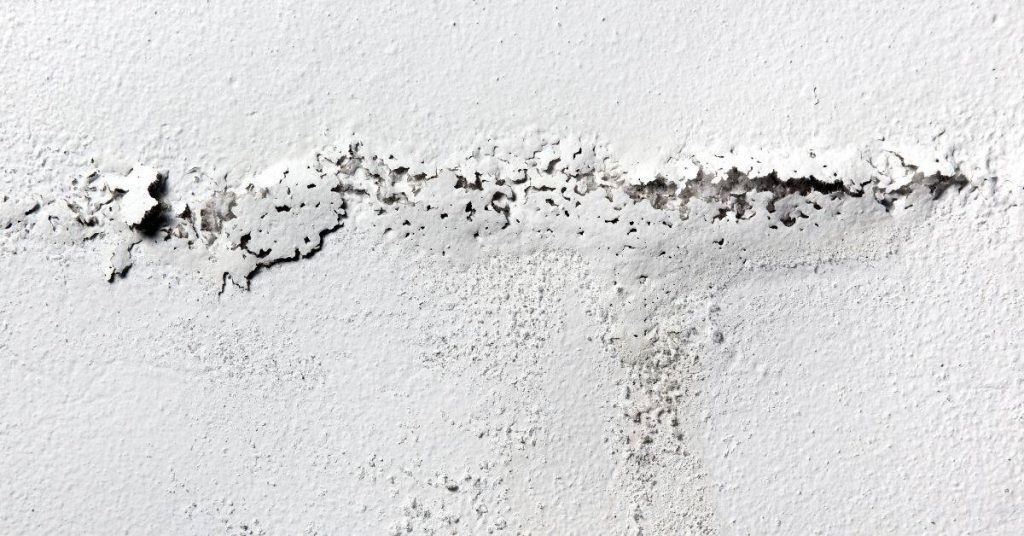
Peeling white paint on rough concrete wall surface

Concrete Sealer on New Concrete: The moisture traps that cause peeling later

Introduction Sealing new concrete can trap moisture and cause peeling later. That moisture gets trapped under the sealer if the surface is still damp or the slab is still curing. Let the concrete cure fully and follow the manufacturer’s guidance before applying any sealer. Before sealing, clean the surface and remove dust, oil, and any

Concrete Sealer on New Concrete: The moisture traps that cause peeling later Read More »

Precast concrete panel resting on sandy ground

Concrete Sealer Whitening After Rain: Causes and How to Restore Clarity

Introduction Concrete sealer whitening after rain can be a removable mineral deposit, temporary moisture blush, or a failed coating. Do not try to hide it with another coat. First let the surface recover through the product’s specified dry or cure period, identify the sealer, then use only a manufacturer-approved treatment in a small hidden area.

Concrete Sealer Whitening After Rain: Causes and How to Restore Clarity Read More »

Man patching ceiling plaster with putty knife

Plaster Repairs After Electrical Work: Patching channels without a visible ridge

Introduction Plaster repairs after electrical work are patches that blend into the wall so you don’t see a ridge. Start by assessing the surrounding finish and preparing the plaster mix to match the existing texture. To avoid a visible ridge, feather the edges, work in thin coats, and blend with the surrounding plaster as you

Plaster Repairs After Electrical Work: Patching channels without a visible ridge Read More »

Close-up of blue stucco textured wall corner

Sealing Stucco Around Pipes: A leak-proof method that still lets walls dry

Introduction Sealing stucco around pipes means creating a tight, watertight seal where pipes enter the wall while letting the surrounding stucco dry out. You’ll typically clean the joint, apply a compatible sealant, and backer material if needed, but don’t overfill. Follow product instructions for cure times and weather limits, and check for gaps after sealing.

Sealing Stucco Around Pipes: A leak-proof method that still lets walls dry Read More »

Empty room with polished concrete floor and large windows

Superplasticizer for Small Batches: Getting flow without adding water or causing separation

Introduction A superplasticizer for small batches is a concrete additive that helps it flow without adding extra water. Use it to reduce water content while maintaining workability, but check the label for batch size and separation warnings. Always follow the manufacturer’s instructions and local rules for mixing, curing, and safety. There are different types of

Superplasticizer for Small Batches: Getting flow without adding water or causing separation Read More »

Empty room with polished concrete floor and large windows

How to Blend Concrete Repair Edges So Patches Don’t Stand Out

Introduction A concrete patch rarely becomes invisible: new cement, aggregate exposure, texture, moisture, and sheen age differently from the surrounding slab. The practical goal is a sound repair with an edge, color, and finish that are hard to notice at normal viewing distance. Start by deciding whether the defect is actually a cosmetic patching job.

How to Blend Concrete Repair Edges So Patches Don’t Stand Out Read More »

porch with painted concrete floor and white railing

Concrete Countertop Sealing: Durable, low-maintenance options that won’t haze

Introduction Sealing concrete countertops means applying a coating or treatment to protect the surface from stains and wear. A good seal helps wipe up spills, keeps the look cleaner, and reduces daily maintenance. There are different approaches, and you’ll want to choose based on how you use the counter and what you can tolerate in

Concrete Countertop Sealing: Durable, low-maintenance options that won’t haze Read More »