Matt L.

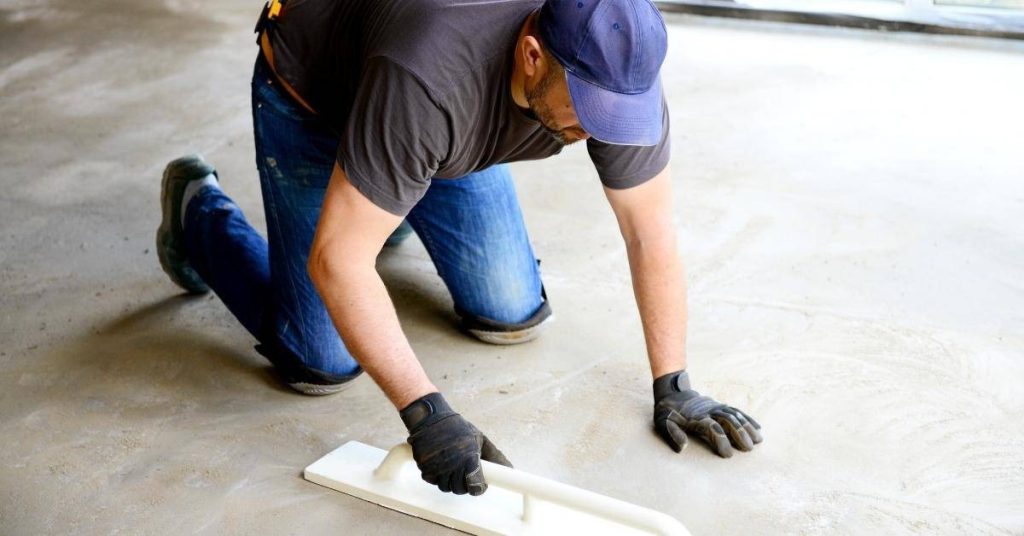
Concrete worker.

Concrete joint being tooled with a hand trowel

Concrete Finishing Sequence for Beginners: Bull Float, Edge, Joint, Then Walk Away (Sometimes)

Introduction The finishing sequence for this concrete work is the order of steps you follow after pouring: bull float, edge, joint, then walk away. This approach helps keep the surface workable while reducing roughness and lines. It works best when you have the right tools and a fresh pour to guide the finish. Before you […]

Concrete Finishing Sequence for Beginners: Bull Float, Edge, Joint, Then Walk Away (Sometimes) Read More »

Wet concrete pouring into wooden forms outdoors

Magnesium Vs Wood Floats for Concrete: What They Do to Paste and When They Matter

Introduction Magnesium and wood floats are hand tools used to smooth and finish fresh concrete. Magnesium floats are a light metal option that can flatten high spots quickly, while wood floats provide a softer, more forgiving surface. These tools affect the paste by pulling fine aggregate to the surface and shaping the moisture as it

Magnesium Vs Wood Floats for Concrete: What They Do to Paste and When They Matter Read More »

Empty room with smooth polished concrete floor and large windows

Fixing a Bad Concrete Broom Finish: Rescue Tricks for Chatter Marks, Streaks, and Overworked Slabs

Introduction A bad concrete broom finish is an uneven, rough texture on a broom-finished slab with chatter marks and streaks. This article offers practical, hands-on techniques to smooth out the look while preserving the surface integrity. For DIY fixes, assess the surface and plan a remediation approach with simple tools and safe methods. Check guidelines

Fixing a Bad Concrete Broom Finish: Rescue Tricks for Chatter Marks, Streaks, and Overworked Slabs Read More »

Concrete columns with exposed rebar against sky

Matching Old Exposed Aggregate Concrete: Patching, Extensions, and Blending Stone Mixes

Introduction Matching old exposed aggregate concrete means repairing and extending the surface so new material blends with the existing exposed aggregate. This hands-on approach focuses on color, texture, and the way stones recess with the surrounding mix. Take time to assess the current finish and plan how patching or extensions will align with the original

Matching Old Exposed Aggregate Concrete: Patching, Extensions, and Blending Stone Mixes Read More »

Concrete being poured from chute onto slab formwork

Concrete Slab Subbase: the Fast Compaction Reality Check with a Hand Tamper and a Hose

Introduction A concrete slab subbase is the compacted layer beneath the slab that supports and shapes the final surface. For a quick, hands-on approach, this article focuses on using a hand tamper and a hose to evaluate compaction on-site. Keep in mind that results depend on soil type, moisture, and thickness, so verify with local

Concrete Slab Subbase: the Fast Compaction Reality Check with a Hand Tamper and a Hose Read More »

Ceiling with water stains and peeling paint near tiles

Choosing the right concrete crack repair for your situation: movement, width, and water

Introduction The right repair depends on how the crack moves, how wide it is, and whether water is getting through. Key takeaways Assess movement versus static cracks to guide repair method choices and timing. Measure crack width approximately and note tolerance to determine suitable filler and injection. Address water infiltration first: seal active leaks before

Choosing the right concrete crack repair for your situation: movement, width, and water Read More »

close-up of textured light grey plaster wall finish

Feather finish vs polymer patch: choosing a repair that won’t pop off in winter

Introduction Feather finish is a thin cement skin designed to feather the edges and blend with the surrounding concrete. Polymer patches are thicker repairs that use a polymer-based material to fill and bond, creating a solid patch that can be sanded smooth. In winter, prep is key: make sure the area is clean, dry, and

Feather finish vs polymer patch: choosing a repair that won’t pop off in winter Read More »

Freshly poured self-leveling concrete floor with a spiked roller

Self-leveling overlays: dams, primers, and stopping pinholes and ripples

Introduction Self-leveling overlays are a flowable floor topping that settles itself to create a flat, smooth surface. This article covers dams, primers, and ways to stop pinholes and ripples in a DIY setup. Always follow the product label and local rules for mixing and curing. Quality control and temperature management matter to avoid early cracks

Self-leveling overlays: dams, primers, and stopping pinholes and ripples Read More »

black box fan on concrete floor with dark moisture stains on wall and floor

Overlay vs full replacement: a decision guide based on movement, moisture, and thickness

Introduction Overlay vs full replacement is a choice between patching a deck with an overlay or tearing it out and rebuilding, based on movement, moisture, and thickness. For overlays, assess whether the existing concrete can accept an overlay without excessive cracking or movement, and follow manufacturer instructions and local rules. If movement is high or

Overlay vs full replacement: a decision guide based on movement, moisture, and thickness Read More »

Closeup of cracked frozen soil surface with ice coatings

Freeze-thaw on brick patios: bedding, drainage, and joint fill that survives

Introduction Freeze-thaw on brick patios means water trapped in bedding, drainage, and joints can crack or lift bricks when temperatures swing below and above freezing. This article covers how to select bedding, manage drainage, and fill joints so a DIY patio can survive those cycles. You’ll focus on simple checks you can do before you

Freeze-thaw on brick patios: bedding, drainage, and joint fill that survives Read More »