Matt L.

Concrete worker.

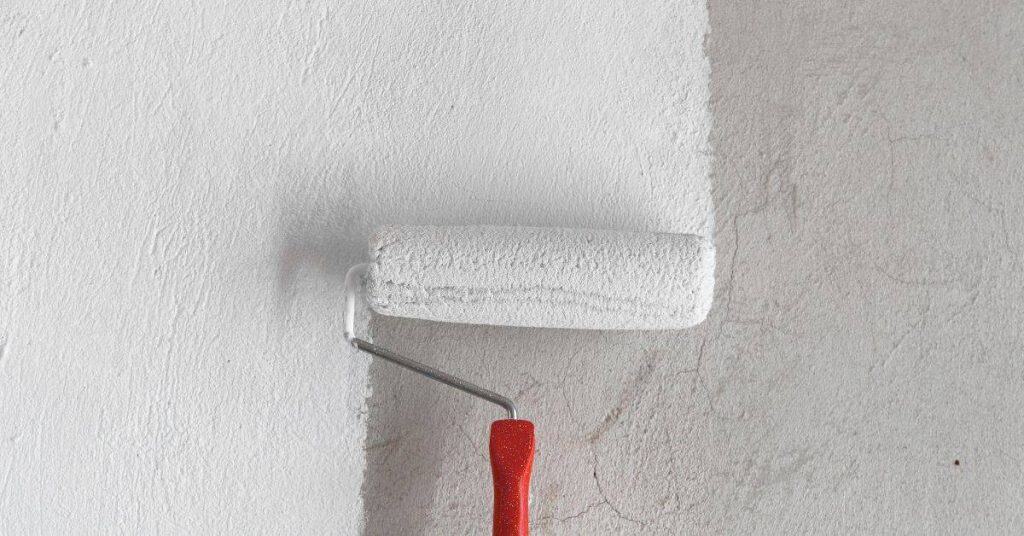
Worker applying textured plaster to wall with roller

Soft Dusty Plaster Surfaces: Consolidants, Re-Skim Options, and Stop Rules

Introduction Soft dusty plaster surfaces are fragile, powdery walls that crumble when touched. That dustiness means you’re dealing with a coating that has lost binding and needs careful treatment. This article walks you through consolidants, re-skim options, and practical stop rules for a safe, workable repair. We’ll keep things practical with real-world steps you can […]

Soft Dusty Plaster Surfaces: Consolidants, Re-Skim Options, and Stop Rules Read More »

Hand sanding a plaster wall with a sanding sponge

Plaster Sanding Mistakes: When Sanding Ruins the Finish and What to Do Instead

Introduction Sanding plaster can ruin the finish if you over-sand or use the wrong grit for the surface. This article explains how to spot the signs and what to do instead. You’ll learn practical, hands-on steps you can take without turning a simple job into a bigger mess. Start by avoiding heavy, broad motions and

Plaster Sanding Mistakes: When Sanding Ruins the Finish and What to Do Instead Read More »

white debris bags with broom and shovel against brick wall

Plaster Dust Control for Small Jobs: Containment That Keeps Cleanup Sane

Introduction Plaster dust containment means keeping dust from plastering work from escaping the work area. It helps protect your home and makes cleanup easier. Start by setting a clear boundary and using basic barriers and cleanup habits. For a simple setup, close off the work zone, lay down plastic sheeting, and seal doorways. Use a

Plaster Dust Control for Small Jobs: Containment That Keeps Cleanup Sane Read More »

Hand holding trowel smoothing plaster on wall