Are Hairline Cracks in Stucco Normal? Here's What You Need to Know

Are Hairline Cracks in Stucco Normal? Here’s What You Need to Know

Introduction

Stucco is a popular choice for home exteriors because of its great look and long-lasting nature. However, homeowners often face problems like hairline cracks that can hurt both the appearance and strength of their homes.

This article explores the different types of stucco cracks, what causes them, and how to fix them. It offers helpful tips for homeowners who want to keep their stucco surfaces in top shape.

By learning about these cracks and taking steps to prevent them, homeowners can make sure their stucco stays beautiful and strong.

Understanding Stucco Cracks

Navigating the World of Stucco and Cracks: Insights for Homeowners

Stucco brings both beauty and strength to home construction. This versatile plaster mix is applied in layers, giving a textured finish that enhances the look of many homes. However, stucco can develop cracks due to various conditions.

It’s important to understand the difference between harmless hairline cracks cracks and more serious ones to keep your home’s exterior in great shape.

Understanding Stucco and Its Popularity

Stucco is made from a mix of cement, lime, sand, and water, creating a strong and durable layer for walls. Homeowners love it not just for its looks but also for how it can be customized in different colors and textures.

Besides its visual appeal, stucco provides great insulation, helping to keep indoor temperatures comfortable. This makes it a popular choice for many homes.

Common Causes of Cracks in Stucco

Cracks in stucco can happen for several reasons, usually falling into two categories: harmless or concerning.

  • Normal Hairline Cracks: These are often caused by the natural settling of a house, changes in temperature, or slight shrinkage as it cures. They are usually thin and shallow, so they don’t threaten the structure.
  • Concerning Cracks: Larger cracks may indicate deeper problems, like structural issues or improper application. These need quick attention to prevent further damage.

Distinguishing Between Normal and Problematic Cracks

It’s essential to tell the difference between harmless hairline cracks and those that might be a problem. Hairline cracks are typically narrow (less than 1/16 inch wide), isolated, and don’t affect the overall stability of the stucco. On the other hand, wider cracks that are growing or show other signs of distress should be checked by a professional.

The Importance of Regular Maintenance

To keep stucco looking good and lasting long, homeowners should regularly inspect and maintain it. Catching and fixing cracks early can stop them from getting worse or causing water damage over time. Here are some simple preventive steps:

  • Conduct seasonal inspections to spot new cracks or changes in existing ones.
  • Clean the stucco to remove dirt and debris that can trap moisture and worsen cracking.
  • Seal small cracks with the right caulk or sealant to keep water out and prevent damage.

Conclusion

While hairline cracks in stucco are common and usually harmless, knowing their causes and when to act is key to maintaining your home’s exterior. By recognizing minor versus major cracks, doing regular maintenance, and getting professional help when needed, homeowners can protect their investment and enjoy their stucco remains an attractive and durable feature of their home for many years.

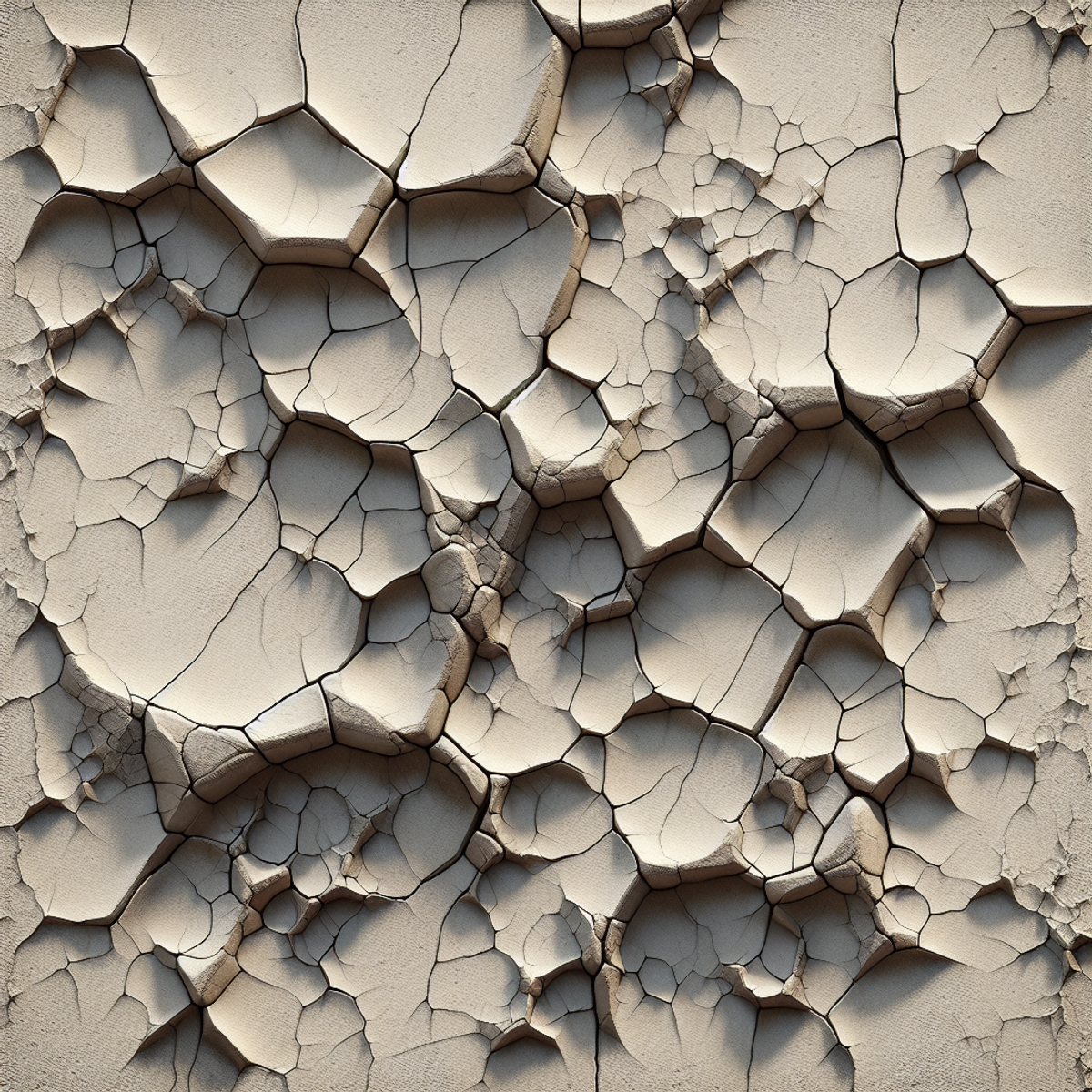
In the end, stucco cracks, whether small or large, tell the story of how your home interacts with its surroundings. Paying attention and responding appropriately helps ensure that this story stays a positive one. Cracked stucco wall with weathered paint.
Types and Characteristics of Stucco Cracks

Unraveling the Mysteries of Stucco Cracks: Types and Characteristics

Stucco is a popular choice for many homeowners because it looks great and stands up well over time. However, it can be affected by the weather and the way buildings settle.

Cracks can show up in stucco for many reasons. They can range from tiny hairline cracks that are harmless to larger cracks that might signal bigger issues. It’s important to recognize these different types and what they mean to keep your stucco looking good and in good shape.

Hairline Cracks: The Common Culprits

Hairline cracks are often seen on stucco surfaces. These thin, narrow cracks, like a single hair, usually come from:

  • The natural settling of the building over time
  • Small movements within the structure
  • Changes in temperature that cause the stucco to expand and contract

Hairline cracks are usually less than 1/16 inch wide. They don’t typically threaten the strength of your home. Still, they remind homeowners to keep an eye on their exterior’s condition.

Beyond Hairline: Identifying Serious Stucco Cracks

While hairline cracks might seem minor, some stucco cracks need more attention:

  • Vertical and Horizontal Cracks: These could indicate significant structural shifts, especially if they are wide or stretch across the wall.
  • Spider Cracks: These fine cracks spread out like a web and can happen due to improper stucco application or quick drying.
  • Map Cracking: Also known as “alligatoring,” these cracks form a pattern like a road map. They may suggest problems with the underlying mesh or stucco layers, possibly from water damage.

Diagnosing Stucco Cracks

To tell the difference between harmless and serious stucco cracks, think about these factors:

  • Width: Hairline cracks are usually less than 1/16 inch wide, while wider cracks might mean more serious movement or damage.
  • Depth: Superficial cracks only affect the outer layer of stucco, but deeper cracks can reach the materials underneath, increasing the risk of moisture getting in.
  • Pattern and Location: The way cracks are arranged and where they are located can give clues about their causes. For instance, cracks near windows or doors might come from improper installation or settling, while widespread cracks could point to bigger issues.

Importance of Regular Inspection and Maintenance

Regularly checking for stucco cracks is important for catching problems early. Taking care of issues right away can stop water from getting in, which could cause more damage and lead to expensive repairs. Homeowners should think about sealing hairline cracks with the right caulk or elastomeric sealant. For larger or more complicated cracks, it’s a good idea to get professional advice.

Conclusion

Stucco cracks, whether they are tiny or more noticeable, show how a building interacts with its environment and the stresses inside it. By knowing the different types and characteristics of these cracks, homeowners can make smart choices about maintenance and repairs. This helps keep their stucco exteriors looking great and lasting longer.

Regular inspections and quick actions are key to stopping small cracks from turning into big problems.

Common Causes of Hairline Cracks in Stucco

Stucco is known for being tough and looking great, but it does have some weaknesses. Hairline cracks often show up, creating fine patterns on the surface.

These cracks usually don’t mean there are serious problems with the structure. By knowing the common causes, homeowners can keep their properties looking good and in good shape. Let’s take a look at the main reasons these little cracks happen.

1. Thermal Expansion and Contraction

One big reason hairline cracks appear is that stucco reacts to temperature changes. When it gets hot, stucco expands; when it cools down, it contracts. This back-and-forth movement puts stress on the material, leading to fine cracks, especially in places with big temperature swings between day and night or across different seasons.

2. Foundation Settlement

As buildings settle into their foundations over time, they can create stress points on rigid materials like stucco, causing hairline cracks. This settling is especially noticeable in older buildings or those on unstable soil. While settling is a normal process, it’s important to keep an eye on any cracks in the stucco to spot potential issues.

3. Improper Stucco Mix or Application

The strength of a stucco finish depends a lot on how it’s applied and the materials used. If the stucco mix is off, whether too wet or too dry, it can weaken the material and create spots that are prone to cracking. Also, using the wrong application methods or not allowing enough curing time before painting or sealing can lead to hairline cracks. Proper mixing and application techniques are key to avoiding these issues.

Overview of Key Factors

Understanding the causes of hairline cracks in stucco is important for keeping it well-maintained. These cracks often come from:

  • Thermal Expansion and Contraction: Stress from temperature changes affecting the stucco surface.
  • Foundation Settling or Shifting: Natural movements of the building’s structure creating stress points on the stucco.
  • Natural Aging of the Stucco Finish: Over time, even well-applied stucco can show wear, including hairline cracks due to environmental factors and material properties.

Conclusion

Hairline cracks in stucco remind us that building materials and the structures they protect are always changing. By knowing the common causes—thermal changes, foundation settling, and application methods—homeowners can better manage and reduce their effects. Regular checks, along with understanding how stucco behaves, can help keep stucco-covered homes looking great and structurally sound for years to come.

Evaluating Hairline Cracks: Severity and Underlying Concerns

Hairline cracks in stucco are common on many homes. They can be simple cosmetic issues or signs of bigger structural problems. Even though these tiny cracks might look harmless, ignoring them can harm the stucco’s durability and lead to serious damage over time.

It’s important to know how to evaluate these cracks and find out what’s causing them. This helps keep your stucco looking great and strong.

Consequences for Stucco Integrity

At first glance, hairline cracks may seem unimportant. But they can really affect the overall strength of the stucco.

These cracks can weaken the surface and allow moisture to seep in, which might cause internal damage as time goes on. This possibility of worsening issues shows why it’s essential to evaluate and address them quickly.

Evaluating Crack Severity

To assess the severity of hairline cracks, follow these important steps:

  • Visual Inspection: Start with a thorough visual check to look at the crack’s width, length, and pattern. If cracks are wider than 1/16 inch or show specific patterns like stair-stepping or radiating from corners, take a closer look.
  • Crack Width Gauge: Using a crack width gauge can help you measure the crack’s width accurately. This gives you useful information about its potential effects.
  • Monitoring Changes: Keep an eye on any changes in the crack’s appearance over time. If it gets wider or longer, it might mean there’s ongoing structural movement or damage.

Investigating Underlying Causes

Besides checking crack severity, it’s also important to find out what’s causing them:

  • Settling: Buildings naturally settle over time, which can put stress on stucco and create cracks. While this is usually normal, you should watch for any worsening cracks.
  • Moisture Intrusion: Ongoing moisture exposure can weaken stucco from the inside, making cracks more likely. Look for signs of water damage near the cracks.
  • Improper Installation: Mistakes during stucco application can lead to early cracking. This might include not curing the stucco long enough, incorrect mixing, or poor layering techniques.

Indicators of Potential Underlying Issues

Even if hairline cracks aren’t a big deal on their own, they can let moisture in, which might cause serious damage to the stucco and what’s underneath. Watch for these signs of moisture-related damage:

  • Discoloration: Strange stains or discoloration around cracks might mean water is getting in.
  • Mold Growth: If you see mold or mildew near cracks, it suggests moisture is penetrating, which can harm air quality and the structure.
  • Efflorescence: A white, powdery substance on the stucco, known as efflorescence, shows that water is moving through the stucco and evaporating, leaving mineral deposits behind.

Conclusion

Dealing with hairline cracks in stucco needs a careful approach that balances monitoring and maintenance. By checking their severity, looking into underlying causes, and quickly addressing any problems, homeowners can keep their stucco exteriors strong and attractive.

Spotting potential water damage or structural issues early can stop small cracks from turning into big repair headaches, helping to ensure the stucco lasts a long time.

Repair Options for Hairline Cracks in Stucco

Mending the Web: Repair Options for Hairline Cracks in Stucco

Hairline cracks in stucco are pretty common, but they can really hurt the look of your home’s exterior. If you don’t fix them quickly, they might lead to bigger problems down the road. Taking care of these cracks not only keeps your stucco looking nice but also helps stop moisture from sneaking in and causing more damage.

Check out these handy practical repair options tailored for hairline cracks for fixing stucco. They range from simple DIY fixes to more involved repairs that might need a pro’s touch.

1. Acrylic Caulk or Stucco Patch Repair

A great and easy way to fix hairline cracks in stucco is by using high-quality acrylic caulk or special stucco patch products. These materials are flexible and durable, making them perfect for sealing cracks and keeping water out.

Steps for a DIY Repair:

  • Start by cleaning the crack to get rid of any loose debris or dust.
  • Carefully apply the acrylic caulk or stucco patch into the crack, making sure it fills in completely for the best seal.
  • Smooth the surface so the repair blends in nicely with the surrounding stucco.

This method mainly improves the look of your stucco, but it’s also important for protecting it from potential water damage.

2. Applying a New Coat of Stucco

If you want a more complete fix that not only repairs hairline cracks but also refreshes the whole look of your stucco, think about applying a new coat over the entire surface. This can help unify the exterior’s appearance, hide repairs, and might even reduce future cracking by strengthening the stucco layer.

When to Consider a New Coat:

  • When there are many hairline cracks spread over a large area.
  • To give the stucco a fresh look and improve its protective features.

It’s best to have professionals do this to make sure it’s applied and cured correctly, which is key for the stucco’s long-lasting durability.

3. Professional Assessment for Extensive Damage

If the hairline cracks are widespread, deep, or show signs of underlying structural issues, it’s a good idea to call in a professional stucco contractor. An expert can check how bad the damage is, find out what caused it, and recommend the best way to fix it, which might include more extensive repairs or partial stucco replacement.

Elastomeric Caulk: A Superior Choice for Hairline Crack Repair

Elastomeric caulk works really well for fixing hairline cracks in stucco because it can stretch and move with the stucco. This flexibility helps keep cracks from coming back, giving you a strong and lasting repair.

Applying Elastomeric Caulk:

  • Make sure the crack is clean and dry before you start.
  • Fill the crack with elastomeric caulk, applying it directly into the gap.
  • Use a putty knife or your gloved finger to smooth the caulk, creating a seamless finish that matches the existing stucco texture.

Conclusion

Hairline cracks in stucco are a common issue, but there are plenty of repair options to tackle them. From simple applications of acrylic caulk to more complex professional fixes, you can choose the right method for your needs. Using materials like elastomeric caulk helps improve both the look and durability of your stucco, keeping your home safe from the elements.

Preventing Future Hairline Cracks through Proper Stucco Installation and Maintenance

Fortifying Foundations: Strategies to Prevent Hairline Cracks in Stucco

Hairline cracks in stucco might seem like a normal part of the material, but with the right steps during installation and care, you can really cut down on them. Key factors like good preparation, proper application, and regular maintenance are essential for keeping stucco looking great and staying strong.

Here are some helpful tips for homeowners and professionals to help prevent hairline cracks.

1. Proper Substrate Preparation

The life of your stucco depends a lot on the surface it’s applied to. Making sure the surface is clean, stable, and well-prepared can really help reduce the risk of cracks.

  • Ensure Structural Integrity: Check the underlying structure for any movement or damage that could affect the stucco.
  • Surface Preparation: The surface should be free of dust, dirt, and other stuff that could stop the stucco from sticking well.

2. Correct Stucco Mix and Application

The way you mix and apply stucco is key to how likely it is to crack.

  • Proper Proportioning: Follow the manufacturer’s instructions for mixing stucco to get the right blend of materials, which boosts strength and flexibility.
  • Even Application: Applying stucco evenly helps prevent uneven drying and shrinking, which often leads to hairline cracks.

3. Regular Inspections and Timely Repairs

Even with great preparation and application, things like weather and structural changes can still cause hairline cracks. Regular inspections help you spot potential problems early, allowing for quick repairs that can prevent bigger issues.

  • Seasonal Inspections: Check at least twice a year, focusing on areas that are more likely to crack, like around windows, doors, and the foundation.
  • Address Issues Promptly: Taking care of problems quickly can mean the difference between a small fix and a big renovation.

4. Professional Installation

Hiring a qualified professional for stucco installation is really important. A skilled expert will make sure that:

  • Best Practices are Followed: From preparing the surface to the final coat, a pro will stick to industry standards and best practices.
  • Manufacturer Guidelines are Met: Following the stucco manufacturer’s recommendations is key to getting the best performance and longevity.

Conclusion

Preventing hairline cracks in stucco mostly depends on how well it’s installed and how committed you are to maintenance. By focusing on proper substrate preparation, using the right stucco mix and application methods, and hiring qualified professionals, homeowners can greatly reduce the chances of cracks.

Regular inspections and quick repairs also help protect the stucco from damage, keeping this durable and attractive finish looking great for years to come.

Navigating the Landscape of Hairline Cracks in Stucco: A Conclusive Overview

When it comes to home care, dealing with hairline cracks in stucco is an important task. Keeping our homes looking good and standing strong is key.

These tiny cracks often happen as a house settles over time. While they might seem concerning, it’s good to know that they are usually just part of stucco’s normal aging process.

Embracing Regular Maintenance

To stop hairline cracks from turning into bigger problems, regular maintenance is essential. By checking the stucco exterior often and fixing small issues right away, homeowners can avoid more serious damage.

This hands-on approach not only improves the extends the lifespan of the stucco but also helps keep the home’s charm and value intact.

Monitoring and Addressing Changes

Being watchful is key when it comes to hairline cracks. Keep an eye on these cracks for any signs of getting bigger or deeper. If you notice significant changes, it’s important to act quickly to check and repair these cracks to prevent further issues.

Final Thoughts

Hairline cracks in stucco are common, but they shouldn’t cause too much worry. With the right knowledge and care, these small flaws can be managed well, protecting the beauty and strength of your home’s exterior.

This shows how durable stucco is and highlights the need for homeowners to stay vigilant with maintenance.

If you’re unsure about how serious the hairline cracks are or what to do next, it’s a good idea to talk to a professional stucco contractor or a qualified home inspector. They can offer guidance and make sure your stucco gets the care it needs.

– Keywords: resources, hairline cracks in stucco

– Talking points: Check local building codes and regulations for advice on acceptable levels of hairline cracks in stucco. Hire a professional stucco contractor to assess the cracks and see if repairs are needed.

Explore online forums, articles, and videos from reliable sources to learn about common causes and fixes for hairline cracks in stucco. Provide links to trusted stucco contractors or inspection agencies for extra help.

What is Stucco?

1. Understanding Stucco: The Art of Exterior Plaster

Stucco is a remarkable combination of aesthetic appeal and durability, making it a favored choice for exterior finishes among builders and homeowners. This plaster serves both functional and decorative purposes in residential and commercial structures.

Composition and Application

Stucco primarily consists of a mixture of cement, sand, lime, and water, forming a malleable paste. This paste is applied in layers over a lath base, typically wire mesh, which enhances its strength and adhesion. The application process involves three distinct layers: the scratch coat, the brown coat, and the finish coat, each contributing to the material’s durability and resistance to weather conditions.

Aesthetic and Functional Qualities

Stucco’s versatility allows for a variety of textures, ranging from smooth finishes resembling limestone to rustic, handcrafted styles. It can be naturally tinted in classic hues like white or gray or painted in an array of colors, providing ample design flexibility.

The Role of Stucco in Construction

Beyond its visual appeal, stucco acts as a robust, weather-resistant barrier that safeguards buildings against environmental elements. Its composition helps resist fire, decay, and pests, thereby enhancing the longevity and stability of structures. Additionally, stucco contributes to energy efficiency by providing insulation, benefiting both residential and commercial properties.

Conclusion

With its rich history and diverse applications, stucco remains a preferred choice for exterior wall covering due choice for those seeking a balance of strength, design versatility, and protective qualities. Its customizable textures and colors, coupled with practical advantages, make stucco an excellent option for anyone looking to blend beauty and functionality in their construction projects.

 2. Importance of Addressing Concerns about Stucco Cracks

To maintain the appearance and structural integrity of stucco buildings, it’s crucial to address even minor cracks promptly. While hairline cracks may seem insignificant, they can impact the foundation and overall safety of the building, making it wise to investigate them.

Preventing Water Infiltration and Damage

One major concern with stucco cracks is the potential for water intrusion. Moisture penetrating these cracks can cause severe damage to the building’s structure.

This can result in wood rot, rusting of metal supports, or deterioration of other materials. By promptly repairing stucco cracks, you can prevent moisture-related issues from escalating.

Cost Savings Through Early Intervention

Identifying and repairing stucco cracks early is a cost-effective strategy for building maintenance. Neglecting small cracks can lead to larger, more expensive problems.

The transition from a simple repair to addressing significant structural or water damage underscores the importance of timely stucco care.

Maintaining Energy Efficiency and Indoor Air Quality

In addition to structural concerns, overlooking hairline cracks can diminish a building’s energy efficiency. Gaps in the exterior allow air infiltration, which can increase heating and cooling expenses.

Moreover, moisture intrusion through these cracks can create an environment conducive to mold growth, posing health risks and compromising indoor air quality.

Upholding the Building Envelope’s Integrity

The building envelope serves as the primary defense against environmental elements, making its integrity vital for the overall health of the structure. Ignoring stucco cracks can jeopardize this barrier, leading to various issues beyond mere aesthetics.

Regular maintenance and prompt repairs are essential for preserving the envelope’s strength, which in turn supports the building’s structure, beauty, and safety.

Conclusion

Addressing stucco cracks is crucial for balancing aesthetics, structural integrity, and occupant well-being. Neglecting even minor cracks can lead to significant challenges, highlighting the need for vigilant stucco maintenance.

Taking proactive measures not only prevents damage but also extends the lifespan and resilience of stucco buildings. Early detection and resolution of stucco issues is a prudent approach to building maintenance, ensuring that minor concerns do not escalate into major problems.

A South Asian female contractor meticulously examines a large, noticeable crack on the exterior of a multicolored commercial structure.

3. Other Types of Stucco Cracking

Beyond Hairline: Exploring Other Types of Stucco Cracking

Stucco is renowned for its durability and flexibility, yet it can still develop cracks. Beyond the typical hairline fractures that are often deemed normal, various other types can indicate more serious underlying issues. Understanding these can empower homeowners and property managers to identify problems early and address them before they worsen.

Horizontal Cracking: A Sign of Foundation Issues

Horizontal cracks in stucco can be alarming as they may signify structural concerns. A common cause is foundation settlement, occurring when the ground beneath a building shifts, placing stress on the stucco.

Expansive soils that swell when wet and shrink when dry can also exert uneven pressure on the foundation, resulting in significant horizontal cracks.

Vertical Cracking: Thermal Movements and Installation Flaws

While vertical cracks may not be as concerning as horizontal ones, they can still indicate important issues. Thermal expansion and contraction, as materials heat and cool, can lead to vertical cracks if the stucco cannot accommodate these changes.

Improper installation of control joints, designed to absorb movement, can also result in vertical cracks, emphasizing the importance of correct stucco installation techniques.

Map Cracking: Workmanship and Moisture Concerns

Map cracking, characterized by a network of lines resembling a map, often indicates issues such as poor workmanship or excessive moisture in the stucco.

This pattern may reveal that the stucco mixture was improperly mixed, applied, or cured, weakening the surface and making it susceptible to cracking. Additionally, moisture infiltration can exacerbate map cracking.

Step Cracks Around Openings: Indicators of Structural Movement

Step cracks, appearing in a stair-step pattern around windows, doors, or other openings, can signify structural movement or settling. This shifting places stress on the stucco, leading to cracking as the framework adjusts.

Step cracks require thorough inspection to determine their cause and assess their potential impact on the building’s integrity.

Conclusion

While hairline cracks in stucco are common, recognizing the various types of cracking can help homeowners take proactive measures to maintain their properties.

Initial Examination of Exterior Walls

The inspection begins with a detailed visual assessment of the stucco surfaces. Qualified professionals meticulously examine the exterior walls for signs of distress, such as cracking, blistering, or staining, which may indicate deeper issues. This critical first step helps identify areas requiring further attention.

Utilizing Specialized Tools and

  • Infrared Cameras: This thermal imaging technology detects temperature variations across the stucco surface, indicating areas where insulation reveal hidden moisture or areas where insulation may be lacking, resulting in energy inefficiencies.
Close-up of a smooth stucco wall with a small crack running through it.

Conclusion

Comprehending the intricacies of stucco and its susceptibility to cracking is essential for homeowners aiming to preserve both the aesthetic charm and structural integrity of their residences. Hairline cracks, while prevalent and typically benign, can indicate the material’s response to environmental factors and internal stresses. For instance, fluctuations in temperature and humidity can exacerbate these fissures, making it crucial for homeowners to remain vigilant.

Conducting routine inspections of your stucco surfaces is a proactive strategy that can help identify minor issues before they escalate into significant repairs. Homeowners should look for signs of moisture intrusion or more extensive cracking patterns, which may require professional evaluation. Implementing timely repairs—such as filling hairline cracks with appropriate caulk or stucco patching compounds—can effectively mitigate further damage and extend the life of the exterior. Additionally, maintaining a consistent paint schedule can provide an extra layer of protection against the elements. A well-maintained stucco exterior not only enhances curb appeal but also reflects a homeowner’s commitment to preserving their property’s value and longevity.

FAQ

Can I paint over hairline cracks in stucco?

Painting over hairline cracks is possible if the cracks are repaired and the surface is clean. This can improve the look of your stucco and help protect it.

How often should I inspect my stucco for cracks?

Inspecting your stucco at least once a year is a good idea, especially after severe weather, to identify any potential issues early on.

What should I do if cracks reappear after repair?

Consulting a professional can be helpful to evaluate any underlying problems that might be causing the cracks to come back.

Is it safe to pressure wash stucco?

A gentle cleaning method is recommended, as high pressure can harm the stucco surface and worsen existing cracks.