
Introduction
Antiquing integral color is about using stains or washes that are worked into concrete to create an aged, variegated look.
This hands-on approach hinges on proper surface prep and a controlled application process so the color settles evenly. Before you start, clean, etch or profile the surface as needed and test on a small area to see how the color develops.
Sealants change the final look by altering sheen and depth, so choose a sealer that suits your color goal.
Different sealers can make colors appear warmer, cooler, or more muted, and they’ll require different application methods. Check the product label for coverage rates and how many coats are recommended, and follow local rules or manufacturer instructions for your project.
Key takeaways
- Understand whether to use integral color or surface stain before sealing decisions.
- Wear eye protection and gloves during staining and sealing tasks.
- Prepare concrete by cleaning, etching only if needed, and patching cracks safely.
- Antiquing techniques vary: brushing, wiping, and layering create depth and age.
- Sealers alter color and sheen; test on sample panels before large areas.
- Coverage and product quantity depend on surface texture and porosity; plan extra.
- Maintain with proper cleaning and re-seal when wear shows; avoid harsh chemicals.
Table of Contents
- Introduction
- Key takeaways
- Integral Vs. Surface Stains — How They Work and Which to Choose
- Surface Preparation and Preliminary Testing
- Application Process: Stains, Washes, and Antiquing Techniques
- Sealing — How Different Sealers Alter Color, Sheen, and Durability
- Color Selection, Sample Kits, and Cost Planning
- Maintenance, Longevity, and When to Refresh
- Common Mistakes, Troubleshooting, and Visual Checkpoints
- Safety, Environmental Impact, and Disposal
- Conclusion
- FAQ
Integral Vs. Surface Stains — How They Work and Which to Choose
Integral color is mixed into the concrete mix, creating a uniform base color that travels with the substrate. Surface-applied products include acid stains, water-based stains, and antiquing washes that sit on or just below the surface. Understanding the fundamental difference sets the stage for your color strategy.
With integral color, the pigment is locked into the cement matrix as it cures, offering steady color that can age with the slab. Surface treatments develop color through exposure and aging, often producing variations and patina. Durability, maintenance, and final appearance hinge on whether you want uniformity or depth and texture that evolves over time.
What is integral color?
Integral color is a method of coloring concrete by adding pigments directly to the mix during batching. It can also be applied to fresh concrete using dry-shake or liquid color hardeners.
Why it’s uniform: Pigments are evenly distributed throughout the concrete, resulting in consistent color from top to bottom and side to side.
Why it lasts: Since the color is part of the concrete itself, it won’t fade or wear off like surface-applied products. It’s durable and long-lasting.
Surface-applied stains and antiquing washes
These are products that sit on or react with the surface of cured concrete to create color and patina. They include:
- Acid Stains: React with concrete’s minerals to produce natural, variegated colors.
- Water-based Stains: Sit on the surface, providing a consistent, semi-transparent color.
- Antiquing Washes: Create a patina effect by reacting with the concrete and leaving a soft, aged appearance.
Why they vary: These products rely on the concrete’s absorption and reaction to create unique, varied results. They can’t be controlled as precisely as integral color.
Choosing by project and performance
Selecting between integral and surface-applied methods depends on your project’s needs:
- Existing Concrete: Surface-applied products can be used to change the color of existing concrete. Integral color requires new pours.
- Desired Aesthetic: For consistent, solid colors, choose integral. For varied, aged looks, consider surface-applied options.
- Longevity Needs: If long-term durability is crucial, go with integral. If you’re okay with periodic touch-ups, surface-applied might be fine.
- Substrate Condition: Surface-applied products can hide minor imperfections. Integral color requires a well-prepared substrate for best results.
Surface Preparation and Preliminary Testing
Surface prep determines how evenly color lands and how well sealers bond. The goal is a clean, stable canvas that resists color absorption inconsistencies. Start by assessing the surface condition and plan your cleaning strategy accordingly.
Moisture, pH, and porosity influence how products behave, so identify any contaminants or laitance before testing. Use small patches to preview color change and adhesion with your chosen system. Document results to guide the main application and flag any remediation needs.
Cleaning, repair, and surface profiling
The first step to a successful antiqued concrete finish is a clean, well-prepared surface. Start by removing all loose debris with a broom or shop vacuum.
For stubborn residues like efflorescence, soap scum, or oils, use a degreaser. Apply it, let it sit for 15-30 minutes, then scrub and rinse thoroughly.
Repair cracks and holes using a concrete patching compound. Ensure the surface is smooth and free of gouges by feathering the edges of repairs and filling any voids. The goal is to create a consistent profile that will accept stain and sealer evenly.
Pro tip: For integral color, expose the appropriate texture (mechanical or chemical) before staining to ensure good bond and absorption.
Moisture, pH, and compatibility tests
Before testing stains and sealers, check your concrete’s moisture content and pH level. High moisture or alkaline conditions can affect stain absorption and sealer bonding.
For moisture, use a non-contact moisture meter or the calcium chloride test method if applicable. Aim for a relative humidity (RH) of 75% or less at the surface.
To check pH, use litmus paper or a pH meter. Ideal pH for stain and sealer adhesion is between 6-8. Consult product data sheets for manufacturer tolerances.
Pro tip: High moisture or alkaline conditions may require additional surface preparation like sealing or acid washing before staining.
Preliminary testing and mock-ups
Before committing to the whole project, test stains and sealers on small, inconspicuous areas or sample boards. This helps preview color change, absorption rates, and final finish.
Select test patches that represent various conditions present in your main application area, including moisture-prone spots if applicable. Apply both staining and sealing combinations to these patches.
Document surface conditions, measurements, and pass/fail criteria for each test patch. This will guide your main application and help flag any remediation needs before proceeding.
Pro tip: Allow ample drying time between stain and sealer applications, and between testing phases to ensure accurate results.
Application Process: Stains, Washes, and Antiquing Techniques
Plan the sequence from base color to antiquing accents, testing on a sacrificial area first. Prepare tools and mix additives as recommended, while maintaining consistent application conditions. The workflow should flow from prep to final sealing with deliberate checks along the way.
Layering methods include light base stains, antiquing washes, and optional highlights to create depth. Dwell times, reactivation steps, and blending techniques determine the final look without blotching. Keep the surface clean during the process and follow safety guidelines for ventilation and handling.
Tools and materials checklist
Before you start, gather these essential tools and materials to ensure a smooth antiquing process.
- Sprayers: For even application. Check for proper nozzle size and pressure.
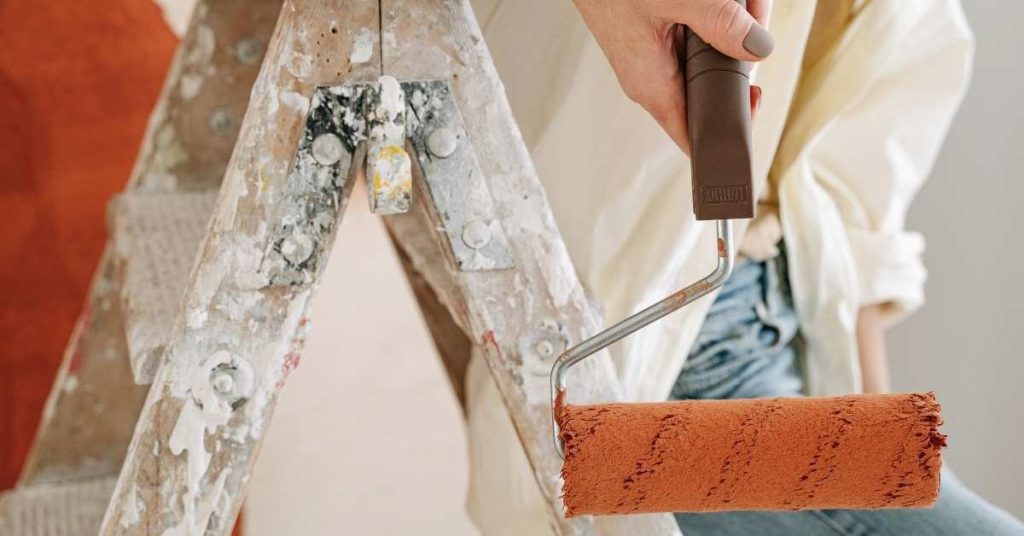
- Rollers: Medium nap for stains, fine nap for sealers. Ensure they’re in good condition.
- Brushes: Angled sash brush for edges, 3-4″ roller cover for large areas. Check bristles for stiffness and length.
- Scrubbers: For surface prep. Choose stiff-bristle, non-metallic scrub pads.
- PPE: Gloves, safety glasses, ear protection (if using power tools).
- Stains: Water-based or solvent-based. Check for desired color and opacity.
- Washes: Additive washes for antiquing effect. Check compatibility with chosen stain.
- Trowels: For squeegee effects. Choose a flexible, non-corrosive blade.
- Sealers: Water-based or solvent-based. Match sealer to desired look and surface type.
Quick rule: Always check product labels for safety warnings and storage instructions.
Step-by-step application for antiquing stain and washes
Follow this sequence to achieve a professional-looking, antique finish on your concrete surface.
- Pre-clean the surface. Remove all dirt, debris, and contaminants.
- Test stain/wash compatibility. Apply a small amount of each product in an inconspicuous area.
- Apply base stain. Use sprayer or roller for even coverage. Let it dwell as per manufacturer’s instructions (usually 15-30 minutes).
- Apply antiquing wash. Use a brush, roller, or sprayer. Work in small sections to avoid lap marks.
- Blend or wipe excess. Use a damp cloth or sponge to blend edges and remove excess product. Check for desired effect.
- Neutralize if needed. Rinse with clean water to stop the staining process (if using acid-based washes).
- Allow curing. Let the surface dry completely before sealing (usually 24-72 hours).
- Apply sealer. Use a roller or sprayer for even coverage. Allow it to cure as per manufacturer’s instructions.
Layering, blending, and faux-aging techniques
Create depth and authentic-looking age with these layering and blending techniques.
Layering: Apply multiple colors of stain or wash, allowing each to dry before the next. Start with a light base color, then add darker shades for dimension.
Selective wiping: Wipe off excess product while it’s still wet to reveal underlying layers and create contrast. Use a damp cloth or sponge for controlled results.
Dry-brushing: Apply a small amount of stain/wash to a dry brush, then gently dab onto the surface to create a textured, weathered look. This technique works best with water-based products.
Resist or masking: Use tape, paper, or plastic to mask off areas before applying stains/washes. Remove the mask after the product has dried to reveal clean lines and contrast.
Sealing — How Different Sealers Alter Color, Sheen, and Durability
Sealer families include penetrating options and film-forming coatings, with variations in water or solvent bases. Each type changes color depth and perception, so understand how your chosen sealer interacts with the look you want. Expect some shift as the glaze sets and cures.
Sheen ranges from matte to gloss, influenced by application method and film thickness. Consider slip resistance, UV stability, and abrasion needs when selecting a sealer. Guidance on penetrating versus film-forming options should align with substrate condition and intended use without assuming a fixed result.
Sealer types and finish characteristics
Sealers fall into two broad categories: penetrating and film-forming. Penetrating sealers, like silane or siloxane, soak into the concrete to protect it from within, leaving a natural, matte finish with minimal color change.
Film-forming sealers, such as acrylics, polyurethanes, or epoxies, create a protective layer on top of the surface. They alter color saturation and depth, providing more intense hues and gloss levels ranging from matte to high-gloss.
Solvent-based sealers offer better durability but have strong odors and longer drying times. Water-based alternatives are eco-friendlier, faster-drying, but may not be as durable or resistant to UV rays.
Choosing a sealer for location and look
For indoor use, consider water-based sealers with low VOCs. They’re safer, faster-drying, and offer a range of sheens from matte to semi-gloss.
For outdoor applications, opt for UV-stable, solvent-based sealers or high-quality water-based options. They’ll resist fading and maintain color vibrancy under sunlight exposure.
High-traffic areas like driveways or walkways need abrasion-resistant sealers. Epoxies or polyurethanes are good choices, but check manufacturer suitability for your specific antiquing work.
Timing, application methods, and curing after staining
Wait at least 24-72 hours after staining before sealing. This allows stains to fully cure and prevents sealers from interfering with the stain’s chemical reaction.
Use recommended application methods: spray for even coverage, roller for smooth surfaces, or pad for textured ones. Follow manufacturer guidelines for film thickness to avoid over-application.
Sealers are ready when they’re dry to touch. For full cure and maximum protection, wait at least a week before exposing the surface to heavy traffic or moisture.