

Table of Contents
Introduction
Choosing the right anchor is crucial for ensuring the stability and durability of your construction projects. In this comprehensive guide, we delve into the specifics of sleeve, wedge, screw, and epoxy anchors, comparing their strengths, applications, and ideal usage scenarios. Whether you’re a seasoned contractor or a DIY enthusiast, understanding these differences will help you make informed decisions for your next project.
Introduction to Anchors
Anchors are essential components in both construction and DIY projects, providing stability and support by securing materials to various surfaces. Understanding their types and applications is crucial for ensuring the safety and durability of any project.
Definition and Purpose
Anchors, in the context of web development, are elements that create a link to another location within the same document or to an entirely different document. They are defined using the <a> tag, which stands for “anchor.” This tag is essential for creating hyperlinks, allowing users to navigate seamlessly between web pages or sections of a single page.
The primary purpose of anchors is to enhance user navigation and improve the overall user experience on a website. By using anchors, developers can direct users to relevant content quickly, minimizing the need for excessive scrolling or searching. This functionality is particularly useful in long-form content, such as articles or manuals, where users might want to jump to specific sections.
In addition to navigation, anchors also play a crucial role in SEO optimization. When used effectively, they can help search engines understand the structure and hierarchy of a website, potentially improving its visibility in search results. By linking to relevant content, anchors contribute to a more interconnected web, benefiting both users and search engines alike.
Types of Anchors
In the world of web development, understanding the different types of anchors is essential for effective navigation and linking strategies. Anchors serve as navigational tools that help users and search engines understand the structure and content of a website. There are several types of anchors, each with its unique purpose and application.
The most common type is the internal anchor link, which connects different sections within the same webpage. This type is particularly useful for long-form content, allowing users to jump directly to the information they seek. Another important type is the external anchor link, which directs users to a different website altogether. These links are crucial for referencing sources or directing users to additional resources.
By understanding these types of anchors, web developers can create a more seamless and user-friendly browsing experience. This article will delve deeper into each type, comparing their uses and benefits in various scenarios.
Sleeve Anchors
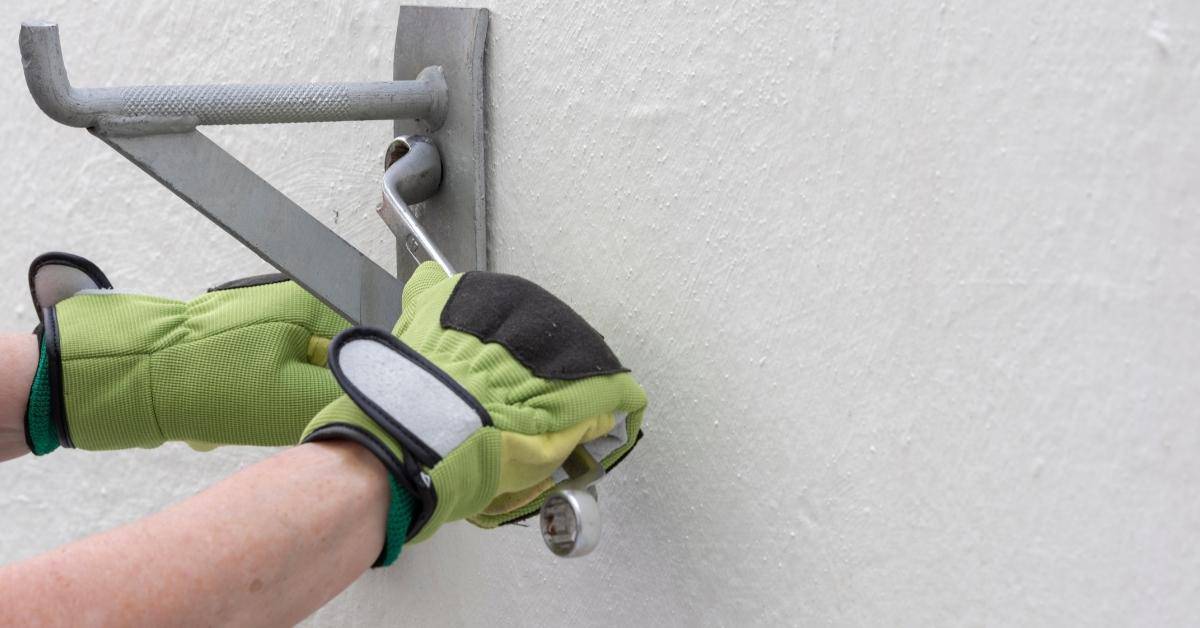
Sleeve anchors are versatile fasteners designed for use in solid materials such as concrete, brick, and stone. This section explores their unique design features and highlights their common applications in construction and DIY projects.
Design and Functionality
Sleeve anchors are designed with a unique combination of components that work together to provide a secure hold in various materials. Typically, these anchors consist of a threaded bolt, an expansion sleeve, and a nut. The expansion sleeve is the key component, designed to expand against the walls of the drilled hole when the bolt is tightened. This expansion creates a strong grip, making sleeve anchors ideal for use in concrete, brick, and block.
The functionality of sleeve anchors relies on the principle of friction and expansion. When the nut is tightened, the bolt pulls upwards, causing the sleeve to expand outward. This expansion increases the friction between the anchor and the hole, ensuring a tight fit. The design allows for versatility in various applications, as sleeve anchors can accommodate different thicknesses of materials and are available in various lengths and diameters to suit specific needs.
Installation is straightforward, requiring only a drilled hole of the appropriate size. Once inserted, the bolt is tightened, causing the sleeve to expand and secure the anchor in place. This simple yet effective mechanism makes sleeve anchors a popular choice for both professional builders and DIY enthusiasts looking for a reliable fastening solution.
Common Applications
Sleeve anchors are highly versatile and are often used in concrete and masonry applications. They are ideal for securing objects to solid surfaces, such as attaching metal structures to concrete walls. Their design allows them to expand and grip the material securely, making them a reliable choice for heavy-duty tasks.
These anchors are frequently employed in construction and renovation projects where stability is crucial. For instance, they are used to fasten railings, support beams, and heavy machinery to floors or walls. Their ability to handle substantial loads makes them a go-to solution for contractors and builders.
In addition to construction, sleeve anchors are also popular in industrial settings. They are used to mount equipment, secure shelving units, and install safety barriers. Their robust nature ensures that installations remain secure even under significant stress, providing peace of mind in demanding environments.
Wedge Anchors
Discover the essential features and versatile applications of wedge anchors, a reliable choice for securing heavy loads in concrete. This section delves into their unique design and practical benefits, making them indispensable in construction and engineering projects.
Features and Benefits
Wedge anchors are a popular choice for securing heavy loads into concrete due to their exceptional holding power. These anchors expand upon installation, creating a tight grip within the concrete that ensures stability and reliability. This feature makes them ideal for applications where safety and performance are critical.
One of the primary advantages of wedge anchors is their versatility. They are suitable for various concrete conditions, including cracked and uncracked concrete, offering flexibility for different construction projects. Additionally, they come in different sizes and materials, such as stainless steel and zinc-plated steel, to meet specific environmental and load requirements.
Another significant benefit is their ease of installation. Wedge anchors require only a drilled hole and a few simple tools, making them a convenient choice for both professional contractors and DIY enthusiasts. This simplicity reduces installation time and labor costs, enhancing overall project efficiency.
Installation Process
Installing wedge anchors requires precision to ensure they hold securely. Begin by selecting the appropriate drill bit size that matches the diameter of the anchor. Drill a hole into the base material to the required depth, ensuring it is free of debris. It’s crucial to check base compaction to guarantee stability.
Next, insert the wedge anchor into the drilled hole. Use a hammer to tap it gently until the washer and nut are snug against the surface. Tighten the nut with a wrench, which will cause the wedge to expand and grip the material tightly. Ensure the anchor is firmly secured by applying the recommended torque.
Finally, inspect the installation to confirm that the anchor is flush with the surface and properly aligned. This step is vital to prevent any future loosening or failure. Following these steps will help you achieve a reliable and durable installation.
Screw Anchors
Screw anchors are versatile fastening solutions designed to provide strong, reliable support in various materials, making them essential for both residential and commercial construction projects. Their unique design allows for easy installation and removal, offering a secure hold in applications ranging from drywall to concrete.
How Screw Anchors Work
Screw anchors, also known as screw-in anchors or helical anchors, function by embedding into the ground or a substrate to provide a secure hold. The mechanism involves a helical blade that is twisted into the material, allowing the anchor to grip tightly. This design ensures that the anchor can support a significant load, making it ideal for various applications such as securing structures or stabilizing soil.
During installation, it is crucial to check base compaction to ensure the anchor will hold effectively. The process begins by selecting the appropriate size and type of screw anchor for the specific application. Once chosen, the anchor is driven into the ground using specialized equipment that rotates the anchor, allowing the helical blade to cut through the material and create a firm grip.
As the screw anchor is installed, the helical blade generates a downward force that helps the anchor to penetrate deeper, enhancing its holding capacity. This method allows for a quick and efficient installation, making screw anchors a popular choice in construction and engineering projects. Proper installation ensures that the anchors provide long-lasting stability and support.
Epoxy Anchors
Epoxy anchors are a versatile and robust solution for securing heavy loads in construction and engineering projects. Composed of a two-part resin and hardener system, they offer exceptional bonding strength and durability, making them ideal for a variety of applications.
Composition and Strength
Epoxy anchors are crafted from a blend of resin and hardener, forming a robust adhesive that secures materials together. The resin component is typically a bisphenol-A or bisphenol-F epoxy, while the hardener is often an amine-based compound. This combination results in a chemical reaction that provides a strong bond, essential for anchoring applications in construction and engineering.
The strength of epoxy anchors is one of their most significant advantages. These anchors are known for their high load-bearing capacity, making them suitable for heavy-duty applications. The adhesive strength allows them to perform well under stress, providing reliable support in both static and dynamic conditions. This makes them an ideal choice for projects requiring long-term durability and stability.
Another critical aspect of epoxy anchors is their ability to adhere to various substrates, including concrete, brick, and stone. This versatility ensures a secure hold in diverse environments, contributing to their widespread use in construction. The combination of strong adhesion and material compatibility ensures that epoxy anchors remain a trusted solution for demanding applications.
Application Scenarios
Epoxy anchors are an ideal choice for situations where high load capacities are required. They are often used in construction projects that demand strong and durable connections, such as securing structural steel, railings, or heavy machinery to concrete surfaces. The ability of epoxy to bond effectively with both the anchor and the substrate ensures a secure hold, making it suitable for environments where safety and stability are paramount.
Another common scenario for using epoxy anchors is in retrofit projects. When existing structures need reinforcement or modification, epoxy anchors provide a reliable solution without the need for extensive demolition or reconstruction. Their adaptability allows them to be used in various base materials, including cracked or uncracked concrete, making them a versatile choice for engineers and contractors.
Epoxy anchors are also preferred in corrosive environments, such as coastal areas or industrial settings. The chemical resistance of epoxy ensures that the anchors maintain their integrity even when exposed to harsh conditions. This makes them an excellent option for projects where longevity and durability are critical considerations.

Comparing Anchors: Pros and Cons
In the world of construction and DIY projects, choosing the right anchor is crucial for ensuring stability and safety. This section delves into a comparative analysis of sleeve, wedge, screw, and epoxy anchors, examining their unique advantages and disadvantages to help you make an informed decision.
Strength and Durability
When comparing anchors, understanding their strength and durability is crucial for ensuring safety and reliability. Different types of anchors are designed to withstand varying levels of stress and environmental conditions. For instance, concrete anchors are known for their high load-bearing capacity, making them ideal for heavy-duty applications. However, their performance can be significantly affected by the quality of the concrete and the installation process.
On the other hand, screw anchors offer a balance between ease of installation and durability. They are particularly useful in softer materials where traditional anchors might not hold as well. Despite their convenience, it’s important to check base compaction to ensure they achieve optimal grip and longevity.
Lastly, expansion anchors provide a reliable solution for securing fixtures in solid materials. Their strength is largely dependent on the material in which they are installed, as well as the anchor’s design. Choosing the right type of anchor based on the specific requirements of your project will ensure both long-term performance and safety.
Cost and Availability
When it comes to choosing the right anchor type, understanding the cost implications is crucial. Different anchors come with varying price points, largely influenced by the materials used and their intended applications. For instance, stainless steel anchors tend to be more expensive due to their durability and resistance to corrosion, making them a preferred choice for marine environments. On the other hand, plastic anchors are generally more affordable but may not offer the same level of strength and longevity.
Availability can also impact your decision. While common anchors like wedge and sleeve anchors are widely available at most hardware stores, specialized anchors might require ordering from specific suppliers, which could lead to longer wait times. It’s important to consider not just the immediate cost, but also the potential delays in project timelines due to limited availability of certain anchor types.
Overall, balancing cost and availability with your project’s specific needs will help ensure you select the most appropriate anchor. By weighing these factors, you can make an informed decision that aligns with both your budget and schedule, ensuring a successful outcome for your project.
Essential Tools and Equipment for Installing Anchors
Successfully installing sleeve, wedge, screw, and epoxy anchors requires the right tools and equipment to ensure a secure and reliable hold. Whether you’re a professional contractor or a DIY enthusiast, having the proper gear will make the installation process more efficient and effective. This section outlines the essential tools you’ll need for each type of anchor, helping you prepare for any anchoring task.
- Drill and Drill Bits: A powerful drill is necessary for creating precise holes in concrete, brick, or other materials. Ensure you have the correct drill bit size for the anchor type you’re using.
- Hammer: For wedge and sleeve anchors, a hammer is essential to tap the anchor into the drilled hole, ensuring it is seated correctly before tightening.
- Wrench or Socket Set: Tightening the nuts on sleeve and wedge anchors requires a wrench or socket set to achieve the necessary torque for a secure fit.
- Screwdriver: A screwdriver is needed for installing screw anchors, especially in softer materials like drywall or wood.
- Epoxy Applicator: For epoxy anchors, an applicator gun is required to mix and inject the resin and hardener into the drilled hole, ensuring a strong bond.
- Cleaning Tools: A wire brush or compressed air can be used to clean out dust and debris from drilled holes, which is crucial for proper anchor adhesion.
- Measuring Tape and Marker: Accurate measurements and markings ensure that holes are drilled in the correct locations, aligning with your project’s specifications.
Safety Precautions
When working with anchors, always prioritize safety by wearing protective gear such as safety glasses and gloves. Ensure the work area is clear of debris and that you follow manufacturer instructions for each tool and anchor type. Proper preparation and caution will help prevent accidents and ensure a successful installation.
Choosing the Right Anchor for Your Project
Selecting the appropriate anchor is crucial for the success and safety of your project. This section provides essential guidance to help you choose the most suitable anchor based on your specific project requirements.

Conclusion
In the world of construction and DIY projects, understanding the differences between sleeve, wedge, screw, and epoxy anchors is crucial for ensuring the stability and longevity of your work. Each type of anchor offers unique benefits and is suited for specific applications.
Sleeve anchors are versatile and easy to use, making them ideal for medium-duty tasks. Wedge anchors, known for their strength, are perfect for heavy-duty applications, especially in concrete. Screw anchors provide flexibility and are excellent for lighter loads, while epoxy anchors offer superior bonding strength, making them suitable for critical structural applications.
Choosing the right anchor for your project involves considering various factors such as the material of the base, the weight of the load, and environmental conditions. By evaluating the pros and cons of each anchor type, you can make an informed decision that ensures safety and efficiency.
Whether you’re working on a small home improvement task or a large-scale construction project, selecting the appropriate anchor is a vital step in achieving a successful outcome. Armed with this knowledge, you can confidently tackle any anchoring challenge that comes your way.
FAQ
What are sleeve anchors used for?
Sleeve anchors are versatile and commonly used for securing objects to concrete, brick, or block surfaces. They are ideal for medium to heavy-duty applications, such as attaching signs, light fixtures, or handrails.
How do wedge anchors differ from sleeve anchors?
Wedge anchors are designed for solid concrete and provide a stronger hold compared to sleeve anchors. They expand upon installation, creating a secure grip, making them suitable for heavy-duty applications like securing structural supports.
Are screw anchors suitable for drywall?
Yes, screw anchors are often used for drywall applications. They provide a secure hold for lightweight items like picture frames and small shelves, preventing screws from pulling out of the wall.
When should I use epoxy anchors?
Epoxy anchors are ideal for high-load applications where a strong bond is required, such as in structural repairs or heavy machinery installations. They are used in both cracked and uncracked concrete, providing a reliable solution when traditional anchors are insufficient.
Can I use wedge anchors in brick walls?
Wedge anchors are not recommended for use in brick walls as they require solid concrete to achieve their full holding potential. For brick applications, sleeve anchors or other types of anchors designed for masonry are more suitable.