

Introduction
Old concrete can be unreliable for anchors because the surface may lie about overall strength. The outer layer can look solid even when cores are weak. That means you need a simple test to verify what you’re drilling into.
Start by listening for a hollow sound and looking for flaking, spalling, or cracks near the edge. If a test hole shows loose material or a lot of dust without clean resistance, don’t rely on that spot. Always check the label on the anchor you plan to use and follow the manufacturer’s instructions, and if in doubt, follow local rules.
Key takeaways
- Old concrete can fake strength; verify with surface tests and drill cores.
- Assess environment and material factors before choosing anchors or designs.
- Use non-destructive tests for screening, then semi-destructive methods for confirmation.
- Follow field workflow: test, evaluate, select anchors, and document results.
- Surface prep matters: clean, profile, and repair cracks before installation.
- Always wear PPE, observe code rules, and escalate to an expert when unsure.
Table of Contents
- Introduction
- Key takeaways
- Why Old Concrete Surfaces Can Be Deceptive
- Key Material and Environmental Factors That Control in-Place Strength
- Non-Destructive Testing (NDT) Methods for Field Screening
- Semi-Destructive and Destructive Tests for Definitive Assessment
- Field Testing Protocol and Decision Workflow
- Selecting Anchors and Designing Connections for Old Concrete
- Surface Preparation, Repairs, and Best Installation Practices
- Safety, Code Considerations, Documentation, and When to Call an Expert
- Conclusion
- FAQ
Why Old Concrete Surfaces Can Be Deceptive
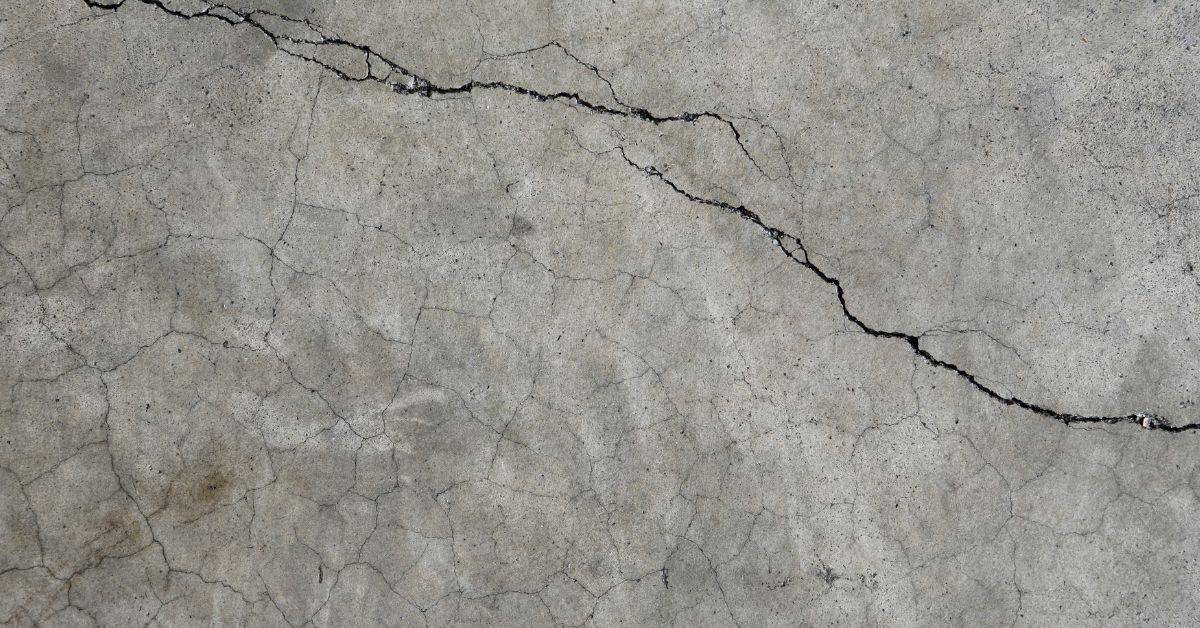
Old concrete can look solid, but the underlying substrate may be weak or fractured. Surface coatings, paint, or coatings can hide crumbling concrete beneath. A hard crust can give false confidence before you anchor anything permanent.
Exposed aggregate or polished surfaces can mask delaminated layers and voids. The visible texture might not reflect the true integrity of the base material. Always verify the actual condition before committing to anchors.
Typical misleading surface conditions
Old concrete surfaces can look solid but hide surprises. Here’s what to watch out for:
Laitance: This is a weak, powdery layer on top of good concrete. It looks fine, but it won’t hold anchors. Before drilling, check with a screwdriver or chisel. If it’s soft, dig deeper.
Overlays and patchwork: These can hide weak spots. Anchors might seem secure, but the underlying concrete could be rubbish. Always drill through any overlay or patch to ensure you’re hitting solid base.
Surface carbonation: This is when concrete turns gray and powdery on top. It looks sound, but it’s not. Carbonation weakens the surface, so anchors won’t hold. Before drilling, check with a screwdriver or chisel. If it’s soft, dig deeper.
Visual inspection checklist and quick visual checkpoints
Before you start any work on old concrete surfaces, use this checklist to identify potential issues. It’s like giving your site a once-over before diving in.
- Check for cracks: Even hairline fractures can lead to bigger problems. Use a flashlight to inspect edges and joints.
- Look for spalling: Flaking or peeling concrete indicates underlying issues. Tap suspect areas with a hammer; if it sounds hollow, dig deeper.
- Inspect delamination: Peeling layers can be a sign of moisture damage. Check for loose pieces and probe with a screwdriver.
- Check for efflorescence: A white, powdery deposit on the surface could indicate water movement. Wipe it off and check if more appears.
- Inspect joints: Wide or cracked control joints can cause bigger cracks. Measure joint widths and check for stability.
- Check for discoloration: Uneven coloring might hide moisture issues. Use a damp meter to test for moisture content.
- Look for settlement: Sunken or raised areas can indicate soil instability. Measure levels across the surface.
- Inspect reinforcing bars: Exposed rebar is a sign of severe deterioration. Check if they’re still secure and protected from corrosion.
Quick rule: If you find any issues that seem serious, don’t hesitate to call in a professional for an expert opinion. It’s better to be safe than sorry when dealing with old concrete.
Key Material and Environmental Factors That Control in-Place Strength
Concrete strength is shaped by the original mix and age, which influence how it behaves under load. Deterioration mechanisms like carbonation can reduce the surface quality even when it looks fine. Moisture content and circulation play a big role in how much strength is available at the anchor point.
Chloride exposure, freeze-thaw cycles, and ongoing moisture movement can erode substrate capacity over time. These factors interact with coatings and repairs, altering how anchors perform. Check the project’s label or instructions for guidance on these conditions.
Mechanical and Chemical Deterioration Processes
Concrete’s strength comes from its ingredients binding together. Over time, these bonds weaken due to various processes.
Microcracking is like tiny fractures that form over years, reducing concrete’s ability to hold anchors securely.
Rebar corrosion happens when moisture and oxygen reach the steel reinforcement. This causes expansion, leading to cracking and loss of strength at the surface where you’d be anchoring.
Even aggregate debonding, where small particles loosen and fall out, can compromise concrete’s integrity and reduce its capacity under anchors.
How Construction History and Repairs Affect Anchoring
Concrete’s past treatments and repairs can impact how well it holds anchors today. Overlays, for instance, might hide weak or damaged concrete beneath.
Previous anchors may have left voids that weaken the area around them. Patching repairs could also hide underlying issues or use different mixes that don’t bond as well with the original concrete.
Unknown mixes can be a wildcard. If you’re unsure about what’s under your feet, it’s best to test before anchoring. Remember, it’s not just about the surface; it’s about what lies beneath.
Non-Destructive Testing (NDT) Methods for Field Screening
Use quick NDT tools like a rebound hammer or ultrasonic device to gauge relative strength and uniformity. These methods give you a rough map rather than a final verdict. Understand that results can be influenced by surface conditions and lot variability.
Limitations include poor sensitivity to deep delaminations and mixed substrates. They are best used for screening and prioritizing where more testing is needed. Always verify with manufacturer guidelines or local code requirements if you plan to base decisions on these results.
Rebound/Schmidt Hammer and When to Trust It
The rebound, or Schmidt, hammer is a quick, easy-to-use tool for field screening. Here’s how it works:
You hit the concrete with a spring-loaded hammer. The rebound height tells you about the concrete’s strength. Higher rebound means stronger concrete.
But, old surfaces can fool this method. Cracks, scaling, or weak spots can give false high readings. So, use it as a screening tool. If it flags an area, dig deeper with other methods.
Ultrasonic, Impact-Echo, and Infrared Screening
These methods use waves to ‘see’ inside the concrete:
Ultrasonic sends high-frequency sound waves. Time-of-flight tells you if there are voids or delaminations.
Impact-echo works like a tiny earthquake. Waves bounce back, revealing hidden flaws.
Infrared shows temperature differences, hinting at moisture (and potential problems). Combine these methods for better reliability. None are perfect, but together they give a clearer picture.
Semi-Destructive and Destructive Tests for Definitive Assessment
Core sampling lets you inspect the interior without removing the whole slab, but it confirms only the sampled area. Pull-off or pull-out tests measure actual anchor capacity on the in-place substrate. Plate bearing tests provide a more direct reading of load resistance under controlled conditions.
Perform these tests when the results will change the design or installation plan, and follow manufacturer instructions and local rules. Document the test setup, locations, and how specimens were prepared for traceability.
Core sampling: purpose, collection, and lab tests
Coring is the most reliable way to assess old concrete’s compressive strength. It reveals aggregate condition, cracks, and reinforcement location.
Purpose: Determine in-place strength, identify hidden issues.
Collect cores using a diamond blade or coring bit. Ensure they’re representative of the area you’ll anchor into. Send them to a lab for testing. They’ll crush the core and give you the compressive strength.
Pull-off and pull-out tests: interpretation and limits
These tests measure the bond between old concrete and an anchor. They’re quick but have limitations.
Interpretation: Adhesive failure (concrete breaks) is good; cone failure (anchor pulls out) is bad.
Limitations: Tests don’t reveal hidden cracks or weak zones. Results can be misleading if concrete’s too weak or has inconsistent strength.
Field Testing Protocol and Decision Workflow
Start with a screening plan that covers critical areas first, then expand to representative zones. Define a sampling pattern that avoids bias and notes any substrate variability. Keep a clear checklist for what was tested and where.
Move to confirmation tests in areas that show weakness or inconsistent results. Record results carefully and compare against project requirements, manufacturer guidance, and local regulations. Use the workflow to decide whether to proceed, revise the design, or bring in a specialist.
Quick screening to full-test escalation flow
Start with a visual and tactile inspection. Look for cracks, delamination, or other signs of weakness.
Next, use non-destructive testing (NDT) methods like the rebound hammer or ultrasonic pulse velocity to screen larger areas quickly. These won’t give you exact strengths but will help identify suspect zones.
Where indicators suggest weak spots or if you’re planning high-load anchors, escalate to targeted core sampling or pull tests. Remember, these destructive tests should be done carefully and sparingly to avoid compromising the structure.
Sampling strategy and documentation essentials
For each test location, record surface condition, test type, orientation (horizontal or vertical), and environmental factors like temperature and humidity. This helps you understand the context of your results.
Prioritize critical areas for testing – where anchors will bear the most load, or where visual signs of deterioration are evident. Consult an engineer if you’re unsure about sampling density; they can help ensure you’ve got enough data to make informed decisions.
Consistency is key. Make sure your tests are done in a similar manner across the entire surface to get comparable results.
Selecting Anchors and Designing Connections for Old Concrete
Translate test outcomes into appropriate anchor types, sizes, and installation methods. Always follow the anchor manufacturer’s guidance for edge distances and spacing limits. When the substrate is weak, consider alternative attachment schemes or reinforcement before anchoring.
Document the rationale for your choices and note any deviations from standard practice. Check if additional substrates or backing materials are recommended by the manufacturer or a spec sheet. If in doubt, consult the product data sheet or a structural engineer.
Anchor types and suitability for deteriorated substrate
When dealing with old concrete, not all anchors are created equal. You’ve got to choose wisely based on your test results.
Adhesive anchors are great when you’ve got a solid surface. They work by bonding directly to the concrete. But if your tests show weak spots, they might not be strong enough.
Mechanical anchors, like wedge or sleeve anchors, can be useful in weaker areas. They rely on friction and bearing rather than bond strength. But remember, they need a certain depth of embedment to work properly.
Undercut and through-bolt anchors are heavy-duty options that require drilling into the concrete. They’re best when you’ve got solid substrate and need serious holding power. But they also cause more damage to the concrete.
When anchors aren’t enough: alternative attachment strategies
Sometimes, even the best anchors won’t cut it. When your old concrete is too far gone, it’s time to get creative.
One option is to transfer loads to new embedded plates. This involves drilling into the concrete and installing new reinforcement. It’s a big job, but it can save your structure when anchors won’t do.
Another approach is using expansion or reinforcement dowels. These are installed in sound concrete and help distribute loads more evenly. They’re great for strengthening existing structures.
Lastly, consider redesigning the support. If you can’t strengthen what’s there, sometimes it’s best to start fresh. This might mean adding new supports or changing your design altogether.
Surface Preparation, Repairs, and Best Installation Practices
Prepare the substrate cleanly and uniformly, removing loose material and oils that could affect bonding. Repair undermined or cracked areas to restore uniform support for anchors. Follow a disciplined approach to repair before fixture installation.
During installation, use appropriate tools and follow the exact resting position, depth, and torque recommended by the manufacturer. Verify surface moisture and temperature conditions meet the product guidelines. Good preparation directly supports better anchorage performance.
Cleaning, removing laitance, and preparing substrate
Before you start anchoring into old concrete, you need to clean the surface and remove any weak or loose material. This ensures your anchors have a solid grip.
Use mechanical cleaning methods like wire brushing or grinding to expose sound concrete. For tougher surfaces, consider abrasive blasting with sand or grit.
You’ll know prep is adequate when you see clean, sound concrete with no visible cracks, delamination, or loose material. The surface should be slightly rough to the touch for better anchor adhesion.
Repair and patching approaches before anchoring
Before installing anchors, repair any undermined or damaged areas. This ensures your anchors have a solid base to grip onto.
For small cracks or holes, use a concrete crack filler or repair mortar. For larger areas, consider local patching, re-profiling, or even replacement if the damage is extensive.
Repairs should reach sound concrete for best results. If you can’t reach sound concrete, engineered repairs may be necessary. Always consult with a structural engineer when in doubt.
Tools and materials checklist for testing and installation
Before you start your anchoring project, use this checklist to ensure you have all the necessary tools and materials. This will save you time and trips to the hardware store.
- Inspection tools: Chisel, hammer, wire brush, magnifying glass (for close-up inspection)
- Test equipment: Rebound/Schmidt hammer, ultrasonic or impact-echo device
- Anchor installation tools: Drill, anchor-specific drill bits, wrench, trowel
- PPE: Safety glasses, gloves, ear protection (for drilling)
- Consumables: Anchors, anchor-specific adhesive or grout, concrete repair materials, abrasive blasting media
- Miscellaneous: Tape measure, level, marker, drop cloths
Quick rule: Always double-check your tools and materials before starting. Missing something can lead to delays or poor results.
Safety, Code Considerations, Documentation, and When to Call an Expert
Work safely by following fall protection, dust control, and tool safety practices during testing and installation. Use personal protective equipment as required for the task at hand. Keep work areas orderly to avoid accidental damage or injuries.
Document all tests, results, and installation details for compliance and liability. If results indicate weak or unpredictable substrate behavior, or if rules demand it, involve a structural engineer or testing lab. Rely on official guidelines and product instructions for final decisions.
Minimum safety and inspection protocols
Before you start testing or installing anchors in old concrete, follow this checklist to ensure a safe and accurate process.
- Safety Barrier: Set up barriers around the work area to protect workers and passersby from falling debris.
- Personal Protective Equipment (PPE): Ensure all workers wear appropriate PPE, including hard hats, safety glasses, and steel-toed boots.
- Concrete Condition: Inspect the concrete surface for any signs of severe deterioration like spalling or delamination. If present, consult a structural engineer before proceeding.
- Moisture Content: Check for excessive moisture as it can affect test results and anchor performance. Use a simple moisture meter to confirm.
- Test Locations: Mark out test locations ensuring they’re representative of the entire area and at least 300mm from any edges or cracks.
- Cleanliness: Ensure the surface is clean and free of dust, dirt, or contaminants that could interfere with tests or anchor installation.
- Test Equipment: Check all testing equipment is in good working order and calibrated if necessary.
- Documentation: Have a record-keeping system ready to log test results, observations, and any issues encountered.
Quick rule: Always prioritize safety first. A rushed job can lead to injuries or inaccurate results.
What to include in a professional test report and decision memo
A comprehensive test report is crucial for making informed decisions about anchoring into old concrete. Here’s what your report should cover.
Start with a clear, concise executive summary outlining the project, test methods used, locations tested, and key findings. Include high-quality photographs of the test areas to support your report.
Next, detail the testing methodology, including the types of tests conducted (pull-off, pull-out, etc.), equipment used, and any relevant standards followed. List the exact locations of each test, using a site plan or diagram if necessary.
Present the results in a clear, easy-to-read format, highlighting any failures and their potential causes. Conclude with your recommendations for next steps based on the test results, such as proceeding with anchor installation, engaging an engineer for further analysis, or performing additional tests.
When to engage a structural engineer or materials lab
The material properties of old concrete can be unpredictable. Here are signs that you should seek professional help before proceeding with anchoring.
- Ambiguous Test Results: If test results are inconsistent, inconclusive, or don’t meet your project’s requirements, consult a structural engineer for further analysis.
- Safety-Critical Loads: When the loads applied to anchors are critical to the structure’s safety (e.g., supporting heavy equipment), engage an engineer to ensure the anchors can bear the load.
- Extensive Deterioration: If the concrete shows signs of extensive deterioration like widespread cracking, delamination, or significant loss of section, involve a structural engineer before proceeding.
- Unknown Concrete Type: When the type of concrete is unknown or suspected to be non-standard, send samples to a materials lab for identification and testing.
- Unusual Failure Modes: If tests reveal unusual failure modes (e.g., anchor pull-out rather than concrete breakage), consult an engineer to understand why and how to proceed.
Quick rule: When in doubt, err on the side of caution. Engaging professionals early can save you time, money, and potential structural issues down the line.
Conclusion
Anchoring into old concrete is a matter of safety and durability. If the surface can lie, you test first, confirm the strength, and then choose anchors that fit what you find and what the job needs.
First, inspect a small area and run the field screenings or basic tests you covered, then follow a simple sequence: verify surface condition, assess in-place strength with appropriate non-destructive checks, decide if your test results meet the load demands, select anchors and designs that suit older concrete, and finish with proper surface prep, installation, and documentation. Do the work in light steps, keep the area clean, and re-check after each stage before moving on to the next, so you avoid costly mistakes.
Common mistakes to avoid are guessing about strength, skipping small-area tests, and forcing anchors into already compromised concrete. Never skip safety steps or over-torque anchors in suspect locations. Stay conservative: test in a non-critical spot first, use the recommended installation practices, and protect the surrounding work area to prevent damage or injuries.
If the tests show uncertain strength, if specialized equipment or code considerations apply, or if the load is critical, call a professional rather than pushing ahead. When you know the limits and follow a clear plan, you can get a solid, safe connection without guesswork—and finish with confidence that the job will last.
FAQ
How do I verify a concrete surface can hold a load before anchoring?
Check the surface for visible cracks, spalling, or soft spots. If the concrete feels hollow or crumbly to the touch, don’t anchor there. Always refer to the anchor manufacturer’s installation instructions and your local rules for load limits and procedures.
What simple checks can I do at home to assess surface condition without destructive tests?
Inspect for scaling, dusting, or patches that ring when struck with a hammer. Tap test for hollow sounds can help spot weak areas, but it’s not definitive. If in doubt, treat the area as suspect and test more or choose a different location.
How should I interpret test results and when should I refrain from anchoring?
If your tests show inconsistent or weak readings, or if there are large cracks or movement, don’t anchor. Use the manufacturer’s guidance and local rules to decide if an upgrade, additional reinforcement, or choosing an alternative anchor location is needed.
What are safer alternatives when old concrete is uncertain?
Consider using mechanical anchors that are appropriate for uncertain or compromised surfaces, or choose surface mounting options that don’t rely on high embedment. If the structure supports critical loads, hire a qualified pro for evaluation and proper anchor design per instructions and local requirements.