
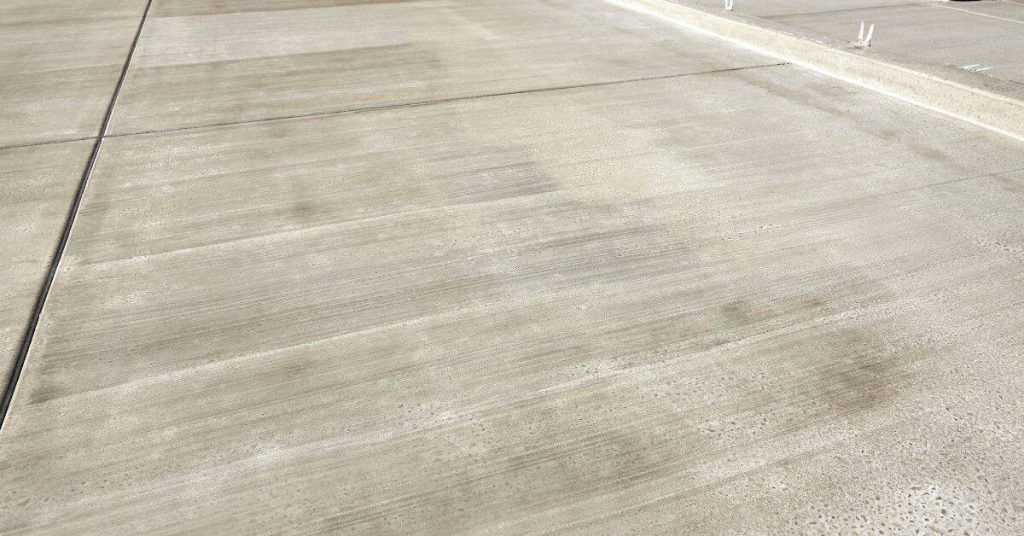
Introduction
Air-entrained concrete uses air bubbles added during mixing to resist freeze–thaw damage. For driveways and steps, this helps the surface survive cycles of freezing and thawing without cracking. Check the product label and manufacturer instructions to understand the recommended air content for your project.
Keep the mix cool to cure evenly, protect fresh concrete from rapid drying, and use proper joints to control movement. Follow the manufacturer’s guidance and any local rules, and avoid de-icing chemicals until the concrete is fully set. If in doubt, ask the supplier or a local pro what to check on the label.
Key takeaways
- Inspect air-entrained concrete specs and follow manufacturer guidelines for driveways and steps.
- Use air-entraining admixtures as directed; verify compatibility with cement and aggregates.
- Proper consolidation and joint spacing reduce trapped air and cracking risk.
- Seal joints and surface after curing to minimize water infiltration.
- Perform visual checks for scaling, efflorescence, or shallow cracking after thaw cycles.
- Safety: wear eye/skin protection during mixing and handling; keep pets away.
Table of Contents
- Introduction
- Key takeaways
- Why This Topic Matters for Driveways and Steps
- How Freeze–Thaw Cycles Damage Concrete
- Air Entrainment Fundamentals — What It Is and Why It Helps
- Real Freeze–Thaw Failure Case Studies and Root Causes
- Diagnosing Freeze–Thaw Damage — Visual Checkpoints and Simple Tests
- Mix Design, Materials, and Standards Explained
- Best Construction Practices and Quality Control to Prevent Failures
- Maintenance, Repair Strategies, and When to Replace
- Conclusion
- FAQ
Why This Topic Matters for Driveways and Steps
Freeze–thaw cycles are a real risk for horizontal surfaces and steps exposed to the elements. Water that enters concrete can freeze, expand, and push against the surrounding material. The result is cracking, spalling, and progressive deterioration that shows up as uneven surfaces or loose chunks.
Homeowners and contractors face higher maintenance costs and safety concerns when durability is compromised. Small cracks can widen over time, allowing more water in and creating trip hazards. Understanding the stakes helps guide better material choices and construction practices from the start.
Vulnerability of driveways and steps
Driveways and steps are particularly vulnerable to freeze-thaw damage due to their exposure, constant traffic, and the use of de-icing salts. Here’s why:
Exposure: These areas are constantly exposed to the elements, making them prime targets for moisture absorption.
Traffic: Vehicles and foot traffic put pressure on these surfaces, weakening their structure over time.
De-icing salts: While they help melt ice, de-icing salts can penetrate concrete and cause damage when temperatures drop.
Additionally, thin sections of concrete in steps are more susceptible to cracking and spalling due to the concentration of weight and stress.
Consequences: safety, repair cost, and lifespan
Failed concrete on driveways and steps can lead to serious consequences:
Safety hazards: Surface spalling creates trip hazards, while delamination can cause pieces of concrete to break off, posing a risk to people and vehicles.
Repair costs: Fixing damaged concrete is expensive. It’s often cheaper to prevent damage in the first place than to repair it later.
Reduced lifespan: Concrete that suffers freeze-thaw damage will have a shorter lifespan, leading to more frequent replacements.
In extreme cases, entire sections may need to be replaced, resulting in significant time and money spent on repairs or reconstruction.
How Freeze–Thaw Cycles Damage Concrete
Water inside concrete beads up and freezes in place when temperatures drop. The ice expands, creating internal pressures that the surrounding matrix may not contain. This repeated action weakens the paste and surrounding aggregate over time.
The damage isn’t just surface-level. Cracks can propagate and widen, reducing strength and creating paths for moisture to intrude. Left unchecked, the concrete becomes more susceptible to spalling and misalignment with nearby surfaces.
Water, pores, and hydraulic pressure
When water freezes, it expands by about 9%. In concrete, this expansion happens inside the tiny pores. If these pores are filled with water and there’s nowhere for it to go, the pressure builds up.
The structure of the concrete – its pore size distribution and permeability – determines how much damage this causes. Smaller pores mean less room for expansion, leading to higher pressures and more cracking.
Imagine a sponge soaked in water. When you freeze it, the ice pushes against the sponge’s fibers. If the sponge is too tight (low permeability), it’ll tear apart. That’s what happens to concrete with small, clogged pores during freeze-thaw cycles.
Role of salts and repeated cycles
De-icing salts make things worse. They lower the freezing point of water, so even if temperatures fluctuate around 0°C (32°F), damage can occur. Plus, these salts penetrate deep into concrete, causing internal scaling and microcracking.
Each freeze-thaw cycle weakens the concrete a little more. It’s like repeatedly bending a metal wire – after many bends, it’ll eventually break. The same happens to concrete with repeated cycles of freezing and thawing.
The surface layer of concrete (the paste) is most vulnerable. It’s where scaling starts, exposing fresh, porous material to even more damage in subsequent cycles. This progressive deterioration shortens the lifespan of your driveway or steps.
Air Entrainment Fundamentals — What It Is and Why It Helps
Air entrainment introduces tiny, well-distributed air voids into the concrete mix. These voids act as pressure relief pockets during freezing events. They provide space for water to expand without driving cracks through the matrix.
The net effect is improved resistance to freeze–thaw damage and less surface deterioration. Properly entrained air can also help with workability and finishing, depending on the mix design.
Entrained vs entrapped air
Air in concrete can be either entrained or entrapped. Entrained air is intentional, microscopic voids introduced during mixing. Entrapped air, on the other hand, is unwanted and often results from improper mixing.
Entrained air voids are uniform in size and distribution, providing pressure relief during freeze-thaw cycles. They’re beneficial for concrete’s durability.
Entrapped air, however, forms larger, irregular voids that can lead to honeycombing or other defects. These voids don’t provide pressure relief and can weaken the concrete.
Properly entrained air is crucial for concrete’s freeze-thaw resistance. It helps maintain strength and durability over time.
Typical targets and verification (what to check)
Before mixing, consult manufacturer guidelines and local standards for target air content. Commonly used ranges are typically between 4% to 7%.
- Check mix design: Ensure the mix design accounts for proper air entrainment.
- Use appropriate admixtures: Add air-entraining agents during mixing to achieve desired air content.
- Monitor water-cement ratio: Too much water can lead to excess entrapped air and weak concrete.
- Control mixing time: Overmixing can cause excessive bleeding, leading to too little or no air entrainment.
- Check slump: Slump should be within acceptable range (usually 4-6 inches) for proper air retention.
- Perform air content test: Use a pressure meter to confirm air content is within target range before placing concrete.
- Inspect finished surface: Check for signs of excessive bleeding or honeycombing, which could indicate too little entrained air.
- Verify curing procedures: Proper curing helps maintain desired air content and prevents early loss of moisture.
Quick rule: Always verify air content before placing concrete to ensure it meets target specifications.
Real Freeze–Thaw Failure Case Studies and Root Causes
In anonymized projects, failures often trace back to inadequate air void systems and insufficient curing. Visible cracking or spalling on steps indicates a vulnerability that worsened with use and weather cycles. Root causes frequently include improper mix choices or last-minute changes on site.
Another common thread is neglecting sealing and joint detailing, which lets water infiltrate joints and re-freeze. These cases illustrate how small omissions translate into long-term performance problems.
Case: poor air entrainment but obvious symptoms
I once saw a driveway that looked fine at first glance, but it didn’t take long for the homeowner to notice something was wrong. Within just a few months, the surface started flaking off in large pieces.
The problem? Not enough air was mixed into the concrete during batching. Air entrainment is what helps concrete resist freeze-thaw damage, and without it, the water in the pores had nowhere to go when it froze, causing the surface to scale.
We could see the lack of air bubbles under a microscope, confirming our diagnosis. The homeowner should’ve insisted on proper air entrainment during mixing.
Case: good air content but construction defects
Another time, we were called to a job where the steps leading up to a house were crumbling after only a year. The concrete had plenty of air in it, so that wasn’t the issue.
The problem was with how it was placed and finished. The crew hadn’t properly consolidated the concrete, leaving voids where water could collect. When winter came, that water froze and expanded, breaking up the steps from the inside out.
Proper finishing techniques and adequate curing are just as important as air entrainment. The homeowner should’ve made sure the contractors followed best practices throughout the construction process.
Case: environmental and maintenance aggravators
A driveway we worked on seemed sturdy at first, but it didn’t take long for cracks to appear. The homeowner had used way too much salt to melt ice, which sped up the deterioration.
The base layer was also saturated with water due to poor drainage. This meant there was plenty of moisture around to freeze and thaw, putting extra stress on the concrete.
Even though the concrete had a good amount of air in it, these environmental factors overwhelmed its durability. The homeowner should’ve addressed the drainage issue and used salt sparingly to protect their investment.
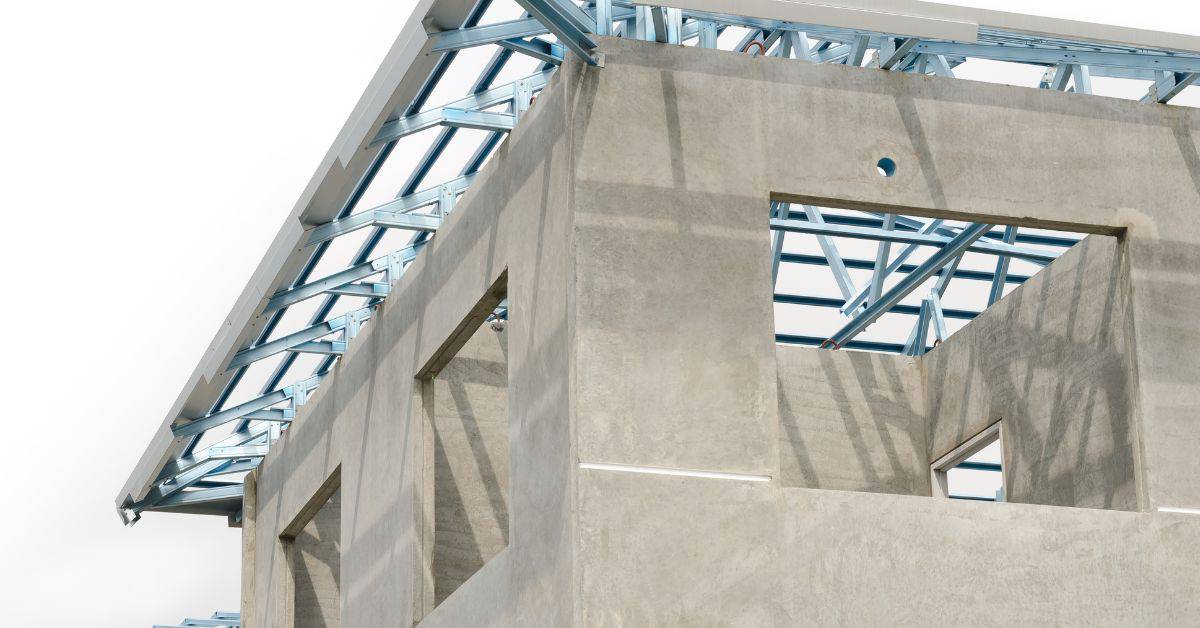
Diagnosing Freeze–Thaw Damage — Visual Checkpoints and Simple Tests
Start with a visual survey for map cracking, scaling, or loose surface material. Look for damp or darkened patches that indicate moisture paths. Tap tests can reveal hollow areas where the surface isn’t bonded well.
Consider whether a professional lab test or diagnostic report is warranted if you see widespread cracking or repeated surface pop-outs. Use manufacturer or product label recommendations to guide any testing or remediation plan.
Visual checkpoints for early detection
Use this checklist to spot freeze-thaw distress in your concrete driveway or steps before it’s too late.
- Surface scaling: Look for flaking or peeling of the top layer. This is a clear sign of freeze-thaw damage.
- Pattern cracks: Check for map-like, grid-like, or fan-like cracks. These are often caused by repeated freezing and thawing.
- Exposed aggregate: If you see small stones or sand grains on the surface, it might be due to scaling.
- Joint failure: Inspect joints for gaps or crumbling. This can lead to water intrusion and further damage.
- Discoloration: Check for stains or discoloration, which could indicate salt staining from de-icing agents.
- Uneven surfaces: Feel for bumps, dips, or other irregularities. These can be signs of underlying damage.
- Popouts: Look for small, cone-shaped pieces missing from the surface. This is a sign of severe freeze-thaw damage.
- Cracking at edges: Inspect corners and edges for cracks. These are often early signs of distress.
Quick rule: If you spot any of these signs, don’t wait. Address the issue promptly to prevent further damage.
Simple on-site checks and when to call a lab
Before you decide to tear out and replace your concrete, do these simple checks first. They might help you save time and money.
- Moisture content: Check for excessive moisture in the concrete. This can indicate poor drainage or water intrusion due to damage.
- Salt staining: Look for white, powdery residue on the surface. This is a sign that de-icing salts have been used and could be causing damage.
- Base drainage: Inspect the base beneath the concrete. It should slope away from the structure to prevent water buildup.
- Air content: Use a simple field test, like the pressuremeter method, to check air content. If it’s below 5-7%, you might need lab testing.
- Petrographic analysis: Consider lab testing if you suspect construction defects or environmental factors are at play.
Quick rule: If your on-site checks reveal any red flags, don’t hesitate to call a lab for further analysis. It’s better to be sure before you start tearing out concrete.
Mix Design, Materials, and Standards Explained
Discuss the basic roles of cement type, supplementary cementitious materials, and aggregates in cold-weather durability. Air-entraining agents are part of a system designed to create controlled voids. Water/cement ratio also influences how the paste behaves under freeze–thaw stress.
Follow local standards and label instructions when selecting materials. Check manufacturer data sheets and project specifications to ensure compatibility with intended use and climate conditions.
Choosing Aggregates and SCMs
Aggregate quality is crucial for freeze-thaw resistance. Use clean, well-graded materials with no excessive fines or soft particles.
Supplementary cementitious materials (SCMs) like fly ash, slag, or silica fume can improve durability by reducing permeability. They react with the concrete over time, forming additional binding compounds that strengthen and densify the matrix.
Silica fume, in particular, is excellent for enhancing air void structure and improving scaling resistance.
Admixtures and Air-Entraining Agents
Air-entraining admixtures work by introducing tiny bubbles into the concrete mix. These microscopic air voids act as stress relievers, allowing the concrete to expand and contract without cracking.
They also improve workability and make the concrete easier to place. But remember, too much air can weaken the concrete. So, it’s crucial to strike a balance.
Compatibility testing is vital before using any admixture. Different types of cement, aggregates, and other admixtures can react unpredictably together, leading to poor performance or even failure.
Best Construction Practices and Quality Control to Prevent Failures
Strict adherence to batching, mixing, and placement procedures matters for preserving air voids. Avoid over-working the surface, which can collapse delicate air pockets. Proper curing is essential to lock in the microstructure once placed.
Implement on-site checks for material delivery, slump consistency, and finish timing. Document deviations from the plan and verify that air content targets align with project specs and manufacturer guidance.
Placement and finishing techniques
Timing is crucial when placing air-entrained concrete. Wait until the mix has started to set slightly before tamping or vibrating. This helps prevent collapsing of entrained air.
Use a wooden float instead of a steel one for finishing. Steel floats can pop air bubbles and reduce the effectiveness of your air-entraining admixtures.
Be gentle with your tools. Over-vibrating or over-tamping can squeeze out the entrained air, leaving your concrete vulnerable to freeze-thaw damage.
Curing, protection, and sequencing
Proper curing is vital for maintaining strength and durability. Keep the surface moist for at least seven days after placement, using wet burlap or plastic sheeting. This allows the concrete to gain strength slowly and evenly.
If freeze-thaw cycles are expected within 28 days of placement, consider using accelerators in your mix design. They can speed up the hydration process, allowing the concrete to reach a higher strength before freezing occurs.
In cold weather, protect your concrete from rapid temperature changes. Use insulating blankets or straw to maintain a consistent temperature until it’s fully cured.
Tools and materials checklist for contractors
Use this checklist before starting any air-entrained concrete job to ensure durability and longevity.
- Air content meter: To verify the amount of entrained air in your mix. Check every batch to ensure it meets specifications.
- Slump cone: To test the consistency of your concrete mix. Check regularly to maintain a consistent slump.
- Air-entraining admixture: To introduce tiny air bubbles into the concrete mix. Add according to manufacturer’s instructions for optimal results.
- Wooden float: For finishing and leveling your concrete. Avoid steel floats to prevent popping air bubbles.
- Curing compounds or membranes: To protect the surface from moisture loss during curing. Apply according to manufacturer’s instructions for best results.
- Thermometer: To monitor temperature, especially in cold weather. Keep concrete within safe temperature ranges for proper curing.
- Insulating blankets or straw: For protecting concrete from rapid temperature changes during curing. Use as needed, based on weather conditions.
- Accelerators (optional): To speed up the hydration process in cold weather. Add according to manufacturer’s instructions if necessary.
Quick rule: Regular testing and proper use of tools and materials are key to preventing freeze-thaw damage.
Maintenance, Repair Strategies, and When to Replace
Establish a maintenance plan that includes timely cleaning, sealing, and inspection after winter cycles. Small cracks can sometimes be addressed with patching that respects surface texture and bond. Larger or spreading damage may require more extensive repairs or replacement.
Use a decision framework that weighs repair feasibility against exposure, use, and safety concerns. When damage reaches structural or joint performance issues, replacement may be the most practical option after consulting with a qualified contractor.
Preventive maintenance and drainage fixes
Regular maintenance is key to extending your concrete’s life. Here are some steps to reduce freeze-thaw exposure.
Sealing: Apply a quality sealant every 2-3 years to prevent water absorption. Use a breathable sealer to allow moisture escape.
Salt control: Limit deicing salt use, especially on steps and edges where damage starts. Opt for sand or gravel for traction instead.
Improve drainage by ensuring your concrete slopes slightly away from structures. Install gutters and downspouts to direct water away from slabs.
Repair options: patching, overlays, and targeted replacement
Choose the right repair based on damage level. Address underlying causes to prevent recurrence.
Patching: For minor cracks or small areas, use a concrete patching compound. Clean, prepare, and prime surfaces before applying.
Overlays: For wider cracks or larger damaged areas, consider an overlay. This involves removing the top layer of concrete and replacing it with fresh concrete or a polymer-based material.
For extensive damage or structural issues, targeted replacement may be necessary. Remove and replace only the affected sections to save costs while ensuring safety.
Decision checkpoints for replacement
Use this checklist when repairs seem insufficient, and a new slab or step is needed.
- Extensive cracking: Multiple cracks covering more than 20% of the surface. Cracks wider than 1/8 inch indicate structural issues.
- Delamination: Flaking or peeling of the concrete surface, exposing aggregate or underlying layers.
- Popouts: Small sections of concrete breaking off, often due to hidden voids or weak spots.
- Structural settlement: Uneven surfaces, dips, or slopes that weren’t there initially. This could indicate a failing base or subgrade.
- Corrosion: Rust stains or efflorescence (white powdery deposits) indicating rebar corrosion or salt contamination.
- Freeze-thaw damage: Pitting, scaling, or spalling of the concrete surface. These are signs of severe freeze-thaw cycles.
- Widespread scaling: Large areas of concrete flaking off, exposing a rough, pitted surface.
- Structural instability: Sections that feel weak or unstable underfoot, indicating a serious problem with the base or subgrade.
Quick rule: If you find 3 or more of these issues, it’s time to replace rather than repair.
Conclusion
Protecting driveways and steps from freeze–thaw damage pays off in safety, appearance, and long life. Now you know the core moves: use air-entrained concrete, diagnose early signs, and build with solid workmanship to avoid costly failures.
Move forward with a simple check that feels natural: verify your project uses an air-entrained mix if local cycles are harsh, inspect the subgrade and forms before pouring, verify proper curing and joint placement, and test small areas first to verify finish and cure are on track. Plan the work in stages, follow the recommended mix design for your climate, and document each step as you go so you can catch problems early and stay within safe limits.
Common missteps split into three areas: rushing the pour or curing, skipping proper air-entraining practice, and ignoring early signs of damage after the fact. Never skip safety checks, always test in a small area first, and follow the concrete supplier’s guidance for air content, slump, and cover. If you see deep cracking, scaling, or repeated surface frosting, stop and reassess before expanding the project—the cost of a professional opinion is small compared to fixing a widespread failure later.
FAQ
How can I tell if the concrete mix I bought is air-entrained and suitable for freeze–thaw?
Check the product label or datasheet for explicitly listed air-entraining agents. If in doubt, ask the supplier or read the manufacturer’s instructions to confirm it’s designed for freeze–thaw resistance. Do not rely on appearance alone.
What quick checks should I perform if I’m mixing-on-site or ordering a ready-mix to ensure good air voids stay intact?
Make sure the mix is specified as air-entrained for exterior use. Follow the supplier’s instructions for handling and placement, and avoid adding extra water on site. If you see lumping or segregation, stop and consult the mixer or supplier before proceeding.
How should I place and finish air-entrained concrete for driveways and steps to minimize damage?
Pour in manageable lifts and keep a steady tempo to avoid excessive vibration that can collapse air voids. Use proper joints and control them as the mix sets, then finish with a light, even trowel or broom as appropriate. Protect the surface from early moisture loss and extreme temperatures.
What cautions should I follow after placing to protect from early freeze–thaw damage?
Keep the concrete protected during early curing; avoid rapid drying or hardening roof readings. If weather turns cold, follow manufacturer guidance on curing methods and time before exposure to freezing. Check local rules and product instructions for any additional protective steps.