

Introduction
Acrylic finish coats are a synthetic stucco layer applied to exterior walls for a hard, weather-resistant surface. They’re appropriate when you want a durable, low-maintenance outer coat that can flex with shifting framing. Choose a system that matches your substrate and climate, and verify guidance from the manufacturer or local rules.
The installation steps typically involve preparing the wall, applying base coats, and topping with the acrylic finish while watching for an even, non-sag surface. Color and finish options can affect how patches look, so plan test patches and keep an eye on edges to avoid a plastic-looking result. Maintenance generally means cleaning as needed and addressing any cracks or wear early, with inspections and occasional touch-ups per manufacturer guidance.
Key takeaways
- Acrylic finish coats provide flexible, breathable protection when the substrate is sound.
- Choose textures and colors via manufacturer options to match climate and style.
- Always use eye protection and ventilation when mixing or cleaning coatings.
- Always ensure proper detailing at corners, windows, and joints to avoid patches.
- Follow substrate prep, adhesion, and curing guidelines strictly to prevent plastic-looking patches.
- Regular maintenance includes cleaning with mild soap and inspecting for cracks.
- Colors may fade unevenly; request test patches and document color matching.
Table of Contents
- Introduction
- Key takeaways
- What Acrylic Finish Coats (Synthetic Stucco) Are and Their Purpose
- Types of Acrylic Finishes and Available Textures
- When Acrylic Finish Coats Are Appropriate (Suitability and Limitations)
- Tools, Materials, and Specs Checklist
- Installation Process and Best Practices to Avoid Plastic-Looking Patches
- Common Mistakes, Troubleshooting, and Repair Strategies
- Maintenance, Cleaning, and Expected Lifespan
- Cost, Safety, and Sustainability Considerations
- Conclusion
- FAQ
What Acrylic Finish Coats (Synthetic Stucco) Are and Their Purpose
Acrylic finish coats are the outermost layer used in synthetic stucco systems, including EIFS-like setups and cementitious acrylic coatings. They sit above the base and texture coats and are distinct from primers. These finishes combine polymers, binders, and aggregates to form a flexible, protective skin.
The main components typically found are acrylic polymers, a cementitious binder, fillers or aggregates, pigments, water, and optional additives. Each component contributes adhesion, flexibility, color, texture, or durability. Their primary jobs are weather protection, a durable color/texture finish, and crack resistance through elasticity and substrate compatibility. Substrate prep matters because movement, joints, and moisture barriers affect performance and longevity. Quick quality checks include film thickness control, uniform color and texture, proper curing, and signs of failure like cracking or flaking.
How synthetic stucco differs from traditional cement stucco
Synthetic stucco, also known as Exterior Insulation and Finish Systems (EIFS), is a modern alternative to traditional cement-based stucco. Here’s how they differ:
Composition: Traditional stucco is made of cement, sand, and water. Synthetic stucco, on the other hand, uses acrylic polymers instead of cement, making it lighter and more flexible.
Flexibility & Adhesion Systems: Due to its acrylic base, synthetic stucco can stretch and bend without cracking, making it ideal for areas with frequent temperature changes or minor structural movement. Traditional stucco is less flexible and relies on a different adhesion system.
Substrate Requirements: Synthetic stucco requires a stable substrate like plywood or OSB, while traditional stucco can be applied directly over masonry or concrete.
Key performance characteristics to expect
Acrylic finish coats offer several key performance benefits:
Flexibility: Acrylic polymers give synthetic stucco its flexibility, allowing it to move with the substrate without cracking. This makes it ideal for areas prone to temperature changes or minor structural movement.
Colorfastness & Durability: The acrylic base provides excellent color retention and durability, ensuring your finish coat looks good for years with minimal maintenance.
Water Resistance & Breathability: Acrylic finish coats are designed to resist water penetration while allowing moisture vapor to escape. This helps prevent mold and mildew growth behind the stucco.
Types of Acrylic Finishes and Available Textures
Acrylic finish types include elastomeric coatings, polymer-modified cementitious finishes, and silicone-modified/acrylic coatings. Each has strengths in weather resistance, breathability, or crack-bridging, so choose based on the project needs. Consider how the formulation handles movement and environmental exposure.
Texture options range from smooth to fine, orange peel, sand/rough, skip trowel, faux stucco, and pebble. Texture affects hiding imperfections and cleaning, so select a finish that aligns with the substrate and climate. When applying, pair textures with appropriate primers and reinforcement mesh, and beware of over- or under-application that creates plastic-looking patches. A decision tree helps: pick a base coat and texture first, then decide on color depth and finish level, mindful of common pitfalls like inconsistent conditioning or incompatible topcoats.
Texture options (smooth, sand, fine, dash)
Acrylic finish coats offer a range of textures to suit different aesthetics and functional needs. Here are the main types:
Smooth: A flat, seamless look. Ideal for modern designs and hiding imperfections.
Sand/Fine (Sherbet): Adds a light, subtle texture. Hides minor surface flaws and is easy to clean.
Dash (Orange Peel): Offers a more pronounced texture. Great for concealing larger blemishes but may require more frequent cleaning.
Color systems and pigmentation approaches
Acrylic finishes offer several color options:
Integral Color: Pigment mixed into the base coat. Consistent throughout, making repairs less noticeable.
Tinted Coats: Colored topcoat applied over a white base. More affordable but repairs may stand out.
Topcoat Painting: Like tinted coats but with more color options. Repairs can be tricky to match.
Specialty finishes (elastomeric, acrylic-silicone blends)
For enhanced performance, consider these specialty blends:
Elastomeric: High elasticity. Bridges hairline cracks and resists settling issues.
Acrylic-Silicone Blends: Offers water repellency. Ideal for wet climates but may require more frequent cleaning due to dirt buildup.
When Acrylic Finish Coats Are Appropriate (Suitability and Limitations)
Acrylic finish coats suit a range of settings, from new construction to renovations, and from residential to light commercial projects. They are commonly used for retrofits over existing stucco where a flexible, breathable finish is desired. Consider the overall project goals and long-term performance needs.
Substrate compatibility includes cementitious stucco, concrete, masonry, and backer boards, with attention to loose material and moisture barriers. Climate and environment matter, including humidity, coastal exposure, and temperature during application and curing. Acknowledge limitations such as sensitivity to high-alkali substrates without sealers, color stability under UV, and cracking control that relies on proper movement joints. Prepare the surface, verify coatings compatibility, and follow primer recommendations and joint detailing guidance from manufacturers and local rules.
Best substrates and retrofit scenarios
Acrylic finish coats excel on properly prepared sheathing, cement board, and existing EIFS. They’re great for new construction and renovations.
Cementitious stucco is a common substrate. Ensure it’s sound and well-cured before applying.
For retrofits over existing stucco, assess its condition. If loose or damaged, repair first. Moisture barriers may be needed if the old stucco was leaky.
Backer boards like cement board or HardieBacker are ideal substrates. They provide a solid base and resist moisture.
Climate and exposure considerations
Acrylic finishes perform well in dry climates but may need special treatment in humid or wet areas. They can crack in freeze-thaw cycles without proper expansion joints.
UV exposure can fade colors over time. Opt for UV-resistant pigments if your area gets lots of sun.
Coastal/salt exposure requires extra protection. Use acrylic-silicone blends or specialty coatings designed for these environments.
Application and cure temperatures should ideally be between 50°F to 90°F (10°C to 32°C). Avoid applying in extreme heat or cold.
When not to use acrylic finishes
Acrylic finishes aren’t suitable for extremely damp or unventilated wall systems. They can trap moisture, leading to mold and rot.
High-alkali substrates like some types of concrete can react with acrylics, causing discoloration or delamination. Use a sealer if this is an issue.
For areas prone to frequent, severe impacts (like heavy foot traffic), consider cement stucco or other more durable claddings.
Also, avoid using acrylics on surfaces that won’t allow for proper adhesion, like smooth, glossy paints or metal without appropriate primers.
Tools, Materials, and Specs Checklist
Core tools include a mixing pail and drill with a paddle, hawk and trowel, rounded floats, edging tools, a spray rig or hopper, and a utility knife for detailing. Don’t forget a disposable tray, brushes, and clean-up rags for fast touch-ups. Keep a bucket of clean water and a stiff brush handy for surface prep as needed.
Essential materials are the base or scratch coat if required, the acrylic finish coat, a bonding agent or primer if specified, reinforcing mesh, sealants for joints, water, and appropriate cleaners. Note any manufacturer-recommended additives and follow their guidance for mixing and pot life. Before starting, verify substrate compatibility, mix ratios, cure temps, and local code requirements for exterior coatings and moisture barriers.
Essential tools and mixing materials
Before you start, ensure you have all the necessary tools and materials for a professional finish.
- Mixing pail: Essential for preparing your acrylic finish coat. Skip this, and you’ll struggle to mix evenly.
- Drill with paddle: To mix your material thoroughly. Without it, you risk lumps and uneven application.
- Hawk and trowel: For applying the base coat or scratch coat (if required). Don’t skip this combo; it ensures even spreading.
- Rounded concrete finishing floats: To smooth out your finish. Without these, you’ll struggle to achieve a smooth surface.
- Edging tools: For corners and edges. Neglecting these can lead to unsightly gaps or overlaps.
- Spray rig or hopper: For even application of the finish coat. Without this, you’ll struggle to achieve a consistent look.
- Utility knife: For detailing and trimming. Skip this, and you may end up with sloppy edges.
- Disposable tray, brushes, clean-up rags: For mixing small batches and cleaning up. Don’t skip these; they’re crucial for a tidy job site.
Quick rule: Gather all tools and materials before you start to avoid mid-job trips to the store.
Material specs, testing, and quality markers
Before purchasing or applying any material, ensure it meets your project’s needs and local codes.
- Technical data sheets: Check these to confirm compatibility with your substrate. Ignoring this can lead to adhesion issues.
- Recommended substrate tests: Perform moisture and adhesion tests as suggested by the manufacturer. Skipping these can result in premature failure of your finish.
- Installer certifications: Ensure your installer is certified to apply the specific product you’re using. Using an uncertified installer may void warranties.
- Mix ratios and pot life: Verify these with the manufacturer to ensure a consistent, usable mix. Wrong ratios can lead to poor performance or waste.
- Cure temps and humidity windows: Confirm these to avoid damaging your finish during curing. Incorrect conditions can cause cracking or peeling.
- Sealants/caulks for joints: Check compatibility with your chosen sealant. Using incompatible products can lead to joint failure.
- Manufacturer-recommended additives: Ensure you have these on hand. Skipping them may impact the finish’s performance.
Quick rule: Always check manufacturer specs and perform recommended tests before starting any application.
Visual checkpoints before application
Before applying your acrylic finish coat, conduct these visual checks to ensure a successful outcome.
- Surface flatness: Inspect for any lumps, bumps, or hollow spots. Inadequate surface preparation can lead to an uneven finish.
- Adhesion test patches: Apply and cure test patches in various areas. Check these for adhesion before proceeding. Skipping this can result in premature peeling.
- Moisture meter readings: Test your substrate’s moisture content. Excess moisture can cause bubbling or delamination of your finish.
- Existing coating condition: Inspect any existing coatings for signs of damage or deterioration. Applying over damaged coatings can lead to premature failure.
- Substrate integrity: Check for any cracks, holes, or other defects in the substrate. Ignoring these can result in costly repairs later on.
- Joint condition: Inspect expansion and control joints for proper functioning. Damaged joints can lead to cracking of your finish.
Quick rule: Thoroughly inspect your substrate before application to avoid costly surprises down the line.
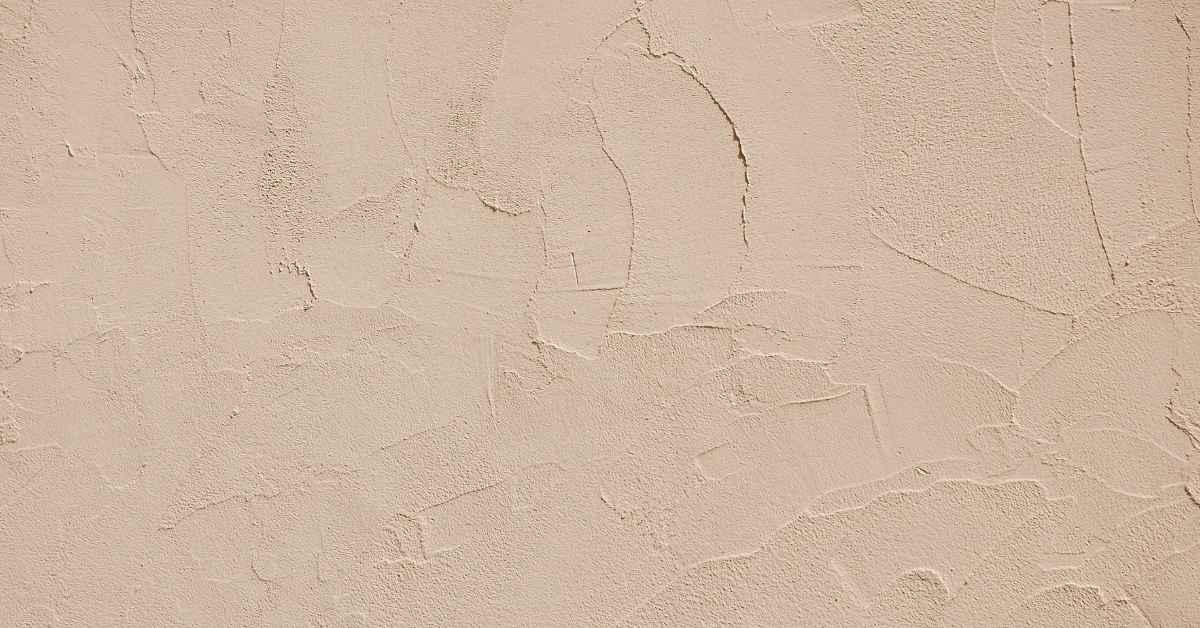
Installation Process and Best Practices to Avoid Plastic-Looking Patches
Begin with thorough surface preparation and substrate checks to ensure a clean, sound, and dry base. Address moisture concerns and plan patch-test areas to gauge absorption and adhesion. This sets the stage for a uniform finish.
Base coats and bonding agents should be chosen to match the substrate and system type, with attention to proper mixing and timing. Apply the finish coat in controlled thicknesses, back-roll to even texture, and feather edges to blend patches. Finishing steps focus on timing, controlled sheen, and texture techniques to mimic natural stucco and avoid a plastic appearance.
Surface preparation and base-coat fundamentals
The first step to a smooth, natural-looking acrylic finish is proper surface preparation. Start by cleaning the substrate thoroughly to remove any dirt, grease, or loose material.
Repair any cracks, holes, or other defects using a suitable patching compound. Ensure that the lath or mesh is properly embedded and secure for optimal adhesion.
Level the surface as much as possible to avoid uneven application of base coats. Use a leveling compound if necessary, following the manufacturer’s instructions.
Application techniques that prevent plastic appearance
The key to avoiding a plastic-looking finish is controlling the thickness and evenness of each coat. Use a trowel or roller for base coats, aiming for a consistent thickness of about 1/8 inch.
When applying the final acrylic coat, use a combination of techniques to blend patches and avoid shiny spots. Back-rolling helps even out texture, while cross-hatching or feathering edges can help blend patches together.
Consider using a sprayer for the final coat, but be careful not to apply too much material at once. Stagger application to avoid creating shiny or mismatched patches.
Curing windows and environmental controls
The curing process is critical for achieving a uniform, natural-looking finish. Acrylic finishes should be applied when temperatures are between 50°F (10°C) and 90°F (32°C), with humidity below 80%.
Protect the surface from direct sunlight and wind exposure during curing to prevent rapid drying or sheen differences. Follow the manufacturer’s recommendations for curing times between coats, typically around 12-24 hours.
If rapid drying occurs, use a setting retarder as directed by the manufacturer. If mildew is a concern, consider using a mildewcide additive in your final coat.
Common Mistakes, Troubleshooting, and Repair Strategies
Common causes of plastic-looking patches include color or texture mismatch, insufficient curing, moisture intrusion, over-application, sloppy feathering, and UV exposure. Substrate movement can worsen these issues, so identify root causes early. Document any visible symptoms for targeted fixes.
For small patches, start with surface prep, clean feathered edges, and apply thin, even coats that are feathered with a damp tool to hide boundaries. Consider a mist coat to even out appearance if approved by the product instructions. When larger areas fail, remove and recoat with proper skin coat and texture match, addressing moisture and cracking causes to prevent recurrence.
Why plasticized patches form (root causes)
Plastic-looking patches on acrylic finish coats happen when things go wrong during application. Let’s dive into the main culprits.
Overwork: Too many coats or applying them too thick can cause a plastic-like appearance. Acrylic finishes need to be thin and even for that natural, textured look.
Incompatible primers or sealers can also lead to issues. Make sure your primer matches your finish coat – check the manufacturer’s guidelines before you start.
Uneven pigmentation or sheen can make patches stand out. Keep your mix consistent and apply it evenly for a seamless look.
Repair and blending tactics for visible patches
Found a plastic-looking patch? Here’s how to fix it without leaving a trace.
Feathering: Sand the edges of the patch gently. This helps blend it into the surrounding texture. Use a damp sponge or brush to soften the edges further.
Spot-prime the area before applying new finish coat. This ensures good adhesion and prevents the new coat from looking different.
Match the texture carefully. Use a compatible acrylic finish, apply thin coats, and blend into the surrounding texture using light cross-hatching or stippling. If needed, consider a mist coat for better uniformity.
On-site quality checks to catch issues early
Catching problems early saves you time and money. Here’s how to inspect your work as you go.
Test Panels: Apply test panels in different conditions (temperature, humidity) before starting the full job. This helps you fine-tune your mix and application technique.
Do regular walk-back inspections. Step back and look at your work from a distance. This helps you spot any issues that might not be obvious up close.
Contractor-client sign-offs: Get your client to inspect the work with you. They can point out any concerns they have, and you can address them right away.
Maintenance, Cleaning, and Expected Lifespan
Set a practical maintenance routine with annual inspections and checks after severe weather. Look for cracks, delamination, efflorescence, moisture intrusion, chalking, and color fading. Use a consistent schedule to catch issues early.
Cleaning should be gentle and targeted to acrylic finishes: use low-pressure water, soft brushes, and mild detergents; avoid high-pressure washers and harsh solvents. When repairs are needed, follow patching guidelines and choose compatible materials, feathering to blend with the surrounding texture. Regular maintenance should be weighed against climate and exposure to estimate longevity and performance relative to other finishes.
Routine cleaning and stain-removal tips
Acrylic finish coats, also known as synthetic stucco, require gentle care to maintain their appearance. Here are some safe practices:
Pressure washing: Use a low-pressure washer or a soft-bristle brush with mild detergent. High pressure can damage the finish.
Avoid harsh chemicals: Never use solvents or abrasive cleaners that could degrade the coating. Stick to mild, non-abrasive detergents.
Rinse thoroughly: Ensure all detergent residue is removed after cleaning to prevent staining and damage over time.
Touch-up, recoating and long-term care
Regular touch-ups and recoating can extend the life of your acrylic finish. Here’s how to do it right:
Touch up small areas: For minor chips or cracks, use a compatible patching compound. Apply sparingly, feathering out edges to blend with the original coat.
Recoat every 5-10 years: Depending on exposure and climate, recoat your synthetic stucco every 5 to 10 years to maintain its protective barrier. Use a quality acrylic paint that matches your existing color and texture.
Color match and texture replication: When touching up or recoating, ensure you match the original color and texture as closely as possible. This may require testing different products before application.
Cost, Safety, and Sustainability Considerations
Cost factors include material costs, labor time, surface prep, primer compatibility, coating thickness, and long-term maintenance. Regional price differences and project type influence budgets, so plan with these variables in mind. Consider how substrate and texture choices affect overall cost of ownership.
Safety measures cover PPE, ventilation for enclosed spaces, ladder or scaffold use, weather constraints, product handling, and curing precautions. Environmental considerations include VOC content, durability-related waste, and options for low-emission products and proper disposal. Use a concise decision aid to determine when acrylic finishes fit project priorities for cost, safety, and sustainability.
Cost drivers and lifecycle comparison with alternatives
Acrylic finish coats, also known as synthetic stucco, have varying cost factors. Material costs range from $0.50 to $1.50 per square foot, depending on the quality and brand. Labor time can vary too, with experienced applicators taking less time than DIYers.
Surface prep needs impact cost significantly. Existing surfaces may require extensive cleaning or repair, adding labor and material costs. New builds typically have lower surface prep costs.
Lifecycle considerations are crucial. Acrylic stucco has a lifespan of 20-30 years with proper maintenance, comparable to cement stucco but shorter than cladding options like vinyl or fiber cement. However, acrylic’s flexibility reduces cracking compared to rigid materials.
Climate and substrate influence durability. Hot, humid regions may require more frequent maintenance, while textured surfaces can hide minor imperfections better than smooth ones.
Safety and handling precautions
PPE is essential during application. Wear long sleeves, gloves, safety glasses, and a respirator for indoor use to protect against chemical exposure.
Ventilation is crucial indoors. Ensure the area is well-ventilated or use fans to blow fumes away from applicators. Follow manufacturer guidelines for mixing and handling products to prevent spills and improper application.
Ladder/scaffold safety is paramount when working at heights. Inspect equipment before use, maintain three points of contact, and follow OSHA guidelines.
Protect applicators and occupants post-application by keeping the area dry and well-ventilated during curing. Follow manufacturer guidelines for drying times before allowing occupancy or exposure to moisture.
Sustainability and environmental impacts
Acrylic stucco offers energy-performance benefits, reflecting heat and reducing cooling costs. However, VOC content varies by product. Low-VOC options are available but may cost more.
Recyclability is limited as acrylic stucco becomes a solid waste once applied. Dispose of unused materials according to local regulations, typically in hazardous waste facilities due to chemical content.
Product selection affects building sustainability. Opt for low-emission products and consider the total environmental impact, including manufacturing processes and disposal methods.
Minimize weather-related environmental impact by applying acrylic stucco on dry days with temperatures between 50°F and 85°F. This ensures proper curing and reduces waste from reapplication due to poor adhesion or appearance.
Conclusion
Doing acrylic finish coats correctly matters for safety, durability, and how good it looks on the wall. When you plan, test, and follow proper steps, you keep water out, avoid patches that look plastic, and make the finish last.
Review the substrate and the weather window, gather the approved tools and materials, run a small test in a hidden area, prep the surface by cleaning and repairing as needed, prime if required, mix and apply in thin coats using the right technique, monitor cure, texture consistently, seal edges, then clean tools and inspect for flaws before you call it done. Remember to test in a hidden area, avoid plastic-looking patches, and follow manufacturer specs to stay within safe ranges and avoid costly mistakes.
Common mistakes to avoid are skipping a test patch, rushing texture or depth, and ignoring substrate or moisture issues. Don’t apply in temperatures outside the recommended range or without proper safety gear, and don’t rush curing or skip prep steps like cleaning, sanding, or priming if required. These rules matter because a fast DIY patch can trap moisture, fail prematurely, or peel.
If you spot signs of moisture damage, extensive cracking, questionable substrate, or you’re unsure about flashings and moisture barriers, it makes sense to call a professional rather than push on. Stay deliberate, safety-conscious, and finish with a durable look you can be proud of. You’ve got this—take the next step with confidence.
FAQ
What are the main benefits of acrylic finish coats for synthetic stucco?
They add a durable, weather-resistant surface that can mimic traditional stucco looks. The finish coats help seal the base and reduce moisture penetration when applied correctly. Properly chosen systems can ease maintenance and improve curb appeal.
What’s involved in the installation process, in simple terms?
Clean and protect the substrate, apply the base coat as needed, and then apply the acrylic finish in even passes. Work in manageable sections to avoid lap marks or thin patches. Follow the manufacturer’s instructions for curing and conditions, and watch for safety and surface preparation mistakes.
What color and finish options should I consider?
Most systems offer a range of textures and color choices. Check the product label or datasheet for color stability and fade resistance notes. If you’re unsure, test a small area first and compare to your chosen palette in different lighting.
How do I maintenance and keep it looking good over time?
Keep the surface clean with mild cleaners and a soft brush or cloth. Inspect for cracks or loose patches and address them before they spread. Follow the manufacturer’s guidance on re-coats or touch-ups and avoid harsh pressure washing that can damage the finish.