
Introduction
Painting your walls white means applying a white paint finish to interior walls after proper surface prep. This introduction frames a practical, hands-on approach with clear stop points to check as you go. It helps you spot issues early so you can keep things bright and even.
Before you start, check the paint label and local rules for any space-specific requirements. Do a small test swatch on a discreet area and observe how it dries and how the light changes the shade. Follow the prep steps, use the right tools, and defer to manufacturer instructions if you’re unsure.
Key takeaways
- Choose white tones based on room lighting and existing fixtures before painting.
- Prepare surfaces thoroughly: clean, repair cracks, and sand glossy areas for adhesion.
- Prime where needed to seal stains and improve topcoat coverage.
- Use quality brushes and rollers, and follow manufacturer directions for drying.
- Stop points: inspect edges, corners, and transitions before moving to next stage.
- Safety: ventilate or wear a mask in dusty or solvent-prone tasks.
Table of Contents
- Introduction
- Key takeaways
- Choose the Right White for Your Room
- Assess and Prepare Surfaces Before Painting
- Primer and Paint Selection Guidelines
- Tools and Materials Checklist
- Step-by-Step Painting Workflow with Clear Stop Points
- Lighting, Undertones, and Room Function Considerations
- Common Mistakes, Troubleshooting, and Fixes
- Cleanup, Maintenance, and Final Quality Checklist
- Conclusion
- FAQ
Choose the Right White for Your Room
Whites aren’t all the same. They carry undertones that can shift with lighting and adjacent colors. Look at labels or manufacturer notes to understand undertone and reflectivity before choosing.
Consider the room’s function and existing furnishings when you pick a shade. Compare chips in the space under the light you’ll use most. If in doubt, check the product data sheet or label for guidance on finish and coverage.
Understanding undertones and finishes
White paints aren’t all created equal. They’ve got undertones – cool, warm, or neutral. These affect how the color looks in your room’s light.
Cool whites have blue, purple, or green undertones. They reflect light and make rooms feel bigger, but can look cold under certain lights.
Warm whites have yellow, pink, or orange undertones. They create a cozy atmosphere, but can appear dull in bright sunlight.
Sheen matters too. Higher sheens reflect more light and are easier to clean, but show imperfections. Lower sheens hide flaws better but aren’t as durable.
How to test paint samples correctly
Before you commit, test your top picks. Buy small sample pots and apply them to large pieces of paper or directly onto the wall.
Place these in different areas of the room – near windows, on north-facing walls, etc. This way, you see how they look in various lights throughout the day.
Live with your samples for at least a few days. Look at them at different times of day and night. See how they pair with your furniture and flooring.
Stop when you’ve found the one that works best in all conditions. It’s worth taking the time to get it right.
Assess and Prepare Surfaces Before Painting
Start with a quick survey of walls for cracks, dents, and moisture signs. Push on surfaces to find loose paint or chalky patches that need attention. Make a plan based on what you find before you dip a roller.
Plan the prep steps you will actually do, like cleaning, sanding, patching, and priming. Keep a list handy so you don’t miss a task that can affect adhesion and finish. When in doubt, reference manufacturer prep guidelines or local rules for the substrate you’re painting.
Inspecting, patching, and repairing drywall or plaster
Before you start painting, give your walls a thorough once-over. Look for any cracks, holes, or other defects.
Common defects include: nail pops, hairline cracks, and larger gaps from previous repairs gone wrong.
For small holes and cracks, use a drywall repair kit. For larger issues, you might need to cut out damaged sections and replace them with new drywall. Always let your patching compound fully cure before sanding and priming.
Cleaning, sanding, and priming prep steps
Start by cleaning your walls. Use a mild detergent or a solution of water and vinegar to remove dirt and grime.
Do not use abrasive cleaners as they can damage the surface. Let the walls dry completely before moving on.
Next, sand your walls lightly with 120-grit sandpaper. This helps paint adhere better. Wipe off any dust with a damp cloth and let it dry. Your walls are now ready for priming if they’re smooth, clean, and free of dust. Priming seals the surface and improves paint adhesion.
Primer and Paint Selection Guidelines
Know when primer is needed and when you can skip it. Primers help with stains, bond to slick surfaces, and even out porosity for white finishes. Check the label to see if a stain-blocking or bonding primer is recommended for your wall.
Choose your primer and paint based on the surface and existing conditions. If you’re uncertain, consult the manufacturer instructions or product data sheet for the best pairing. Remember that primer can affect final coverage and color depth of white.
Choosing the right type of primer
A good primer is your first line of defense for a smooth, long-lasting white paint job. Here’s how to pick the right one:
Sealed walls: If your walls are already painted and in good condition, a stain-blocking primer will do the trick. It seals in any minor imperfections and prevents tannins from bleeding through.
Porous surfaces (new drywall, unprimed paint): Opt for a high-adhesion primer. It creates a better bond with porous surfaces, preventing peeling and ensuring even coverage. Some high-adhesion primers are also stain-blocking.
For heavily stained or challenging surfaces, consider a tinted primer. It provides extra coverage and helps you achieve a more uniform finish with your white paint.
Selecting paint type and sheen for longevity
The type of paint and its sheen level can significantly impact the lifespan and appearance of your white walls. Here’s what you need to know:
Paint type: Waterborne (latex) paints are generally easier to clean up, dry faster, and have less odor than oil-based paints. They’re suitable for most interior walls. However, if you’re dealing with a high-moisture area or want better adhesion, consider an oil-based paint.
Sheen level: The sheen level affects both the appearance and durability of your paint job. For white walls, I recommend a satin or semi-gloss sheen. These provide good hide, are easy to clean, and reflect light well. They’re also durable enough for high-traffic areas.
Here’s a quick rundown of sheen levels from highest to lowest gloss:
- High Gloss: Very durable, reflects a lot of light
- Semi-Gloss: Good durability, easy to clean, reflects some light
- Satin: Moderate durability, reflects a little light
- Eggshell: Least durable, doesn’t reflect much light
Tools and Materials Checklist
Gather the basics first: brushes, rollers, trays, and a compatible pan liner. Include a utility knife, sanding block, and a bucket for cleanup. Have drop cloths or plastic on hand to protect floors and fixtures.
Think about optional gear that speeds the job, like a paint edger or extension poles. Verify tool compatibility with your chosen paint, and check manufacturer guidance if you’re using specialty primers or finishes. Do not improvise beyond your comfort level; use what the label recommends.
Essential hand tools and consumables
Before you start, make sure you’ve got these basics on hand. They’ll save you time and ensure a smooth finish.
- Paint brushes: Natural bristles for oil-based paints, synthetic for latex. Check they’re not too stiff or soft.
- Rollers: Choose the right size and nap (thickness) for your surface. Too thin or thick can cause issues.
- Painter’s tape: Blue tape is best for delicate surfaces. Check it’s not too old, as it may lose its stickiness.
- Drop cloths: Heavy-duty plastic sheets to protect floors and furniture from drips.
- Putty knife: For filling holes and smoothing joint compound. Check the size fits your needs.
- Sandpaper: Medium-grit (120-150) for most surfaces. Too coarse or fine can cause problems.
- Safety gear: Gloves, goggles, and a respirator to protect from fumes and splashes.
- Paint tray liners: Reusable and eco-friendly. Check they fit your tray properly.
Quick rule: Don’t skimp on quality here. Cheap tools can lead to poor results and injuries.
Optional tools and when to use them
These tools aren’t essential but can make your life easier in certain situations. Know when to invest or hire a pro.
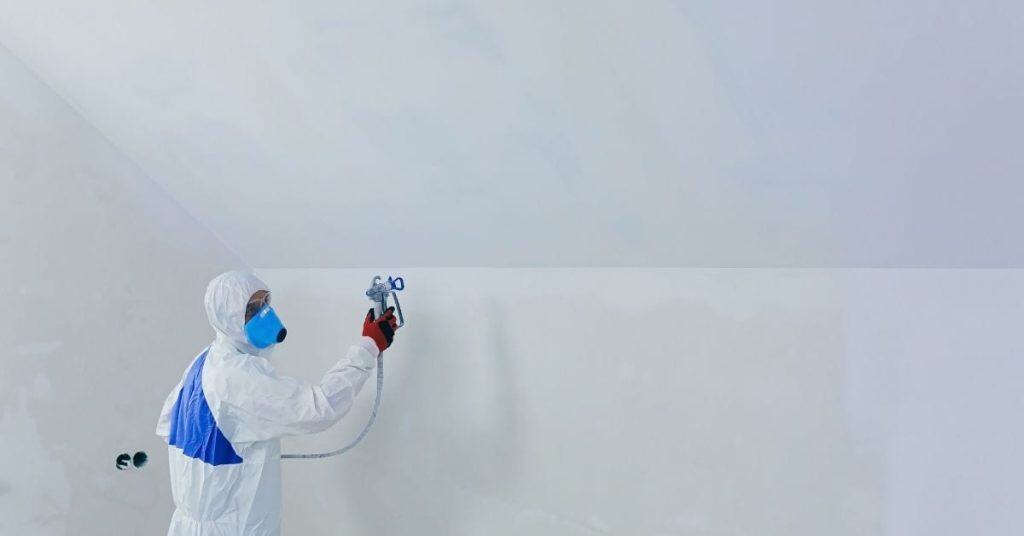
- Paint sprayer: Great for large areas like walls and ceilings. But it requires practice to avoid overspray.
- Pole sander: Ideal for high ceilings or hard-to-reach spots. But it can be unwieldy for precise work.
- Scaffolding: Necessary for high walls and ceilings. Always ensure it’s stable and secure.
- Heat gun: Useful for stripping old paint or removing wallpaper. But be careful not to overheat surfaces.
- Paint edger: Helps create straight lines along edges. But it requires practice to use effectively.
Quick rule: Consider hiring a pro if you’re unsure about using these tools safely and effectively.
Step-by-Step Painting Workflow with Clear Stop Points
Start with prep work and masking, then cut in around edges. Move to rolling in sections, keeping a wet edge to avoid lap marks. Stop to inspect adhesion and uniformity after each major step.
Implement explicit pause points where you can evaluate finish, repair any nibs or specks, and decide if an additional coat is needed. Use the inspection criteria on the label or in manufacturer instructions as your stop-point guide. Do not rush final coats if the surface isn’t settling evenly.
Step-by-Step Process
This section guides you through a practical, numbered sequence of steps to achieve a professional-looking paint job. It starts with preparation and safety checks, then moves on to the main work, and finally includes cleanup or final checks.
- Preparation: Gather your tools and materials as listed in our previous section. Ensure you have drop cloths, painter’s tape, sandpaper, primer, paint, and any necessary safety gear like gloves and goggles.
- Safety Checks: Open windows for ventilation, remove or cover furniture, and secure loose electrical switch covers with tape to prevent paint from getting inside.
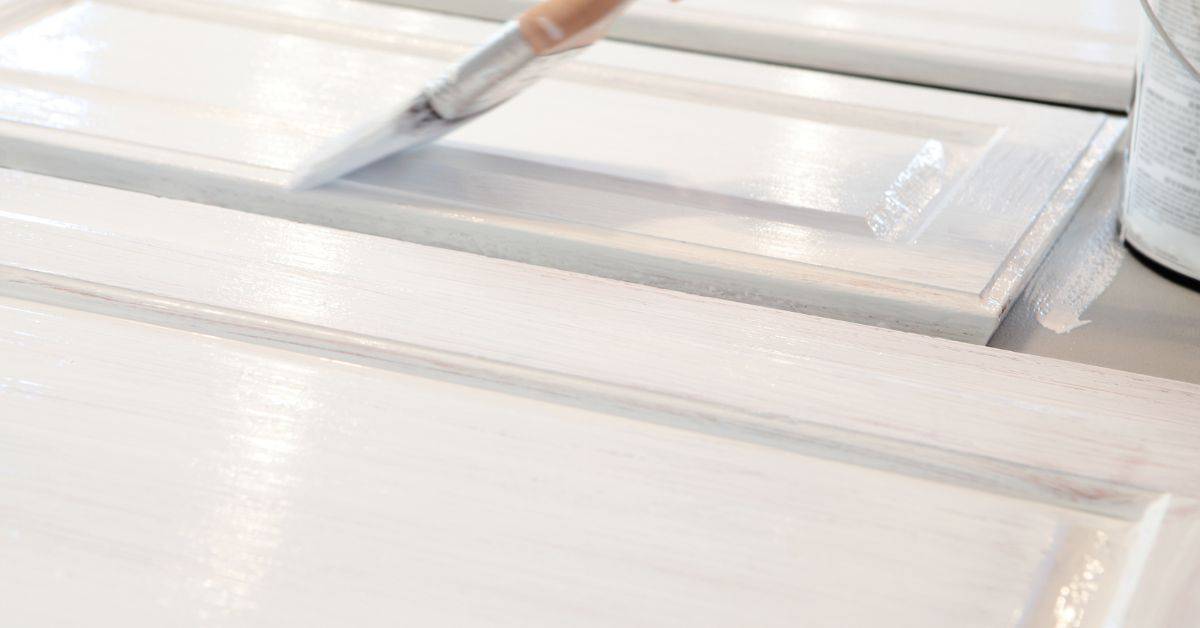
- Main Work – Cutting In: Using a 2-inch angled brush, apply paint along edges where the wall meets the ceiling and baseboards. Work in small sections, about 3 feet at a time, to maintain a ‘wet edge’ and avoid lap marks.
- Rolling: Fill your roller tray with paint and use it to apply paint to the walls in a ‘W’ or ‘M’ pattern, working from top to bottom. Keep your roller cover well-loaded but not dripping. Quickly check for any missed spots or drips as you go.
- Final Checks: After completing each section, step back and inspect your work. Look for any missed spots, drips, or areas that need touch-ups. If satisfied, move on to the next section. If not, correct any issues before they dry.
- Cleanup: Once you’ve finished painting, clean your tools immediately to prevent paint from drying and making them unusable. Rinse brushes and rollers under water, then store them properly for future use.
Cutting in, rolling, and maintaining wet edges
The key to a smooth paint job is maintaining a ‘wet edge’ – keeping the paint you’re applying slightly damp so it blends seamlessly with what’s already on the wall. Here’s how:
Cutting In: Using an angled brush, apply paint along edges in 2-3 foot sections at a time. Work quickly and confidently