

Introduction
Plaster washers are flat rings that sit under a screw head to spread the load and reduce dimpling in plaster or drywall. They help keep the surface smooth while you fasten material to the wall. Always check the product label and local rules for recommended spacing and installation guidance.
In this article we’ll cover proper screw spacing and the types of plaster washers, with practical, hands‑on steps you can use at home. You’ll also get an honest look at dimpling, correct installation techniques, and where to find input from top contributors this month and recommended communities for extra tips.
Key takeaways
- Top Contributors this Month: feature two leading DIY sites sharing plaster washer tips
- Recommended Communities: join forums and networks focused on plaster walls and washers
- Proper screw spacing for plaster washers depends on wall type and load
- Types of plaster washers: flat, cupped, and textured options for different substrates
- Installation technique: start with clean surface, predrill, seat washers evenly, avoid dimpling
- Safety: wear eye protection, dust mask, and follow local code requirements
Table of Contents
- Introduction
- Key takeaways
- Tools and Materials Checklist
- Planning and Preparation Before Installing Plaster Washers
- Correct Placement and Installation Technique
- Screw Spacing Guidelines for Plaster Walls
- How to Avoid Dimpling and Surface Damage
- Common Mistakes, Troubleshooting, and Repairs
- Cost, Time, and Long-Term Implications
- Top Contributors This Month
- Conclusion
- FAQ
Tools and Materials Checklist
Gather the core tools and equipment before you start. You’ll need plaster washers, compatible screws, a power drill or driver, and the right drill or driver bits. Have a utility knife or snips handy for trimming washers as needed, and consider an impact driver for tougher substrates.
Choose fasteners and washers based on the substrate you’re fastening into, and note when to upgrade to premium corrosion-resistant hardware. Include budget-friendly alternatives such as standard drywall screws or masonry screws, and plan for bolstered anchors if you’re on a challenging backing. Don’t skip safety gear or prep steps to keep your work area clean and protected.
Fasteners and plaster washer types to consider
Before you start, ensure you’ve got the right fasteners and washers for your job. Here’s a quick checklist.
- Plaster Washers: Choose ones sized for your plaster thickness – typically 1/4″ or 3/8″.
- Screw Length: Match screw length to substrate depth plus washer thickness. Too short? You’ll dimple.
- Thread Type: Use screws designed for plaster, masonry, or drywall – they’ve got different threads.
- Corrosion Resistance: Upgrade to premium hardware if you’re working in damp areas.
- Budget-Friendly Alternatives: Standard drywall screws work for thin plaster. Masonry screws or bolstered anchors can replace washers in tougher substrates.
Quick rule: Always check manufacturer specs to ensure compatibility between screws and washers.
Tools: drivers, bits, and finishing tools
Got the right fasteners? Now let’s make sure you’ve got the right tools for the job.
- Power Drill/Driver: A cordless drill with a clutch to control screw depth. No clutch? Use a manual screwdriver instead.
- Impact Driver (optional): For tougher substrates, an impact driver can help drive screws in straight and tight.
- Appropriate Drill/Bits: Use bits designed for your screw type – pilot hole first, then drive the screw.
- Utility Knife/Snips: For trimming washers to fit in tight spaces or around obstructions.
- Depth-Control Clutch: To prevent screws from going in too deep and causing dimples.
- Countersink Bit (optional): For a cleaner finish, countersink the screw head below the surface.
Quick rule: Always use the right tool for the job – it’ll save you time and frustration in the long run.
Planning and Preparation Before Installing Plaster Washers
Assess plaster condition and overall integrity to decide if washers will be effective. Document cracks, bulges, moisture signs, and any delays or previous repairs that affect support before fastening.
Locate studs or lath using a stud finder, magnet, or probing method and map centers or grid patterns. Measure plaster thickness and backing to determine screw length and washer size, and plan a consistent fastening pattern that supports the fixture without stressing edges.
Inspecting plaster condition and locating backing
Before you start drilling, it’s crucial to inspect the plaster’s condition. Look for cracks, bulges, or any signs of moisture. Gently tap on the wall; a hollow sound indicates weak or missing backing.
Locating studs or lath: Use a stud finder or magnet for nails to map out their centers. If you’re unsure, use a small screwdriver to probe gently and listen for solid wood. Mark these locations with a pencil.
Check edges and corners; they often have different backing or may be weaker. Note any damaged areas where washers might not seat properly.
Marking and measuring for spacing and layout
Once you’ve located your backing, plan your screw pattern. A consistent grid or staggered pattern helps distribute weight evenly.
Edge and corner distances: Leave at least 2-3 inches from edges to prevent cracking. Corners need extra support; consider using two washers here.
Measure plaster thickness with a screwdriver or small hole saw bit. Note variations near corners, edges, or joints. Choose screw length based on typical thickness plus washer size.
Safety precautions and personal protective equipment
Working with older plaster can kick up dust and expose you to contaminants. Safety first!
- Dust control: Use a damp cloth or vacuum to minimize dust. Consider renting a HEPA vacuum for around $50/day.
- Eye protection: Wear safety glasses with side shields. They’re cheap and protect from debris.
- Respiratory protection: For prolonged work, use a disposable respirator or half-face respirator with P100 filters (around $20).
- Tool handling: Always keep tools in good condition. Check bits regularly and replace if worn.
- Clothing protection: Wear long sleeves and gloves to protect your skin from plaster dust and possible contaminants.
Correct Placement and Installation Technique
Map out washer placement relative to cracks, seams, and plaster edges, ensuring alignment with underlying lath or substrate. Keep spacing away from edges and joints to minimize stress and dimpling risk.
Describe seating technique by positioning the washer, preload the screw, and avoid over-tightening that compresses plaster. Recommend appropriate screw type, washer size, and pilot hole guidance to ensure even load transfer and flush seating, followed by a step-by-step workflow and post-install checks.
Proper washer placement and orientation
Plaster washers should sit over the center of lath strips to distribute load evenly. Align them with underlying substrate, not cracks or seams.
Minimum distances: Keep washers at least 1/2″ from edges and joints to avoid stress concentration. Maintain a consistent spacing, like 6-8″ on-center.
Washer size matters. Use larger ones (1/4″ or 3/8″) for wider lath strips. They’ll cover more area, spreading load and preventing further cracking.
Driving screws: speed, depth control, and feel
Go slow to avoid overdriving. Use a clutch or manual finishing for precise depth control.
Feel when the washer seats flush. You’ll sense slight resistance as it touches plaster. Keep going at this pace until you feel the screw head start to compress the plaster – then stop.
Overdriving can dimple or crack your plaster. If you’re unsure, err on the side of under-tightening and check for flush seating with a level or straight edge.
Screw Spacing Guidelines for Plaster Walls
Identify variables that influence spacing, such as plaster thickness, condition, backing type, and the expected load. Understand how backing (lath, drywall, or block) alters load transfer and screw hold.
Outline a decision framework that uses inspection findings to determine spacing, and adjust for local conditions like humidity, age, and prior repairs. Include considerations for screw type, length, and head style, plus a reader-friendly checklist to determine spacing and follow product guidelines for washers and fasteners.
Factors that affect spacing decisions
Plaster wall screw spacing isn’t one-size-fits-all. It depends on several factors:
Plaster Thickness: Thicker plaster needs closer screws for support.
Lath Type and Condition: Solid, intact lath lets you space screws further apart. Damaged or missing lath needs closer spacing.
Load Bearing: Areas bearing heavy loads need closer screws to distribute weight evenly.
How to adapt spacing to local conditions
Spacing isn’t always uniform. Here’s how to adjust:
Fragile Areas: Near cracks, seams, or damaged spots, space screws closer together.
Test Placements: Before you start, drive a few screws in different areas with varying spacing. Check for any movement or cracking. Adjust your spacing based on these tests.
Humidity and Age: Older homes or areas prone to humidity may need closer screws due to plaster softness.
How to Avoid Dimpling and Surface Damage
Explain when plaster washers are appropriate and how their use affects dimpling risk, noting material compatibility with plaster, drywall, masonry, and washer designs. Match washer size and face design to the substrate for even load distribution.
Detail pilot hole guidance, including whether to drill, hole diameter, and depth to reduce resistance. Cover controlled driving, steady drill speed, and avoiding over-tightening, plus finishing approaches to conceal minor indentations with sanding, skim coats, texture matching, and touch-up paint.
Step-by-Step Process
Follow these practical steps to avoid dimpling and surface damage when installing plaster washers.
- Inspect the wall for any cracks or weak spots. Mark out your layout, ensuring screws are at least 1″ from edges and corners.
- Choose the right washer size and type based on material (plaster, drywall, masonry). Larger face washers distribute load better but can be harder to conceal if dimples occur.
- Drill pilot holes using a bit slightly smaller than your screw. Depth should match the screw length minus the plaster thickness.
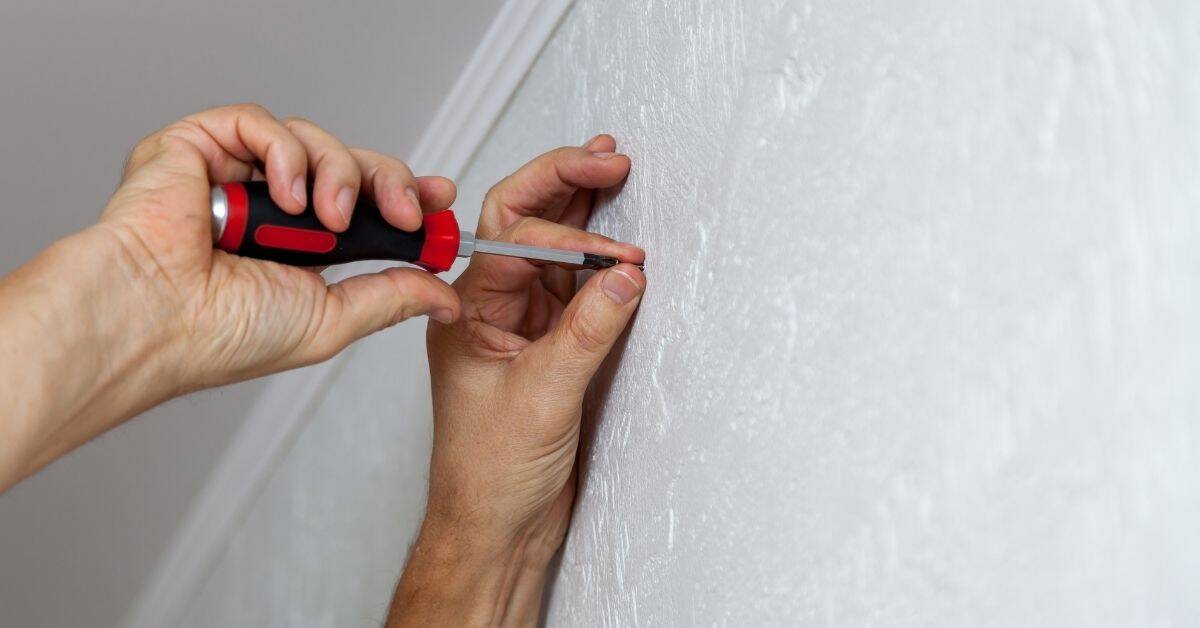
- Start driving screws slowly and steadily, applying even torque. Stop just before the head touches the surface. Check for any signs of dimpling or cracking.
- If a dimple occurs, stop immediately. Assess severity, then either fill and feather (for minor dents) or replace washer and re-drill (for severe damage).
- Once all screws are in, lightly sand any slight indentations using fine-grit sandpaper.
- Apply a thin skim coat of joint compound, feathering the edges to blend with the surrounding surface. Let it dry.
- Lightly sand again, then prime and paint.
Preventative techniques during installation
To minimize dimpling, use pilot holes, low torque, stepwise driving, and correct washer choice.
Pilot Holes: Drill a small hole first to reduce resistance. This prevents sudden engagement that can cause dimples.
Low Torque: Start with low clutch tension on your drill. Gradually increase as the screw engages, avoiding over-tightening.
Stepwise Driving: Drive screws in small increments, checking for any signs of indentation after each turn. This helps distribute load evenly and prevents sudden dimpling.
Correct Washer Choice: Use washers with a face size appropriate to the screw length and wall material. Larger faces distribute load better but can be harder to conceal if dimples occur.
Repairing and blending minor dimples
For small dimples, use filling and feathering techniques. For larger areas or severe damage, apply a skim coat or spot plaster.
Filling and Feathering: Apply joint compound using a flexible putty knife, pushing it into the dent. Feather the edges to blend with surrounding surface. Let dry, then lightly sand and prime before painting.
Skim Coat or Spot Plastering: For larger areas or severe damage, apply a thin layer of joint compound or plaster, feathering the edges. Let it dry, then lightly sand, prime, and paint. This method requires more skill but provides better coverage for extensive repairs.
If dimples are too large to repair effectively, consider replacing washers or re-drilling pilot holes before proceeding with installation.
Common Mistakes, Troubleshooting, and Repairs
Identify frequent errors such as overdriving screws, using mismatched washer or screw sizes, and improper spacing. Prioritize the most impactful mistakes to address first in repairs.
Provide corrective actions like backing out and reseating hardware, or replacing damaged washers and screws. Include a post-install inspection checklist to verify uniform seating, screw depth, and absence of dimples or cracks around fasteners.
Overdriven Screws and Stripped Holes
Ever felt your screwdriver slip, twisting the screw head off or leaving a stripped hole? That’s an overdriven screw. Here’s how to spot ’em and fix ’em:
Signs of Overdriving: Stripped screw heads, holes with no threads left, or screws that feel loose when you wiggle them.
Fixes:
- Countersink: If the hole’s not too big, use a countersink bit to deepen the pilot hole and drive a new screw in at an angle.
- Larger Washer: Use a bigger washer to distribute pressure over a larger area. This can help hide minor damage and provide better support.
- Patching: For severe cases, remove the damaged material, fill with joint compound or spackle, let it dry, sand, and repaint.
Incorrect Washer Placement and Missed Backing
Washers keep screws from pulling through. But if they’re not placed right, or there’s no solid backing, you’ll have problems.
Consequences: Screws that spin out, pull through, or leave gaps between the washer and surface.
Repairs:
- Re-position: If the screw’s not too deep, back it out, re-mark your spot, and drive it in again with proper placement.
- Supplement: Add extra screws nearby for better support. But be careful not to overcrowd.
- Remove & Reattach: If you’ve missed solid backing, remove the screw and washer, find a sturdier spot, and re-attach.
Cost, Time, and Long-Term Implications
Outline cost drivers including washers, screws, filler, backing materials, and any specialty hardware, plus allowances for waste. Consider labor factors and whether professional trades are needed for finishing.
Discuss rework and contingencies such as patching dimples and retightening after settlement. Provide guidance on budgeting time and materials, and how proper installation affects long-term maintenance and potential repairs down the line.
Estimating materials and labor effort
The right materials and planning make all the difference. Here’s how to estimate what you need:
- Plaster Washers: Consider size, quantity, and corrosion resistance. Too small? Weak bond. Too large? Cracking.
- Screws/Fasteners: Look for appropriate length and gauge. Too short? Insufficient hold. Too long? Damage behind wall.
- Caulk or Plaster Filler: Essential for filling gaps. Skip it? Joints crack over time.
- Mesh/Backing Materials: Crucial for strength and support. Miss this? Weak, damaged walls.
- Specialty Washers (if needed): Consider fire-rated or vibration-resistant types. Wrong ones? Compromise safety or durability.
Long-term maintenance and monitoring
Regular checks ensure your repair lasts. Inspect every 6-12 months for signs of movement:
Cracking or separation at joints, especially around windows and doors, indicates recurring stress.
Nail pops or screw holes pulling away from the surface, even slightly, suggest ongoing settlement or movement.
If you spot these signs, address them promptly to prevent further damage. Consider more extensive restoration if issues persist or worsen.
Top Contributors This Month
Offer a concise guide for recognizing top contributors in online communities, focusing on profile activity, verification of experience, and relevant plaster washer expertise. Emphasize quality of problem-solving in related topics like screw spacing and dimpling.
Provide practical steps to verify claims and cross-check recommendations, including consulting manufacturer specs and corroborating sources. Include safeguards for readers to test tips on small areas and to seek professional input when needed.
Identifying experienced contributors and experts
In DIY and concrete communities, top contributors are those who consistently provide high-quality advice. They’re active, knowledgeable, and have a proven track record with plaster washers and related topics like screw spacing and dimpling prevention.
Look for profiles with verified credentials, such as certifications or trade memberships. Check their post history for detailed, step-by-step guides and before/after examples. Consistent, helpful feedback is another strong indicator of expertise.
Experienced contributors often have project portfolios showcasing their work. They also participate in trusted forums, consistently providing guidance aligned with best practices.
Engaging with top contributors for project help
When seeking advice from top contributors, be respectful and clear. Start by introducing your project briefly in a public comment or message.
Share necessary context: describe your materials, tools, and local conditions. If you’ve tried something already, mention that too. This helps them tailor their advice to your specific situation.
If you prefer a private conversation, use direct messages (DMs). Be mindful of others’ time; if they’re active in the community, they likely have many requests. Offer follow-up feedback once you’ve tried their suggestions. This not only helps them improve their advice but also encourages further engagement.
Remember, top contributors are volunteers sharing their expertise. Show appreciation for their help and follow through on their recommendations to get the most out of your interaction.
Conclusion
Getting plaster washers right protects the wall, your fasteners, and the finish. When you do it correctly, you get a solid hold, a smooth surface, and fewer repairs later.
First, verify you have the right tools and materials, plan your layout, prepare the wall, and lay out the washers at the correct intervals. Then drill or pilot through the plaster as needed, set screws to the proper depth without over-tightening, and check a small area for dimpling before you finish the whole run. Finally, inspect your work, clean up, and test the fixture to confirm it sits flat and secure.
Common mistakes to avoid include skipping or misplacing pilot holes, over-tightening or using the wrong screw length, and letting spacing drift from the guidelines. Safety rules are simple: wear eye protection, work slowly, test in a small area first, and never force a washer or screw. If you’re unsure about the wall condition, or the fixture requires unusual load, don’t push ahead—calling a professional can save time and prevent costly damage. Stay deliberate, stay safe, and you’ll finish with a durable, clean look you can trust.
FAQ
What is the right spacing for screws when using plaster washers?
Use manufacturer instructions for spacing; the general idea is to keep screws evenly distributed to support the washer. Check the label on your washers or the product datasheet for recommended patterns. If in doubt, err on smaller, more frequent spacing rather than wide gaps.
What types of plaster washers are available and when should I use each?
Plain metal washers are common for most jobs, but there are variations with pre-formed seats and different edge shapes. Choose based on wall type and the material you’re fastening into. Always confirm the washer type matches your fastener and substrate per the instructions.
How can I avoid dimpling on drywall or plaster when installing washers?
Keep the screw a touch below the surface and tighten gradually while checking the surface. Use a steady hand and avoid over-tightening that compresses the finish. If dimpling happens, pause, back off, and re-tighten using the proper depth guidance from the product instructions.
What tools and safety steps should I use for plaster washer installation?
Have a drill/driver, appropriate bits, a hand screwdriver, and a stud finder if you’re fastening to framing. Wear eye protection and keep the work area clear. Always follow the tool manufacturer’s safety guidelines and the washer’s installation instructions.