
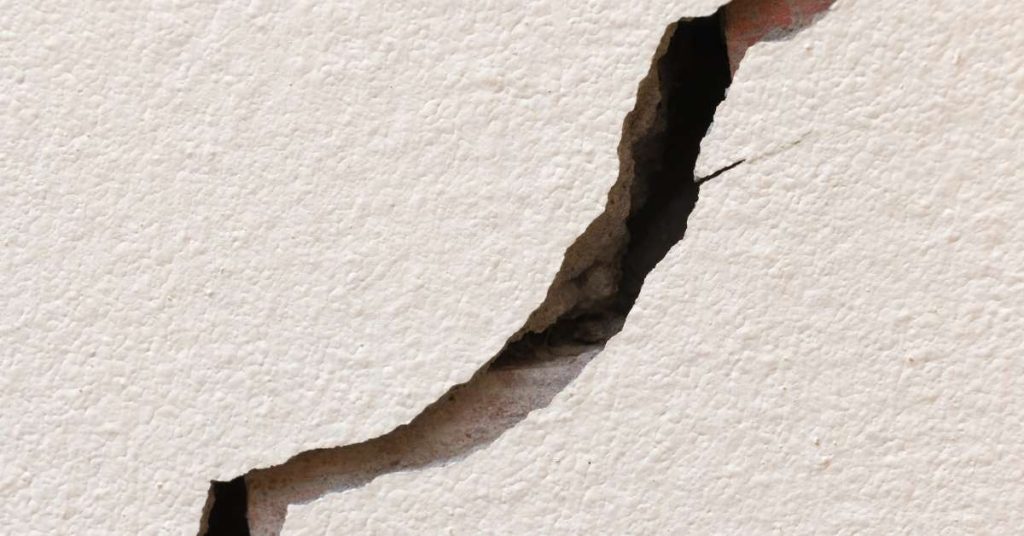
Introduction
Stucco soffits and overhangs are the sheltered edges under the roof where it meets the wall, and cracking happens where framing moves or openings exist. This article walks you through noticing those cracks early and keeping moisture out. You’ll learn simple, hands-on checks you can perform during a DIY project and what to fix or reinforce if you see gaps around vents or corners.
Early warning signs of roof leaks in Florida include staining and damp spots around the soffit area. Do a thorough exterior check of vent cutouts, flashing at the transition, and any gaps between framing and stucco, and note what you see against the manufacturer’s instructions and local rules. If anything looks uncertain, rely on the product label, instructions, and local guidance to choose safe materials and methods.
Key takeaways
- Inspect framing transitions for visible cracks; address substrate movement before stucco.
- Check vent cutouts for proper flashing and sealed penetrations to prevent leaks.
- Wear eye/respiratory protection when cutting openings to avoid dust.
- Choose breathable, compatible lath and stucco to minimize cracking over time.
- Regular exterior inspections catch early signs of roof line movement.
- Plan targeted retrofits rather than full replacement when cracks are localized.
Table of Contents
- Introduction
- Key takeaways
- Why Stucco Soffits and Overhangs Crack — Mechanics and Common Causes
- Critical Detailing at Framing Transitions to Prevent Cracks
- Best Practices for Vent Cutouts and Soffit Penetrations
- Design and Material Selection Strategies for Long-Term Crack Control
- Inspection Guide and Visual Checkpoints (Exterior and Interior)
- DIY Repairs and Temporary Mitigations for Small Cracks
- Cost Analysis and Decision-Making: Repair, Targeted Retrofit, or Replacement
- Practical Next Steps and Trusted Sources
- Conclusion
- FAQ
Why Stucco Soffits and Overhangs Crack — Mechanics and Common Causes
Soffits and overhangs sit at a busy framing transition, where movement can’t always be seen from below. The stucco or cementitious skin responds differently than the wood or metal framing behind it, creating stress at the edges and joints. Understanding how these assemblies move helps explain why cracks appear.
Key mechanical drivers include shrinkage from mixes, thermal expansion and contraction, and moisture movement within the substrate. Differential framing movement further concentrates stress at soffit-to-wall interfaces. Repeated wet-dry cycles, lack of expansion joints, improper flashing, and wind-driven moisture at edges all contribute to cracking patterns you’ll notice over time.
Movement at framing transitions
The biggest culprit behind cracking soffits and overhangs is movement where different parts of the building frame meet. Joists, rafters, and walls all expand and contract with temperature changes, and this movement can create stress concentrations right where stucco meets wood or metal framing.
For instance, when a wall expands due to heat, it pushes against the overhang above. If that overhang isn’t free to move independently, it can’t accommodate the wall’s expansion without cracking. The same goes for joist hangers and rafter tails meeting at soffits.
To minimize this, ensure framing members are properly spaced and allowed to move freely where they meet other parts of the structure. Use expansion joints in stucco to absorb some of this movement.
Shrinkage, thermal cycling, and moisture effects
Stucco goes through a lot during curing. It shrinks as it dries, and this shrinkage can cause tiny cracks to form. Daily and seasonal temperature swings also make stucco expand and contract, putting more stress on the material.
Moisture plays a big role too. When it gets wet, stucco absorbs water and expands. Then, when it dries out, it shrinks again. This repetitive wetting and drying can lead to cracking over time.
To combat this, use control joints in your stucco application to manage shrinkage. These are intentional gaps cut into the stucco that allow it to move without cracking. Also, ensure proper drainage and flashing to keep moisture out of the stucco.
Penetrations and vent cutouts as weak points
Vents, light fixtures, and soffit returns are like little weak spots in your stucco. They break up the continuous reinforcement or weather-resistant barrier (WRB) that would otherwise help distribute stress evenly.
When a vent or fixture is installed, it creates a point where stress can concentrate. This concentration can lead to cracking, especially if the opening isn’t properly flashed or sealed.
To mitigate this, use flexible sealants around penetrations and cutouts. Also, ensure that your WRB continues unbroken around these openings to help distribute stress evenly.
Critical Detailing at Framing Transitions to Prevent Cracks
Substrate prep at transitions should yield a flat, sound backing where stucco meets framing. Address gaps, loose veneer, and edge irregularities before lath and WRB are installed. Compatibility with flashing components is essential for long-term performance.
WRB integration and joint detailing matter; plan continuous coverage and proper terminations at framing members and openings. Sequencing flashing, lath, and base coats minimizes differential movement and helps keep the stucco skin tied to the structure without cracking.
Substrate, WRB, and Lath Continuity
Start with a solid substrate. Fill gaps, fix loose veneer, ensure edges are smooth.
Compatibility is key. Check your WRB, lath, and flashing work well together.
Lay the WRB first. Seal it tight at framing members, openings, corners. Keep water out.
Attach lath next. Make sure it’s flat, secure. No wobbles here.
Flashing, Drip Edges, and Counterflashing
At roof-to-wall junctions, flash first. Keep water away from fasteners.
Soffit edges too. Flash them good. Water’s got no business back here.
Drip edges at eaves stop water dripping onto stucco. No rust stains for us.
Counterflashing goes on top of roof flashing. Seal that joint tight.
Isolation and Flexible Connections
Use backer strips at framing transitions. Let the framing move, not your stucco.
Slip joints too. They give when framing shrinks or expands.
Flexibility is key here. No stress transfer to your stucco skin.
Gaskets and membranes help decouple too. Keep them in mind at corners and penetrations.
Best Practices for Vent Cutouts and Soffit Penetrations
Vent cutouts should be sized and located to avoid compromising WRB and lath integrity. Keep openings neat and within the trim, avoiding over-penetration that focuses stress around the aperture. Consider future access needs when planning the layout.
Cutting should follow a clean sequence with proper tools and safety, ensuring square openings that minimize stress concentrations. Sealants, flashing, and backer materials must be compatible with stucco, lath, and the weather barrier to reduce moisture paths.
Proper vent installation and baffles
When installing vents, ensure they’re properly mounted to avoid bridging the WRB or lath layers. Use insect screens or baffles to prevent critters from nesting inside.
Never install vents so tight that they compress the WRB or lath. This can cause cracks and compromise your barrier’s integrity.
Use foam tape or backer rod around vent openings before installing the vent. This helps maintain a continuous air seal while allowing for some movement.
Waterproofing and sealing around penetrations
Before cutting, mark out your vent locations carefully. This ensures clean, square openings that minimize stress concentrations.
After cutting, seal the edges of the opening with a compatible sealant. Use one that’s compatible with stucco, lath, and WRB to maintain continuity of air/water control layers.
Never use silicone or other non-stucco-compatible sealants around vent cutouts. They can cause cracking over time due to incompatibility with the stucco system.
Apply a bead of sealant around the vent opening before installing the vent. This creates a secondary barrier against water intrusion.
Reinforcement and finishing at cutouts
To reduce stress concentrations around openings, reinforce them with lath cutouts or corner keys. These help distribute loads evenly and prevent cracking.
For larger openings, consider using metal lintels or mesh reinforcement. This provides additional strength and support to the opening.
Always ensure that any reinforcement used is compatible with stucco and the WRB system. Incompatible materials can cause cracks over time due to differential movement.
After installing vents, apply a flexible caulk around the edges of the vent. This accommodates movement and thermal cycling without compromising air/water barriers.
Design and Material Selection Strategies for Long-Term Crack Control
Set clear targets for crack control at transitions and vents, considering climate and movement. Flexible details and proper detailing help maintain performance as the building ages. Don’t guess on performance—verify with product data and manufacturer guidance where possible.
Compare mixes and base coats for flexibility and shrinkage control, with attention to bonding to soffit details. Evaluating reinforcing mesh options and their suitability for substrate movement is essential for durable crack resistance at corners and openings.
Choosing compatible sealants and adhesives
When selecting sealants for your stucco soffits and overhangs, compatibility with the surrounding materials is key. You’ll want a flexible, UV-resistant, low-VOC sealant that sticks well to both the stucco and the substrate.
Polyurethane and silicone based sealants are popular choices due to their flexibility and durability. They can handle movement and temperature changes better than acrylic or butyl-based sealants.
Ensure the sealant is compatible with your chosen stucco mix and any primers you’re using. Check the manufacturer’s guidelines for best results.
Reinforcement types and placement
Reinforcing your stucco with mesh or lath helps control cracks by distributing stress evenly. Here are a few options:
Expanded metal lath is durable and provides good coverage, but it’s rigid. It works well on stable substrates. Fiberglass mesh, on the other hand, is flexible and great for areas with movement or vibration.
For corners, transitions, and vent openings, use a combination of lath/mesh types if needed. Embed the reinforcement into the base coat, following manufacturer’s recommendations for depth and overlap.
Finish coat selection and color/reflectivity considerations
The finish coat plays a significant role in crack control. It should be elastic enough to handle thermal cycling without cracking.
In hot climates, consider elastomeric or synthetic acrylic finishes. They’re designed to stretch and contract with temperature changes, reducing the risk of cracks.
Reflectivity matters too. Lighter colors reflect heat better, keeping your soffits cooler and reducing thermal stress. This can help prevent cracks from forming due to excessive heat expansion.

Inspection Guide and Visual Checkpoints (Exterior and Interior)
Create a prioritized exterior–interior inspection sequence focused on soffits, transitions, and vent cutouts. Align checks with storm seasons and seasonal changes. Document findings to track progression.
Exterior checkpoints include cracking patterns, spalling, staining, and sealant failures near vents. Interior checks look for moisture migration, staining, and condensation that might indicate hidden movement at transitions.
Exterior visual checkpoints
Use this checklist after storms or seasonally to spot issues early.
- Hairline cracks at transitions: Check where walls meet soffits. Hairline cracks here can widen over time.
- Seam separations: Look for gaps between stucco sections. Water can seep through these.
- Lifted flashing: Inspect metal flashings at transitions. Lifting lets water in.
- Vent gaps: Check vent openings. Gaps here let moisture intrude.
- Cracking patterns: Note hairline vs. wide cracks. Wide cracks need immediate attention.
- Spallation: Look for chipping or flaking stucco. This exposes underlying materials to water.
- Stucco staining: Check for discoloration. It may indicate moisture intrusion.
- Caulk/sealant failures: Inspect seals around openings. Failure here lets water in.
- Water runoff issues: Observe water flow off soffits. Improper runoff can cause damage.
- Fascia/trim integrity: Check trim for signs of decay or movement. This can lead to further issues.
Quick rule: If you see any of these issues, address them promptly to prevent bigger problems.
Interior and attic indicators
Use this checklist after storms or seasonally to find signs of moisture intrusion.
- Ceiling stains: Look for discoloration on ceilings. It may indicate a leak above.
- Paint bubbling: Check paint for bubbles. This can signal trapped moisture.
- Musty smells: Sniff around framing transitions. A musty odor may mean mold is present.
- Moisture migration signs: Look for water marks on walls or floors. They could indicate a leak.
- Efflorescence on drywall: Check for white, powdery deposits. It’s a sign of moisture intrusion.
- Coving around soffits: Inspect where ceilings meet walls. Cracks here can let water in.
- Condensation build-up: Look for water droplets on cool surfaces. It may indicate poor ventilation.
- Mold indicators: Check for visible mold or mildew. It grows where it’s wet.
Quick rule: If you find any of these signs, trace the moisture back to its source and fix it.
Monitoring and documenting changes
Use this routine to track if cracking is active over time.
- Date-stamp photos: Take pictures with dates clearly visible. This helps track progress.
- Close-ups of problem areas: Get detailed shots of issues. It helps see changes over time.
- Marked tape: Use painter’s tape to mark crack widths. Compare over time.
- Periodic comparison: Revisit and recheck spots every few months. This lets you spot new or worsening issues early.
- Temporary cosmetic cracking: Note if cracks appear after temperature changes. These often close up again.
- Structural concerns: If cracks widen, especially at transitions, they may be structural and need immediate attention.
Quick rule: Regular monitoring helps catch small issues before they become big problems.
DIY Repairs and Temporary Mitigations for Small Cracks
Differentiate small, non-structural cracks from larger ones that may involve framing or moisture issues. Do quick checks on width, length, and movement before starting repairs. Confirm moisture signs before closing up any area.
Follow a safe prep routine with PPE and clean surfaces for good adhesion. Use appropriate fillers and backer rods, tool flush, and cure as directed by product instructions to avoid trapping movement behind the repair.
Tools and materials checklist
Before you start any DIY repair or temporary mitigation for small cracks, ensure you have the right tools and materials. This list will help you prepare.
- Caulk (compatible with your surface material): Check label to confirm it’s suitable for your surface type (e.g., concrete, masonry, wood).
- Patching stucco compound: Ensure it matches your existing finish. Check manufacturer instructions for mixing and application.
- Mesh tape or fiberglass mesh: Choose one that’s suitable for your repair size and surface type. Check dimensions to ensure it fits your crack width.
- Backer rod (if needed): Select a size that fills the crack without overfilling. What goes wrong if you skip this: Inadequate filling can lead to poor adhesion and further cracking.
- Sealant: Choose one that’s compatible with your caulk or compound. Check label for cure time and application conditions.
- Trowel (if using compound): Ensure it’s the right size for your repair area. What goes wrong if you skip this: Using the wrong size can lead to improper spreading and waste.
- Putty knife: Select one that fits the crack width. Check for flexibility to ensure it won’t break during application.
- Scraper or chisel (for crack preparation): Ensure it’s sharp enough to cleanly prepare the crack surface. What goes wrong if you skip this: Poor preparation can result in weak adhesion and premature failure of your repair.
Quick rule: Always check product labels and manufacturer instructions before starting any repair work. This ensures you’re using the right materials and tools for your specific situation.
Small crack repair procedure
Alright, listen up. You’ve got hairline to small cracks in your concrete. Here’s how you fix ’em quick and dirty.
First, clean the crack. Use a wire brush or stiff bristle broom. Make sure it’s free of dirt, dust, and loose material. If it’s wide enough, use a vacuum to get rid of any debris inside.
Next, back the crack. You can use a concrete crack filler or even some quick-setting cement. Mix it according to the package instructions. Apply it with a putty knife or trowel, making sure to fill the crack completely. Let it set for at least an hour.
Now, reinforce that sucker. Use fiberglass tape or a similar product. Cut it to size, wet it down, and press it firmly into the filler. This’ll give your repair some strength.
Seal it up. Once everything’s set, use a concrete sealer to protect your repair from water and weather. Apply it according to the manufacturer’s instructions. And that’s it! You’ve bought yourself some time until you can do a proper job.
When DIY is insufficient
DIY repairs are great for small cracks, but they’re not a fix-all. Here’s when to call in the pros:
Active wide cracks – If cracks are wider than 1/4″ or seem to be growing, it’s time to get an expert opinion.
Structural movement – Cracks around door frames, windows, or walls that seem out of level could mean structural issues. Don’t DIY, call a pro.
Water ingress – If you notice water coming through cracks, or moisture inside your home near the crack, stop DIY and get it checked. Water can cause serious damage fast.
Recurring cracking – If you’ve patched a crack before and it keeps coming back, there might be an underlying issue that needs professional attention.
Cost Analysis and Decision-Making: Repair, Targeted Retrofit, or Replacement
Define decision criteria that separate repair, retrofit, and replacement, weighing crack severity and moisture risk. Consider the framing condition and potential impact on performance at vents and overhangs. Use a practical lens to choose a path.
Identify cost drivers and gather quotes from qualified professionals for accuracy. A simple framework helps you triage: diagnose cause, assess extent, and estimate life cycle costs to pick the right option.
What drives costs and quotes to request
When requesting quotes for repairing, retrofitting, or replacing your stucco soffits and overhangs, several factors influence the final cost. Understanding these can help you make informed decisions.
Accessibility is a significant factor. If scaffolding or lifts are needed, expect to pay more. The extent of lath and WRB replacement also impacts costs. Flashing work, required when dealing with vent cutouts and framing transitions, adds to the bill.
Labor rates vary by region, so be sure to ask contractors for a breakdown of their labor costs. Matching the existing finish can also increase expenses. Always request an itemized quote to understand where your money is going.
Safe cost ranges and how to verify locally
Costs for repairs can vary greatly depending on the extent of work needed. Here are some safe ranges to keep in mind:
Minor patching (small cracks, localized issues) typically ranges from $100 to $500. Moderate repairs (widespread cracking, moisture issues) can cost between $500 and $2,000. Full soffit/overhang refinish may range from $2,000 to $5,000 or more.
To verify quotes, get multiple bids from local contractors. A written scope of work should detail the proposed repairs, materials to be used, and labor costs. Always inspect the work site with the contractor before starting any work.
Insurance and warranty considerations
In some cases, repairs may be covered by insurance if the damage is due to a sudden event like a storm or fire. Proactive maintenance can prevent claims and keep your premiums low.
When hiring a contractor, always ask about warranties. A good warranty should cover both labor and materials for at least one year. Be wary of contractors who don’t offer warranties or have short warranty periods.
Before signing any contract, ensure you understand what is covered under the warranty and what voids it. Keep records of all communications with your contractor and insurance company regarding the repairs.
Practical Next Steps and Trusted Sources
Lay out a seasonal maintenance plan tailored to hot and humid climates, with checks for drainage, caulking renewal, and vent integrity around transitions. Schedule tasks to align with weather patterns and moisture risk. Keep notes for future reference.
Highlight environmentally preferable materials and coatings and when to choose them over traditional options. Recommend authoritative sources for specs and code guidance and how to cite them in project documentation.
Seasonal and preventive maintenance checklist
Use this checklist to keep your stucco soffits and overhangs in top shape. Regular upkeep prevents minor issues from turning into costly repairs.
- Spring: Inspect sealants, flashing, and caulking for any damage or wear after winter. Reseal as needed.
- Summer: Clean vents to ensure proper airflow. Check for signs of moisture buildup.
- Fall: Touch up finishes before cold weather sets in. Inspect and repair any damaged areas.
- Winter (if applicable): Ensure all openings are properly sealed to prevent heat loss and condensation.
- Quarterly: Inspect framing transitions for cracks or movement. Check vent cutouts for integrity.
- Annually: Perform a thorough inspection, including moisture testing and airflow verification.
Quick rule: Regular maintenance saves you money in the long run by preventing major issues from developing.
Sustainable material options and lifecycle thinking
Choosing the right materials can extend the life of your stucco soffits and overhangs while minimizing environmental impact.
- Low-VOC Sealants: Use to reduce indoor air pollution. Look for sealants with low volatile organic compounds (VOCs).
- Breathable Sealants: Allow moisture to escape, preventing trapped water from causing damage.
- Lime-Putty or Cementitious Coatings: Apply where appropriate for durability and longevity. Avoid oil-based paints that can trap moisture.
- Corrosion-Resistant Fasteners: Use to prevent rusting, which can lead to cracking and delamination.
- Moisture Barriers: Install to protect against water intrusion but ensure they’re breathable to avoid trapping moisture.
Codes, standards, and manufacturer guidance to consult
Familiarize yourself with local building codes and industry standards for proper installation and maintenance of stucco soffits and overhangs.
Local Building Codes: Check your city or county’s specific regulations. They may have amendments to the International Building Code (IBC) or International Residential Code (IRC).
Manufacturer Guidelines: Follow installation instructions provided by the manufacturer for their specific products. Save these documents for future reference and contractor reviews.
Industry Standards: Consult recognized industry guidelines, such as those from the Exterior Insulation and Finish Systems (EIFS) Industry Members Association or the Stucco Manufacturers Association.
Conclusion
Crack control in stucco soffits and overhangs hinges on doing the right detailing at transitions and around vent openings. When you protect the framing, vent penetrations, and material junctions, you lock in long-lasting strength and keep the look clean.
Start by checking for cracks at corners and transitions, confirm framing and vent locations are correct, prep and seal edges, and then test any repair in a small, hidden area before scaling up. Inspect exterior surfaces for moisture paths, verify flashing and wraps are intact, choose materials that match the system, and proceed with controlled, measured steps rather than patching haphazardly. Do the work in clear, dry conditions, use proper safety gear, and document what you touch or replace so you don’t miss a flaw later.
Common mistakes to avoid are skipping critical prep or flashing, using the wrong sealant or patch for the stucco system, and overcorrecting with heavy patches that trap moisture. Safety rules to follow include testing small areas first, working from eaves inward so you don’t trap water, and stopping if you see ongoing movement, unusual warmth, or water intrusion. If any crack is widening, if you’re uncertain about framing, or if ventilation or moisture is involved, pause and reassess rather than forcing a fix.
If the crack pattern or framing work feels beyond your comfort zone, call a professional for a targeted retrofit or evaluation. Stay disciplined, keep the goal in sight, and you’ll protect your home’s skin without costly mistakes. You’ve got this—steady, careful progress now leads to durable results later.
FAQ
What early warning signs of roof leaks should I look for in Florida weather?
Watch for damp spots on ceilings, water staining along walls, and recurring damp patches after rain. Look for peeling paint on soffits and peeling wallpaper near interior ceilings. If you see brown streaks or dark spots that come back after drying, take it as a warning sign.
How can I inspect exterior roofing elements to spot crack risk before it starts?
Inspect flashing, vents, and roof transitions from the ground and, if safe, from a ladder. Look for loose or warped shingles, tiles with chipped edges, and cracked or missing caulk at joints. Check soffit and fascia areas for gaps or sagging that can channel water toward framing.
Where does water usually enter at framing transitions and vent cutouts?
Water follows the path of least resistance, often finding gaps where substrate and siding meet framing. Cracks form at corners, around penetrations, and where sealants have failed. Pay attention to high-flow areas like vent cutouts and eave joints where moisture can back up into the attic.
What simple DIY checks can I do to find small leaks before they worsen?
Run a careful interior moisture check: look for damp drywall near ceilings, test with a flashlight along attic joists, and press on soft spots. From the exterior, probe around vent flashing and soffit-to-wall seams for soft, hollow, or cracked wood. If you find anything questionable, address it with manufacturer-approved sealants or flashing replacements and consult instructions for proper installation.