

Introduction
This article covers how to stucco around solar mounts to seal, support, and keep drainage clear. It’s a hands-on, DIY approach that balances protection with easy maintenance.
Use proper technique for applying stucco around mounts, choosing standoffs that keep panels level and allow drainage paths. Select sealants rated for roof penetrations and check manufacturer instructions and local rules to confirm suitability.
Key takeaways
- Ensure stucco around mounts uses proper standoffs to maintain drainage and movement space.
- Sealant choice: select flexible, paintable sealants compatible with stucco and metal mounts.
- Keep drainage paths open by sloping and avoiding blockages at penetrations.
- Use correct penetration detailing: flashings, backer rods, and proper bead widths per manufacturer.
- Plan coordination: protect solar equipment during stucco prep and curing, stagger work.
- Inspect and repair: diagnose cracking, moisture issues, and reseal promptly after repairs.
Table of Contents
- Introduction
- Key takeaways
- Why Careful Stucco Detailing Around Solar Mounts Matters
- Solar Standoffs and Mount Penetrations: Types and Correct Use
- Choosing and Applying Sealants for Stucco-to-Mount Interfaces
- Keeping Drainage Paths Open: Design Details and Field Techniques
- Stucco Application and Repair Techniques Around Existing Solar Installations
- Diagnosing Common Problems and Proven Repair Solutions
- Safety, Coordination, and Protecting Solar Equipment During Work
- Planning, Tools, Materials, Specs, and Budgeting for Projects
- Conclusion
- FAQ
Why Careful Stucco Detailing Around Solar Mounts Matters
Proper detailing around solar mounts affects performance, durability, and moisture control. It also influences warranty expectations and long-term finish integrity. Penetrations require targeted attention to avoid hidden failures.
Define what proper detailing includes—standoffs, flashings, sealants, and drainage paths—and why those elements matter at wall and roof edges. Moisture management hinges on avoiding capillary leakage and microcracking. Ensure you understand how material choices and install details interact with the mounting hardware and climate.
Risks of poor detailing
Sloppy stucco work around solar mounts can lead to serious issues. Water intrusion is the big one. It seeps in through microcracks or gaps, travels along framing, and ends up inside your walls.
Cracking happens when stucco dries too fast or shrinks. This lets water in, creating a vicious cycle. Corrosion of fasteners is another problem. Moisture meets metal, and you’ve got rust.
Secondary damage follows. Sheathing can rot, insulation gets soaked, and mold starts growing. All this costs time and money to fix, not to mention the hit to your home’s value.
How stucco details affect solar equipment and warranties
Proper detailing keeps your solar panels happy, too. It’s about movement and heat.
- Standoffs: They let the wall breathe, preventing panel contact that could cause damage or restrict expansion/contraction.
- Sealants: Use compatible ones to avoid reactions with solar hardware. Silicone’s a good bet, but check compatibility first.
- Flashings: They direct water away from the panel/wall interface, keeping it dry and preventing leaks.
- Thermal cycling: Solar panels heat up and cool down daily. Stucco should accommodate this movement without cracking or pulling away.
- Documentation: Keep records of approved methods used. This helps protect warranties during inspections.
Solar Standoffs and Mount Penetrations: Types and Correct Use
Identify common standoff and mount types used on stucco surfaces and roof edges, and note where each is appropriate. Consider load scenarios and flashing needs for walls versus roof installations. Confirm the intended application with your project specifics before proceeding.
Explain how standoff selection affects load transfer, fastener length, and substrate compatibility. Detail flashing methods and sealant choices that maintain continuity around each penetration. Keep drainage paths clear and avoid creating moisture traps near mounts.
Typical standoff styles and when to use them
Standoffs come in various styles, each suited for different scenarios. Here are four common types:
Lag-style standoffs are ideal for walls with solid backing like wood or metal studs. They’re easy to install and can handle moderate loads.
Through-flashing mounts are great for roof edges where waterproofing is crucial. They allow flashing to be lapped over the standoff, preventing leaks.
Tile hooks are useful when mounting on curved surfaces or thin substrates like tile. They provide minimal penetration and can be adjusted to fit different tile thicknesses.
Adhesive or clamp systems are suitable for lightweight structures or where drilling is not feasible. However, they may not withstand high loads or extreme weather conditions as well as other standoff types.
Flashing and penetration protection best practices
Proper flashing is key to preventing water intrusion around solar mount penetrations. Here’s how to do it right:
Use Z-flashing for wall mounts, lapping the flashing over the standoff and under the stucco finish. For roof edges, use lapped/flashed penetrations, ensuring the flashing extends at least 3 inches up the roof slope.
Backing plates should be used with all standoffs to distribute loads and protect the substrate. Fastener lengths must be long enough to penetrate through the stucco layer, reaching solid backing.
Seal all penetrations with a high-quality, flexible sealant. Ensure it’s compatible with your stucco finish and can withstand UV exposure. Always maintain clear drainage paths around penetrations to prevent moisture traps.
Choosing and Applying Sealants for Stucco-to-Mount Interfaces
Compare sealant families by elasticity, UV resistance, adhesion to stucco and metal, and movement accommodation. Note which options suit PV hardware and finish materials, and when to choose each type. Check labels and manufacturer guidance for compatibility with your setup.
Outline surface prep, priming needs, and moisture considerations for both stucco and mounting plates. Describe how to test adhesion and plan for joint design that tolerates solar movement while staying watertight. Consider cure times and weather windows for best results.
Sealant types and environmental performance
Choosing the right sealant is crucial for a durable, long-lasting bond. Here’s what you need to know about different sealant families:
Silicone: Offers excellent UV resistance and elasticity, making it ideal for sunny or coastal climates. However, it doesn’t adhere well to metal and can stain if not compatible with finish materials.
Polyurethane: Provides superior adhesion to both stucco and metal, but has lower UV resistance and less elasticity than silicone. It’s a good choice for freeze-thaw climates or where movement accommodation is needed.
Hybrid/MS Polymer: Combines the benefits of silicone and polyurethane, offering good UV resistance, adhesion, and elasticity. It’s versatile but may not perform as well in extreme conditions.
Proper surface prep and application technique
Thorough preparation is key to a successful sealant job. Here’s how:
Cleaning: Remove all dirt, debris, and contaminants from both stucco and metal surfaces using a wire brush or compressed air.
Priming (if needed): Apply a primer to improve adhesion and seal the surface. This is especially important for porous substrates like stucco.
Joint backing and bead size: Use backer rod to create a uniform joint width, typically 1/4″ to 3/8″. Apply sealant in a continuous bead, following the manufacturer’s recommended thickness (usually 1/8″ to 1/4″).
Tooling and cure time: Tool the sealant immediately after application to create a smooth, even surface. Follow the manufacturer’s instructions for cure times, usually 24-72 hours before exposure to weather or water.
Longevity expectations and inspection intervals
Regular inspections help maintain the sealant’s integrity. Here’s a checklist for every 6-12 months:
- Visual check: Inspect for cracks, gaps, or discoloration that could indicate failure.
- Movement assessment: Check if there are any signs of excessive movement around the mounts, like stress fractures in the sealant.
- Moisture intrusion: Look for water stains, mold, or mildew, which may indicate a breach in the seal.
- Staining: Check for any discoloration on finish materials that could signal incompatibility with the sealant.
- UV degradation: Inspect for signs of UV damage, like hardening or loss of elasticity.
- Expansion/contraction: Ensure the joint can still accommodate movement without compromising the seal.
- Backer rod integrity: Check if backer rod is intact and hasn’t shifted or compressed over time.
- Sealant adhesion: Gently pull on the sealant to ensure it’s still well-adhered. If it peels off easily, re-sealing may be necessary.
Quick rule: If you notice any issues during your inspection, address them promptly to prevent further damage and maintain the solar array’s warranty.
Keeping Drainage Paths Open: Design Details and Field Techniques
Discuss flashing design around solar mounts and how to integrate it with stucco to prevent water ingress. Cover counter-flashing and guidance on where flashing should sit relative to cladding. Ensure details support reliable drainage from the outset.
Address weep paths, vent routing, and protection from debris. Explain slope requirements and alignment with roof and wall drainage planes. Share practical steps to verify that standoffs and sealants won’t obstruct drainage.
Weep Screeds, Gaps, and Drainage Channels
Stucco walls need to breathe. That’s where weep screeds come in. These are small openings at the base of your stucco wall, allowing any trapped moisture to escape.
Never block these with soil or landscaping materials.
Control joints and clearance gaps serve a similar purpose. They prevent cracking and allow for expansion while letting moisture out. Make sure solar mounts don’t obstruct these features.
Slope, Flashing Laps, and Directing Runoff
Flashing isn’t just about preventing water entry. It’s also about guiding water out. Ensure your flashings have a slope, directing water away from mounts.
Lap flashing pieces in the direction of runoff.
Runoff should be directed away from penetrations and foundation areas to prevent it from finding its way back behind the stucco. Align slopes with roof and wall drainage planes for best results.
Stucco Application and Repair Techniques Around Existing Solar Installations
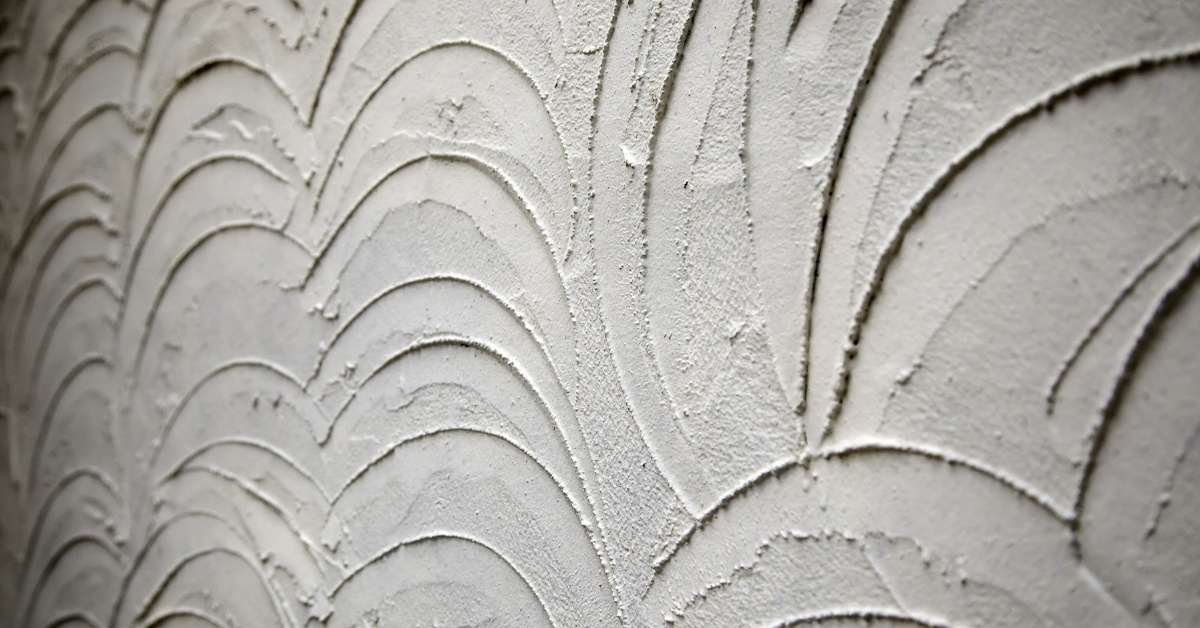
Begin with an assessment of mounting depth, flashing condition, and any cracks around fasteners. Identify movement stress risks and plan for preserved drainage as you repair. Understand how existing hardware influences your patch strategy.
Outline surface preparation, patching texture, and feathering edges to blend with surrounding finish. Describe sealant placement, joint sealing, and re-sealing around flashing after repairs. Consider how to maintain waterproofing and drainage through the patchwork.
Cutting, backer support, and bonding around mounts
Before you start patching, ensure a solid bond between your new stucco and the existing structure. Here’s how:
First, cut cleanly around each mount using a utility knife or oscillating tool. Remove any loose glaze or damaged material.
Next, install backer support. For small repairs, use fiberglass mesh tape. For larger areas, apply a layer of setting-type joint compound or thinset mortar before embedding the mesh.
When applying new stucco, ensure it bonds well to the backer but doesn’t have rigid contact with the mount hardware. This prevents stress concentrations and reduces the risk of cracking.
Texture matching and minimizing stress concentrations
Matching your new stucco to the existing texture is crucial for a seamless repair. Here’s how:
Start by feathering the edges of your patch, blending it into the surrounding texture. Use a hawk and trowel to apply the stucco, working from the center outwards.
To avoid hard joints that can crack under movement, use flexible transitions. For example, you can create a ‘bullnose’ or ‘cove’ joint at the edge of your patch. This allows for some give and take without putting stress on the repair.
Additionally, consider installing control joints around your mounts. These planned cracks help relieve stress and prevent random cracking elsewhere in your stucco.
Diagnosing Common Problems and Proven Repair Solutions
Start with a concise moisture-focused inspection around mounts, looking for staining, efflorescence, mildew, and damp framing. Note suspect areas and use a moisture tester if available. Record findings to guide repairs.
Examine sealants, flashings, and caulk lines for cracking or gaps. Check for corrosion on fasteners and verify clearances that prevent capillary wicks. Map issues to repair strategies for moisture control and drainage improvements.
Visual and moisture-detection checkpoints
Before diving into repairs, use this checklist to identify issues around your solar mounts. It’s best to inspect annually or after severe weather.
- Staining: Check for water stains on stucco, indicating potential leaks.
- Efflorescence: White powdery deposits suggest moisture is present.
- Cracking: Hairline cracks are common but wider ones may need patching.
- Mildew: Black or green spots indicate trapped moisture and mold growth.
- Softened substrate: Gently press stucco; if it feels soft, there’s likely moisture behind it.
- Moisture meter: Use one to confirm damp areas around mounts, joints, and edges. Skipping this can lead to missed issues.
- Infrared camera (optional): If available, use it to detect temperature differentials indicating moisture.
- Framing behind stucco: Check for dampness using a screwdriver or probe. Ignoring this can hide serious problems.
Quick rule: Always check around mounts, joints, and edges where moisture entry is most likely.
Repair strategies for sealant, flashing, and stucco failures
Addressing these issues promptly prevents further damage. Start with the most accessible problems.
Sealants: If cracked or missing, clean the area and apply new sealant. Use a backer rod for wide gaps to support the new sealant. Neglecting this can lead to water intrusion and more costly repairs.
For flashing failures, replace damaged pieces with new flashing. Ensure proper laps and secure it with corrosion-resistant fasteners. Ignoring this can cause leaks and stucco damage.
If stucco is delaminating or cracked, you may need to remove the affected area, prepare the surface, and reapply stucco. If damage is extensive, a full rework might be necessary. Patching small areas can buy time but isn’t a permanent solution.
Safety, Coordination, and Protecting Solar Equipment During Work
Set access controls and confirm permit requirements with all trades, including basic lockout or tagout for PV equipment. Align on sequencing to minimize risk while work is performed around mounts. Plan clear communication channels for changes.
Address energized array safety, fall protection, and equipment protection. Use proper PPE and plan for de-energizing or shading rails when feasible. Coordinate tasks to avoid drainage disruption and protect sealants and finishes.
Electrical and fall-safety precautions
Before you start any work around your solar panels, safety must be your top priority. Here’s what you need to know:
De-energize when required. If possible, have the solar installer de-energize the array before you begin work. This is crucial for your safety and should be arranged beforehand.
Lockout/Tagout (LOTO) coordination. Work with the solar installer to implement a LOTO procedure. This ensures that no one can accidentally energize the system while you’re working on it.
Wear appropriate PPE: insulated gloves, non-conductive footwear, and eye protection. Also, have a solid fall arrest plan in place for both roof and wall work near panels. Use harnesses, secure anchor points, and manage ladders safely to prevent falls.
Communication and documentation with solar installers
Good communication with your solar installer is key to protecting your investment. Here’s how to coordinate before you start work:
Review as-built drawings. These show the exact layout of your solar array and are crucial for planning your work around it.
Obtain fastening details. You’ll need to know how the panels are secured to avoid damaging them or their mounts during your work.
Document existing conditions with photos. This helps protect warranties by showing the condition of the solar array before you began your work. Also, get sign-off on proposed details from the installer to ensure you’re not voiding any warranties.
Planning, Tools, Materials, Specs, and Budgeting for Projects
Clarify the scope and safety implications for stucco around solar mounts, including standoff strategies and drainage preservation. Note relevant codes, warranties, and coordination requirements. Ensure expectations are aligned before starting.
Provide a tools and materials list organized by task, plus notes on handling and storage. Emphasize material specs, standards, and compatibility checks for stucco, flashing, and solar hardware. Plan a realistic budget and timeline with contingencies and lead times.
Tools and materials checklist
Use this checklist before starting any stucco repair or re-detailing job around solar mounts.
- Hand tools: Trowel, putty knife, utility knife, tape measure, chalk line, level, hammer, trowel float, and brush for cleaning.
- Power tools (optional): Electric trowel for larger areas, oscillating multi-tool for cutting backer rod.
- Sealants: Choose a flexible, UV-resistant, solar-compatible sealant. Check compatibility with both stucco and solar hardware.
- Backer rods: Use closed-cell foam or other compressible materials to maintain consistent seal thickness.
- Flashing materials: Corrugated metal, vinyl, or other durable, long-lasting flashing. Ensure it’s compatible with your stucco system and solar hardware.
- Fasteners: Stainless steel or galvanized screws, nails, or staples for securing lath/mesh and flashing. Avoid aluminum in coastal areas due to corrosion risk.
- Lath/Mesh: Metal lath or fiberglass mesh for reinforcing stucco. Choose one compatible with your stucco mix and solar hardware.
- Protective equipment: Safety glasses, gloves, dust mask, ear protection (if using power tools), and hard hat (for fall protection).
Quick rule: Always check your specific solar hardware manufacturer’s recommendations for compatible materials and installation methods.
Material specs, compatibility, and standards to check
Choosing the right materials ensures a durable, long-lasting result. Here’s what to look for:
- Stucco mix: ASTM C926 or C1387 standards. Check for suitable aggregate size, cement-to-sand ratio, and additives for freeze-thaw resistance.
- Sealant: ASTM C834 or C1184 standards. Look for high movement capability (50% minimum), UV resistance, and salt-spray resistance for coastal areas.
- Flashing: Check for corrosion resistance (galvanized or stainless steel) or UV stability (vinyl). Ensure it meets local building code requirements.
- Standoffs/spacers: Choose ones designed for your specific solar panel type. Verify they can support the required load and maintain proper drainage.
- Compatibility: Check with both stucco and solar hardware manufacturers to ensure all materials are compatible.
Cost drivers and how to get reliable estimates
The scope of work, access difficulty, climate-grade materials, and labor skill significantly impact the cost. Here’s how to get reliable estimates:
First, define your project scope clearly. Repairing existing issues is cheaper than reworking entire sections.
Consider access difficulty. Roofs or high walls may require additional safety measures and time, increasing labor costs.
Climate-grade materials can add to the cost but ensure long-term performance. Get quotes for both economy and premium options.
Labor skill affects the estimate too. More experienced crews may charge more but work faster and produce better results.
To get reliable estimates: Obtain multiple written quotes from reputable contractors. Ask for unit pricing (cost per square foot or linear foot) to compare apples to apples. Budget a contingency (10-20%) for unseen substrate issues that may arise during the project.
Conclusion
Careful stucco detailing around solar mounts protects people, keeps the system reliable, and preserves the look of the building. When you do it right, you reduce leaks, drift, and costly repairs while the panels stay protected from weather and vibration.
Proceed with a simple, stepwise check: confirm the mount standoff type and penetrations, verify correct sealant choice and application at the interface, ensure drainage paths stay open, plan flashing and gutters if needed, fit and cure in the proper sequence, keep the solar gear protected during work, work in calm weather, and stick to your budget and schedule while testing on a small area first.
Avoid common mistakes such as overtightening fasteners, leaving gaps around penetrations, blocking drainage paths, choosing the wrong sealant or failing to seal joints, and rushing repairs without testing. Safety first means shut off power when near the array, wear eye and skin protection, and never work from a risky height or on damaged scaffolding. Take time to verify fit, test repair ideas in a small area, and document exactly what you did for future maintenance.
If the project involves complex penetrations, uncertain sealing systems, or signs of water intrusion, call in a professional rather than guessing. When in doubt, especially around electrical components or structural modifications, step back and contact a pro. Stay steady, follow the plan, and you’ll keep the look, the drainage, and the solar system performing for years to come.
FAQ
How do I apply stucco around solar mounts without sealing it in or creating leaks?
Clean the area well where the mount sits. Build up the stucco around the base so the mount sits on a solid surface, not on soft material. Follow the manufacturer’s instructions for curing and ensure the sealant at the joint is compatible with both stucco and the mount.
What sealants are suitable for roof penetrations with solar mounts?
Look for sealants that list compatibility with stucco and roofing materials and are recommended for penetration joints. Read the label for cure time, movement capability, and weather resistance. If you’re unsure, check the manufacturer instructions or local guidance before use.
How can I keep drainage paths open around the mounts?
Ensure there’s a clear slope away from the mount and any channels or weep paths remain unobstructed. Do not pile debris or caulk fill over drainage routes. Inspect after storms and reseal if you notice buildup or blockages.
What’s the role of standoffs, and how do I choose them for rooftop installs?
Standoffs create a gap so water can drain and the mount won’t press into the stucco. Choose the type that fits the mount and roof profile and confirm they won’t abrade fasteners or roof membranes. When in doubt, review the mount’s mounting instructions and select options that keep a consistent gap under load.