

Introduction
Stopping tannin bleed means using a barrier primer and proper timing to prevent wood tannins from staining the finished surface.
In plain terms, choose a stain-blocking primer and apply it at the right stage, so tannins don’t push through the topcoat. The key is to follow the product label and local rules, then let the primer cure as directed before painting. If you’re unsure about tannin presence, test a small area and check the label or manufacturer instructions for blocking performance.
Key takeaways
- Identify tannin bleed early by inspecting fresh concrete and wood stain patterns.
- Primer choice should suit the substrate and block tannin migration effectively.
- Prime before paint when moisture is low and surface is clean.
- Prepare surface with moisture check and dust-free, dry, and sound condition.
- Test patches on hidden areas; verify bleed resistance before full coating.
- Follow manufacturer directions for cure times, ventilation, and wear protective gear.
Table of Contents
- Introduction
- Key takeaways
- What Is Tannin Bleed and Why It Matters
- The Science Behind Tannin Migration
- Timing: When to Prime to Prevent Stains
- Choosing the Right Tannin-Blocking Primer
- Surface Preparation and Detection Before Priming
- Application Best Practices and Cure Times
- Visual Checkpoints, Test Patches, and Verification
- Troubleshooting and Long-Term Prevention
- Conclusion
- FAQ
What Is Tannin Bleed and Why It Matters
Tannin bleed is when resinous compounds migrate from the wood into the finish. You may see dark streaks or blotches showing up after paint or stain layers are applied. This can undermine color, sheen, and the overall look of the project, making it look unfinished or uneven.
Understanding what tannin bleed is helps you plan a blocking primer strategy. It also clarifies why the issue demands attention before topcoating or sealing a surface. The goal is to protect the final appearance and the durability of the coating system.
Common sources and affected materials
Your material choices can make a big difference when it comes to tannin bleed. Some woods are more prone to leaching tannins than others.
- Hardwoods like cedar, redwood, and mahogany: These often have high tannin content. Look for ‘heartwood’ or ‘sapwood’ ratings when selecting lumber. Avoid using heartwood on exterior cladding where it’s exposed to weather.
- Softwoods like pine and fir: While less prone, they can still bleed tannins, especially when pressure-treated. Opt for ‘kiln-dried after treatment’ (KDAT) lumber to minimize issues.
- Exterior cladding materials: Vinyl, aluminum, and fiber cement siding can also be affected if installed over a tannin-rich substrate.
- Concrete and masonry: Tannins in adjacent woods can leach into these surfaces, causing stains and discoloration. Use barriers to prevent this.
- Wood-plastic composites (WPC): Some WPCs contain tannin-rich wood fibers that can bleed over time. Check the product’s specs for tannin content.
Consequences for coatings and durability
Tannin migration can wreak havoc on your finishes, affecting both adhesion and aesthetics. Here’s what goes wrong:
Adhesion issues: Tannins interfere with paint and stain adhesion, causing peeling, flaking, or delamination over time.
Discoloration: Tannins can bleed through your finish, turning it brown or yellowish. This is especially noticeable on lighter colors.
Reduced durability: Coatings that don’t adhere well are more susceptible to damage from weathering, UV exposure, and physical impact. This shortens their lifespan and increases maintenance costs.
The Science Behind Tannin Migration
Tannins are natural extractives in wood that can dissolve in water or solvents. They move with moisture and can ride along capillary action through porous substrates. This migration is what allows staining compounds to reach the surface long after a wood surface is finished.
Alkalinity and moisture levels influence how readily tannins move. A primer chosen to block these compounds must be compatible with the substrate and the finish you plan to apply. Check manufacturer instructions and product data sheets to confirm suitability for tannin suppression.
Role of moisture content and environmental factors
Tannins are water-soluble, so it’s no surprise that moisture plays a big role in their migration. Here’s how:
Residual Moisture: Even after concrete seems dry, some moisture remains. This can push tannins to the surface over time.
Rain: Rainwater can dissolve tannins and carry them through coatings. It’s worse when it rains soon after application or during curing.
Humidity and Temperature Swings: High humidity and temperature changes can cause moisture to move within the concrete, driving tannin migration.
Interaction with different topcoats and substrates
The risk and visibility of tannin stains depend on your topcoat and substrate. Here’s why:
Porosity: Porous concrete allows tannins to move more easily, increasing the risk of bleed-through.
Film-forming coatings like epoxy or polyurethane create a barrier against tannin migration but can show stains if they do breakthrough. Porous coatings like acrylic allow some tannin movement but may hide stains better.
Substrate type matters too. Tannins are more likely to bleed through porous aggregates and certain cement types, so consider your concrete’s makeup.
Timing: When to Prime to Prevent Stains
Prime after the surface has dried and acclimated to the environment. Avoid priming while the surface is still damp or humid from cleaning or weather exposure. Proper timing helps the blocker form a durable barrier before bleed can occur.
Plan priming with respect to installation and finishing steps. Allow adequate cure or acclimation time according to the product label and local conditions. If in doubt, verify with the manufacturer instructions or local rules before application.
New wood, milled lumber, and freshly installed siding
Green or newly cut wood contains high moisture content. Priming too early can trap this moisture under the primer, leading to poor adhesion and potential peeling.
Wait until the wood has dried out naturally or been kiln-dried before priming. This usually takes a few weeks to a few months, depending on the species and conditions.
Before priming, check for any signs of moisture like dampness or soft spots. Use a moisture meter if unsure.
Never prime green wood. It’s a waste of time and money.
Previously finished or stained surfaces
If the surface is already painted, stained, or sealed, you can usually prime over it. But there’s a catch.
First, ensure the existing finish is sound and hasn’t failed. If it has, remove the loose parts and sand the area smooth before priming.
If the surface has tannin stains, do not prime over them. Tannins can bleed through most primers and finishes. Remove or isolate these stains first using a tannin blocker or oxalic acid.
Always clean the surface before priming to remove any dirt, grease, or wax that could hinder adhesion.
Choosing the Right Tannin-Blocking Primer
Primers come in shellac-based, oil/alkyd, and waterborne chemistries. Each has different strengths for blocking tannins and compatibility with topcoats. Your choice should reflect the substrate, exposure, and the finish you intend to apply.
Pros and cons vary by scenario. Shellac can block stubborn tannins but may require solvents for cleanup. Oil/alkyd and waterborne options offer different drying times and is best aligned with the environmental conditions and topcoat compatibility—check labels and data sheets for specifics.
Shellac-based primers: strengths and limitations
Shellac-based primers are your go-to for severe tannin bleed. Why? Shellac naturally binds with tannins, stopping them in their tracks.
Pros: Excellent tannin suppression, especially on hardwoods like cedar and redwood. Dries fast, allowing you to keep the job moving.
Cons: Odor can be strong, so use in well-ventilated areas or outdoors if possible. Not ideal for exterior use due to UV instability. Compatibility issues may arise with some topcoats.
Alkyd/oil and waterborne stain-blocking options
For lighter tannin bleed, consider alkyd or oil-based primers. They provide good tannin resistance and are great for interior use.
Pros: Effective on lighter tannin bleed. Good adhesion to various surfaces. Long open time for easier application.
Cons: Slower drying time compared to shellac. Not suitable for exterior use due to poor UV resistance. Waterborne options are available but may not provide the same level of tannin suppression as their oil-based counterparts.
Surface Preparation and Detection Before Priming
Start with a clean, sound surface. Remove dirt, grease, and loose material so the primer can bond. Light sanding helps open the surface for better adhesion and coverage.
Isolate any spots with visible tannin bleed to monitor for transfer after priming. Use spot checks and follow the product instructions to determine readiness before applying the blocker. When in doubt, verify surface prep details on the product label or manufacturer guidance.
Cleaning, Degreasing, and Removing Soluble Stains
Start by removing any dirt, dust, or loose particles with a stiff-bristled brush. Use a degreaser to tackle grease spots and oil stains. Apply it, let it sit for 15-20 minutes, then scrub and rinse.
For soluble tannin stains, use a mixture of oxalic acid (available at hardware stores) and water. Apply, let it soak, then scrub and rinse. Be careful – oxalic acid is corrosive.
Rinse thoroughly with clean water after each cleaning step. Let the surface dry completely before moving on to the next stage.
Moisture Testing and Porosity Checks
Before priming, test for moisture using a moisture meter. Most primers require a surface moisture content of less than 12-15%. If it’s higher, wait until the wood dries out naturally or use a dehumidifier.
Check porosity by sprinkling some water on the surface. If it beads up and doesn’t soak in, your surface is ready for priming. If it soaks in quickly, you might need to sand lightly first to open up the pores.
Always follow the primer manufacturer’s guidelines for acceptable moisture content and porosity levels. They can vary by product.
Application Best Practices and Cure Times
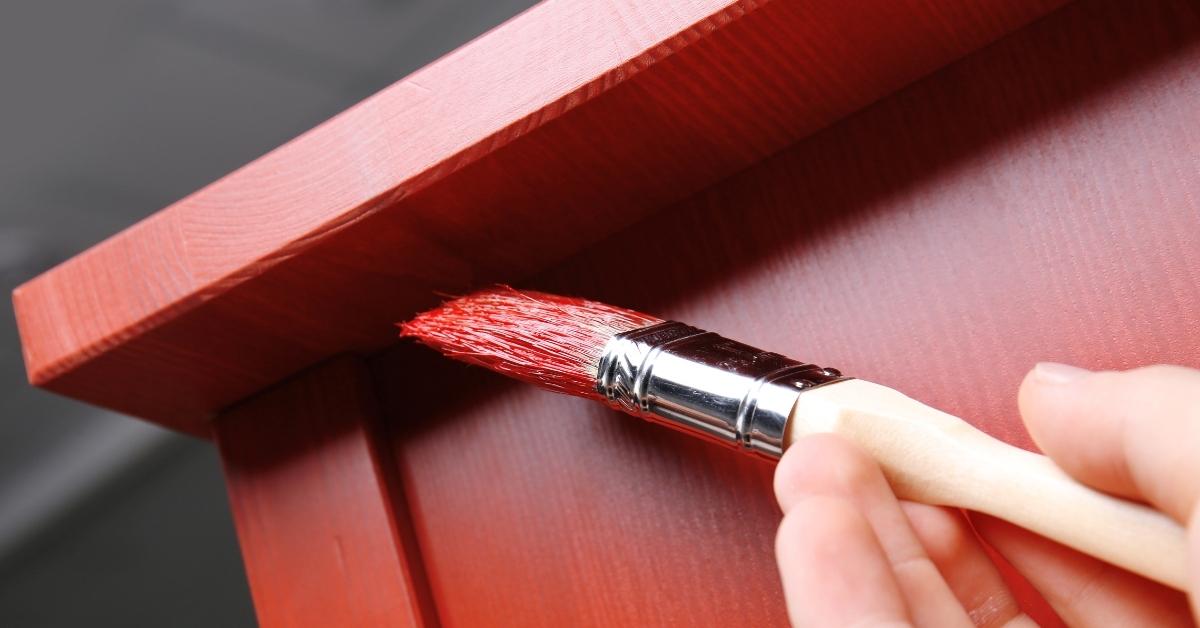
Use the application method recommended for the blocker you choose, whether brush, roller, or spray. Apply in uniform coats to create a continuous barrier. Avoid heavy runs and ensure even coverage across the surface.
Environment affects cure performance, so follow the label for ambient conditions and recoat windows. Do not rush cure times, and verify with the product data sheet or manufacturer instructions before applying subsequent coats.
Spot-priming vs Full-coverage Priming Strategy
When dealing with tannin bleed, you’ve got two main priming strategies: spot-priming and full-coverage.
Spot-priming is for isolated stains. It’s quick and easy – just apply the primer directly onto the stain itself. But remember, it only blocks visible spots, not potential future bleed.
Full-coverage priming, on the other hand, means applying primer to the entire panel or surface. This ensures no surprises later on. Use this method if you suspect widespread tannin migration or when working with new wood.
Environmental Conditions and Drying Considerations
Cure time matters, folks. And it’s heavily influenced by your jobsite’s environment.
Temperature, humidity, and ventilation all play a role. Warmer temps speed up drying, but too much heat can cause the primer to cure too fast, leading to poor bonding.
High humidity slows down drying. And while sun exposure helps dry the primer faster, it can also cause uneven curing. So, keep an eye on these factors and adjust your schedule accordingly.
Visual Checkpoints, Test Patches, and Verification
Run test patches on inconspicuous areas to observe bleed before committing to a full surface. Leave patches to a recommended observation period and check for color transfer or new staining. Use clear signs to guide your next steps.
Know what indicates success or failure of the primer. If bleed shows through after testing, you may need re-priming or a different blocker. Always confirm findings against the product label or manufacturer guidance before topcoating.
How to set up and evaluate a test patch
Before d