Search Results for: tar paper and sand concrete

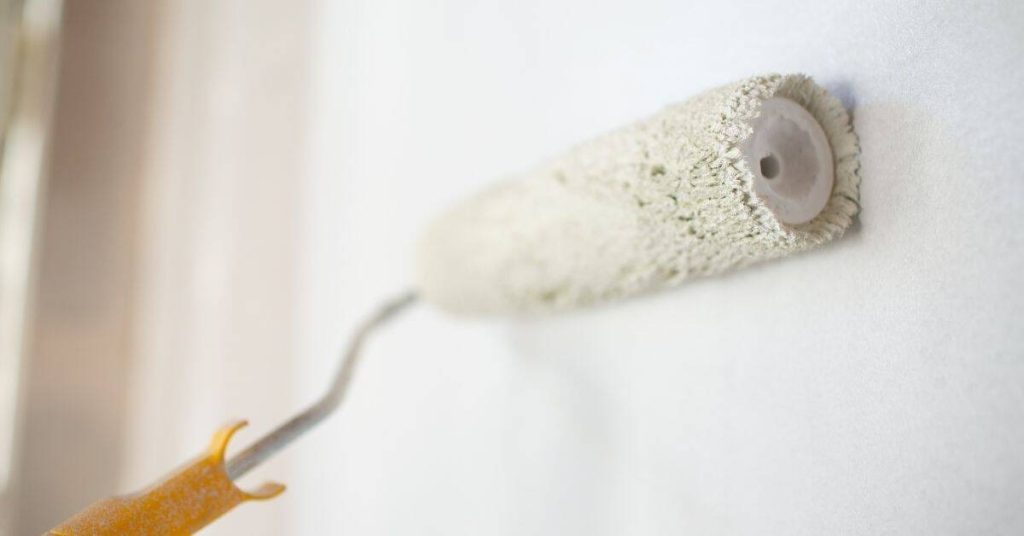
Worker painting wall with roller near ladder in room

Seam Ghosting After Painting: Why Joints Show and How to Fix the Lighting Effect

Introduction Seam ghosting after painting is when joint lines, tape, and seams remain visible through the paint due to differences in texture, sheen, or how light hits the surface. This happens when the joint material and surrounding wall reflect light differently, or when the paint film doesn’t level over the seam. It’s common after patching […]

Seam Ghosting After Painting: Why Joints Show and How to Fix the Lighting Effect Read More »
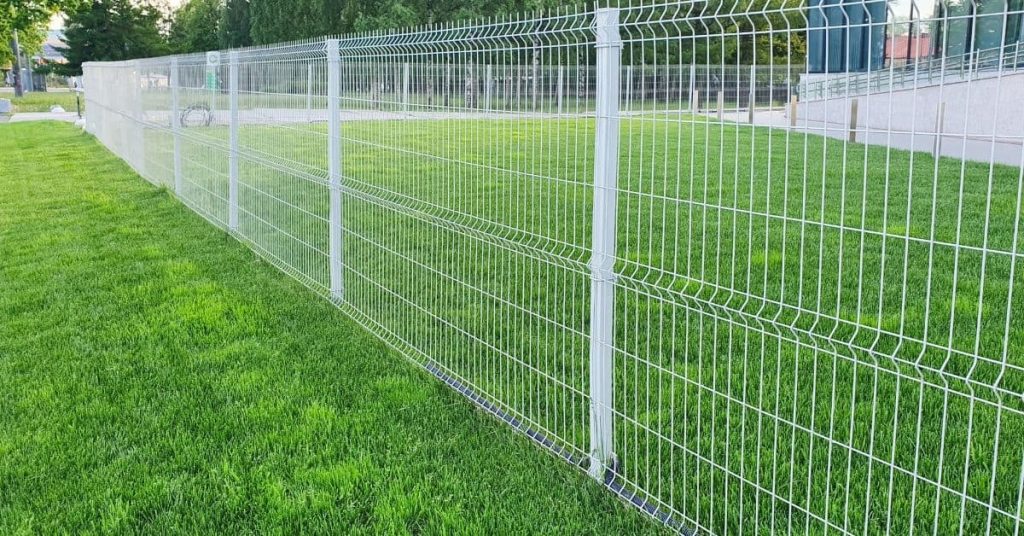
White galvanized metal wire fence on green grass

Painting Galvanized Metal: Weathering, Cleaning, and Priming Rules

Introduction Painting galvanized metal is applying a coating to galvanized steel to improve protection and appearance. This article helps you understand why to paint, when weathering matters, and how to clean and prime before a finish coat. It keeps things practical with steps you can check on the job. To prepare, clean the metal and

Painting Galvanized Metal: Weathering, Cleaning, and Priming Rules Read More »

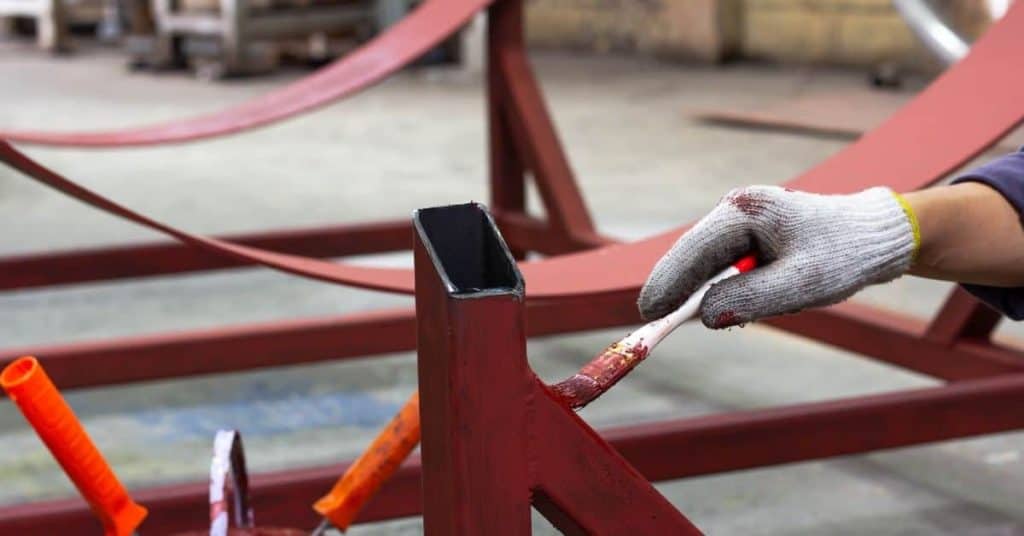
Hand wearing glove painting metal structure with brush

Painting Aluminum: Etch, Prime, and Topcoat Choices That Don’t Flake

Introduction Painting aluminum is best done with proper prep to prevent flaking. Start by cleaning the surface thoroughly and removing any dull oxidation, then consider a light etch to help paint grip. Then choose a primer and topcoat that are rated for aluminum and compatible with each other. Light sanding for a smooth, even surface

Painting Aluminum: Etch, Prime, and Topcoat Choices That Don’t Flake Read More »

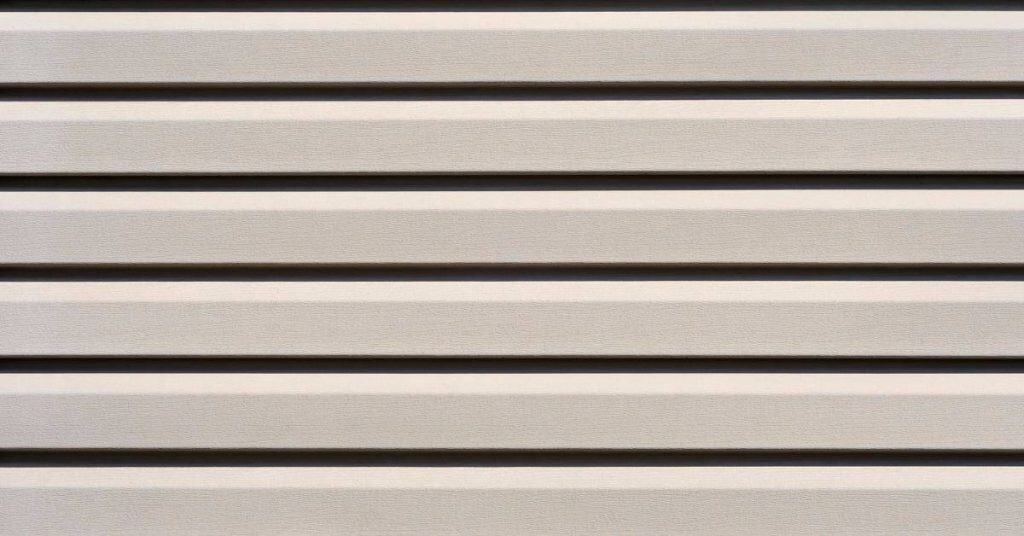
Close-up of horizontal lap siding painted beige

Paint Telegraphing: Why Old Repairs Show Through and How to Hide Them

Introduction Paint telegraphing is the visible outline or pattern of old repairs showing through fresh paint. It happens when the underlying repairs or textures are different from the surrounding wall. In this article we’ll cover why it happens and how to reduce or hide it during a DIY repaint. Causes include uneven patches, old joint

Paint Telegraphing: Why Old Repairs Show Through and How to Hide Them Read More »

Man in blue overalls painting interior wall with roller

Paint Peeling on Interior Walls: Fast Diagnosis and Lasting Repairs

Introduction Paint peeling on interior walls is when old paint loses adhesion and starts flaking off. Common causes include moisture intrusion, sun exposure, or poor surface prep. Look for bubbling, cracking, or peeling at edges and near windows. To diagnose, check for ongoing moisture, test a small area to see if the paint re-adheres after

Paint Peeling on Interior Walls: Fast Diagnosis and Lasting Repairs Read More »

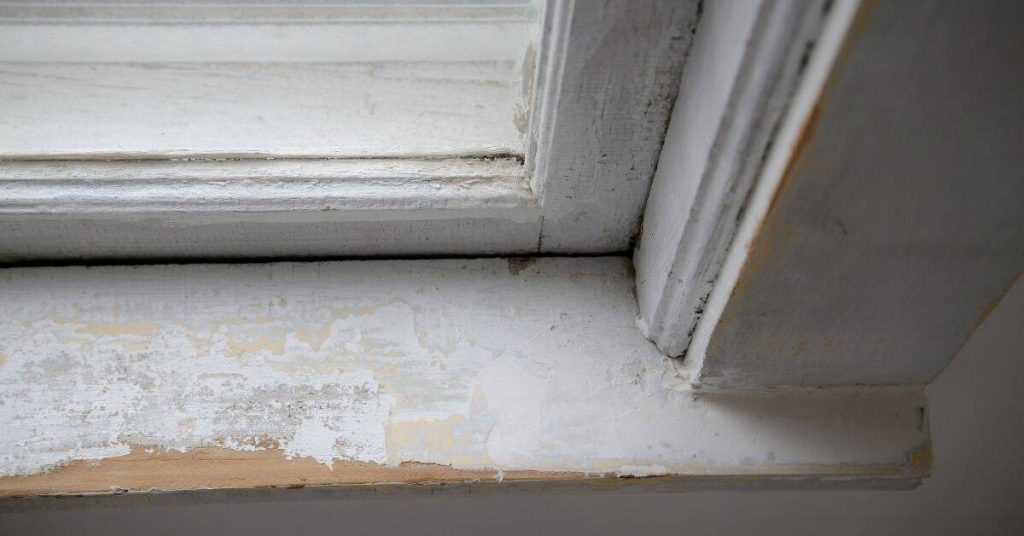
Close-up of peeling paint on white exterior wooden window trim

Paint Peeling on Exterior Trim: Moisture Checks and Prep That Works

Introduction Peeling exterior trim paint is the finish flaking off due to moisture invading the surface. Before you redo it, check for moisture and prepare the area so you can scrub and inspect properly. This article walks you through pressure washing, scraping, and priming in a hands-on way. Start by cleaning with pressure washing, then

Paint Peeling on Exterior Trim: Moisture Checks and Prep That Works Read More »