Search Results for: surface prep

Green utility knife cutting cement board pieces with yellow level

Paint Odor Control: Ventilation, Filtration, and Low-Odor Workarounds

Introduction Paint odor control is reducing exposure to fumes by improving ventilation, using filtration, and choosing low-emission work methods. In practice, that means moving fresh air in, pulling stale air out, and keeping doors and windows arranged to cross-ventilate as you paint. Think of it as a hands-on setup to keep the air comfortable while […]

Paint Odor Control: Ventilation, Filtration, and Low-Odor Workarounds Read More »

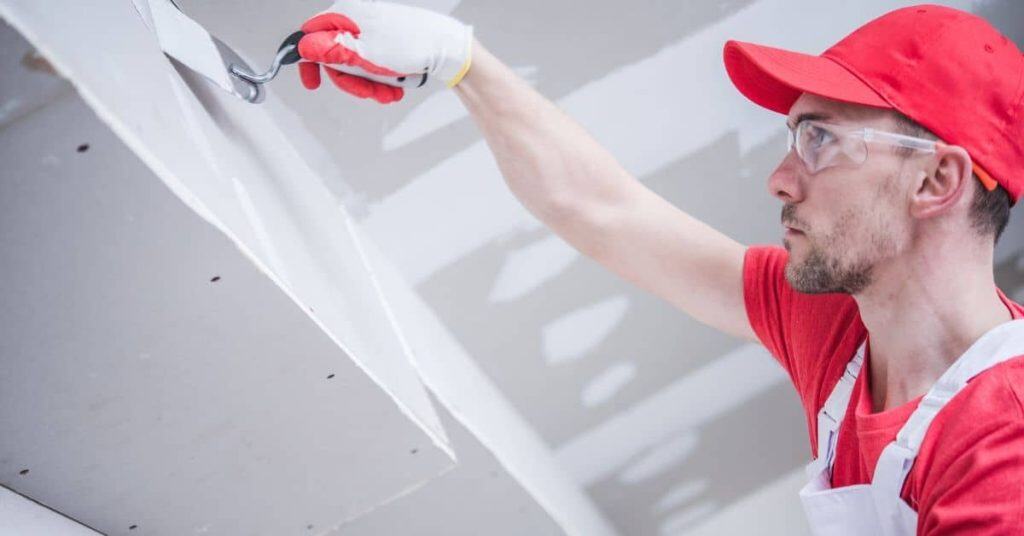
Man applying joint compound to drywall ceiling

Working with Drywall: Layout, Cutting, Fastening, and Finishing Tips

Introduction Drywall work is the hands-on process of laying out panels, cutting to fit, screwing them in, and smoothing the joints. You’ll want clean lines, solid fasteners, and a plan for seams before you start hanging sheets. Keep your tools ready and work methodically from room to room to avoid rework. Pay attention to butt

Working with Drywall: Layout, Cutting, Fastening, and Finishing Tips Read More »

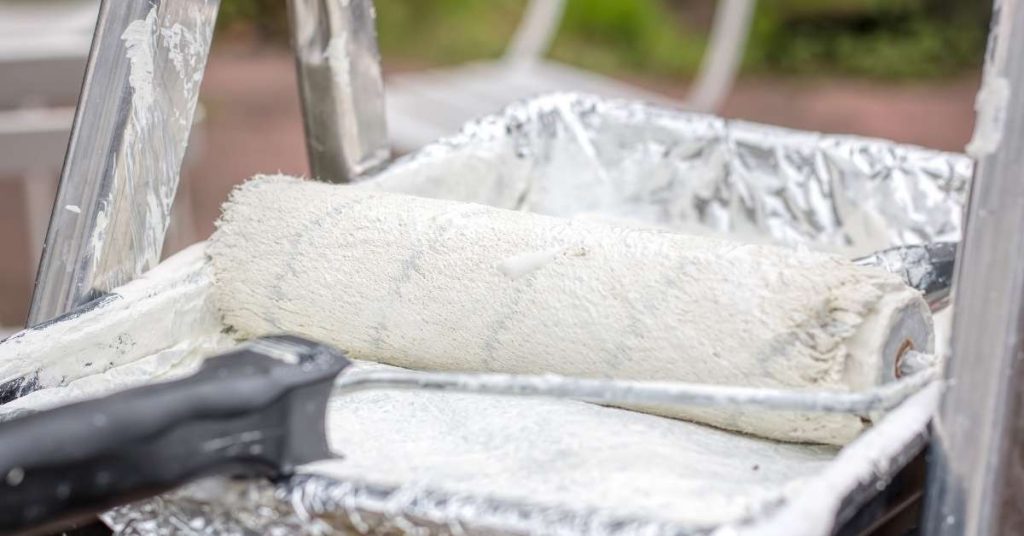
White paint roller resting in foil-lined paint tray

How to Store Leftover Paint: Temperature, Skin Prevention, and Reuse Checks

Introduction Leftover paint should be stored properly to keep it usable for future projects. Aim for a cool, dry spot with stable temperatures and away from direct heat or freezing conditions, and follow the storage range stated on the label. If unsure, check the manufacturer instructions and local rules for safe storage. Keep the can

How to Store Leftover Paint: Temperature, Skin Prevention, and Reuse Checks Read More »

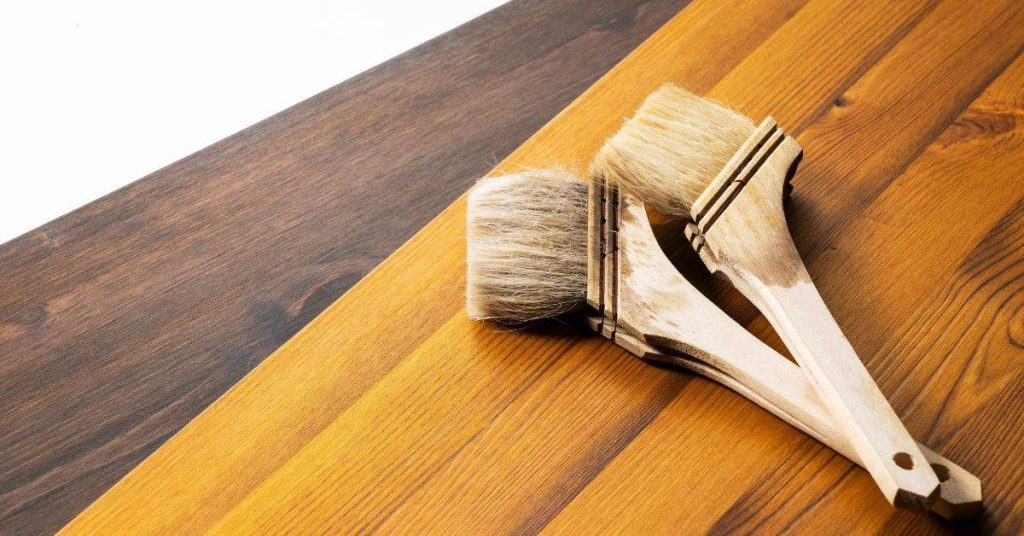
Two clean paint brushes resting on wood boards

Make Brushes and Rollers Last Longer: Cleaning, Storage, and Rescue Tips

Introduction Cleaning, storage, and rescue tips help brushes and rollers last longer. This hands-on guide walks you through practical steps you can use on a DIY project. You’ll learn how to keep bristles and handles in good shape between jobs. Understanding the anatomy of an acrylic brush helps you spot where problems start. From quick

Make Brushes and Rollers Last Longer: Cleaning, Storage, and Rescue Tips Read More »

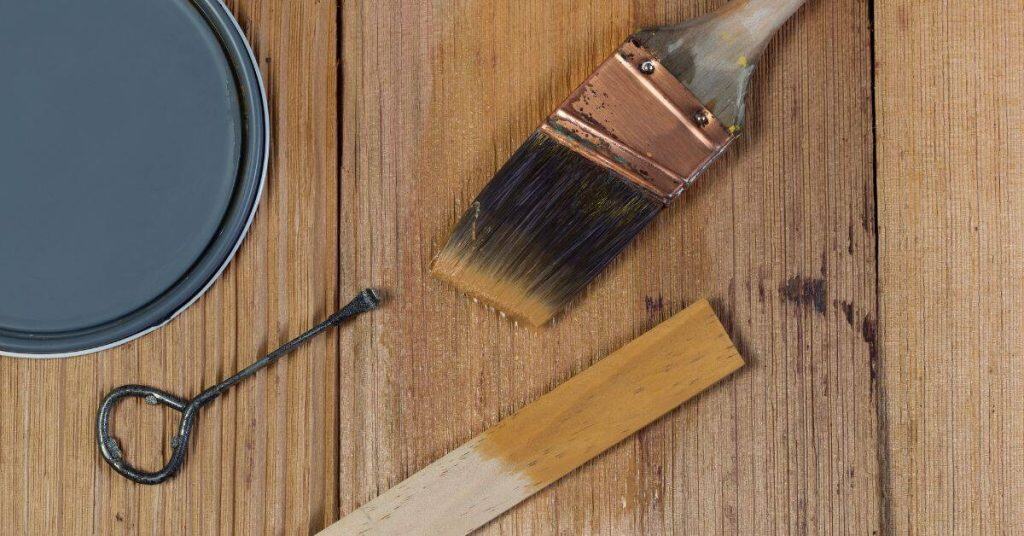
Paintbrush next to open can of stain and wooden stirring stick

Cleaning and Maintaining a Paint Sprayer: 6 Tips to Prevent Clogs

Introduction Cleaning and maintaining a paint sprayer means keeping the nozzle, filters, and passages clear so the sprayer works without clogs. Do a daily wipe-down, flush with the right solvent, and inspect tip and seals after each use. Keep the spray gun and hose elevated and ready for quick checks. Regular maintenance breaks down into

Cleaning and Maintaining a Paint Sprayer: 6 Tips to Prevent Clogs Read More »

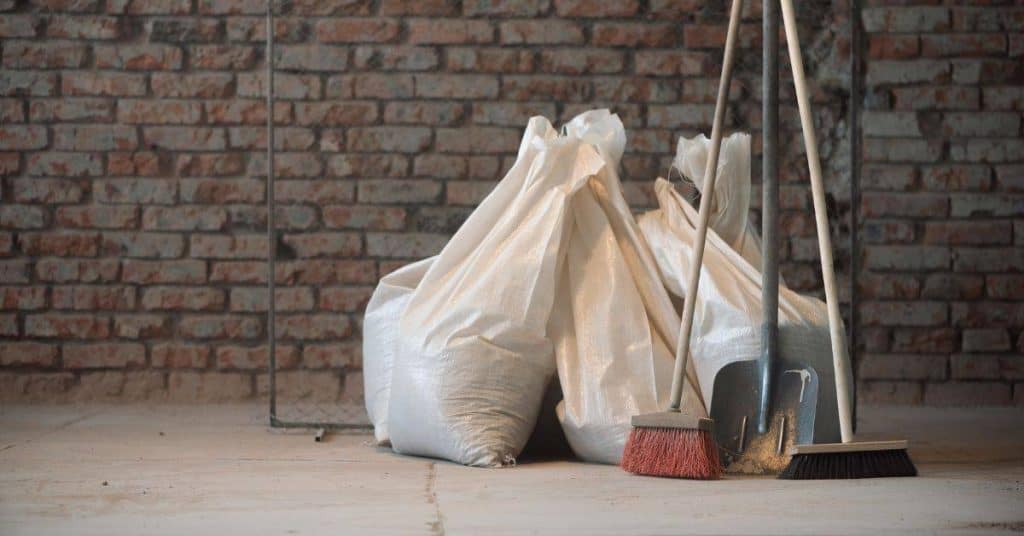
Brooms and shovel leaning against white sacks on floor

Tidy Tips from a Picky Painter: Less Mess, Faster Cleanup

Introduction Tidy Tips from a Picky Painter is about keeping your painting mess small and cleanup quick. It’s practical, hands-on advice for homeowners doing DIY projects. You’ll get real-world steps that save time without sacrificing results. Start with sharp edging: use proper taping techniques to seal edges before you cut in. Choose drop cloths that

Tidy Tips from a Picky Painter: Less Mess, Faster Cleanup Read More »

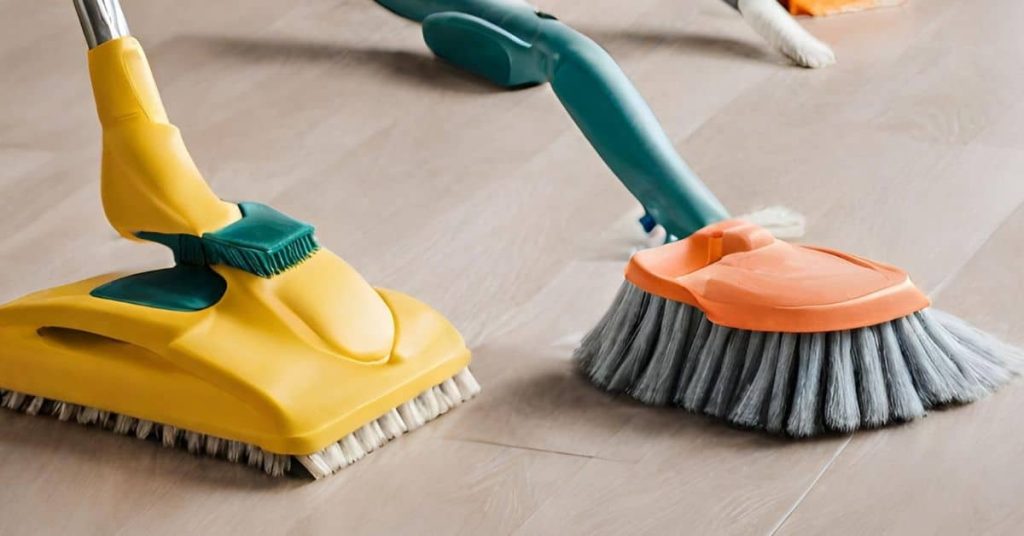
Two cleaning brushes with handles on floor surface

Cleaning Grout with Household Products: What Works, What Doesn’t, and Why

Introduction Cleaning grout with household products is using common items to remove grime from the grout lines between tiles. The goal is to lift dirt without damaging the grout or tiles. This article covers prep, common cleaners (commercial and homemade), and simple test methods so you know what works. Start with basic prep like sweeping,

Cleaning Grout with Household Products: What Works, What Doesn’t, and Why Read More »

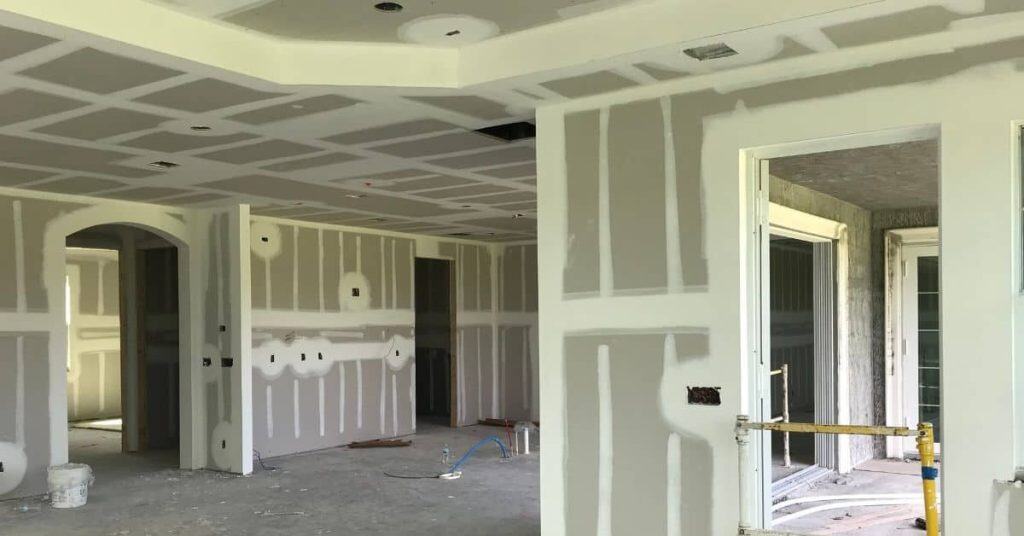
Interior room with drywall sheets taped and mudded on walls and ceiling

Drywall Installation Tips from Pros: Speed, Flatness, and Fewer Cracks

Introduction Drywall installation is the process of hanging and finishing gypsum boards to create smooth, ready-to-finish walls. Do it with careful planning and steady hands, and you’ll move faster without sacrificing results. Start by measuring, cutting, and staggering panels so seams don’t line up on the same wall. To speed things up, keep panels oriented

Drywall Installation Tips from Pros: Speed, Flatness, and Fewer Cracks Read More »