Search Results for: surface prep

Person drilling concrete wall with orange and black cordless drill

Testing anchors in hollow block: real-world pull-out results from scrap-wall experiments

Introduction Testing anchors in hollow block is the process of measuring how much force it takes to pull an anchor out of a hollow concrete block. This introduction explains what to expect from real-world, hands-on testing using simple, improvised walls. It focuses on practical outcomes you can relate to when mounting fixtures in hollow blocks. […]

Testing anchors in hollow block: real-world pull-out results from scrap-wall experiments Read More »

Person leveling fresh concrete slab with screed board

Adding a sill plate on block: leveling, gaskets, and anchor spacing

Introduction Key takeaways Assess project scope to determine sill plate replacement needs on block foundations. Check leveling, shims, and plinth blocks to achieve flat, stable seating. Choose compatible gaskets and moisture barriers to minimize condensation and rot. Proper anchor spacing depends on block height and plate thickness per code. Use correct fasteners and weatherproof coatings

Adding a sill plate on block: leveling, gaskets, and anchor spacing Read More »

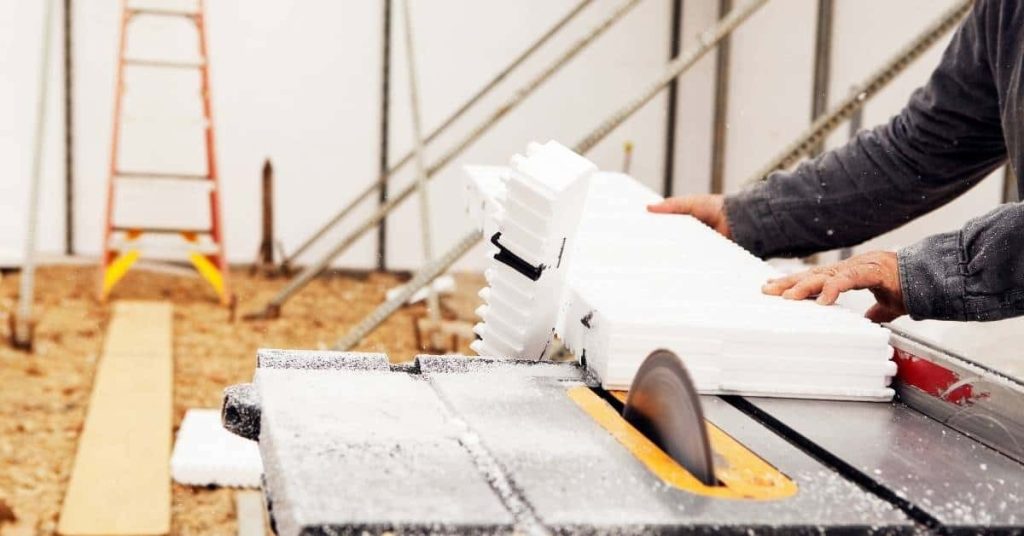
Person cutting white foam insulation board on table saw

Interior moisture management on block walls: furring, insulation, and vapor strategy that won’t trap water

Introduction Interior moisture management on block walls is the practice of keeping the wall assembly dry by separating the concrete from finishes with furring, insulation, and a controlled vapor path. This hands‑on approach focuses on airflow, condensation control, and dry finishes rather than relying on the concrete to act as a wet surface. Work with

Interior moisture management on block walls: furring, insulation, and vapor strategy that won’t trap water Read More »

Person using power drill on composite deck boards

Waterproofing block foundations: coatings vs membranes vs drainage boards

Introduction Waterproofing block foundations means choosing between coatings, membranes, or drainage boards to keep moisture from entering the structure. Coatings seal the surface, membranes create a continuous barrier, and drainage boards help direct water away from the wall. Think about how water will contact the wall and what prep is needed before any product is

Waterproofing block foundations: coatings vs membranes vs drainage boards Read More »

Worker in hard hat and vest handling rusty rebar

Tying new block walls into old ones: rebar lap details that keep cracks away

Introduction Tying new block walls into existing ones involves overlapping rebar to create a continuous path for load transfer and crack control. This requires careful placement and proper lap details so the new and old walls behave as a single structure. Follow manufacturer guidelines and local building rules for lap length and rebar spacing. Plan

Tying new block walls into old ones: rebar lap details that keep cracks away Read More »

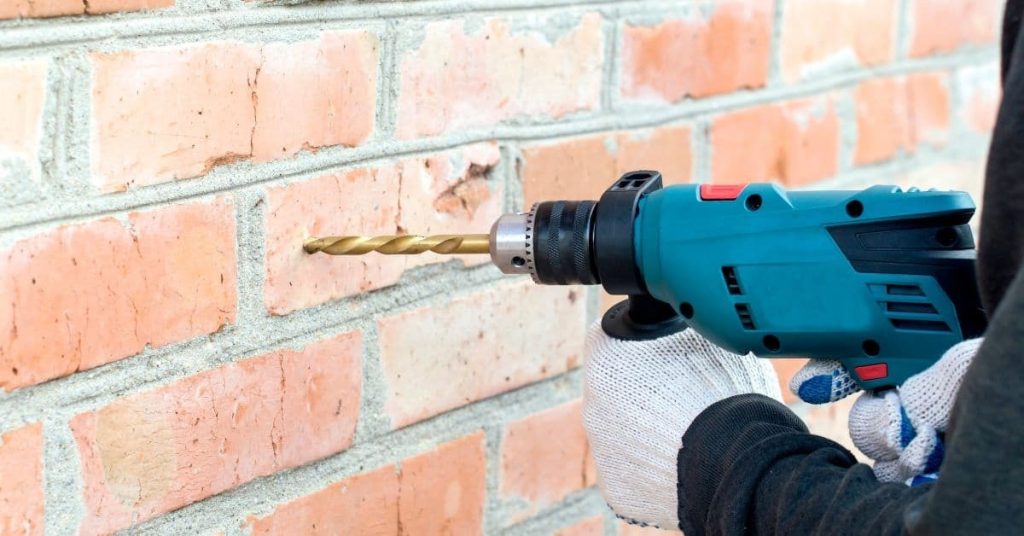
Person drilling into a brick wall with a blue power drill

Common brick repair scams: what ‘miracle sealers’ can’t fix

Introduction Miracle sealers are scams that cannot fix brickwork. They may promise permanent repair of cracks, moisture, or damaged mortar, but they fail to address real defects. A straight, honest approach relies on proper assessment and proven repair methods. Before you start, understand what needs addressing and what a DIY repair can and cannot cover.

Common brick repair scams: what ‘miracle sealers’ can’t fix Read More »

Closeup of red brick wall with mortar joints

Repairing brick mortar washout at grade: grading changes and sacrificial mortar choices

Introduction Repairing brick mortar washout at grade means restoring deteriorated mortar where the wall meets the soil and addressing shifts in ground moisture. The approach combines survey of damage with practical steps that respect historic materials and the effect of grading on moisture. It’s a hands-on task that requires careful observation and clear planning. Old

Repairing brick mortar washout at grade: grading changes and sacrificial mortar choices Read More »

Interior wall with exposed brick and decorative furniture

Interior exposed brick sealing: dust control, sheen control, and breathability

Introduction Interior exposed brick sealing is the process of applying a suitable sealer to brick walls to control dust, adjust sheen, and maintain breathability. The goal is to seal the surface without creating a glossy, non-breathing barrier that traps moisture. This article covers practical steps for choosing products, preparing the surface, and applying sealers in

Interior exposed brick sealing: dust control, sheen control, and breathability Read More »

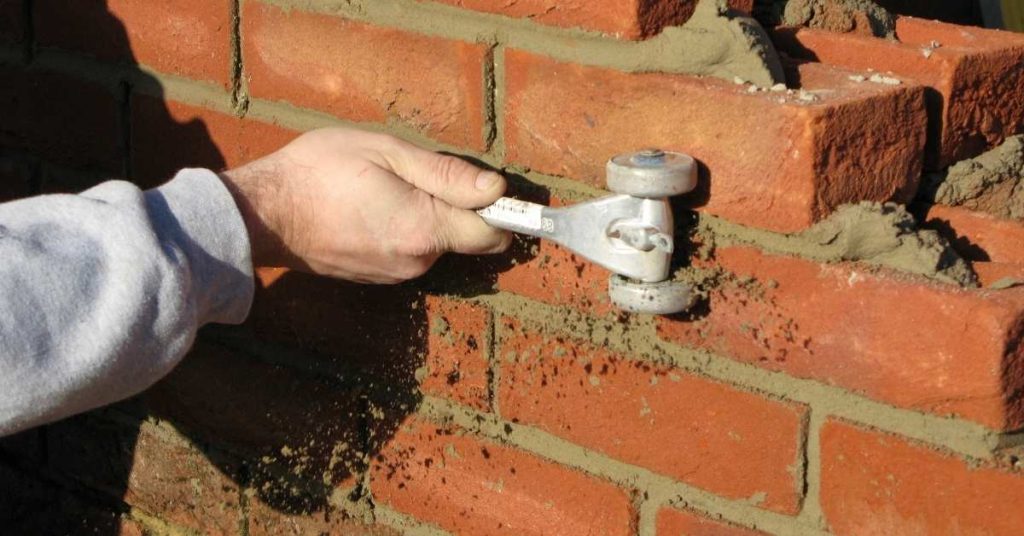
Hand using roller tool on fresh mortar between red bricks

Brick expansion joints: where they belong and how to reseal them

Introduction Brick expansion joints are gaps that allow movement between sections of brickwork as structures expand and contract. They help prevent cracking and mortar damage by accommodating seasonal and load changes. Identifying where these joints exist and how they should be resealed is a hands-on maintenance task rather than a cosmetic repair. Look for irregular

Brick expansion joints: where they belong and how to reseal them Read More »