Search Results for: skylight framing details

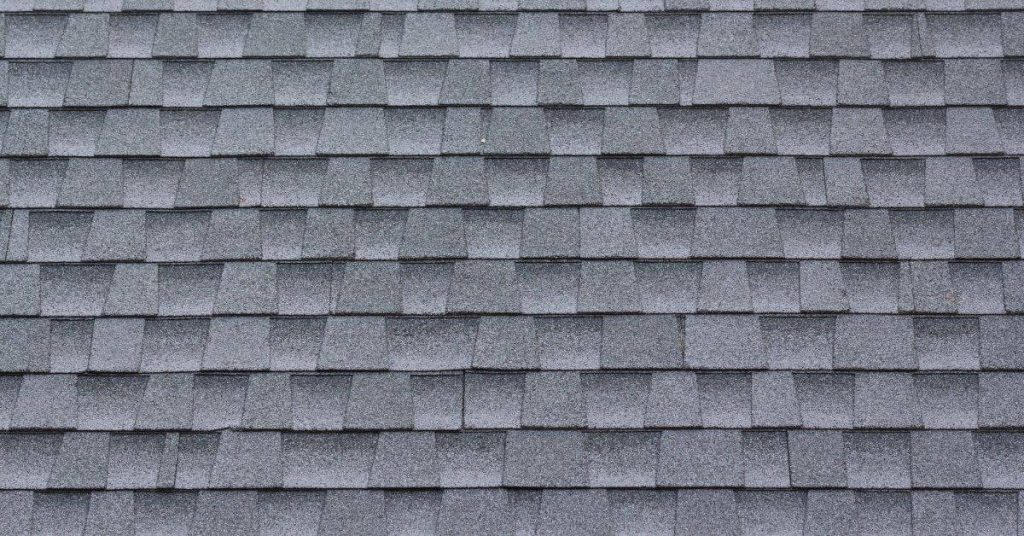
Rectangular skylight on gray asphalt shingle roof

Skylight Replacement — What to Expect + What to Watch For

Introduction Skylight replacement is the process of removing a worn or failing skylight and installing a new one to restore leak-free performance. Look for signs of trouble like water stains on the ceiling, condensation inside the pane, or daylight where there shouldn’t be any. Repair or replacement costs vary with material, size, and labor, so […]

Skylight Replacement — What to Expect + What to Watch For Read More »
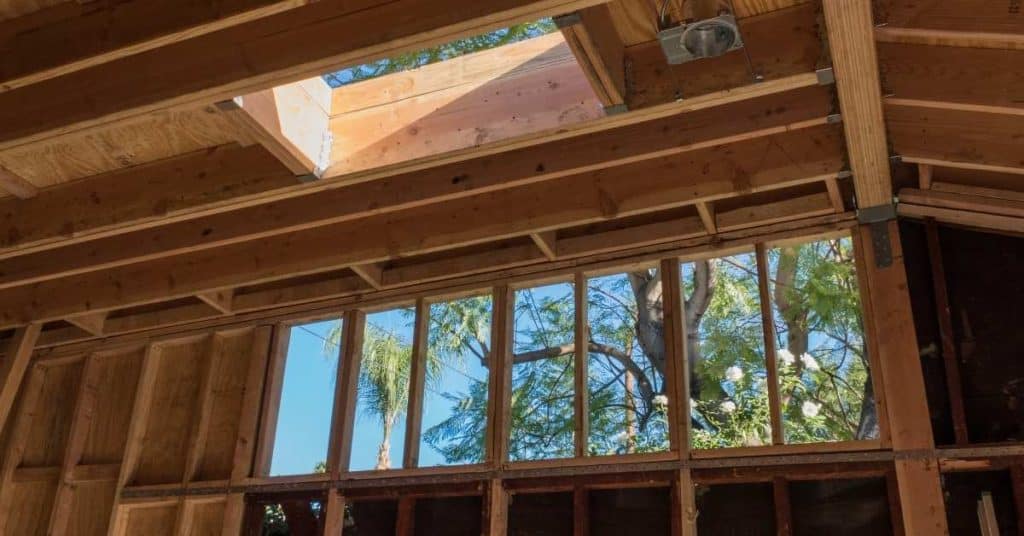
Exposed ceiling joists with a skylight opening above the framed wall.

Do Skylights Always Leak? What’s Normal, What’s Not, and What to Fix

Introduction Skylights don’t always leak; most leaks stem from aging seals, worn flashing, or poor installation. You’ll learn how to tell what is normal versus not, and how to inspect, diagnose, and fix common skylight issues with practical, step by step guidance. Key takeaways Not all skylight drips indicate failure; some condensation is normal in

Do Skylights Always Leak? What’s Normal, What’s Not, and What to Fix Read More »

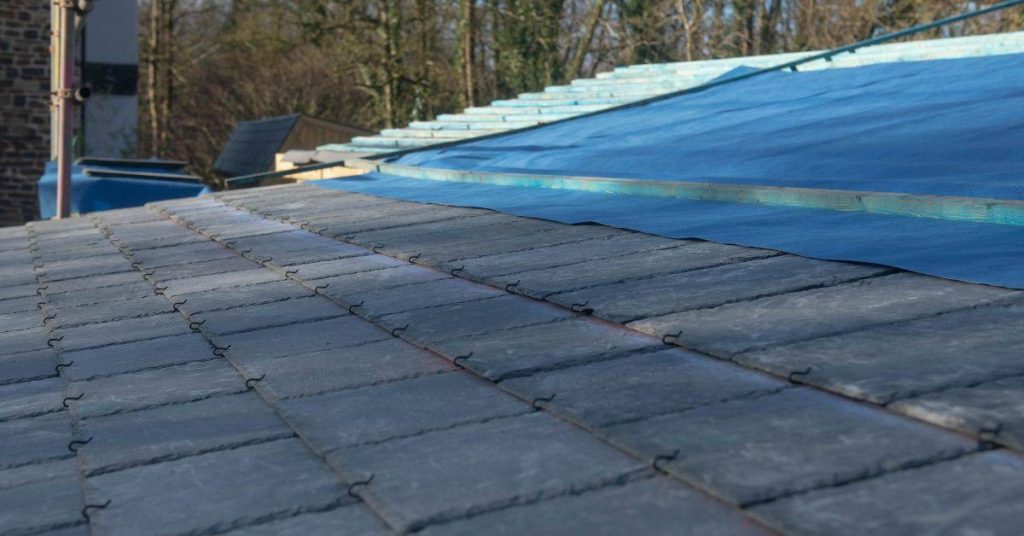
Slate roof tiles partially installed with underlayment visible

Stucco Meets Roof: Step Flashing, Sealant Placement, and Drainage Gaps

Introduction Step flashing, sealant placement, and drainage gaps are the practical techniques used at the stucco-roof intersection to prevent leaks. In plain talk, they’re the fail-safes you create where the wall meets the roof to keep water out. Follow local practice and the manufacturer instructions for flashing, sealant, and any required gaps, and check product

Stucco Meets Roof: Step Flashing, Sealant Placement, and Drainage Gaps Read More »

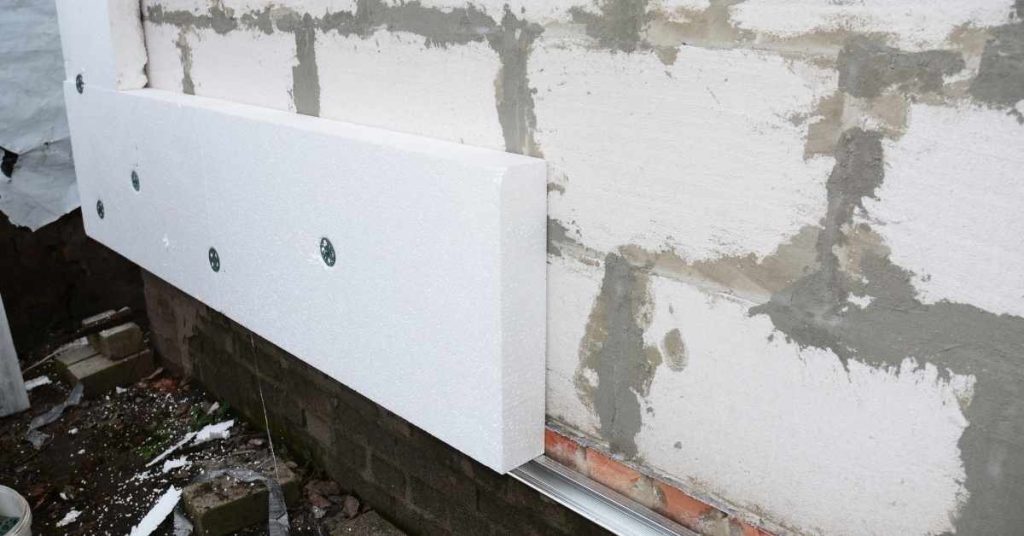
White EPS foam board attached to exterior masonry wall

Stucco at Rooflines: Fixing recurring leaks without relying on caulk alone

Introduction Fixing leaks at stucco rooflines means sealing and directing water so it doesn’t seep where the wall meets the roof. This job isn’t about slapping on caulk alone; you’ll often need proper flashing and surface prep to make a lasting fix. Approach it with a plan, check the manufacturer instructions for any products you

Stucco at Rooflines: Fixing recurring leaks without relying on caulk alone Read More »

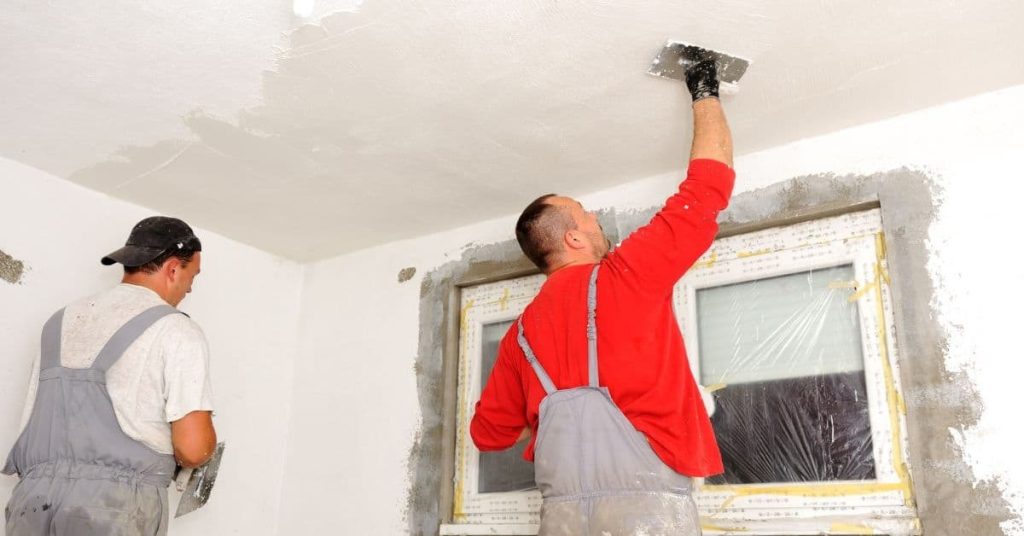
Two men applying plaster to a ceiling and wall near a window

Stopping Water Stain Bleed: Fixing the cause and sealing the ceiling

Introduction Stopping water stain bleed means fixing the moisture source and sealing the ceiling so stains don’t reappear. It’s a hands-on job that starts with finding where the water is coming from and drying the area thoroughly. Then you seal the surface to block any future bleed-through. You’ll see practical tips for locating the leak,

Stopping Water Stain Bleed: Fixing the cause and sealing the ceiling Read More »

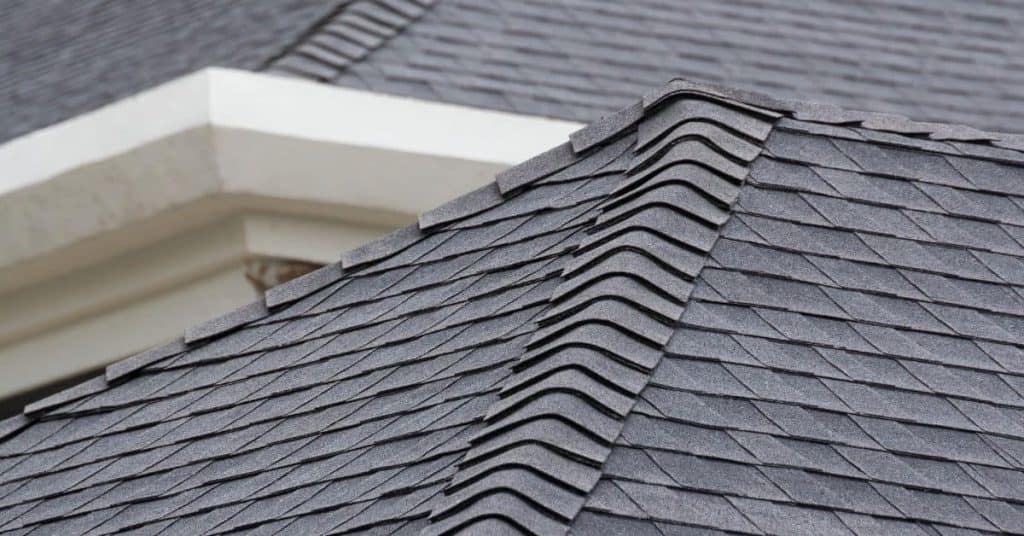
Close-up of gray asphalt shingle roof tiles

Best Roofing Material: How to Decide (DIY Checklist + When to Stop)

Introduction The best roofing material is the option that fits your climate, budget, and DIY skill. When deciding, consider how the roof is built, how much weight you can handle, and how much maintenance you’re willing to do. Always check manufacturer instructions and local rules for weight limits, ventilation, and installation requirements. Start with a

Best Roofing Material: How to Decide (DIY Checklist + When to Stop) Read More »

Hand painting wall corner with roller

Wall Painting Checklist: What to Inspect, Measure, and Repair for a Lasting Finish

Introduction Wall painting checklist is a practical, step-by-step guide to inspect, measure, and repair walls before painting. It helps you spot cracks, peeling paint, stains, and uneven surfaces so you can plan the work. Use it to map prep steps, materials, and timelines so the finish lasts longer. If permits apply in your area, check

Wall Painting Checklist: What to Inspect, Measure, and Repair for a Lasting Finish Read More »

Hand applying white sealant with caulking gun on window frame

Winterproof Your Home with Sealant — What to Seal + Fixes for Failures

Introduction Winterproofing with sealant means closing gaps and joints to keep drafts out and moisture in check. You’ll seal around windows, doors, penetrations, and where utilities enter the home. Check the product label to match weather conditions and surface prep for the job. When you spot failures, fix them before sealing again by cleaning, drying,

Winterproof Your Home with Sealant — What to Seal + Fixes for Failures Read More »