Search Results for: sealer

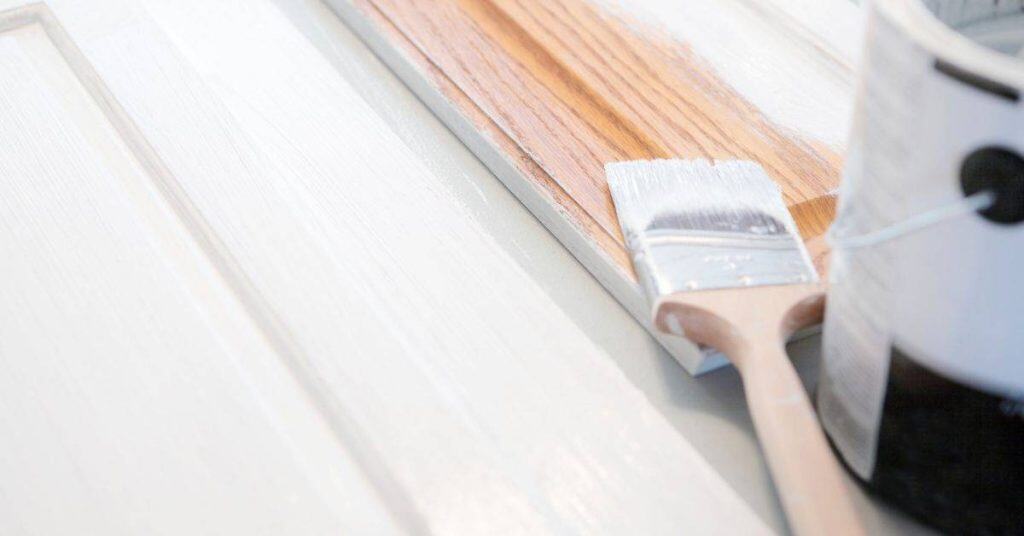
Paintbrush applying white paint on wooden cabinet panel

Avoid Painting Mistakes: Pro Tips for Prep, Cutting In, and Dry Times

Introduction painting well starts with proper prep, careful cutting in, and waiting for the right dry times. Key takeaways Prepare surfaces thoroughly; remove dust, repair holes, and sand glossy areas. Use painter’s tape correctly: apply edges with firm press and clean removal. Cut in slowly along edges, keeping a steady hand and consistent coat. Choose […]

Avoid Painting Mistakes: Pro Tips for Prep, Cutting In, and Dry Times Read More »

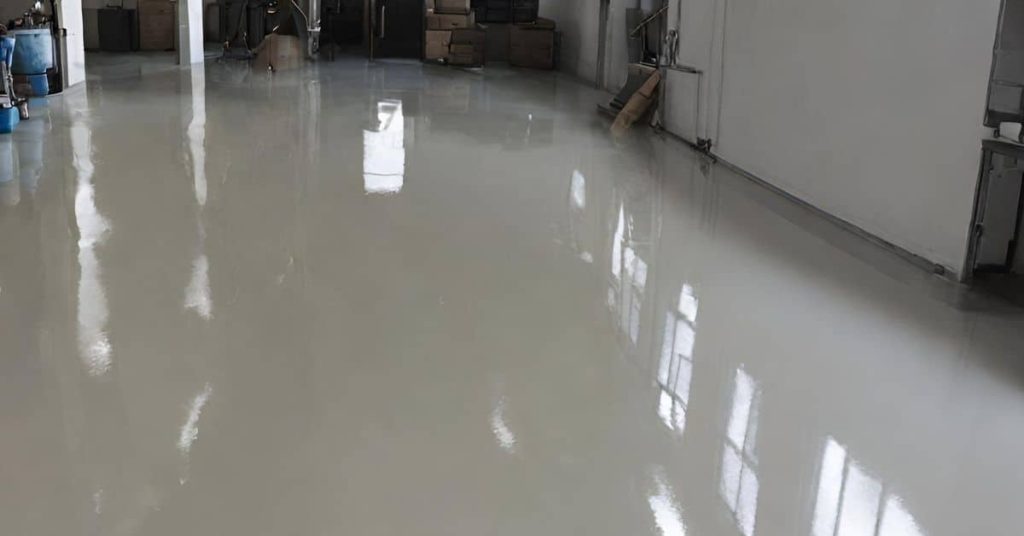
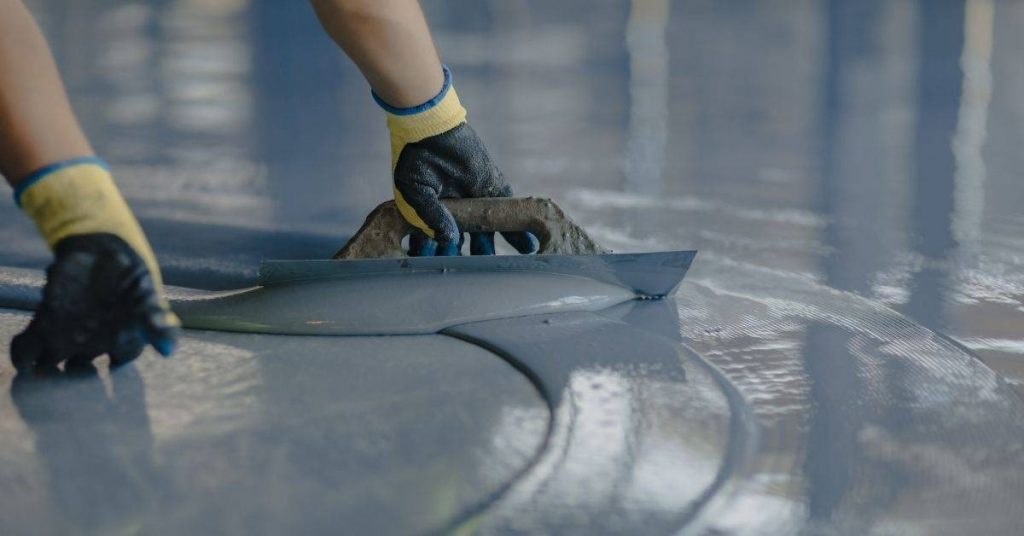
Reflective smooth gray epoxy coated floor in a room

How to Get Rid of Paint Smell: Ventilation, Absorbers, and Timing

Introduction Paint smell comes from volatile compounds released as paint dries. To cut odors quickly, open windows, set up good cross-ventilation, and run a fan to move fresh air through the space. Always check the paint label and any safety data for ventilation recommendations. Long-term odor elimination means letting the space cure in stages and

How to Get Rid of Paint Smell: Ventilation, Absorbers, and Timing Read More »

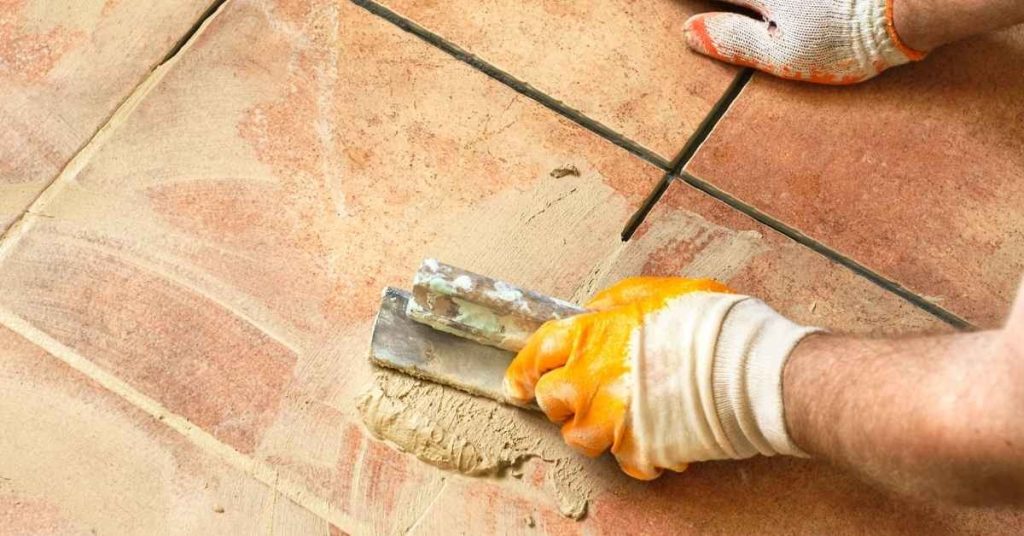
Decorative ceramic tiles with red and blue floral patterns

Fireplace Tile Ideas: Heat-Smart Layouts, Materials, and Details

Introduction Fireplace Tile Ideas are practical, heat-smart ways to dress up a fireplace with durable tile. In this guide, you’ll see solid layout ideas, material options, and finish details that hold up to heat and use. This is a hands-on, DIY-friendly overview you can apply in real rooms. Materials range from ceramic and porcelain to

Fireplace Tile Ideas: Heat-Smart Layouts, Materials, and Details Read More »

Hand with glove painting metal structure red with roller

Home Painting Ideas: Finishes, Features, and Common Pitfalls

Introduction Home painting ideas describe finishes, features, and common pitfalls you’ll run into when updating walls. This guide stays practical and plain-spoken, helping a DIYer plan, prep, and paint without turning it into a headache. It focuses on finishes, features you can add, and the mistakes to avoid along the way. Prepare the surface first

Home Painting Ideas: Finishes, Features, and Common Pitfalls Read More »

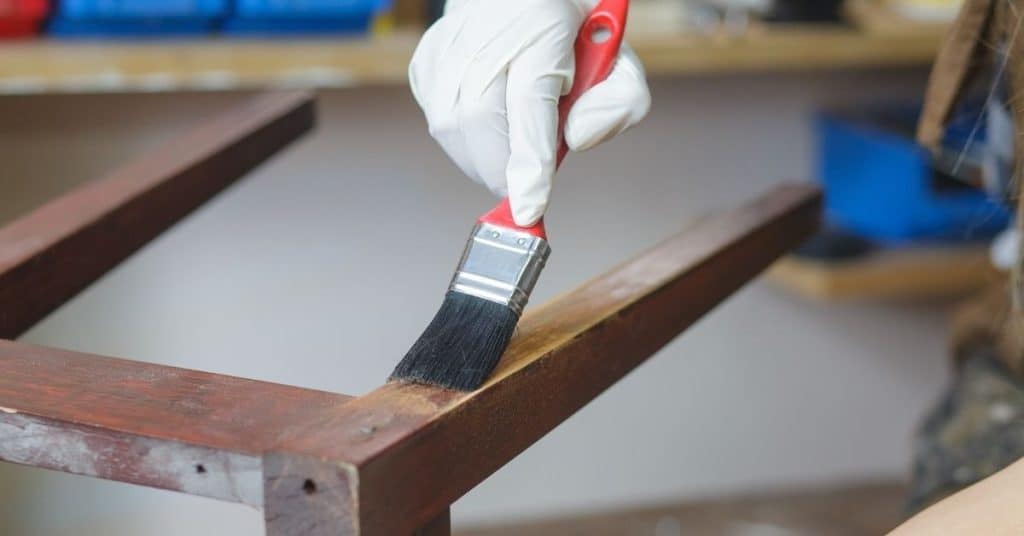
Person painting wooden furniture with a paintbrush

Painting Tool Hacks: 29 Tricks for Faster Work and Cleaner Results

Introduction Painting Tool Hacks are practical tips to speed up work and get cleaner results. This article shares a hands-on, DIY-focused approach you can try on real projects. Think of these tricks as bite-size moves you can fold into your normal painting routine. From storing and cleaning brushes to smart tape work and quick cleanup,

Painting Tool Hacks: 29 Tricks for Faster Work and Cleaner Results Read More »

Person spraying paint on white interior wall wearing protective suit

Painting Almost Anything: 30 Tips for Adhesion, Coverage, and Longevity

Introduction Painting almost anything is a practical guide to choosing the right prep, coatings, and techniques to get durable results. This hands-on article walks you through surface prep, adhesion tricks, and how to pick a finish that sticks. You’ll get plain-spoken guidance you can apply in a real job site, not a theory lesson. From

Painting Almost Anything: 30 Tips for Adhesion, Coverage, and Longevity Read More »

Close-up of green paint roller applying paint on white wall

How to Paint Over Powdery Surfaces: Chalk, Calcimine, and Dusty Walls

Introduction Painting over powdery surfaces means preparing chalky, dusty walls so the new paint will stick. You’ll typically start by removing loose material, cleaning, and letting the surface dry before any primer. Roughness, dust, and old paint left on the wall can cause peeling, flashing, or poor coverage if you skip this step. If calcimine

How to Paint Over Powdery Surfaces: Chalk, Calcimine, and Dusty Walls Read More »

Paint roller applying white paint on gray masonry wall

Mineral Silicate Paint for Masonry: When It’s Worth It and How to Apply

Introduction Mineral silicate paint is a breathable masonry coating that bonds to mineral surfaces. It’s often worth it for exterior or historic masonry where you want a lasting, matte finish that can weather damp conditions. It resists peeling when applied correctly, but effectiveness depends on clean, sound substrate and proper surface prep. Applying it starts

Mineral Silicate Paint for Masonry: When It’s Worth It and How to Apply Read More »