Search Results for: plaster crack repair

Decorative plaster corbel on exposed brick wall

Rebuilding Decorative Plaster Edges: Simple Molds You Can Make to Match Profiles

Introduction Rebuilding decorative plaster edges means making simple, handmade molds to reproduce the profile you want. You can shape the mold from clay or use basic flexible material to match the original edge, then set it up for casting. Check the profile on the piece and follow manufacturer instructions or local rules for materials and […]

Rebuilding Decorative Plaster Edges: Simple Molds You Can Make to Match Profiles Read More »
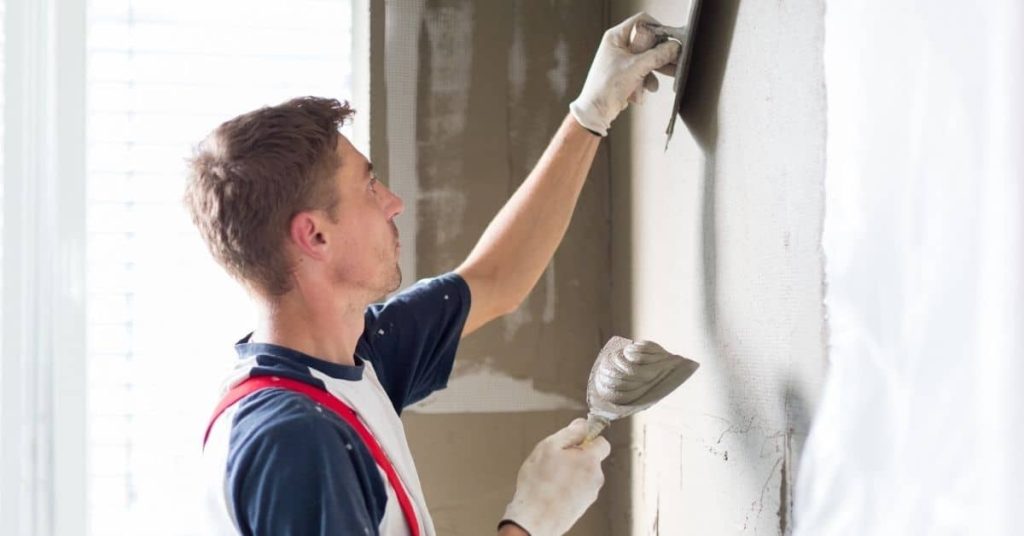
Man applying plaster to interior wall with trowel

Plaster Repairs in High Humidity Rooms: How to Prevent Powdery Finishes

Introduction Plaster repairs in high humidity rooms require moisture-aware prep and material choices to stop powdery finishes. Start by preparing the walls carefully, removing loose material and cleaning the surface before patching. Choose materials and patching methods suited for humid conditions, and verify any limits on use with the product label or manufacturer instructions. Mix

Plaster Repairs in High Humidity Rooms: How to Prevent Powdery Finishes Read More »

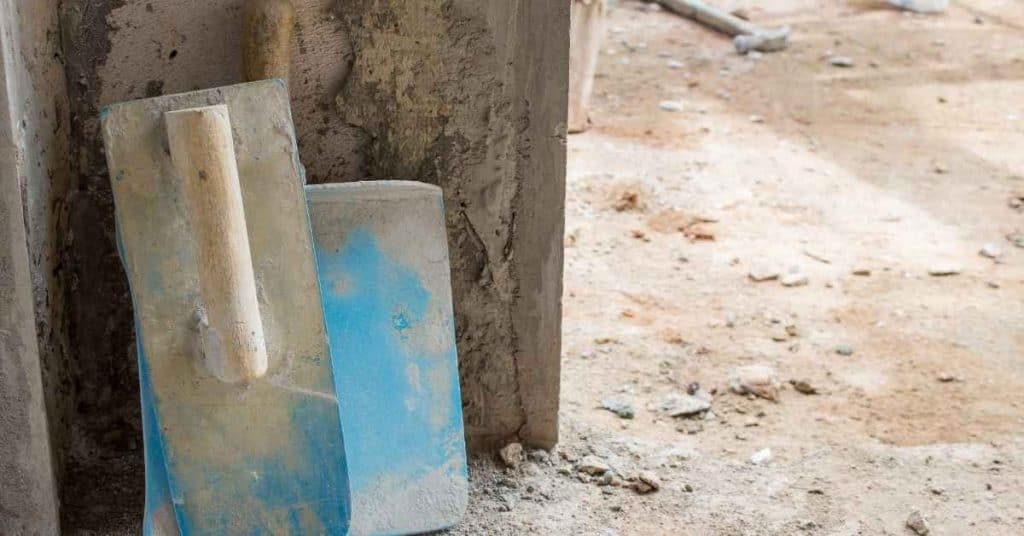
Two plaster trowels leaning against rough plastered wall

Fixing Plaster at Baseboards: Rebuilding the Bottom Edge Without Removing All Trim

Introduction This is fixing plaster at the baseboard by rebuilding the bottom edge while leaving the trim in place. It’s a hands-on repair that tightens up gaps and brittle edges along the wall line. Plan to clean, assess damage, and mix materials that suit your wall type and existing plaster. You’ll need to protect the

Fixing Plaster at Baseboards: Rebuilding the Bottom Edge Without Removing All Trim Read More »

Person applying plaster to wall near window corner

Repairing Cracks at Door and Window Corners: Reinforcement Methods That Stay Invisible

Introduction Invisible reinforcement methods for cracks at door and window corners involve strengthening the surrounding frame and substrate without visible patching. This article covers practical, stay-in-place techniques you can do yourself to keep a tight, long-lasting seal. You’ll identify crack types and choose a method that doesn’t alter the look of the opening. Identify crack

Repairing Cracks at Door and Window Corners: Reinforcement Methods That Stay Invisible Read More »

Worker applying plaster to wall with trowel and hawk

Plaster and Vapor: Where Breathability Matters in Older Walls

Introduction Breathable plaster and finishes are materials that allow moisture to move through walls while still providing a solid, decorative surface. In practical DIY terms, that means choosing coatings that don’t seal the wall airtight, so old walls can dry out after moisture events. This matters most on older homes with lime or clay components

Plaster and Vapor: Where Breathability Matters in Older Walls Read More »

Woman in dress cleaning white plaster wall near floor

Stains Bleeding Through Plaster: How to Block and Seal Before Repainting

Introduction Stains bleeding through plaster are stains that show up after painting because the stain is seeping through the surface. Common culprits include water marks, tannins from wood, or mildew, and they can push color through even a fresh coat. Before painting, plan to seal and block the stains with the right primer or sealant,

Stains Bleeding Through Plaster: How to Block and Seal Before Repainting Read More »

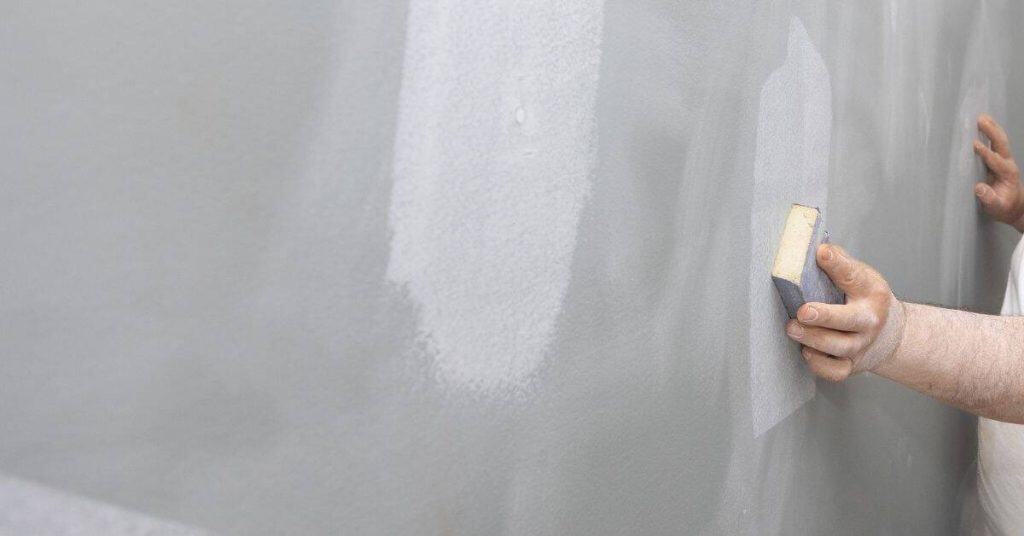
Hand sanding a plastered wall with sanding sponge

Sanding vs Polishing Plaster: Time-Consuming Steps & Duration Comparison

Introduction The time it takes to sand or polish plaster can vary greatly depending on the surface area, condition, and your chosen method. Before you start, understanding the timeline for each process will help you plan effectively. In this guide, we’ll compare the duration of sanding vs polishing plaster, breaking down each step’s time commitment

Sanding vs Polishing Plaster: Time-Consuming Steps & Duration Comparison Read More »

Stucco Color Coat Repairs: Why They Fail and How to Avoid Weak “Skim” Patches

Stucco Color Coat Repairs: Why They Fail and How to Avoid Weak “Skim” Patches

Introduction A Stucco Color Coat Repair is fixing the top stucco layer to seal cracks and restore the surface. This kind of patch relies on proper surface prep, compatible material, and a smooth skim to blend with the surrounding wall. If the skim is weak, patches can crack, delaminate, or look obvious. You’ll need basic

Stucco Color Coat Repairs: Why They Fail and How to Avoid Weak “Skim” Patches Read More »

Stucco Texture Options That Hide Repairs: Sand Float Vs Lace Vs Dash Vs Skip Trowel

Stucco Repair Timeline: Step-by-Step Guide to Hiding Repairs with Sand Float, Lace, Dash, and Skip Trowel Textures

Introduction Embarking on a stucco repair project? Understanding the timeline is crucial for planning your work efficiently. This guide walks you through the step-by-step process of hiding repairs using sand float, lace, dash, and skip trowel textures, ensuring you complete each task within the right timeframe. Whether you’re a seasoned DIYer or a first-timer, this

Stucco Repair Timeline: Step-by-Step Guide to Hiding Repairs with Sand Float, Lace, Dash, and Skip Trowel Textures Read More »