Search Results for: painted plywood edge

Man applying plaster to wall using trowel and hawk

Roman Clay Wall Finish: How to Get the Look, What Substrates Work, and How to Seal It

Introduction Roman Clay Wall Finish is a hand-applied plaster look that mimics traditional lime-based finishes. You build it in layers on a prepared substrate, then blend and burnish to create the texture. Check the substrate and product labels for compatibility and curing times before you start. For substrates, common options include clean, smooth walls or […]

Roman Clay Wall Finish: How to Get the Look, What Substrates Work, and How to Seal It Read More »

Hand applying textured plaster on wall with trowel

Marmorino Lime Plaster Finish: Step-by-Step to a Soft Stone Look (Beginner Friendly)

Introduction Marmorino lime plaster is a traditional decorative plaster that creates a soft, stone-like finish. This article walks beginners through the basics, from materials to technique, in plain language. You’ll learn what to check on product labels and manufacturer instructions before you start. Expect a hands-on, step-by-step method you can adapt to walls you already

Marmorino Lime Plaster Finish: Step-by-Step to a Soft Stone Look (Beginner Friendly) Read More »

Worker spraying stucco onto a brick wall

Stucco Screed Beads and Termination Beads: Which Profile Goes Where (and Why It Matters)

Introduction Screed beads and termination beads are edge profiles used to shape and finish stucco at joints and edges. They help keep the finish straight and seal transitions where the stucco meets other surfaces. Check the product label and manufacturer guidance to ensure you’re matching the profile to your job and local rules. Plan where

Stucco Screed Beads and Termination Beads: Which Profile Goes Where (and Why It Matters) Read More »

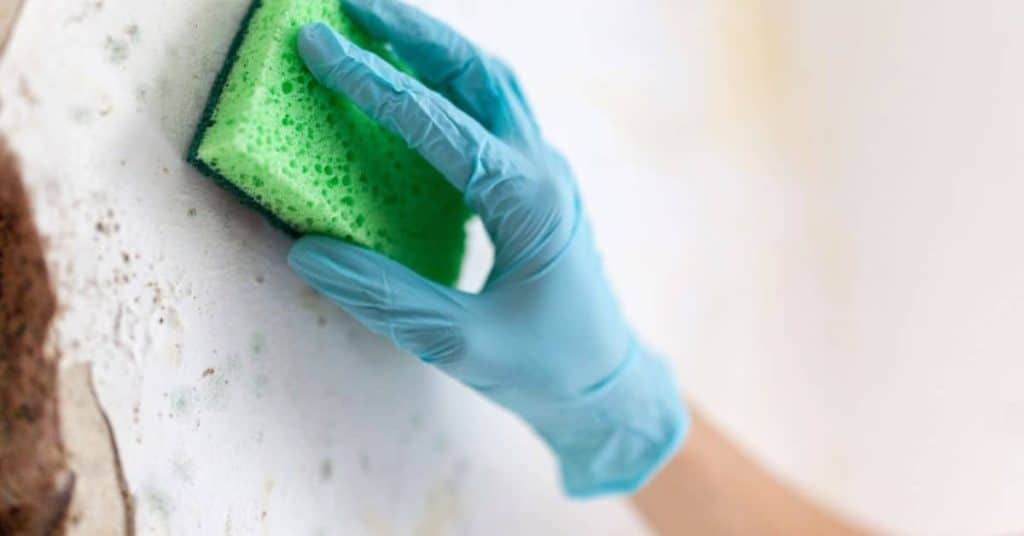
Hand in blue glove scrubbing wall with green sponge

How to Choose a Bathroom Vanity Paint That Survives Water and Cleaning Chemicals

Introduction A bathroom vanity paint that survives water and cleaning chemicals is a moisture-tolerant coating chosen for cabinetry in wet areas. Start by matching your finish to the vanity material and plan proper prep like cleaning, sanding, and priming per manufacturer instructions. Check labels for water resistance and chemical resistance, and follow the guidance on

How to Choose a Bathroom Vanity Paint That Survives Water and Cleaning Chemicals Read More »

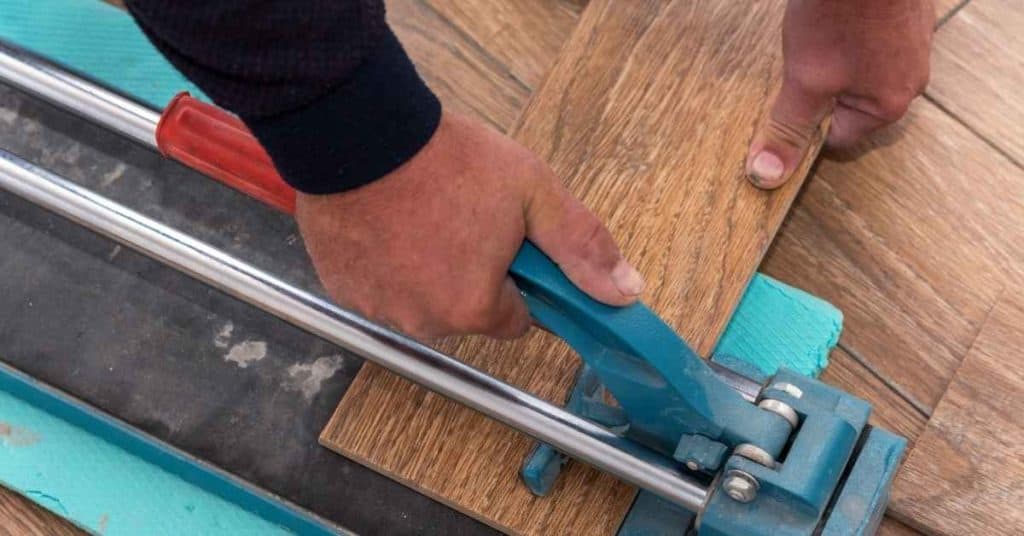
Hands cutting wood-look tile with manual tile cutter

Transition Strips That Don’t Look Cheap: Flush Transitions, Scribes, and Custom Saddles

Introduction Flush transitions are finish pieces that create a seamless edge between floor surfaces without a visible drop or lip. In this article, we’ll cover how to get flush transitions, have clean scribes, and build custom saddles that look like part of the install. Focus on matching height, marking where trim meets the floor, and

Transition Strips That Don’t Look Cheap: Flush Transitions, Scribes, and Custom Saddles Read More »

Person painting wood siding with white primer brush

Primer Compatibility Chart: Water-Based vs. Oil-Based vs. Shellac (What Can Go Over What)

Introduction Primer compatibility means choosing the right primer for the surface and topcoat so the finish adheres and lasts. Different primers are designed to bond to different surfaces and to seal, block stains, or prevent bleed-through. Always check the label for what the primer can be applied over and what the topcoat can be used

Primer Compatibility Chart: Water-Based vs. Oil-Based vs. Shellac (What Can Go Over What) Read More »

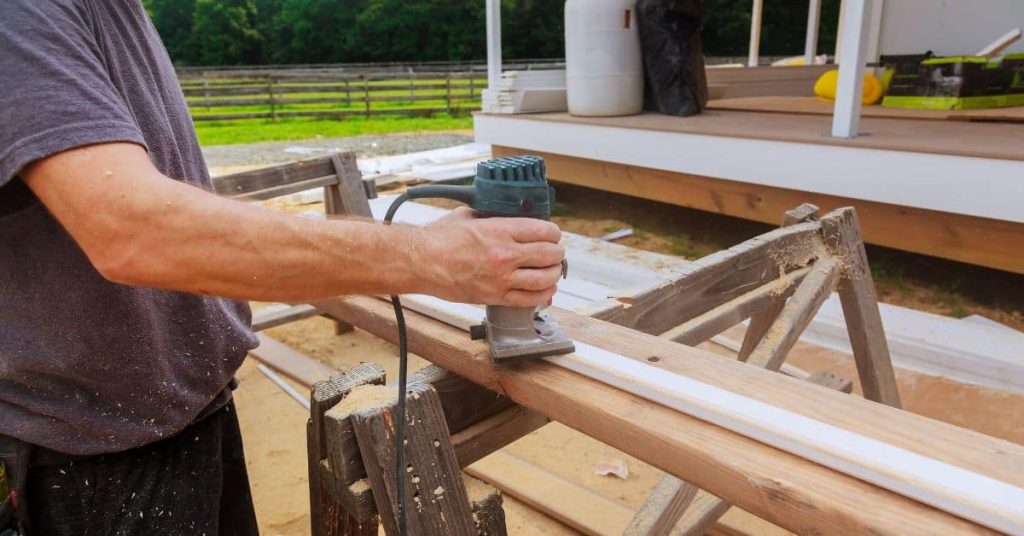
Person using handheld router on wooden trim outdoors

Removing Paint from Trim: Safe Methods for Wood, Metal, and Profiles

Introduction Removing paint from trim is the careful process of stripping old paint from wood, metal, and decorative profiles without harming the trim. Use safe, tested methods and start on a small, inconspicuous area before moving to larger spots. Always follow the product label and any local regulations when choosing solvents or tools. Assess the

Removing Paint from Trim: Safe Methods for Wood, Metal, and Profiles Read More »

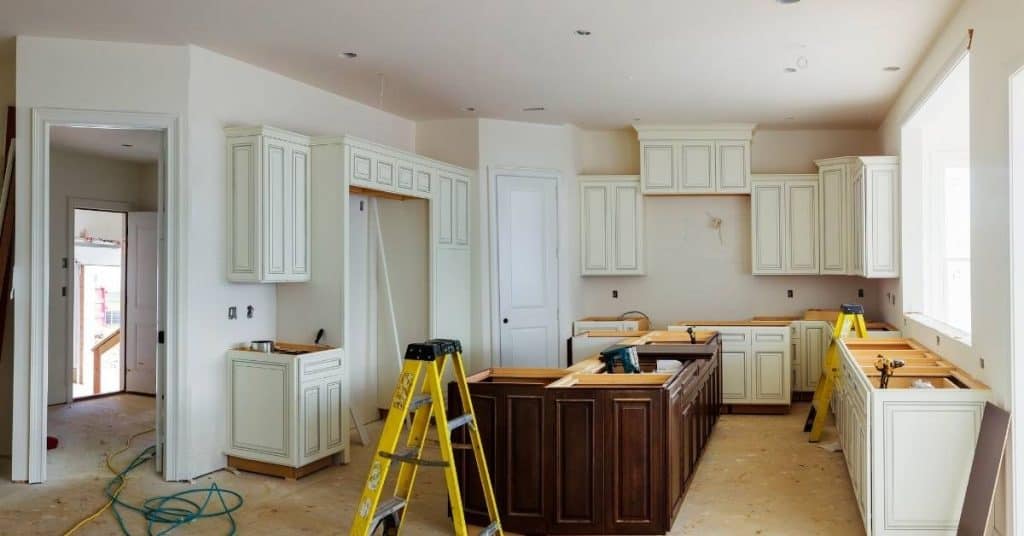
Kitchen with newly installed cabinets in various colors

Painting Kitchen Cabinets: Surprising Tips for a Smooth, Hard Finish

Introduction Painting kitchen cabinets is the process of applying a new layer of paint to the cabinet faces, doors, and frames to change color or update the look. This article gives practical steps for a smooth, durable finish you can actually do yourself. Key moves include protecting surfaces, removing doors and hardware, and taking care

Painting Kitchen Cabinets: Surprising Tips for a Smooth, Hard Finish Read More »