Search Results for: moisture behind stucco

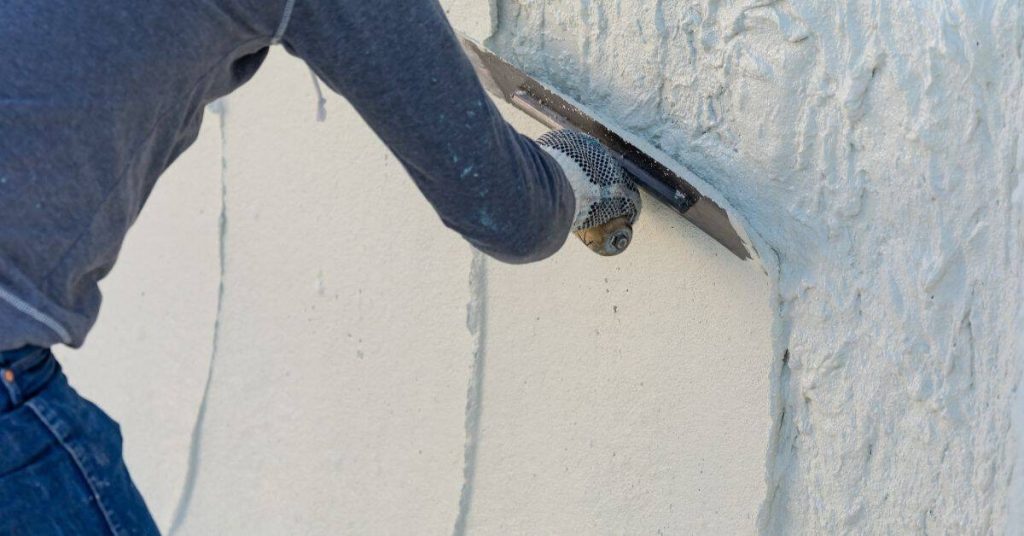
Person applying stucco texture to wall with trowel

Stucco at Deck and Porch Connections: Water control and movement details

Introduction Stucco at deck and porch connections is the moisture-control detail where stucco meets the deck to stop water from entering the structure. It relies on flashing, proper joint gaps, and movement allowances to shed water and accommodate movement. Always check manufacturer instructions and local rules for flashing, sealants, and clearance requirements. For a practical […]

Stucco at Deck and Porch Connections: Water control and movement details Read More »

Hand applying stucco with a trowel on wall surface

Stucco-to-Foundation Transitions: Sealing and drainage without trapping moisture

Introduction This topic is about preventing moisture from moving between stucco and the foundation by sealing and managing drainage. In practice, you aim to keep water from soaking into the joint while letting any seepage drain away. It’s a hands-on process that starts at the edge where stucco meets concrete and uses straightforward materials chosen

Stucco-to-Foundation Transitions: Sealing and drainage without trapping moisture Read More »

Brick chimney with smoke against clear blue sky

Chimney Stucco Cracks and Stains: Causes, repairs, and prevention

Introduction Chimney stucco cracks and stains are exterior flaws in the stucco coating caused by movement, moisture, or dirty runoff. These issues can signal underlying water intrusion or surface aging that needs attention. Identifying the cause helps you choose a safe, practical repair plan you can do yourself. Look for hairline cracks, efflorescence, or dark

Chimney Stucco Cracks and Stains: Causes, repairs, and prevention Read More »

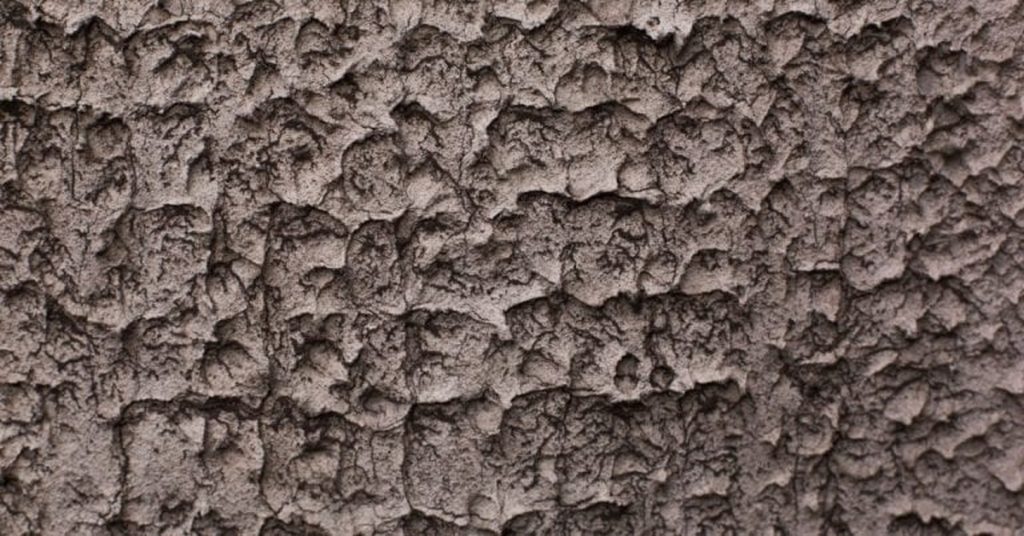
Closeup of rough textured brown stucco surface

Filling Small Holes in Stucco: Repairs that don’t leave a visible outline

Introduction Filling small holes in stucco means patching with a compatible material and feathering the edges so the repair isn’t noticeable. It’s a hands-on task you can do with basic tools and patience. Start with a clean, dry surface and work slowly to keep texture consistent. Begin by cleaning the area and removing loose material.

Filling Small Holes in Stucco: Repairs that don’t leave a visible outline Read More »

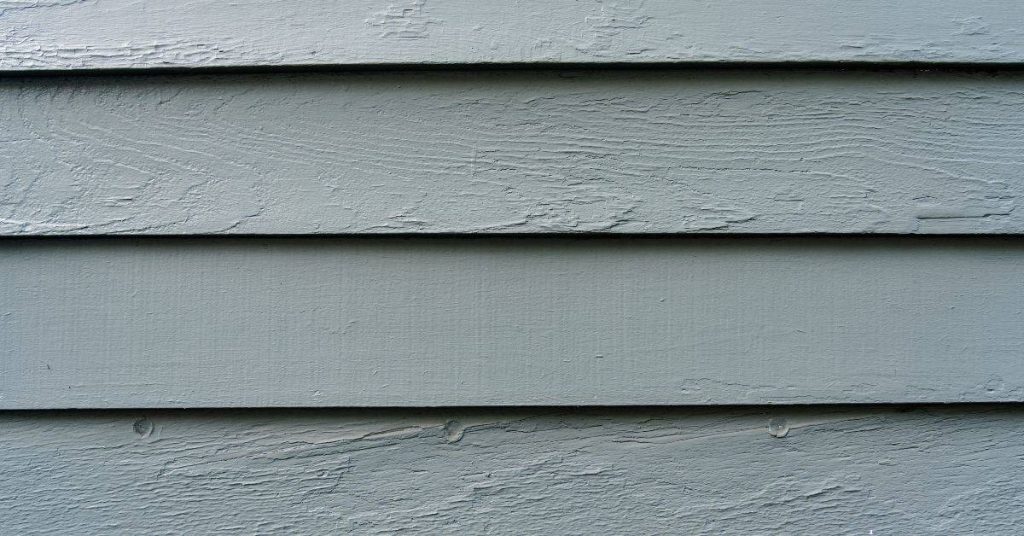
Closeup of painted wooden siding in gray color

Breathable Paint for Stucco: Choosing coatings that don’t trap moisture

Introduction Breathable paint for stucco lets moisture escape from the wall while protecting it from rain. As a DIYer, you want a coating that pins water to the surface but doesn’t trap it inside. Apply it with the right surface prep and follow the label for best results. When choosing coatings, look for breathable or

Breathable Paint for Stucco: Choosing coatings that don’t trap moisture Read More »

Close-up of weathered pink stucco wall with discoloration

Elastomeric Coatings on Stucco: When they help and when they cause trouble

Introduction Elastomeric coatings are flexible sealants applied over stucco to bridge cracks and repel water. They can help by sealing tiny cracks and smoothing rough textures, but they need clean, sound surfaces. If the stucco is cracked or damp, or if the coating is too thick, problems can follow. They can cause trouble when moisture

Elastomeric Coatings on Stucco: When they help and when they cause trouble Read More »

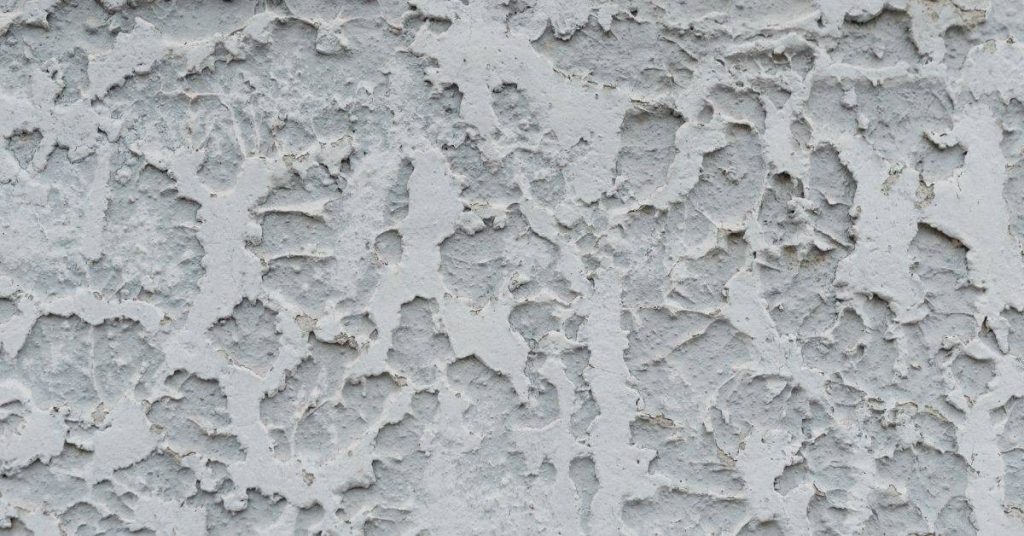
Close-up of blue stucco wall texture with slight indentations

Stucco Texture Repair After Pressure Washing Damage: How to rebuild the finish

Introduction This is the process of rebuilding a damaged stucco texture after pressure washing. You’ll assess the damage, prepare the surface, and re-apply texture to match the rest of the wall. Work in small sections and let your patch dry before finishing. Prepare the area by cleaning loose material and dampening the surface, then apply

Stucco Texture Repair After Pressure Washing Damage: How to rebuild the finish Read More »

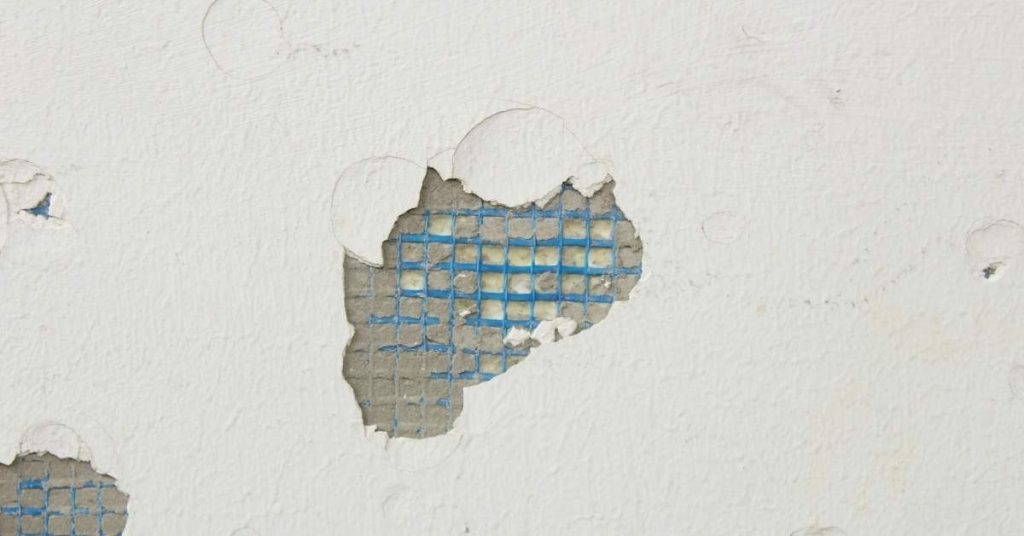
White stucco wall with holes revealing blue reinforcing mesh

How to Repair Stucco After Removing a Satellite Dish: Holes, mesh, and color matching

Introduction This article explains how to repair stucco after removing a satellite dish, focusing on filling holes, embedding mesh, and matching color. You’ll work from the outside in, prep the area, and choose the right patching compound for your surface. Plan for a gradual build up and smooth finish, then check local rules or manufacturer

How to Repair Stucco After Removing a Satellite Dish: Holes, mesh, and color matching Read More »

Stucco exterior wall with multiple windows and red trim

Stucco Cracks Around Windows: Common Causes and Better Detailing

Introduction Stucco cracks around windows are gaps in the stucco that show movement or moisture at the opening. They’re often caused by framing shifts, flashing issues, or moisture-related stress near the window edge. There are different crack types to look for, like hairline, spider, or cross-pattern cracks. Moisture behind the stucco worsens damage, and using

Stucco Cracks Around Windows: Common Causes and Better Detailing Read More »