Search Results for: heat resistant cement for high heat

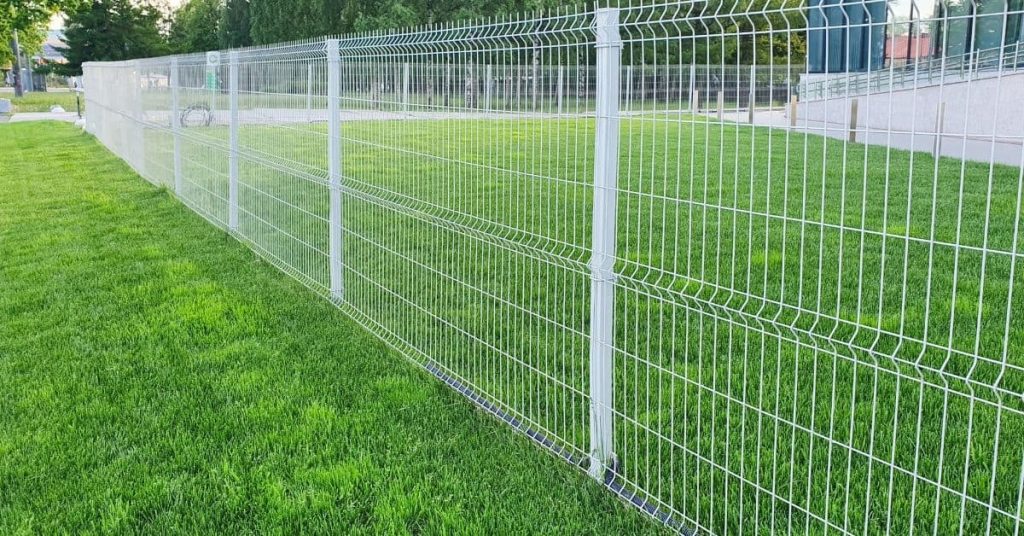
White galvanized metal wire fence on green grass

Painting Galvanized Metal: Weathering, Cleaning, and Priming Rules

Introduction Painting galvanized metal is applying a coating to galvanized steel to improve protection and appearance. This article helps you understand why to paint, when weathering matters, and how to clean and prime before a finish coat. It keeps things practical with steps you can check on the job. To prepare, clean the metal and […]

Painting Galvanized Metal: Weathering, Cleaning, and Priming Rules Read More »

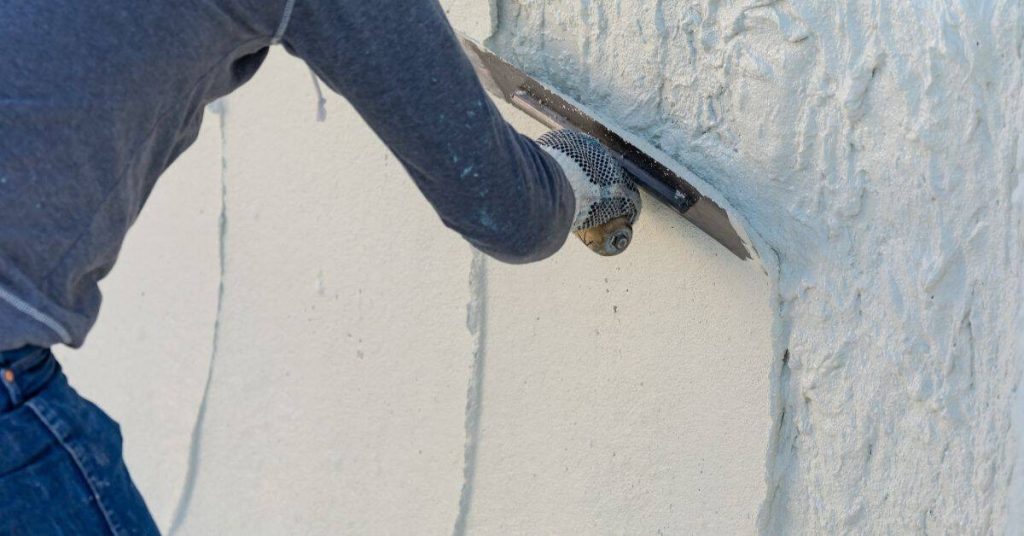
Person smoothing wet stucco on wall with trowel

Decorating Stucco Siding: Safe Ways to Hang, Mount, and Upgrade

Introduction Decorating stucco siding means safely hanging, mounting, and upgrading items on stucco surfaces. This article shares practical methods and the checks you should make before you start. Stucco is a exterior finish that requires the right fasteners and proper installation. From stucco screws and anchors to hot-melt glue and adhesive strips or hooks, we’ll

Decorating Stucco Siding: Safe Ways to Hang, Mount, and Upgrade Read More »

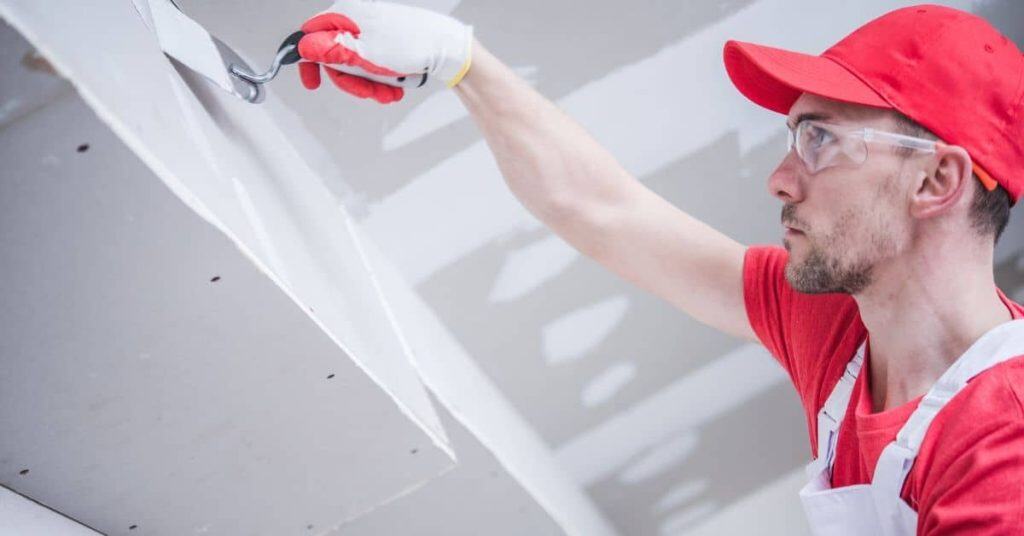
Man applying joint compound to drywall ceiling

Working with Drywall: Layout, Cutting, Fastening, and Finishing Tips

Introduction Drywall work is the hands-on process of laying out panels, cutting to fit, screwing them in, and smoothing the joints. You’ll want clean lines, solid fasteners, and a plan for seams before you start hanging sheets. Keep your tools ready and work methodically from room to room to avoid rework. Pay attention to butt

Working with Drywall: Layout, Cutting, Fastening, and Finishing Tips Read More »

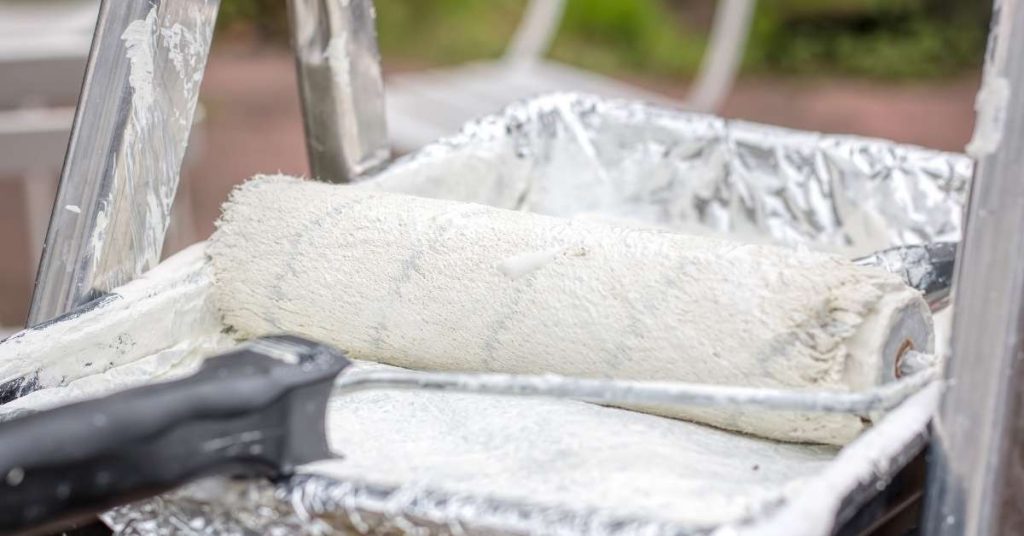
White paint roller resting in foil-lined paint tray

How to Store Leftover Paint: Temperature, Skin Prevention, and Reuse Checks

Introduction Leftover paint should be stored properly to keep it usable for future projects. Aim for a cool, dry spot with stable temperatures and away from direct heat or freezing conditions, and follow the storage range stated on the label. If unsure, check the manufacturer instructions and local rules for safe storage. Keep the can

How to Store Leftover Paint: Temperature, Skin Prevention, and Reuse Checks Read More »

Close-up of green paint roller applying paint on white wall

How to Paint Over Powdery Surfaces: Chalk, Calcimine, and Dusty Walls

Introduction Painting over powdery surfaces means preparing chalky, dusty walls so the new paint will stick. You’ll typically start by removing loose material, cleaning, and letting the surface dry before any primer. Roughness, dust, and old paint left on the wall can cause peeling, flashing, or poor coverage if you skip this step. If calcimine

How to Paint Over Powdery Surfaces: Chalk, Calcimine, and Dusty Walls Read More »

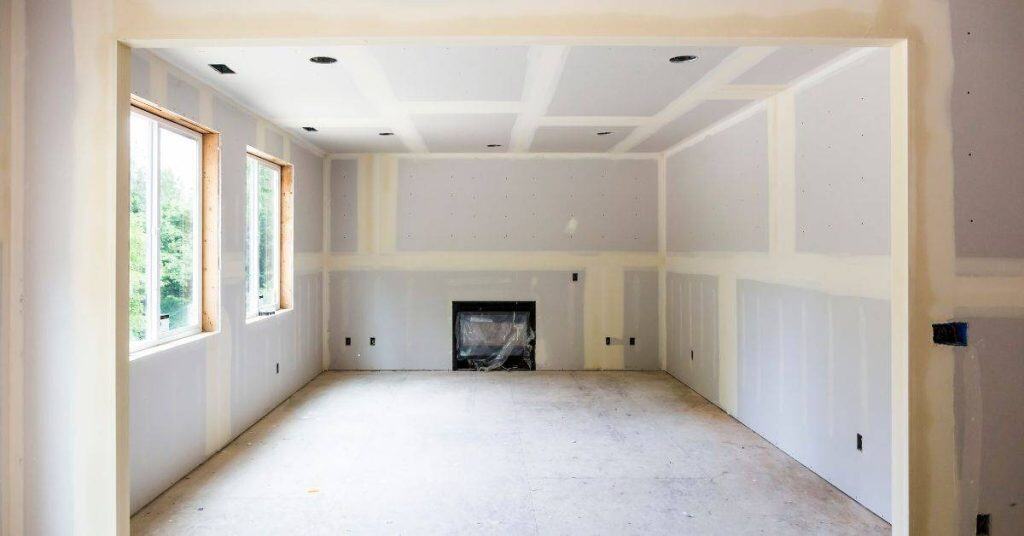
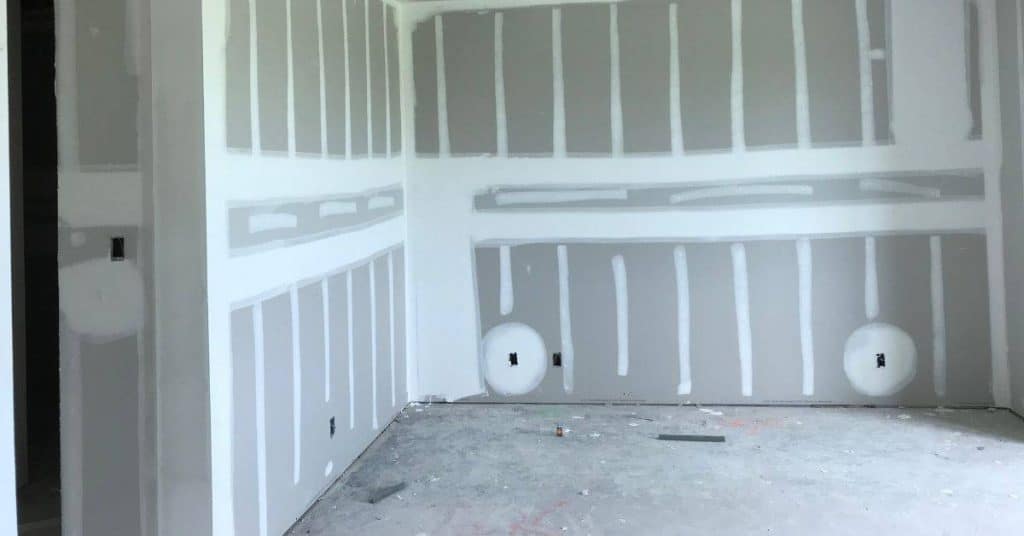
Drywall sheets with taped and mudded joints in room corner

Drywall Install: Common Mistakes and How to Avoid Callbacks

Introduction Drywall install mistakes are issues in openings, securing, and finishing that trigger callbacks. This article calls out common errors and shows how to tackle them during your project. Expect plain, hands-on tips you can apply when you frame, measure, and hang sheets. Common gaps to watch for include incorrect measurements for openings, poor flashing

Drywall Install: Common Mistakes and How to Avoid Callbacks Read More »

Paintbrush resting on open paint can with rainbow background

How to Clean Paint Brushes: Water-Based vs Oil-Based Cleanup

Introduction Cleaning paint brushes is the process of removing paint and residue, with different methods for water-based versus oil-based paints. You’ll want a few basic tools and materials on hand to keep brushes in good shape. This is a hands-on, practical task you can handle between coats. For water-based paints, start by rinsing the brush

How to Clean Paint Brushes: Water-Based vs Oil-Based Cleanup Read More »

Paint brushes and paint roller with dried paint on white surface

How to Clean a Paint Sprayer: Flush Steps That Prevent Clogs and Spitting

Introduction Cleaning a paint sprayer means flushing the system to remove leftover paint and rinse the lines so it won’t clog or spit. Do it after each project and before storage so the passages stay clear. Always follow the manufacturer’s cleaning instructions and use only approved cleaning agents. Understanding HVLP technology helps you choose the

How to Clean a Paint Sprayer: Flush Steps That Prevent Clogs and Spitting Read More »