Search Results for: finishing

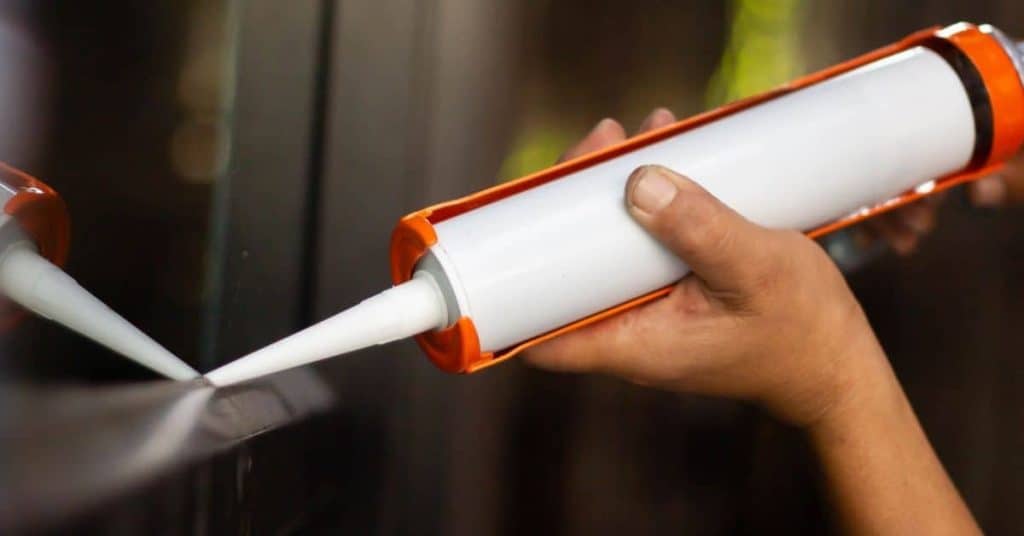
Hand holding caulking gun applying white caulk to surface

Air-Sealing at Drywall Perimeters: Caulk vs. Gasket vs. Spray Foam (What to Use Where)

Introduction Air-sealing at drywall perimeters means closing gaps around the edges of drywall to stop drafts and air leaks. It focuses on where drywall meets studs, ceilings, and other assemblies. You’ll choose materials based on where the gap is and what can be painted or finished to match. Caulk is good for small, fixed gaps […]

Air-Sealing at Drywall Perimeters: Caulk vs. Gasket vs. Spray Foam (What to Use Where) Read More »
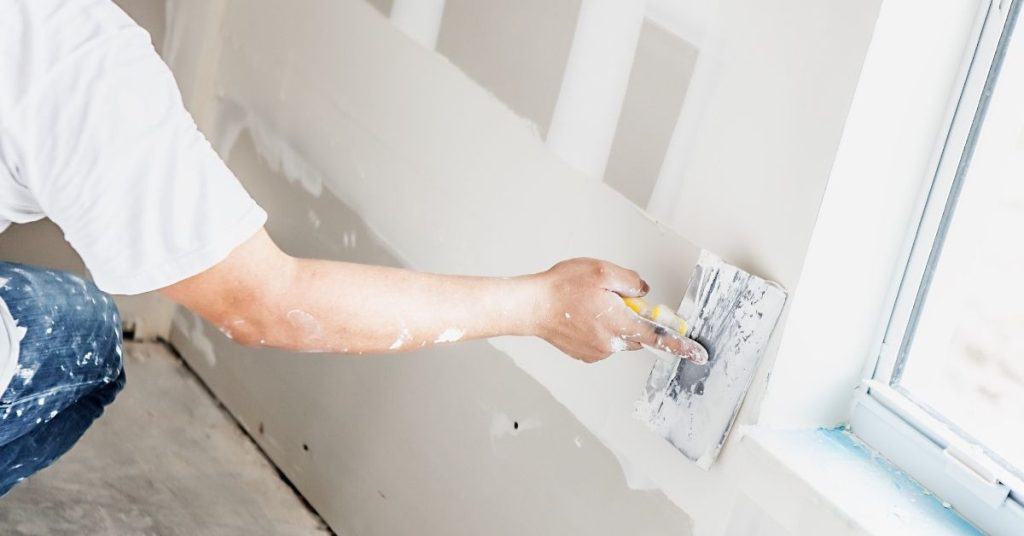
Person applying drywall joint compound near window

Drywall Around New Windows: How to Build Returns That Stay Straight and Crack-Free

Introduction Returns around a window are the built drywall edges that keep the opening straight and crack‑free. This article explains how to shape and install them in a DIY‑friendly way. You’ll get a straightforward, hands-on approach that doesn’t rely on theory. You’ll want to start by dry‑fitting the window reveal and deciding where the drywall

Drywall Around New Windows: How to Build Returns That Stay Straight and Crack-Free Read More »

Interior walls with unfinished drywall and visible joint compound

How to Finish Drywall Over OSB/Sheathing Interior Walls (Adhesion and Joint Strategy)

Introduction Finishing drywall over OSB means applying drywall to bare OSB sheathing with proper bonding, taping, and joint methods. Before you start, confirm the OSB is clean, dry, and reasonably flat and plan how you’ll attach the drywall. This approach centers on solid adhesion and clean joints without compromising the panel. Use the methods and

How to Finish Drywall Over OSB/Sheathing Interior Walls (Adhesion and Joint Strategy) Read More »

White gutter and downspout on beige house corner under blue sky

Inside Corner Cracks That Keep Returning: Movement Causes and Reinforcement Options

Introduction Inside corner cracks that keep returning are signs of ongoing movement at wall corners. These cracks usually form where framing shifts, settles, or surfaces rub as seasons change. In DIY terms, you’re seeing a repeating tug that small repairs alone won’t stop. Reinforcement options depend on the cause and finish material, and you’ll want

Inside Corner Cracks That Keep Returning: Movement Causes and Reinforcement Options Read More »

Drywall panels with taped and mudded joints in unfinished room

Drywall Butt Joint ‘Humps’: Prevention With Back-Blocking and Repair Options

Introduction A drywall butt joint hump is an uneven bump along a seam where two panels meet. It happens when compaction or framing flex creates a little bulge that catches the eye. This article covers how back-blocking and simple repair steps can keep seams flat. Back-blocking involves inserting solid material behind the joint to help

Drywall Butt Joint ‘Humps’: Prevention With Back-Blocking and Repair Options Read More »

Room with exposed grid frame ceiling and ladder

Fixing a Sagging Drywall Ceiling: Fastener Patterns, Adhesive, and When to Add Strapping

Introduction Fixing a sagging drywall ceiling involves choosing the right fastener pattern, using adhesive appropriately, and knowing when to add strapping. I’ll walk you through practical approaches you can do at home, without fancy tools. Check product labels and local rules for fastener types and weight limits. Count on a hands-on approach: test the area,

Fixing a Sagging Drywall Ceiling: Fastener Patterns, Adhesive, and When to Add Strapping Read More »

Hand with yellow gloves holding green cordless drill against drywall

How to Install a Flush Drywall Access Panel (Plumbing Shutoffs, Valves, and Cleanouts)

Introduction A flush drywall access panel is a removable hatch that sits level with the wall to reach plumbing shutoffs and valves. Installing one means planning a clean opening, securing it to the studs, and making sure it blends with the drywall. It’s a practical DIY job that emphasizes careful cutting, fitting, and finishing so

How to Install a Flush Drywall Access Panel (Plumbing Shutoffs, Valves, and Cleanouts) Read More »

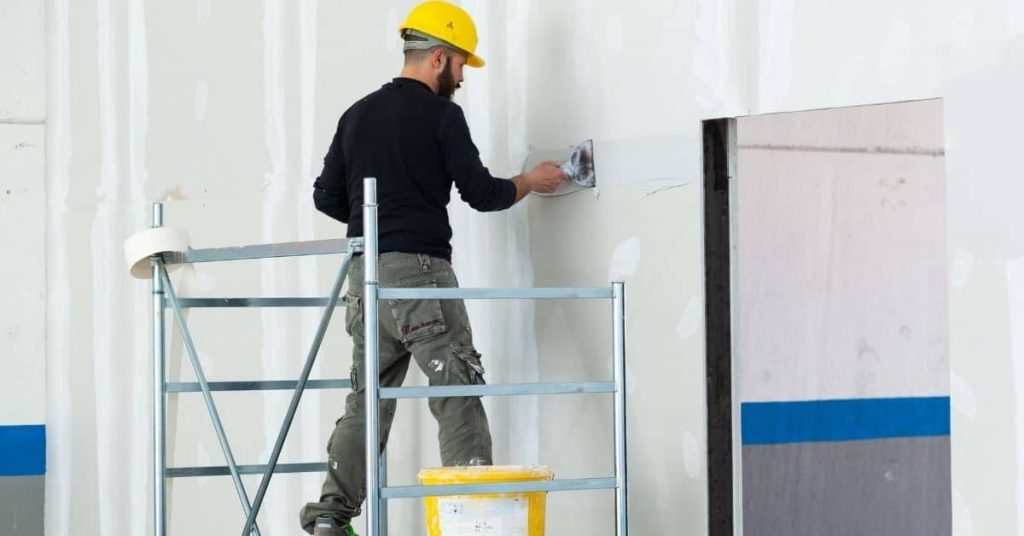
Worker applying plaster to drywall wearing yellow hard hat

Mold-Resistant Drywall in Basements: Moisture Testing Before You Hang Anything

Introduction Mold-resistant drywall is dry wall designed to resist moisture and mold growth in basements. It’s a practical upgrade when you’re finishing a damp space. I’ll walk you through how to tell if it’s a good fit and what to expect on the job. Before hanging anything, do moisture testing and air checks. Use a

Mold-Resistant Drywall in Basements: Moisture Testing Before You Hang Anything Read More »

Close-up of blue fiberglass mesh rolls

Paperless Drywall (Fiberglass-Faced): Where It Helps, How to Finish It, and Common Pitfalls

Introduction Paperless drywall with fiberglass facing is a gypsum board that uses a fiberglass mat instead of paper on the surface. It’s designed to resist moisture and mold better in damp spaces, though it still needs proper installation and sealing. This article covers where it helps, how to finish it, and common pitfalls. When finishing,

Paperless Drywall (Fiberglass-Faced): Where It Helps, How to Finish It, and Common Pitfalls Read More »