Search Results for: efflorescence

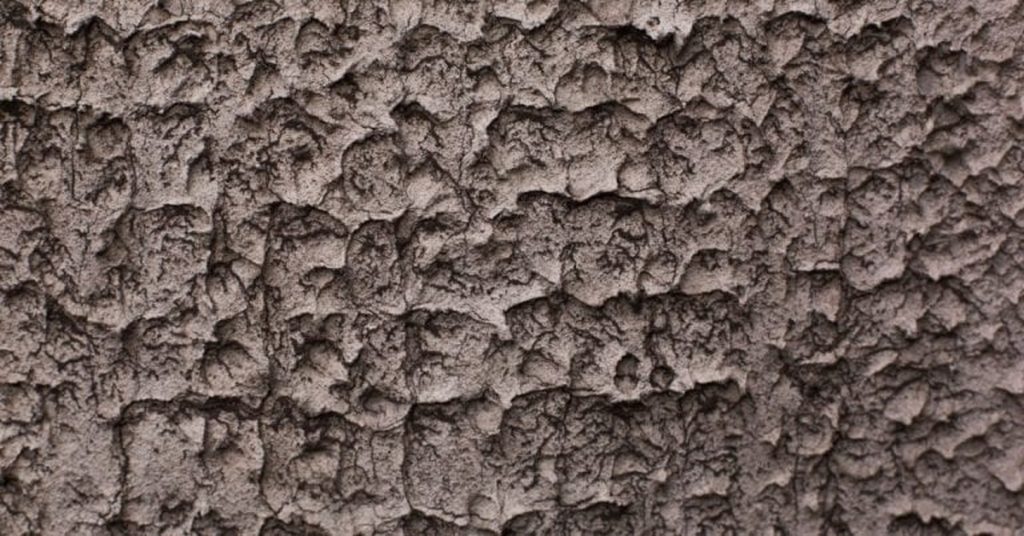
Closeup of rough textured brown stucco surface

Filling Small Holes in Stucco: Repairs that don’t leave a visible outline

Introduction Filling small holes in stucco means patching with a compatible material and feathering the edges so the repair isn’t noticeable. It’s a hands-on task you can do with basic tools and patience. Start with a clean, dry surface and work slowly to keep texture consistent. Begin by cleaning the area and removing loose material. […]

Filling Small Holes in Stucco: Repairs that don’t leave a visible outline Read More »
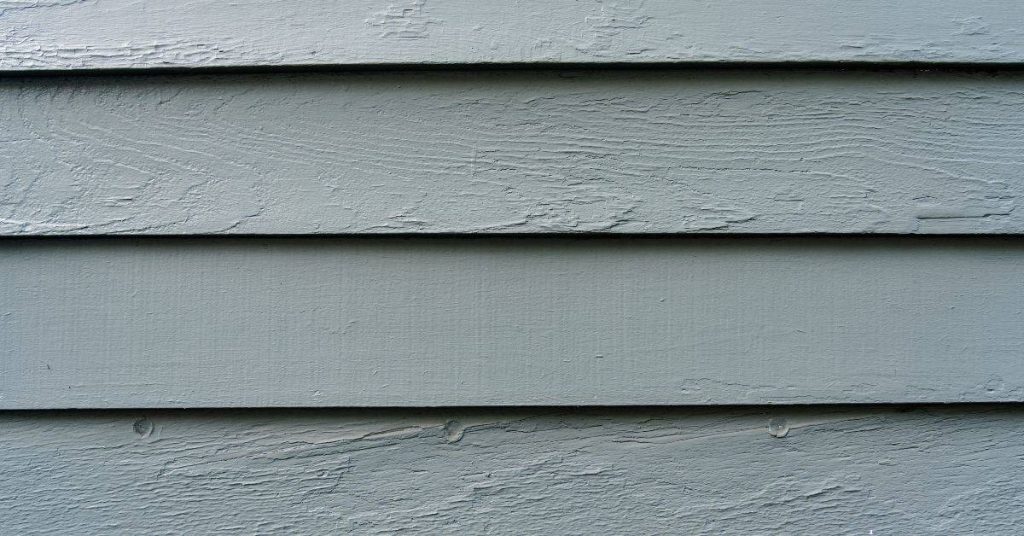
Closeup of painted wooden siding in gray color

Breathable Paint for Stucco: Choosing coatings that don’t trap moisture

Introduction Breathable paint for stucco lets moisture escape from the wall while protecting it from rain. As a DIYer, you want a coating that pins water to the surface but doesn’t trap it inside. Apply it with the right surface prep and follow the label for best results. When choosing coatings, look for breathable or

Breathable Paint for Stucco: Choosing coatings that don’t trap moisture Read More »

Close-up of weathered pink stucco wall with discoloration

Elastomeric Coatings on Stucco: When they help and when they cause trouble

Introduction Elastomeric coatings are flexible sealants applied over stucco to bridge cracks and repel water. They can help by sealing tiny cracks and smoothing rough textures, but they need clean, sound surfaces. If the stucco is cracked or damp, or if the coating is too thick, problems can follow. They can cause trouble when moisture

Elastomeric Coatings on Stucco: When they help and when they cause trouble Read More »

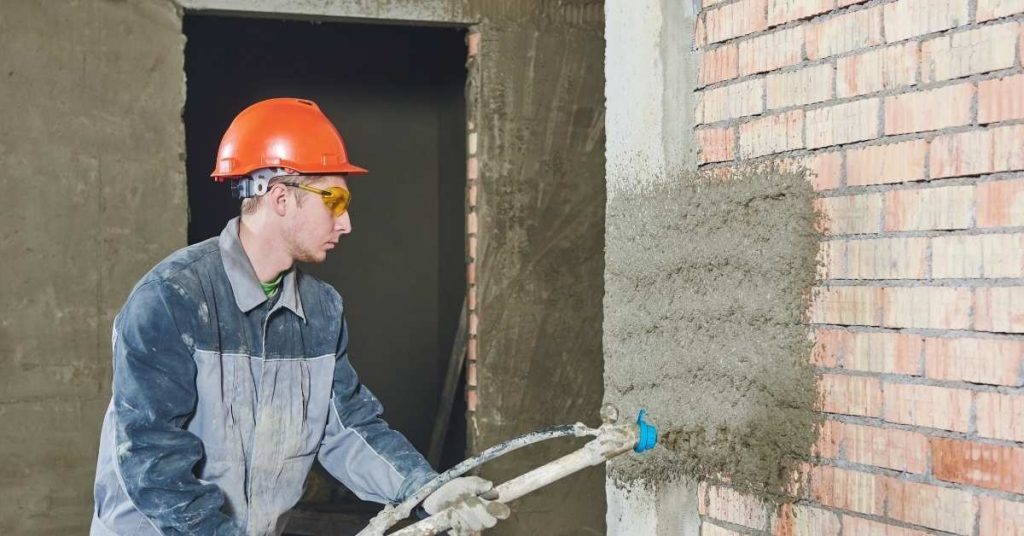
Worker applying stucco to brick wall wearing orange helmet

Rain Exposure on Fresh Stucco: What to do if it gets wet too soon

Introduction Wet stucco early can trap moisture and lead to a softer, compromised surface. If rain hits fresh stucco, you should assess the surface for shine, tackiness, or any cracking. Do not rush to finish or apply additional coats until you understand the current condition and what the material needs. If rain is still possible,

Rain Exposure on Fresh Stucco: What to do if it gets wet too soon Read More »

Person smoothing plaster on ceiling with trowel

Recurring Plaster Cracks: Hidden causes and reinforcement that helps

Introduction Recurring plaster cracks are cracks that keep coming back after repairs due to underlying movement or moisture. This article explains practical, hands-on steps you can take to stop the cycle. We’ll look at common hidden causes and simple reinforcement ideas you can try. Check your wall conditions and proceed with care to avoid making

Recurring Plaster Cracks: Hidden causes and reinforcement that helps Read More »

Close-up of dusty white plaster wall texture

Priming Dusty Plaster: Sealing chalky walls so paint actually bonds

Introduction Priming dusty plaster means applying a compatible primer to seal chalky surfaces so paint can properly adhere. This helps the surface hold onto new paint and reduces peeling. Check the primer label for suitability with plaster and ensure the wall is clean and dust-free before applying. If in doubt, consult the product instructions and

Priming Dusty Plaster: Sealing chalky walls so paint actually bonds Read More »

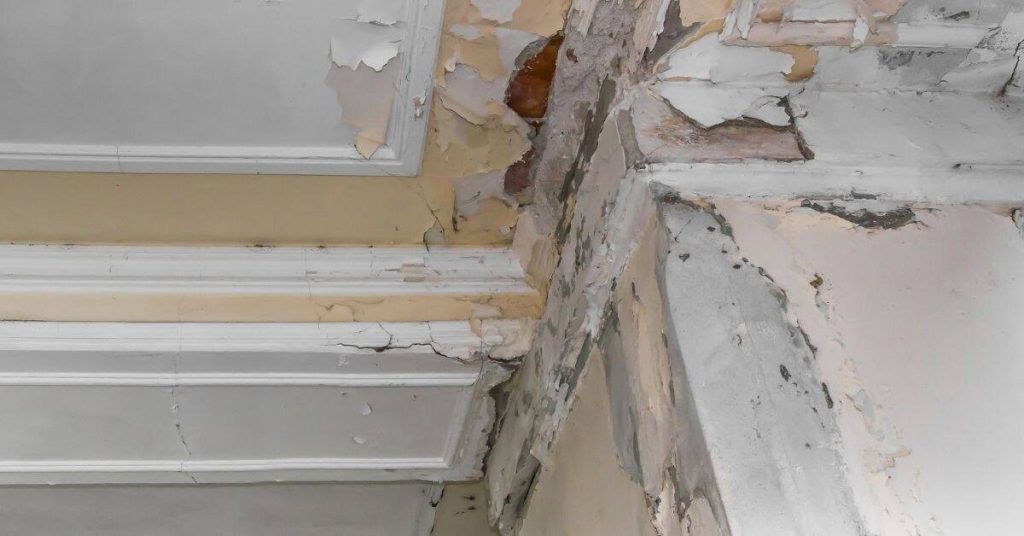
Close-up of cracked and peeling plaster ceiling with crown molding

Water-Damaged Plaster: What to remove, what to dry, and what to rebuild

Introduction Water-damaged plaster needs to be removed, dried, and rebuilt in a practical, step-by-step way. You’ll determine what to remove, what to dry, and what to replace based on how far the damage has spread. This article keeps the tone hands-on and avoids fluffy theory. Start by inspecting the area to judge how much material

Water-Damaged Plaster: What to remove, what to dry, and what to rebuild Read More »