Search Results for: drywall op

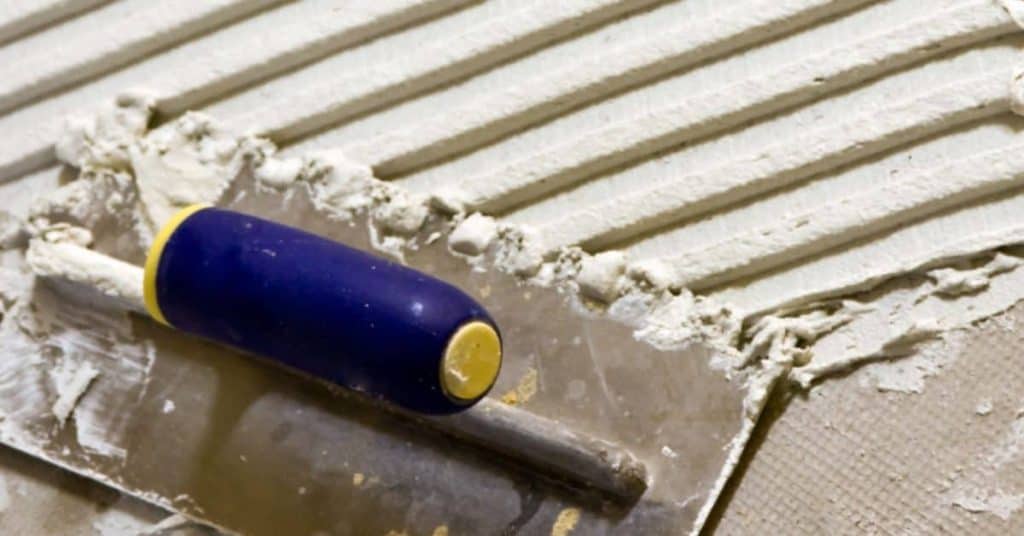
Notched trowel spreading adhesive on surface

Mastic Vs Thinset for Backsplashes: Where Mastic Is Safe and Where It Fails

Introduction Mastic is a flexible, premixed adhesive that some DIYers use for lightweight backsplashes. Thinset is a cement-based mortar that needs mixing and longer cure times. For most reliable backsplashes, you should check manufacturer guidance and local rules before choosing. Key takeaways Mastic is easier for small, dry layouts but unsuitable for wet areas. Thinset

Mastic Vs Thinset for Backsplashes: Where Mastic Is Safe and Where It Fails Read More »

Person installing large-format floor tiles with spacers

How Flat Is Flat Enough for Large-Format Tile? Simple DIY Checks

Introduction Flatness means the surface is level enough for the tile to sit without rocking. For large-format tile, you’re looking for a smooth plane free of noticeable high spots and dips. If you find trouble spots, plan to adjust with patches, self-leveling compound, or correct substrate issues after checking manufacturer instructions. You’ll want to walk

How Flat Is Flat Enough for Large-Format Tile? Simple DIY Checks Read More »

Rubber mallet and level on concrete floor with tiles

Tile Substrate Checklist: What Must Be Flat, Solid, and Clean Before You Start

Introduction Your tile substrate must be flat, solid, and clean before you start. That means checking for levelness, firm backing, and a dust-free surface. If you find problems, fix them before laying tile. -None>Check the substrate with a straightedge or level and use the right patching or leveling products as directed on the label. Sweep

Tile Substrate Checklist: What Must Be Flat, Solid, and Clean Before You Start Read More »

Man applying plaster to wall with trowel wearing black glove

How to Patch Deep Holes in Plaster Without Shrinkage (Layering Strategy)

Introduction Patching deep holes in plaster without shrinkage means building the fill in gradual layers so the patch stays level as it dries. Prepare the cavity, mix or choose a filler suitable for plaster, and apply in thin coats, letting each dry as you go. This layering approach helps bridge the depth and reduce cracking.

How to Patch Deep Holes in Plaster Without Shrinkage (Layering Strategy) Read More »

Hand applying plaster to mesh-covered wall with putty knife

How to Repair a Bulging Plaster Wall (Flatten, Replace, or Re-Key?)

Introduction Bulging plaster walls are plaster that has pushed outward from the lath or studs. This article explains how to assess the damage, decide on a flatten, replace, or re-key approach, and stay practical on the job. You’ll learn how to inspect the condition, identify loose edges, and plan your repairs before you touch the

How to Repair a Bulging Plaster Wall (Flatten, Replace, or Re-Key?) Read More »

Man applying plaster near window corner with trowel

How to Fix Plaster Cracks at Door and Window Corners (Reinforcement Choices)

Introduction This guide explains how to reinforce and fix plaster cracks at door and window corners. Key takeaways Identify plaster cracks at door and window corners early; note hairline vs structural. Assess damage and plan: remove loose plaster, check lath backing, choose reinforcement. Replacing damaged lath or backing may be required for solid repair. Apply

How to Fix Plaster Cracks at Door and Window Corners (Reinforcement Choices) Read More »