Search Results for: drywall op

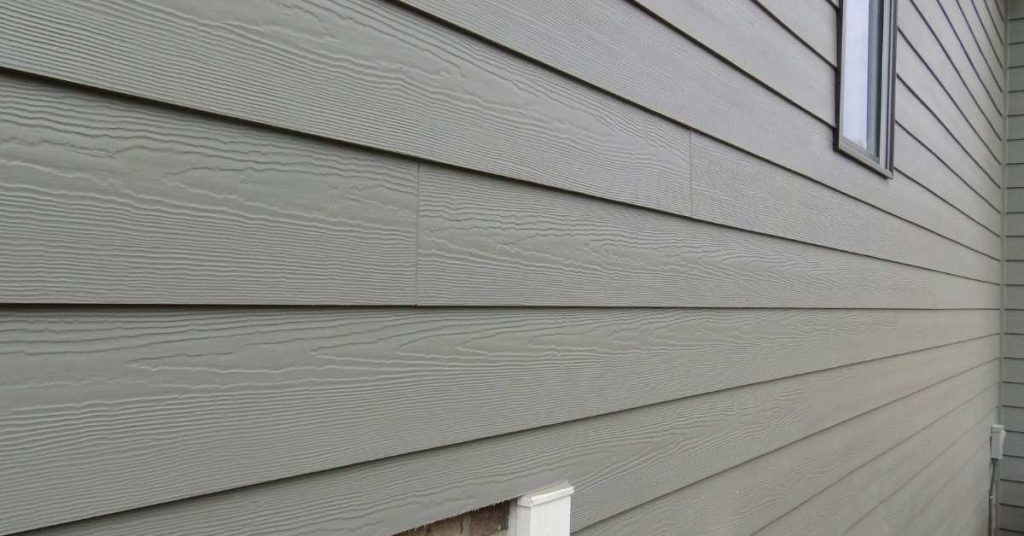
Close-up of gray fiber cement siding on house exterior

Stucco vs. Fiber Cement Siding: DIY Repairability and Long-Term Maintenance Compared

Introduction Stucco and fiber cement siding are two exterior materials, and this article compares their repairability and long-term maintenance. You’ll see practical, hands-on guidance on patching, replacing damaged sections, and what keeps these materials lasting. If a spec matters, check the product label, manufacturer instructions, and local rules before you dive in. From a DIY […]

Stucco vs. Fiber Cement Siding: DIY Repairability and Long-Term Maintenance Compared Read More »

Smooth white ceiling with recessed lighting fixture hanging

How to Paint Over Cracked Paint: When to Scrape, When to Feather, When to Skim

Introduction Scraping, feathering, or skim coating cracked paint are the three main ways to treat cracked paint before repainting. The choice depends on how deep the cracks are and how smooth you want the surface to be. Check labels and local rules if you need exact limits or product compatibility. Use scraping when paint is

How to Paint Over Cracked Paint: When to Scrape, When to Feather, When to Skim Read More »

Person painting wood siding with white primer brush

Primer Compatibility Chart: Water-Based vs. Oil-Based vs. Shellac (What Can Go Over What)

Introduction Primer compatibility means choosing the right primer for the surface and topcoat so the finish adheres and lasts. Different primers are designed to bond to different surfaces and to seal, block stains, or prevent bleed-through. Always check the label for what the primer can be applied over and what the topcoat can be used

Primer Compatibility Chart: Water-Based vs. Oil-Based vs. Shellac (What Can Go Over What) Read More »

White electrical outlet on painted white wall

Touching Up Painted Walls Years Later: How to Match Texture, Color, and Sheen

Introduction Touching up painted walls years later means restoring the texture, color, and sheen so the patch blends with the old paint. It’s a hands-on task that you can do with common tools and a bit of care. Start by examining the wall and deciding what needs to be matched. Identify the texture, sheen, and

Touching Up Painted Walls Years Later: How to Match Texture, Color, and Sheen Read More »

Vinyl corner bead strip with perforations beside orange safety mesh.

Corner Bead Choices: Metal vs. Vinyl vs. Paper-Faced (When Each One Wins)

Introduction Corner bead choices are metal, vinyl, or paper-faced trims used to form and protect drywall corners. Metal beads are sturdy, vinyl beads stay flexible, and paper-faced beads rely on drywall paper and mud to hold shape. This article keeps the talk practical for DIY installs. To pick one, consider where the corner will see

Corner Bead Choices: Metal vs. Vinyl vs. Paper-Faced (When Each One Wins) Read More »

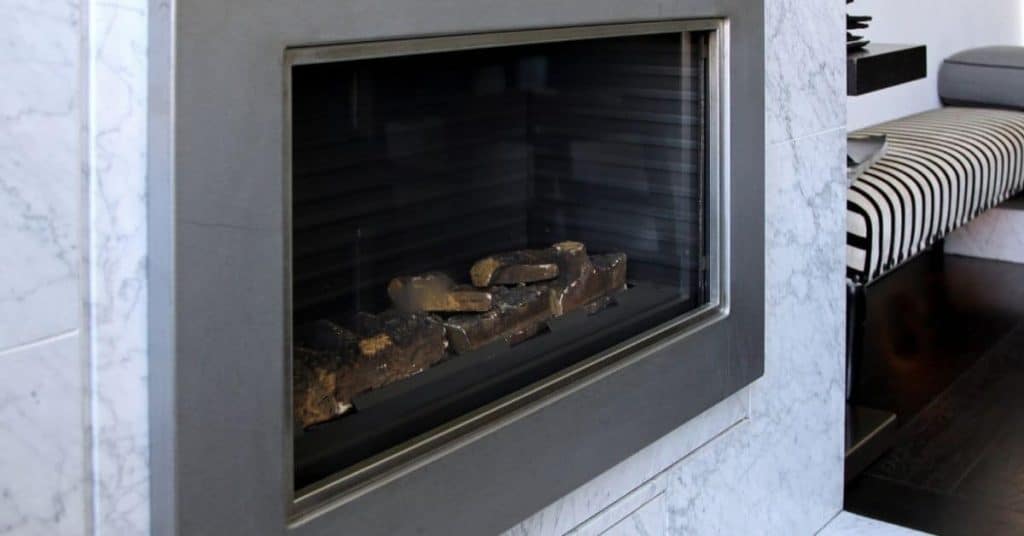
Modern gas fireplace with marble surround and striped bench nearby

How to Paint After Small Fire/Smoke Damage: Soot Removal, Odor Sealing, and Recoat Timing

Introduction This guide explains how to repaint after small fire and smoke damage. First, assess visible soot and smoke residue and clean the affected surfaces well. Use the right cleaners, wipe without rubbing, and remove loose debris before sealing. Odor sealing is used to lock in smells before a new coat. Check the product label

How to Paint After Small Fire/Smoke Damage: Soot Removal, Odor Sealing, and Recoat Timing Read More »

Woman inspecting white wall near carpeted floor

Blocking Water Stains on Ceilings: Drying Checks Before You Prime and Paint

Introduction Blocking water stains on ceilings means stopping moisture and stains from showing through the paint by drying and prepping the surface before priming. You’ll want the area to feel dry, flat, and clean before you apply any primer. This is a hands-on, practical step you can handle with common tools and a bit of

Blocking Water Stains on Ceilings: Drying Checks Before You Prime and Paint Read More »

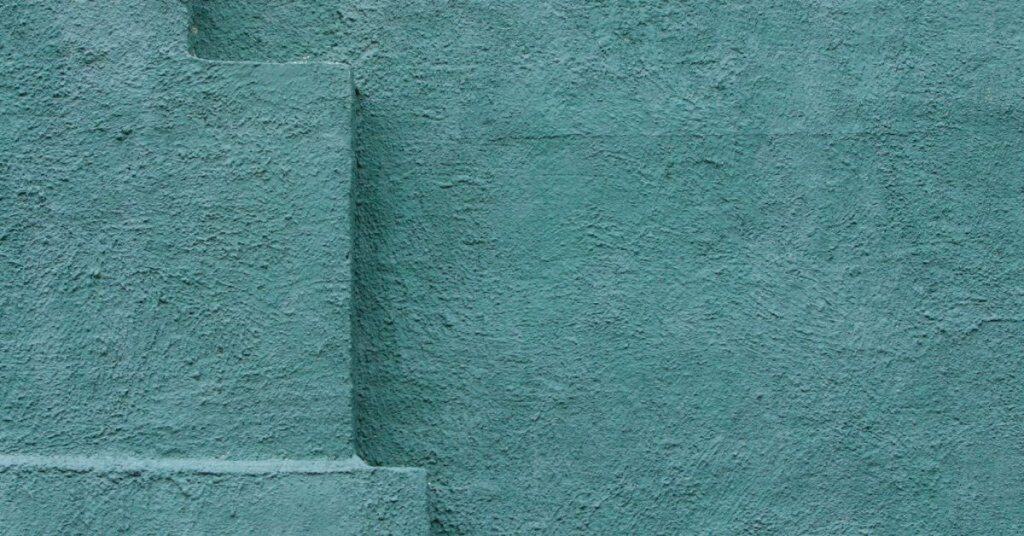
Close-up of blue stucco wall texture with raised sections

Fasteners Through Stucco: Sealing Strategies That Don’t Create Water Traps

Introduction Fasteners through stucco are methods for attaching items to a stucco surface while keeping water from getting trapped behind it. In practice, you need a seal that sheds water and a proper flashing path so moisture can’t linger. This article speaks in plain terms about choosing fasteners and sealants without creating hidden leaks. To

Fasteners Through Stucco: Sealing Strategies That Don’t Create Water Traps Read More »