Search Results for: drywall op

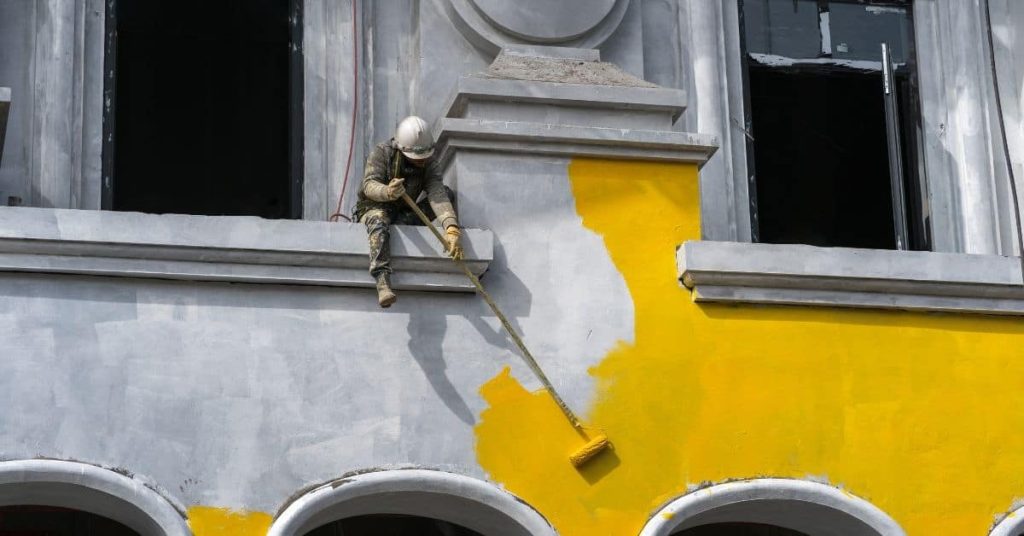
Worker wearing helmet applying textured stucco with roller

Stucco Weep Screed Issues: Signs it’s blocked and how to restore drainage

Introduction Weep screed is the small gap at the base of a stucco wall that lets moisture drain out. When it gets clogged with dirt, paint, or debris, water can back up behind the stucco. That backup can cause pooling, staining, or freeze-thaw damage if you ignore it. To check, look for visible clogs at […]

Stucco Weep Screed Issues: Signs it’s blocked and how to restore drainage Read More »

Man patching ceiling plaster with putty knife

Plaster Repairs After Electrical Work: Patching channels without a visible ridge

Introduction Plaster repairs after electrical work are patches that blend into the wall so you don’t see a ridge. Start by assessing the surrounding finish and preparing the plaster mix to match the existing texture. To avoid a visible ridge, feather the edges, work in thin coats, and blend with the surrounding plaster as you

Plaster Repairs After Electrical Work: Patching channels without a visible ridge Read More »

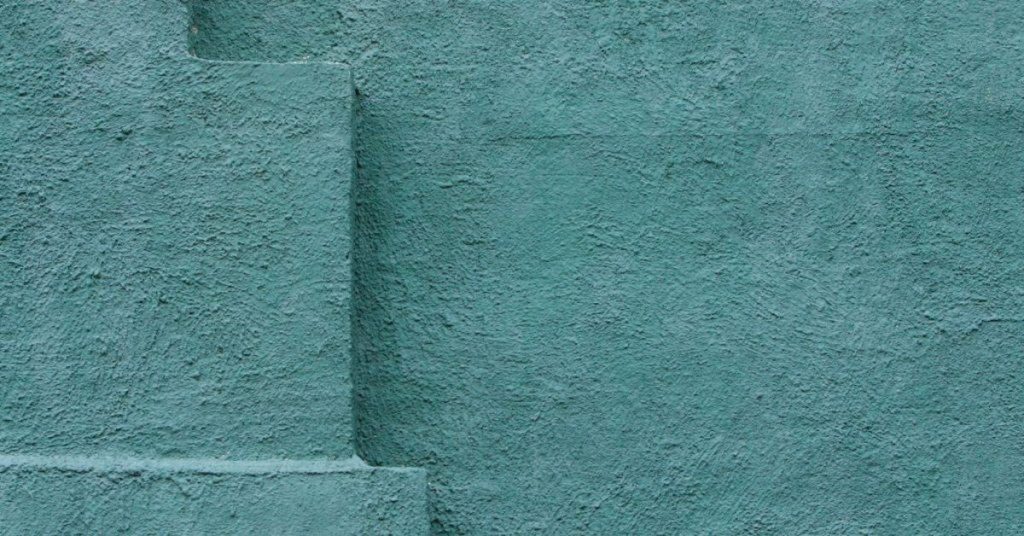
Close-up of blue stucco textured wall corner

Sealing Stucco Around Pipes: A leak-proof method that still lets walls dry

Introduction Sealing stucco around pipes means creating a tight, watertight seal where pipes enter the wall while letting the surrounding stucco dry out. You’ll typically clean the joint, apply a compatible sealant, and backer material if needed, but don’t overfill. Follow product instructions for cure times and weather limits, and check for gaps after sealing.

Sealing Stucco Around Pipes: A leak-proof method that still lets walls dry Read More »

Gloved hand cleaning a wall with a green sponge

How to Paint Over Smoke Stains: Cleaning, sealing, and odor control

Introduction Painting over smoke stains means preparing the wall by cleaning soot, sealing to block odors, and applying fresh paint. This is a practical, hands-on job you can do with common tools. Assess the stains and follow the label on primers and paints for the right compatibility. Clean thoroughly with a suitable cleaner to lift

How to Paint Over Smoke Stains: Cleaning, sealing, and odor control Read More »

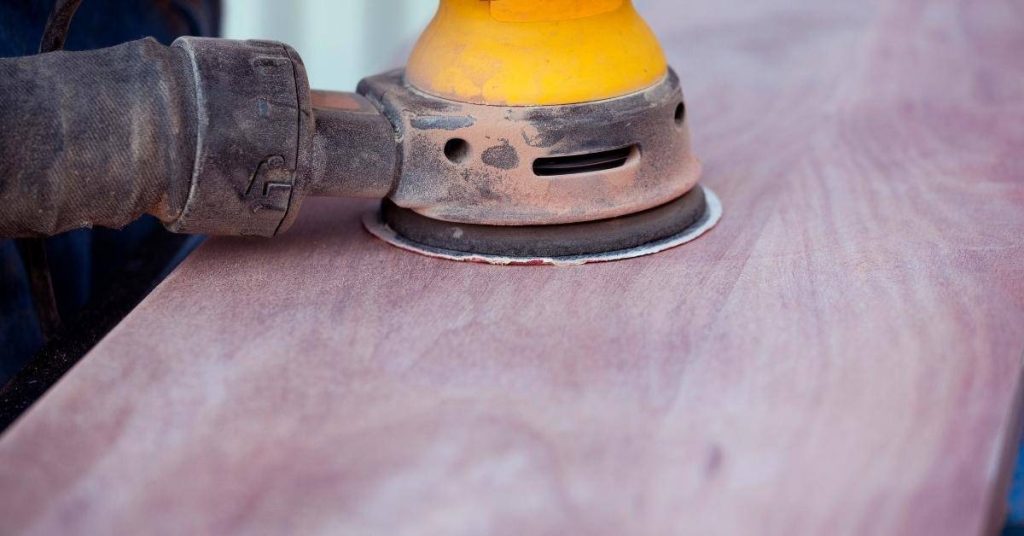
Orbital sander sanding smooth plywood surface

How to Fix Raised Paint Edges at Tape Lines: Sanding and recoat strategy

Introduction Raised paint edges at tape lines are ridges formed where tape seals and paint creeps under. This guide shows how to sand them smooth and refinish without pulling off surrounding paint. Use a light touch, gentle feathering, and follow the tape and paint manufacturer’s instructions. Sanding should be light and even, targeting only the

How to Fix Raised Paint Edges at Tape Lines: Sanding and recoat strategy Read More »

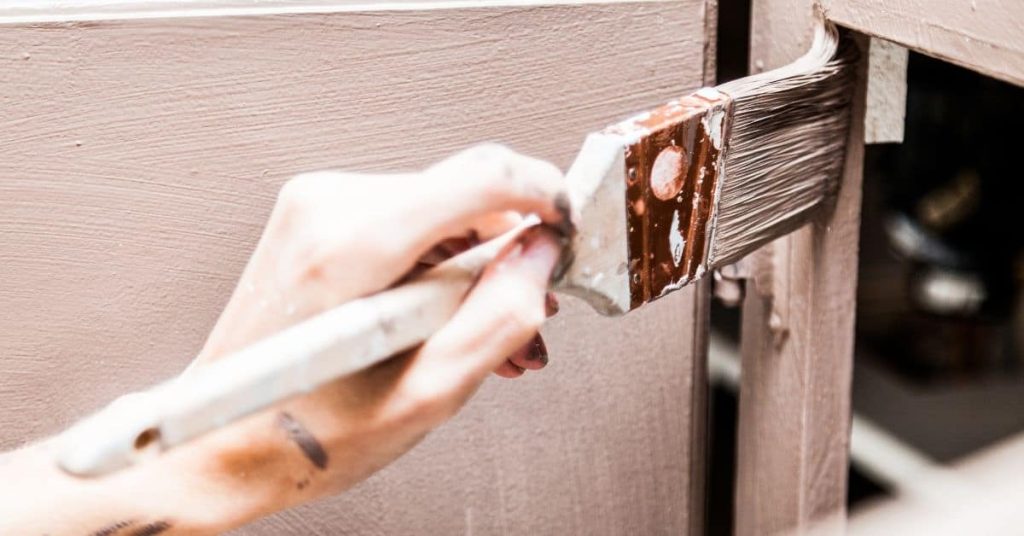
Hand painting edges of wooden cabinet with brush

How to Prevent Tape Lines When Painting: Cutting in and pulling tape the right way

Introduction Preventing tape lines means masking and edge-work done so the paint meets cleanly without ridges. Cutting in and lifting tape at the right moment helps keep the edge sharp. Work slowly, check the edge as you go, and don’t rush the tape removal. Start with clean, dry surfaces and press the tape firmly to

How to Prevent Tape Lines When Painting: Cutting in and pulling tape the right way Read More »

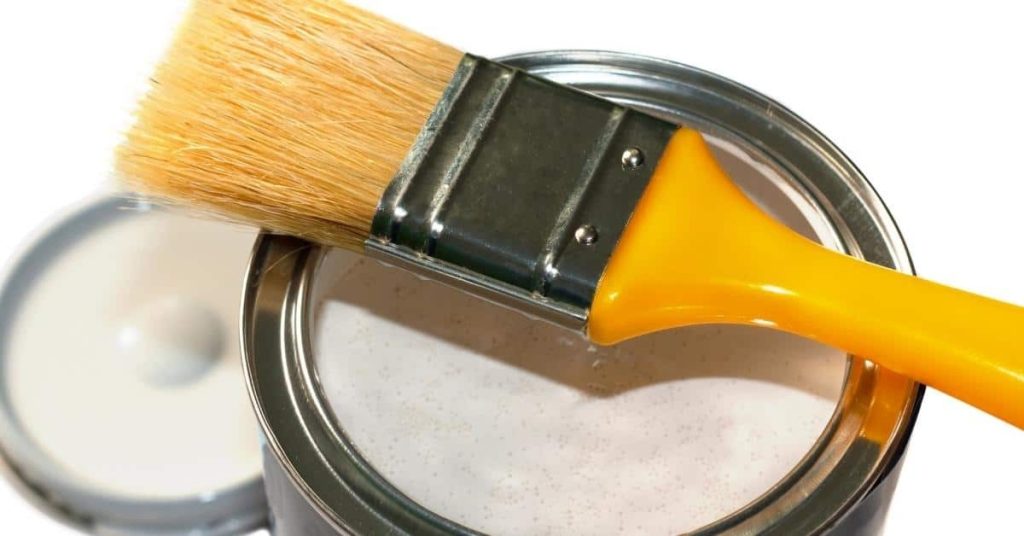
Paintbrush resting on an open can of white paint

Brush Drag and Pulling Paint: Why it happens and how to improve flow

Introduction Brush drag and pulling paint happen when the brush edge catches and drags on the surface, causing uneven flow. It’s usually caused by a combination of stiff paint, a too-dry brush, and rough or improper surface prep. Understanding these cues helps you adjust your approach on the job. To improve flow, load the brush

Brush Drag and Pulling Paint: Why it happens and how to improve flow Read More »