Search Results for: crack

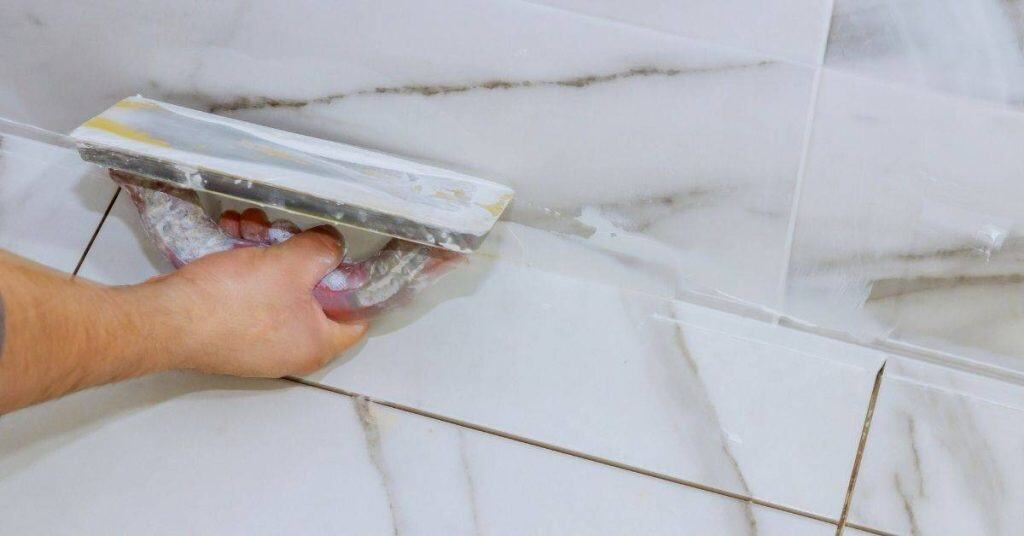
Hand holding grout float over tiled wall surface

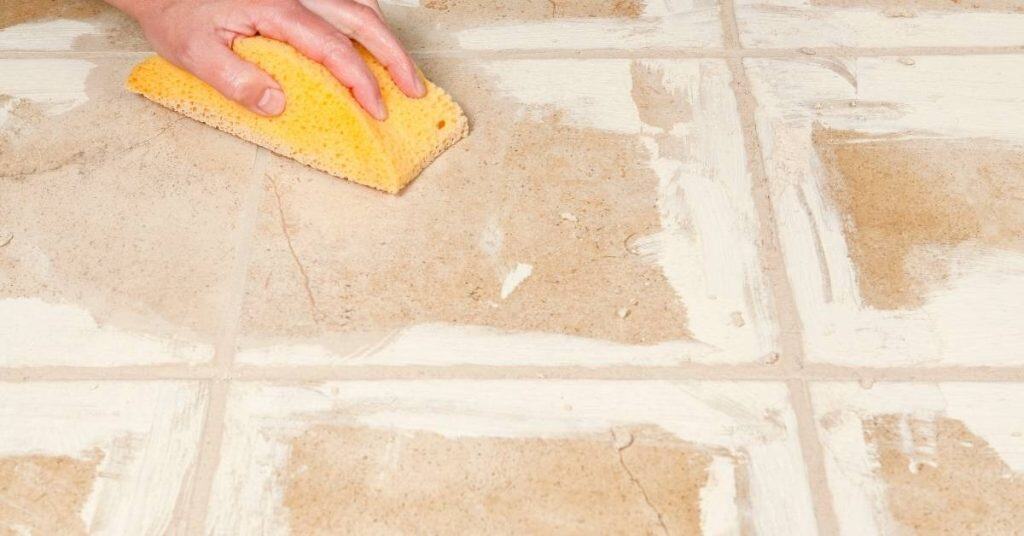
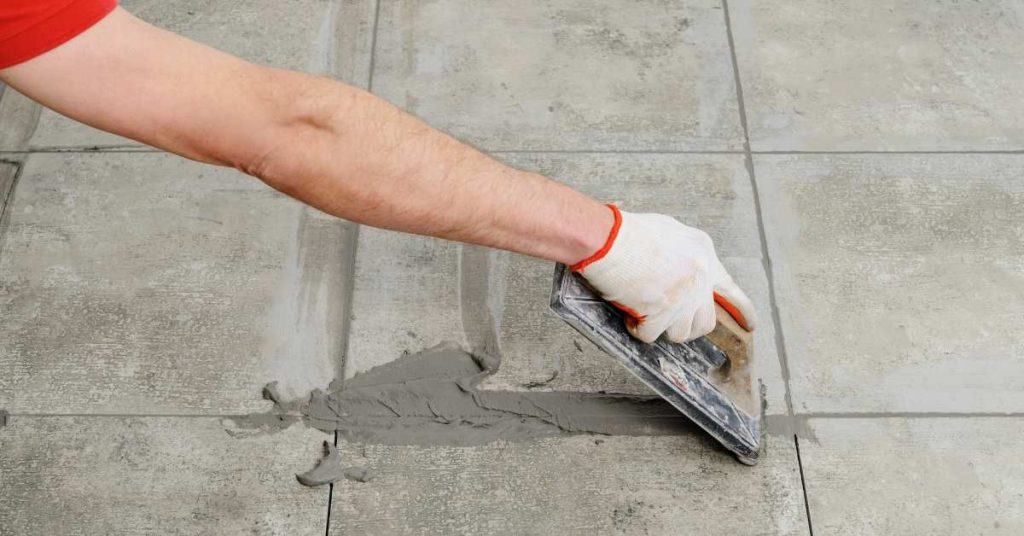
Fixing Pinholes in Grout: Why They Happen and How to Repair Without Regrouting Everything

Introduction Pinhole grout gaps are tiny holes in the grout that can let moisture seep behind tiles. They happen when the grout didn’t seal properly, or when movement, wear, or improper mixing weakened it. They’re most noticeable in areas that get routine use or wetting, and they can spread if left unaddressed. You can fix […]
Fixing Pinholes in Grout: Why They Happen and How to Repair Without Regrouting Everything Read More »

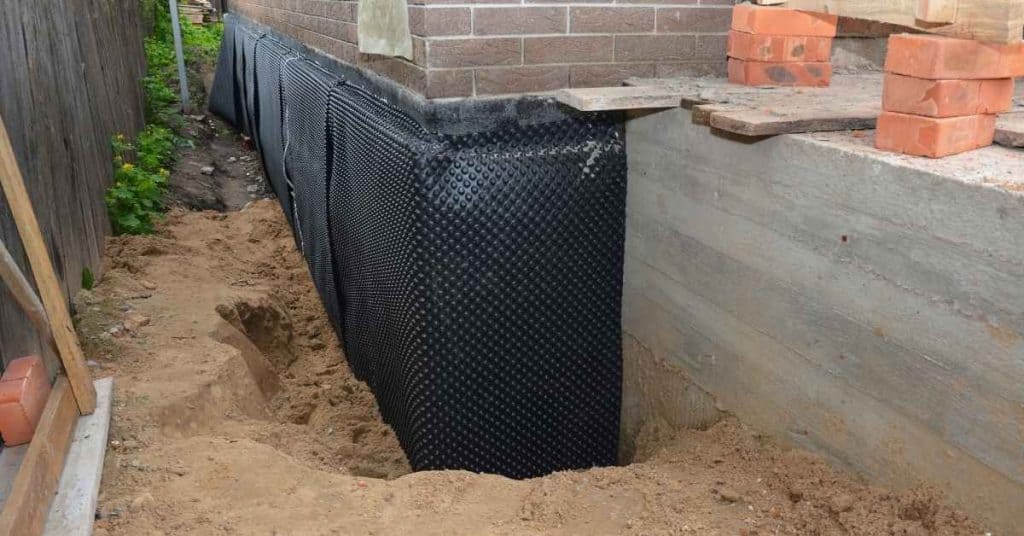
Black dimpled membrane installed on concrete foundation wall

Uncoupling Membrane Basics: Where It’s Worth the Money and Where It Isn’t

Introduction Uncoupling membranes are a lightweight underlayment that helps separate layers to move with the substrate. They’re designed to reduce cracking and relieve some movement, but you need to check what the product is rated for and follow the label. In plain terms, you install them between the substrate and the finish to give you

Uncoupling Membrane Basics: Where It’s Worth the Money and Where It Isn’t Read More »

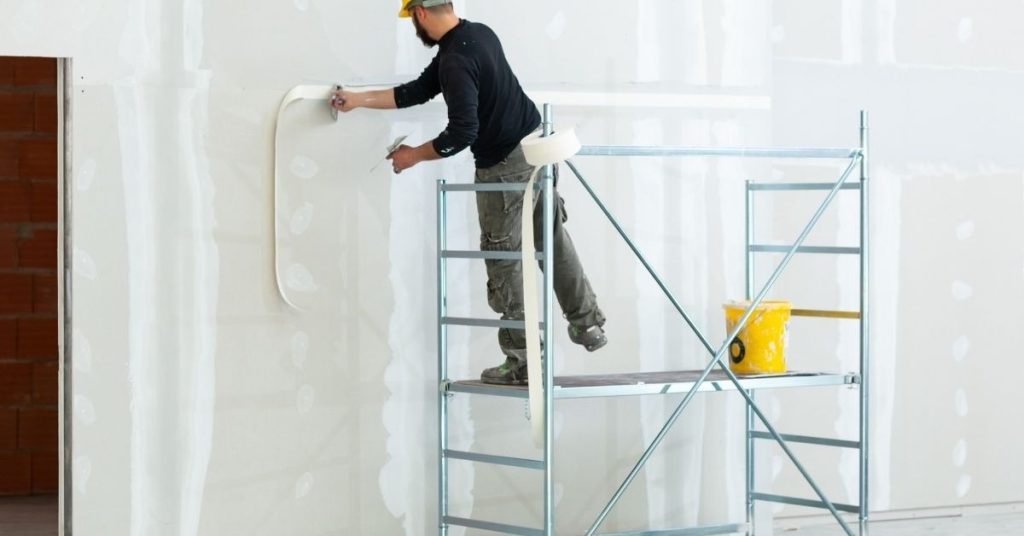
Worker applying tape to drywall seams on scaffold

Cement Board Seams: Tape + Thinset Technique That Doesn’t Create Humps

Introduction Cement board seams are the joints where panels meet and must be taped and mudded to stay flat. This article covers a practical tape plus thinset method that minimizes humps. Work with clean surfaces, use the right tape and setting compound per manufacturer instructions, and blend joints smoothly. If you’re unsure about product specs

Cement Board Seams: Tape + Thinset Technique That Doesn’t Create Humps Read More »

Yellow and black electric hammer drill on white background

Removing Tile Without Destroying the Substrate: Tool Choices and Realistic Expectations

Introduction Removing tile without destroying the substrate means lifting the tile and backing material carefully while protecting the surface underneath. Have the right tools ready, like a chisel, a pry bar, and an oscillating multi-tool with a scraper blade, and plan your work so you don’t pry blindly. Start by testing a corner tile and

Removing Tile Without Destroying the Substrate: Tool Choices and Realistic Expectations Read More »

Hand applying white grout to ceramic tiles with a grout float

Tile over Tile: When It’s Acceptable and the Surface Prep That Makes It Work

Introduction Tile over tile is acceptable when the existing tile surface is sound, clean, and properly stabilized. If the current tile is loose or cracked, or the surface is delaminating, you’ll want to address that first. This article walks you through what to check and why, in plain DIY language. First, inspect the substrate for

Tile over Tile: When It’s Acceptable and the Surface Prep That Makes It Work Read More »

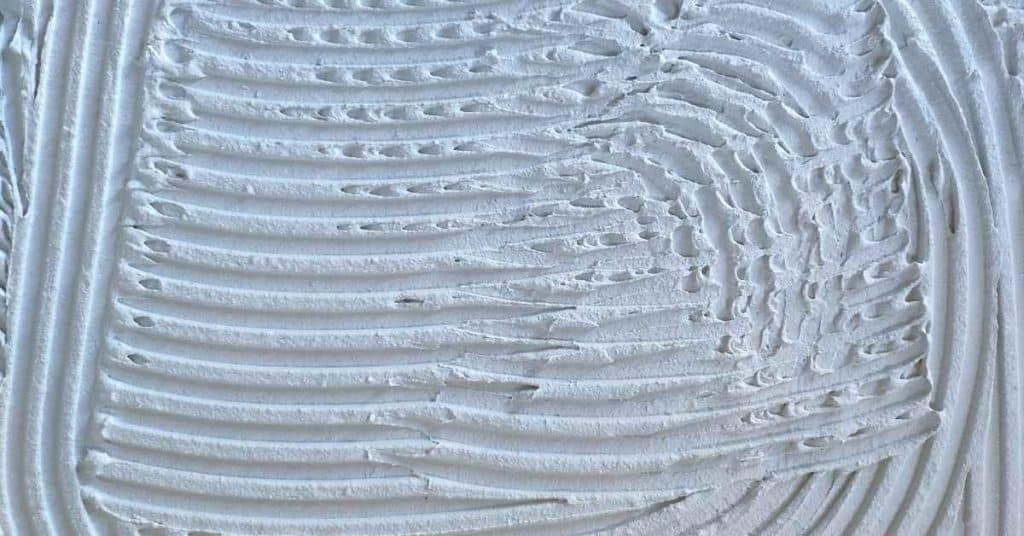
Close-up of white tile adhesive with combed lines

Setting Mosaic Sheets Straight: How to Hide Sheet Lines and Avoid “Snake” Rows

Introduction Setting mosaic sheets straight means aligning the sheets so the grout lines stay in straight, even rows and the sheet edges blend with the pattern. You’ll want a straight edge, a notched trowel, spacers, and a level, plus a method to back-butter where needed. Always check the adhesive label and tile sheet instructions for

Setting Mosaic Sheets Straight: How to Hide Sheet Lines and Avoid “Snake” Rows Read More »

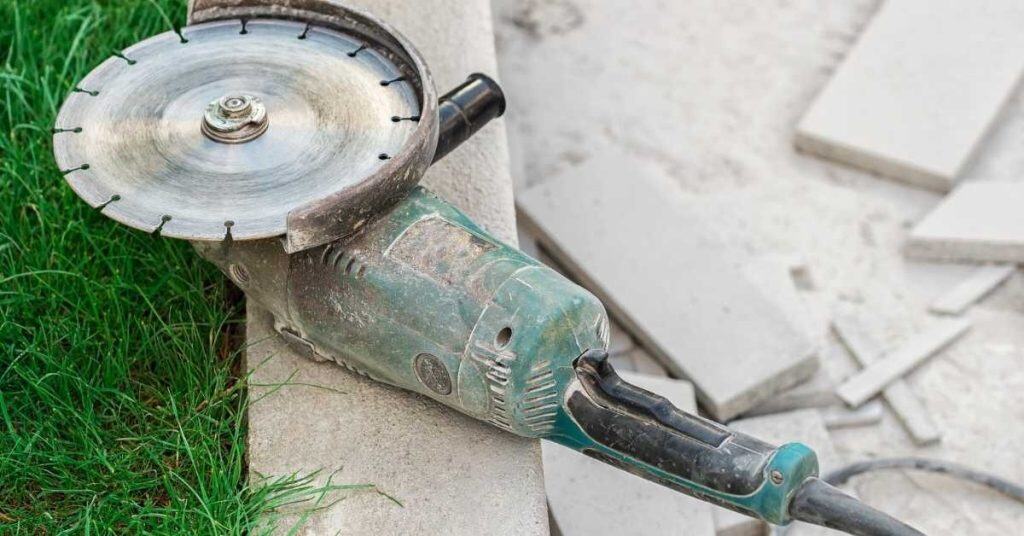
Electric angle grinder with diamond blade resting on concrete ledge

Cutting Porcelain Cleanly: Wet Saw Blade Choice and Chipping Prevention

Introduction The right blade and technique let porcelain cut cleanly without chips. A wet saw setup is the typical path, and choosing the correct blade type matters for porcelain. Always check label guidance and manufacturer instructions for your blade and water flow, and plan your cuts to minimize chipping. You have options like a manual

Cutting Porcelain Cleanly: Wet Saw Blade Choice and Chipping Prevention Read More »