Search Results for: contractors for sealing concrete floors

Close-up of blue stucco wall texture

Diagnosing Moisture Behind Stucco: Basic Probe Holes, Borescopes, and What to Look For

Introduction Diagnosing moisture behind stucco means checking for where water has crossed the exterior and is wetting the wall assembly; that can be done with basic probe holes, borescopes, and non‑invasive tools to confirm wet areas. Start by looking for staining, soft or sagging finishes, efflorescence, or indoor musty odors that suggest intrusion, and use […]

Diagnosing Moisture Behind Stucco: Basic Probe Holes, Borescopes, and What to Look For Read More »


Hand smoothing plaster on wall with trowel

Polished Lime Plaster in Wet Areas: What ‘Waterproof’ Really Means and Safe Details

Introduction Polished lime plaster in wet areas is not automatically waterproof; it’s a breathable finish that can resist splashes when detailed and sealed correctly. In practice that means treating the wall system—substrate, cement backer, membranes, and sealers—as a complete assembly rather than relying on the lime plaster alone. Check product labels and manufacturer instructions for

Polished Lime Plaster in Wet Areas: What ‘Waterproof’ Really Means and Safe Details Read More »

Blue scaffolding in front of building with white and yellow walls

Drainage Stucco vs Barrier Stucco: A Step-by-Step Timeline for DIY Inspection and Maintenance

Introduction Unsure about the stucco system on your house? Don’t let the mystery linger. With a systematic approach, you can determine if it’s drainage or barrier stucco in just a few hours. The key is to follow a clear timeline, ensuring you cover all essential steps without rushing through critical checks. Let’s dive into a

Drainage Stucco vs Barrier Stucco: A Step-by-Step Timeline for DIY Inspection and Maintenance Read More »

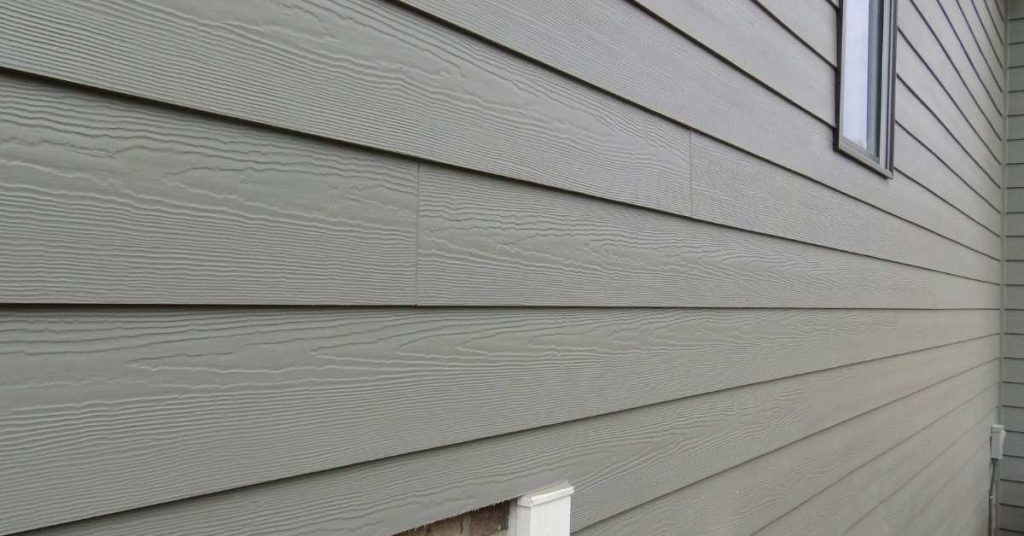
Close-up of gray fiber cement siding on house exterior

Stucco vs. Fiber Cement Siding: DIY Repairability and Long-Term Maintenance Compared

Introduction Stucco and fiber cement siding are two exterior materials, and this article compares their repairability and long-term maintenance. You’ll see practical, hands-on guidance on patching, replacing damaged sections, and what keeps these materials lasting. If a spec matters, check the product label, manufacturer instructions, and local rules before you dive in. From a DIY

Stucco vs. Fiber Cement Siding: DIY Repairability and Long-Term Maintenance Compared Read More »

Herringbone patterned wooden floor in empty room with blue walls

Bamboo Flooring Scratch Repair: Touch-Up Kits vs. Screen-and-Recoat Options

Introduction Touch-up kits and screen-and-recoat are two common ways to repair scratches on bamboo flooring. Bamboo floors are durable, but everyday wear can show scratches, especially in high-traffic areas. This guide will help you decide which method fits your situation and budget. Scratch causes include grit, furniture movement, and moisture exposure, so address the underlying

Bamboo Flooring Scratch Repair: Touch-Up Kits vs. Screen-and-Recoat Options Read More »

Hand holding grout float applying grout on mosaic tiles

Regrouting vs. Grout Refresh vs. Grout Stain: Which Fix Fits Which Problem

Introduction Regrouting, grout refresh, and grout stain are three ways to fix failing grout, each serving different needs. Regrouting means removing the old grout and putting in new grout where the joints have deteriorated. Grout refresh is a surface cleaning and sealing approach for grout that’s not structurally broken but looks dingy, while grout stain

Regrouting vs. Grout Refresh vs. Grout Stain: Which Fix Fits Which Problem Read More »

spiked roller on freshly applied epoxy floor coating

Epoxy Thinset vs. Cement Thinset: Where Epoxy Is Worth It (and where it’s trouble)

Introduction Epoxy thinset is a two‑part adhesive that uses epoxy as the binder, offering a tougher, more chemical‑resistant bond than plain cement thinset. In DIY terms, it sets slower and can be trickier to mix and apply, so it’s not always the best choice for every job. Check manufacturer instructions for mixing ratios, pot life,

Epoxy Thinset vs. Cement Thinset: Where Epoxy Is Worth It (and where it’s trouble) Read More »

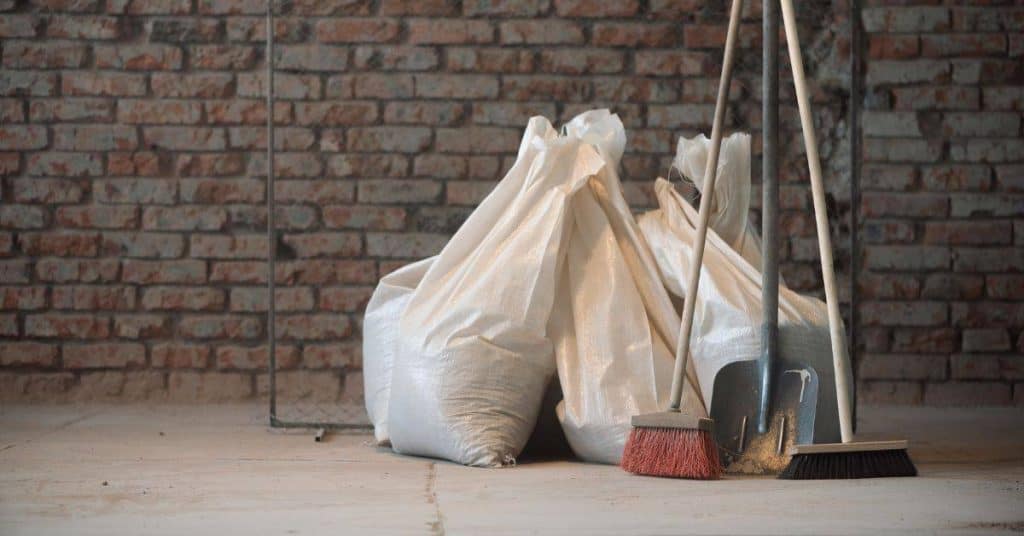
white debris bags with broom and shovel against brick wall

Plaster Dust Control for Small Jobs: Containment That Keeps Cleanup Sane

Introduction Plaster dust containment means keeping dust from plastering work from escaping the work area. It helps protect your home and makes cleanup easier. Start by setting a clear boundary and using basic barriers and cleanup habits. For a simple setup, close off the work zone, lay down plastic sheeting, and seal doorways. Use a

Plaster Dust Control for Small Jobs: Containment That Keeps Cleanup Sane Read More »

White subway tile backsplash with bowl of citrus fruits

Master Subway Tile: Layout, Cuts, and Grout for a Pro Look

Introduction Subway tile layout, cuts, and grouting describe the steps to install a classic, clean-jointed tile look. This article walks you through planning a layout, making straight cuts, and sealing joints for a professional finish. It’s a hands-on, practical guide you can tackle on a weekend. Understanding the fundamentals helps you choose the right tile

Master Subway Tile: Layout, Cuts, and Grout for a Pro Look Read More »

Hand with glove painting metal structure red with roller

Home Painting Ideas: Finishes, Features, and Common Pitfalls

Introduction Home painting ideas describe finishes, features, and common pitfalls you’ll run into when updating walls. This guide stays practical and plain-spoken, helping a DIYer plan, prep, and paint without turning it into a headache. It focuses on finishes, features you can add, and the mistakes to avoid along the way. Prepare the surface first

Home Painting Ideas: Finishes, Features, and Common Pitfalls Read More »