Search Results for: concrete staining and sealing

Open paint cans with various colors on wooden surface

Uneven Coverage With Dark Colors: Undercoats and Recoat Strategy

Introduction Uneven coverage with dark colors happens when undercoats and topcoats don’t lay down evenly, leaving visible patches and color shifts. That’s usually tied to how you prep, prime, and apply the coats. A careful, consistent plan helps you avoid mottling and streaks on the final finish. Start by choosing a primer and undercoat strategy […]

Uneven Coverage With Dark Colors: Undercoats and Recoat Strategy Read More »

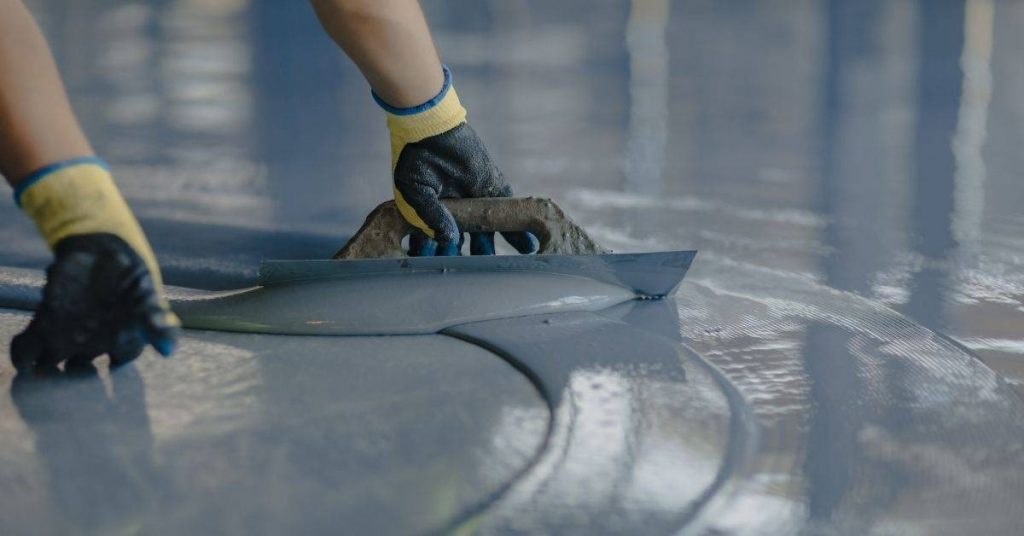
Spiked roller on wet gray epoxy floor coating

Surfactant Leaching on Fresh Paint: Why Brown Drips Appear and How to Clean Them

Introduction Surfactant leaching is when soap-like compounds in the paint migrate to the surface and leave brown drips. You’ll see streaks or darker specks after a fresh coat as these materials rise to the top. If you notice this, check the paint label and follow the manufacturer guidance for compatible primers and topcoats. To fix

Surfactant Leaching on Fresh Paint: Why Brown Drips Appear and How to Clean Them Read More »

Person painting a wooden frame with a yellow brush

Painting Over New Joint Compound: Sealing Porosity to Prevent Flashing

Introduction Sealing porosity in joint compound means treating the surface so paint sits evenly and doesn’t soak in. This helps prevent flashing and uneven color when you apply primer and paint. Prepare the surface well and choose a compatible primer based on what the joint compound needs, according to the product label. Start with thorough

Painting Over New Joint Compound: Sealing Porosity to Prevent Flashing Read More »

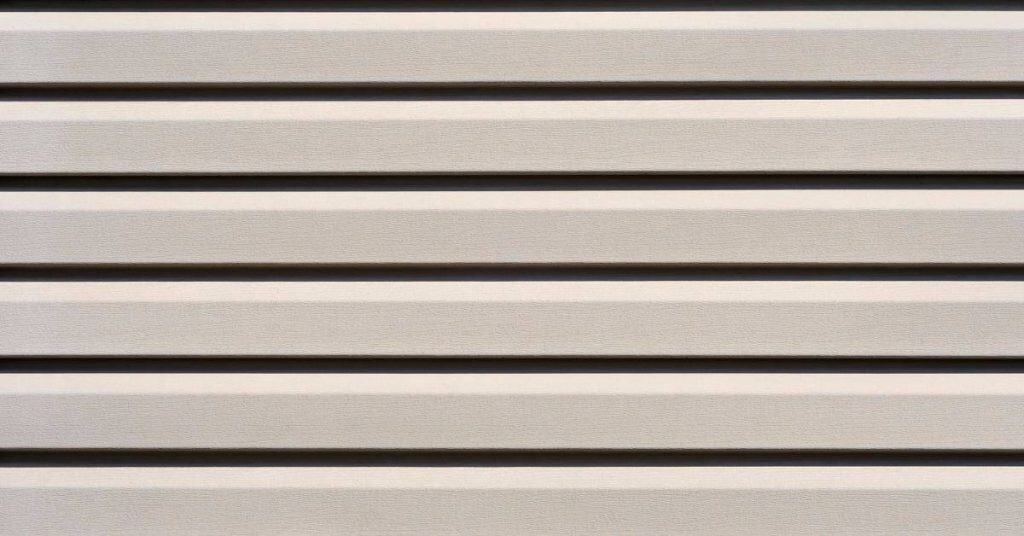
Close-up of horizontal lap siding painted beige

Paint Telegraphing: Why Old Repairs Show Through and How to Hide Them

Introduction Paint telegraphing is the visible outline or pattern of old repairs showing through fresh paint. It happens when the underlying repairs or textures are different from the surrounding wall. In this article we’ll cover why it happens and how to reduce or hide it during a DIY repaint. Causes include uneven patches, old joint

Paint Telegraphing: Why Old Repairs Show Through and How to Hide Them Read More »

Hand painting wall corner with roller

Wall Painting Checklist: What to Inspect, Measure, and Repair for a Lasting Finish

Introduction Wall painting checklist is a practical, step-by-step guide to inspect, measure, and repair walls before painting. It helps you spot cracks, peeling paint, stains, and uneven surfaces so you can plan the work. Use it to map prep steps, materials, and timelines so the finish lasts longer. If permits apply in your area, check

Wall Painting Checklist: What to Inspect, Measure, and Repair for a Lasting Finish Read More »

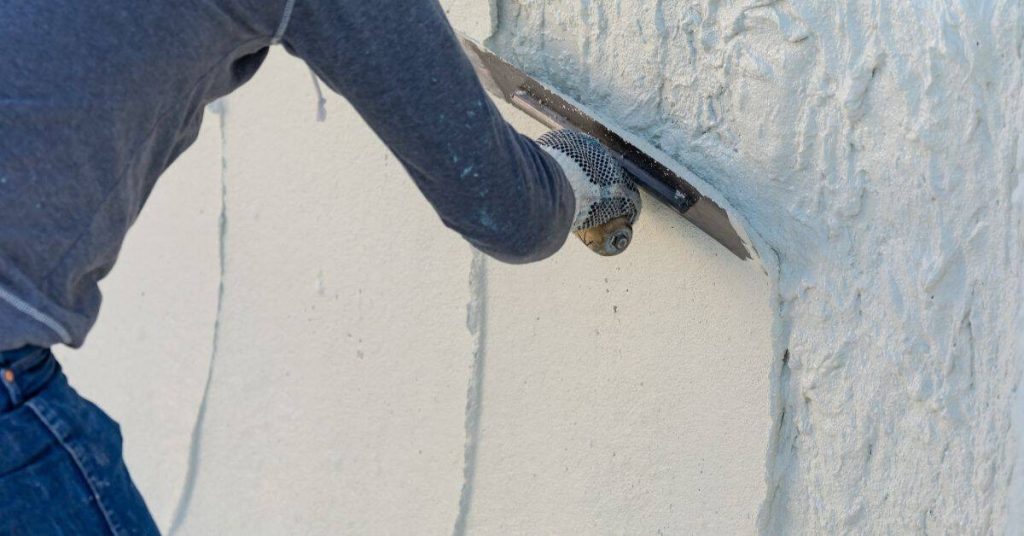
Person smoothing wet stucco on wall with trowel

Decorating Stucco Siding: Safe Ways to Hang, Mount, and Upgrade

Introduction Decorating stucco siding means safely hanging, mounting, and upgrading items on stucco surfaces. This article shares practical methods and the checks you should make before you start. Stucco is a exterior finish that requires the right fasteners and proper installation. From stucco screws and anchors to hot-melt glue and adhesive strips or hooks, we’ll

Decorating Stucco Siding: Safe Ways to Hang, Mount, and Upgrade Read More »

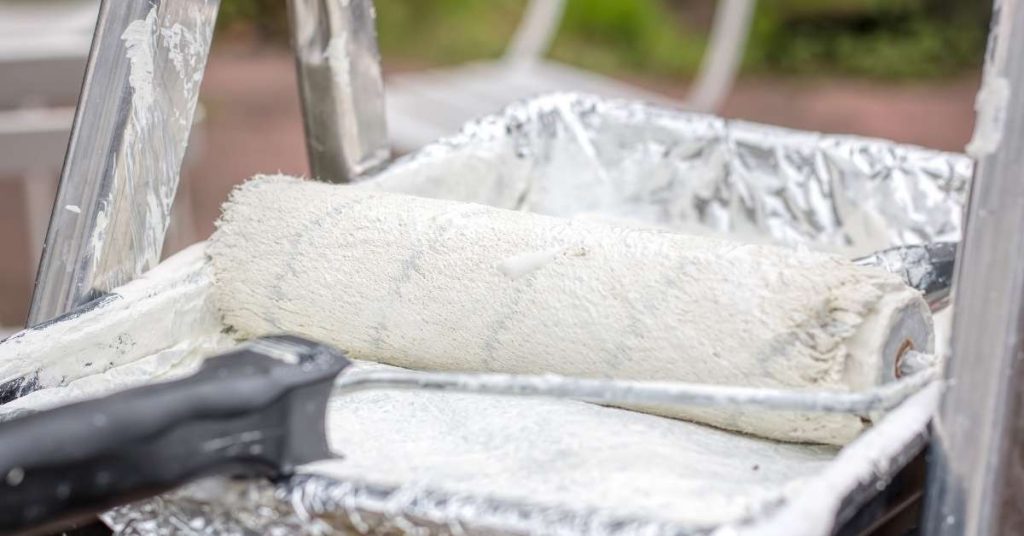
White paint roller resting in foil-lined paint tray

How to Store Leftover Paint: Temperature, Skin Prevention, and Reuse Checks

Introduction Leftover paint should be stored properly to keep it usable for future projects. Aim for a cool, dry spot with stable temperatures and away from direct heat or freezing conditions, and follow the storage range stated on the label. If unsure, check the manufacturer instructions and local rules for safe storage. Keep the can

How to Store Leftover Paint: Temperature, Skin Prevention, and Reuse Checks Read More »