Search Results for: 120 mortar

Drilling and Epoxying Dowels: Hole Cleaning Steps That Actually Make It Hold

Drilling and Epoxying Dowels: Hole Cleaning Steps That Actually Make It Hold

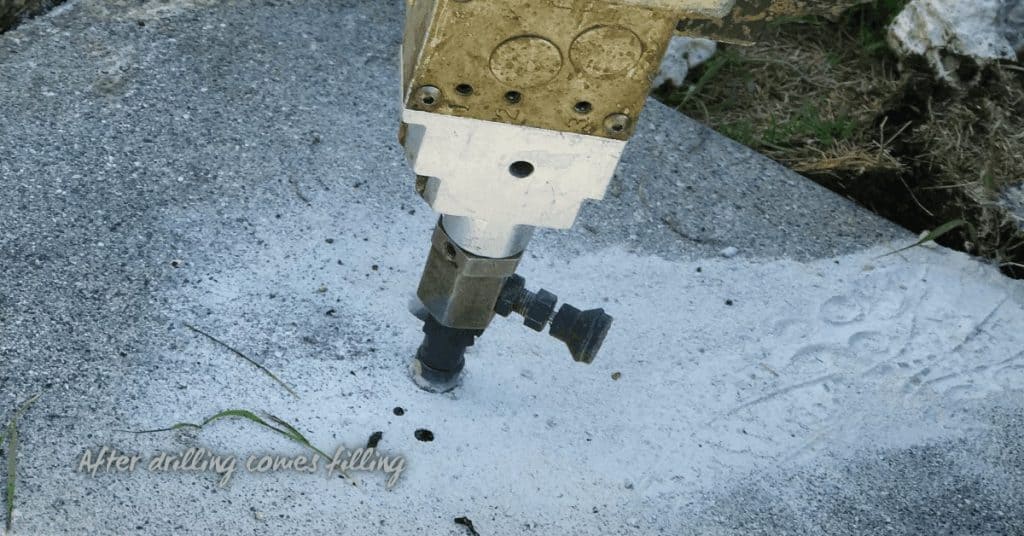
Introduction Before diving into dowel and epoxy repairs, you need to understand the basics. This method is ideal for fixing damaged concrete where strength and load-bearing capacity are essential. Proper preparation and execution can make all the difference between a lasting repair and a quick failure. Key takeaways Clean hole debris thoroughly to maximize epoxy […]

Drilling and Epoxying Dowels: Hole Cleaning Steps That Actually Make It Hold Read More »
Weep Screed Retrofits: What You Can Do When One Was Never Installed

Weep Screed Retrofits: What You Can Do When One Was Never Installed

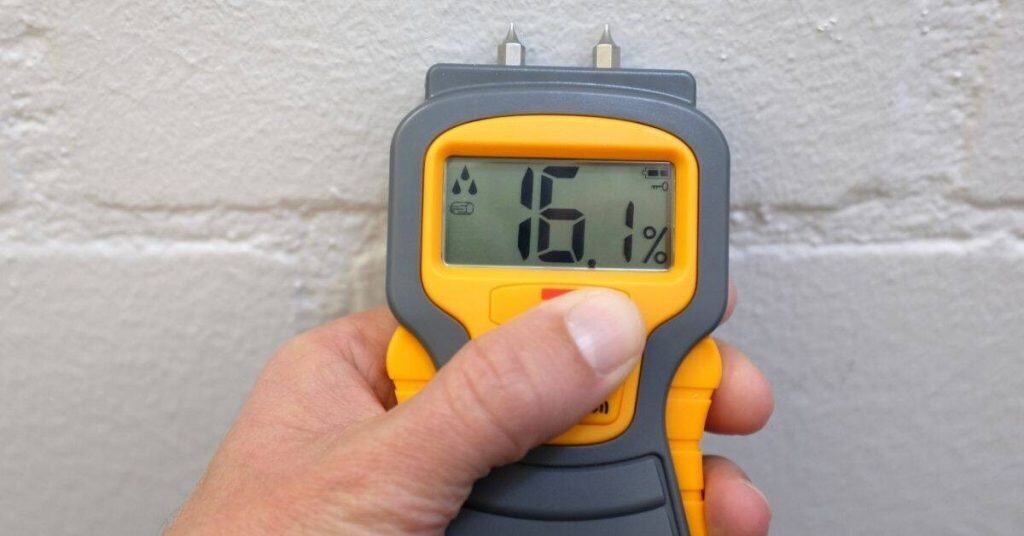
Introduction A weep screed retrofit can protect your foundation and moisture management even if one was never installed. You’ll learn how to assess your walls, choose a retrofit approach, and apply practical steps and tips to improve drainage and siding performance. Key takeaways Verify exterior walls lack a weep screed before planning retrofit scope. Obtain

Weep Screed Retrofits: What You Can Do When One Was Never Installed Read More »

Casing Bead Vs J-Bead Vs L-Bead: Where Each Belongs Around Openings

Casing Bead Vs J-Bead Vs L-Bead: Where Each Belongs Around Openings

Introduction Casing bead, J-bead, and L-bead each serve different roles around openings, so choosing the right one improves fit, protection, and finish. This guide explains when to use each bead type and walks through practical tips, common installation scenarios, and rules of thumb you can apply on real projects. You’ll learn how to assess reveals,

Casing Bead Vs J-Bead Vs L-Bead: Where Each Belongs Around Openings Read More »

Outside Corners: When Corner Bead Fails and How to Rebuild the Corner Straight

Introduction Outside corners should be rebuilt straight when the corner bead fails. The article explains the practical steps to assess damage, remove the damaged bead, reestablish a true corner, and reapply mud and new bead so you end up with a clean, durable edge. Key takeaways Inspect for hairline cracks and rust, replace damaged corner

Outside Corners: When Corner Bead Fails and How to Rebuild the Corner Straight Read More »

Matching Sand Gradation for Repairs: Why the Same Mix Still Looks Different

Matching Sand Gradation for Repairs: Why the Same Mix Still Looks Different

Introduction Even with the same sand mix, a repair can look different from the surrounding material. You’ll learn how particle size (gradations), moisture, curing, and placement affect appearance and how to adjust your mix, batch timing, and finishing approach to get a closer match. Key takeaways Gradation affects color, texture, and workability of lime mortars

Matching Sand Gradation for Repairs: Why the Same Mix Still Looks Different Read More »

Reattaching Loose Plaster Without Full Demo: Washers Vs Adhesive Methods

Reattaching Loose Plaster Without Full Demo: Washers Vs Adhesive Methods

Introduction Reattaching loose plaster can be done without a full demolition by choosing between washers and adhesive methods. You’ll learn how each approach works, what signs indicate a repair is appropriate, and practical steps you can follow to secure plaster safely and effectively. The guide walks through common materials, simple checks, and general tips to

Reattaching Loose Plaster Without Full Demo: Washers Vs Adhesive Methods Read More »

Fixing “loose but Not Falling” Plaster: Stopping Movement Before You Skim

Fixing “loose but Not Falling” Plaster: Stopping Movement Before You Skim

Introduction Fixing loose but not falling plaster stops movement and prevents further damage. The guide walks through practical steps, tips, and simple checks you can perform to stabilize plaster and plan safe skim repairs. Key takeaways Tap plaster to distinguish hollow vs solid areas; note any creaking. Inspect cracks, bonding failures, and substrate movement before

Fixing “loose but Not Falling” Plaster: Stopping Movement Before You Skim Read More »

Blending New Plaster into Old: Feathering Edges so the Patch Disappears

Blending New Plaster into Old: Feathering Edges so the Patch Disappears

Introduction Feathering edges when blending new plaster into old makes the patch disappear. You’ll learn how to feather edges for a seamless transition, what materials and techniques work best, and practical tips for matching texture and color so repairs look like part of the wall. Key takeaways Assess patch area, feathering only when old plaster

Blending New Plaster into Old: Feathering Edges so the Patch Disappears Read More »

Coverage Checks: How to Pull a Tile and Know If You’re Actually Doing It Right

Coverage Checks: How to Pull a Tile and Know If You’re Actually Doing It Right

Introduction You can know if you pulled a tile correctly by verifying coverage and proper adhesion. The guide walks through practical steps, common signs of good and bad installs, and simple rules of thumb to help you assess a tile pull on the job. Key takeaways Plan a careful tile pull after curing to prevent

Coverage Checks: How to Pull a Tile and Know If You’re Actually Doing It Right Read More »

Back-Buttering When It Matters: Large-Format Tile Vs Small Tile Reality

Back-Buttering When It Matters: Large-Format Tile Vs Small Tile Reality

Introduction Back-buttering is essential for large-format tiles to prevent hollow spots and reduce lippage. The guide explains when back-buttering matters, how to determine proper coverage, and practical steps you can apply to both large-format and small tiles. You’ll learn how to mix and apply adhesive correctly, how to back-butter tile backs and substrates, and how

Back-Buttering When It Matters: Large-Format Tile Vs Small Tile Reality Read More »