Search Results for: 10 INCH ROUND CONCRETE

Closeup of painted wooden siding in gray color

Breathable Paint for Stucco: Choosing coatings that don’t trap moisture

Introduction Breathable paint for stucco lets moisture escape from the wall while protecting it from rain. As a DIYer, you want a coating that pins water to the surface but doesn’t trap it inside. Apply it with the right surface prep and follow the label for best results. When choosing coatings, look for breathable or […]

Breathable Paint for Stucco: Choosing coatings that don’t trap moisture Read More »

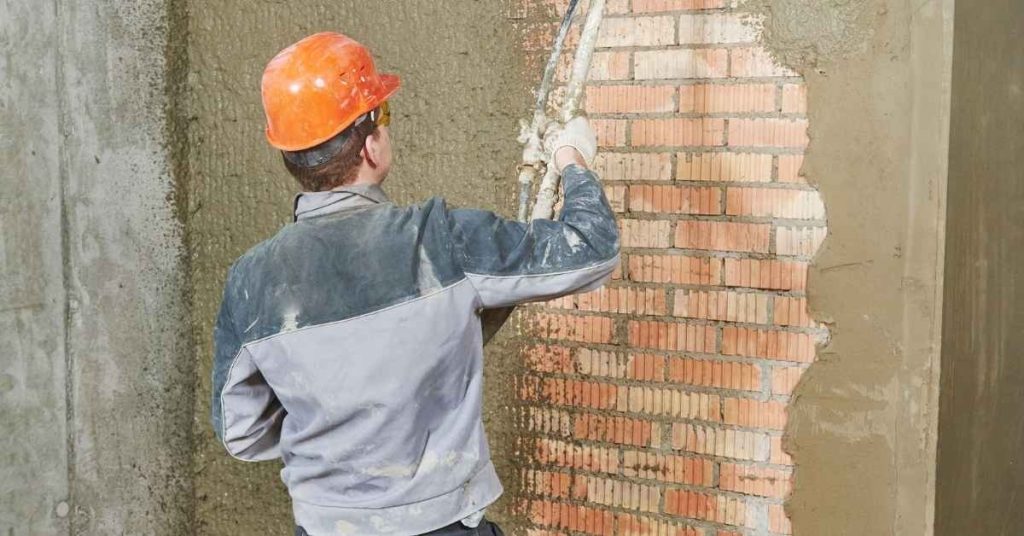
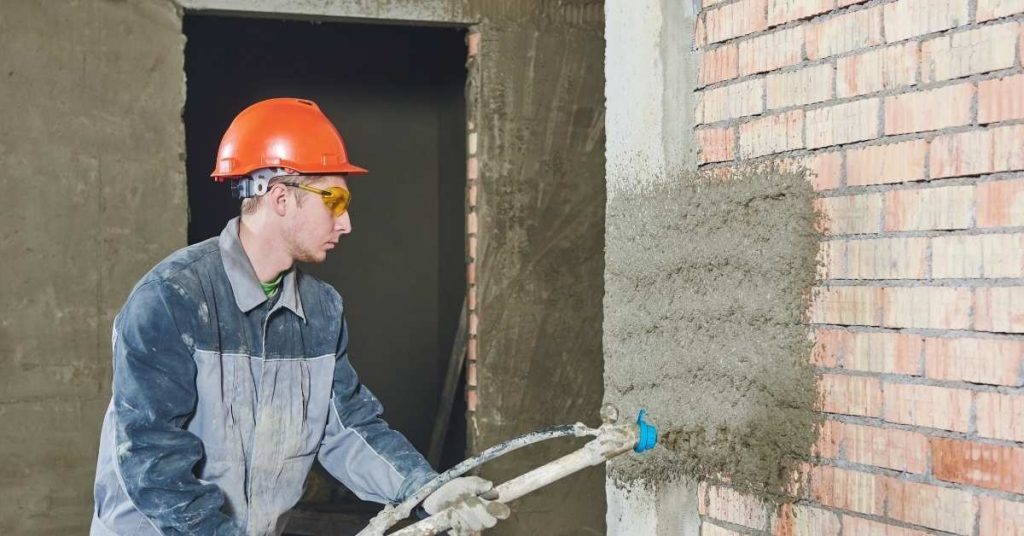
Worker applying stucco to brick wall wearing orange helmet

Rain Exposure on Fresh Stucco: What to do if it gets wet too soon

Introduction Wet stucco early can trap moisture and lead to a softer, compromised surface. If rain hits fresh stucco, you should assess the surface for shine, tackiness, or any cracking. Do not rush to finish or apply additional coats until you understand the current condition and what the material needs. If rain is still possible,

Rain Exposure on Fresh Stucco: What to do if it gets wet too soon Read More »

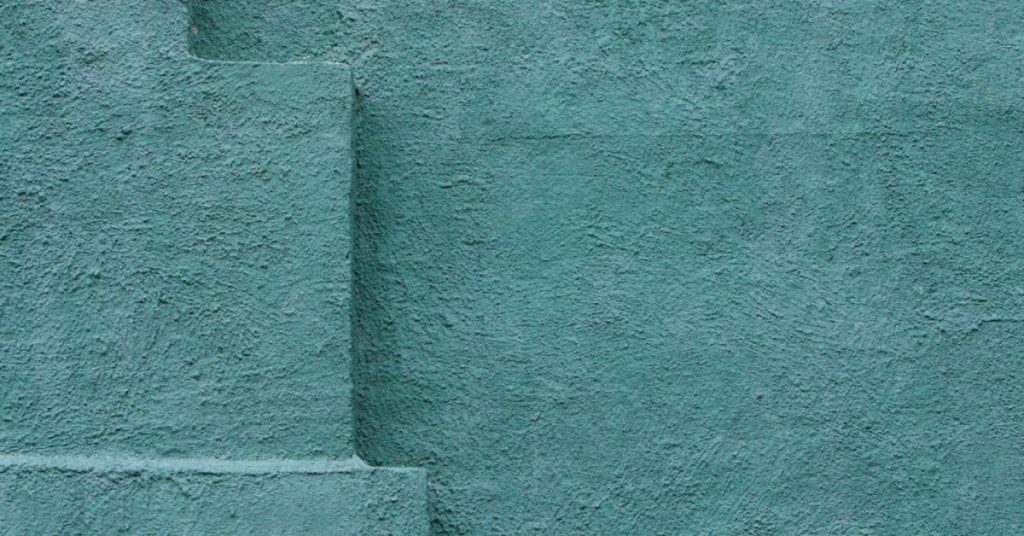
Close-up of blue stucco wall texture with slight indentations

Stucco Texture Repair After Pressure Washing Damage: How to rebuild the finish

Introduction This is the process of rebuilding a damaged stucco texture after pressure washing. You’ll assess the damage, prepare the surface, and re-apply texture to match the rest of the wall. Work in small sections and let your patch dry before finishing. Prepare the area by cleaning loose material and dampening the surface, then apply

Stucco Texture Repair After Pressure Washing Damage: How to rebuild the finish Read More »

Hand in yellow glove cleaning blue surface with cloth

Cleaning Venetian Plaster: Safe methods that don’t dull the sheen

Introduction Cleaning Venetian plaster is removing dirt without dulling the sheen. Start with mild, gentle cleaners and a soft cloth or sponge, and test any method on a small hidden area first. Use light pressure and rinse with clean water, then dry with a soft, non-abrasive towel; avoid harsh scrubbing or abrasive tools to protect

Cleaning Venetian Plaster: Safe methods that don’t dull the sheen Read More »

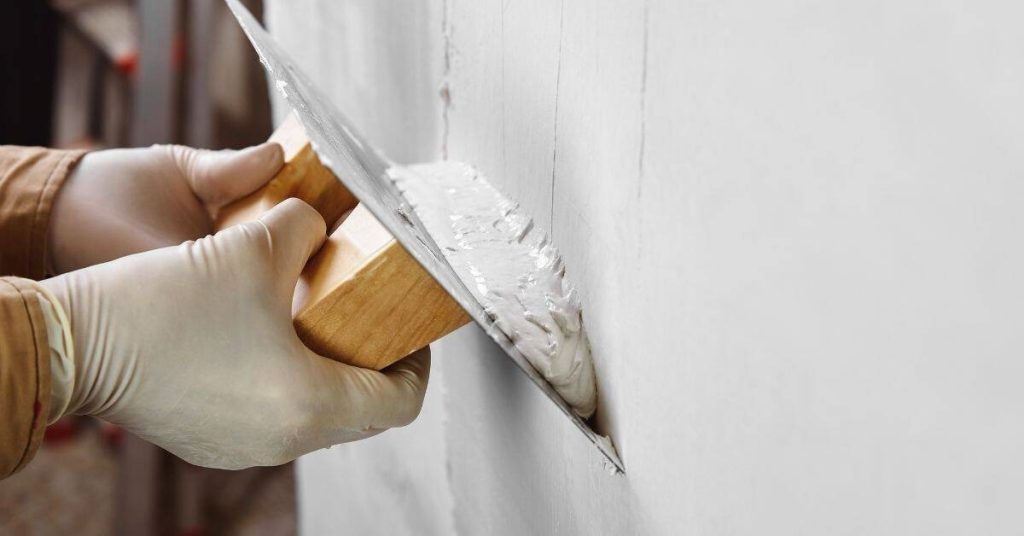
Hands applying plaster on wall with trowel

Pinholes in Venetian Plaster: Causes and application tweaks to prevent them

Introduction Pinholes in Venetian plaster are small surface holes that appear when the plaster or glaze dries with trapped air. They usually come from air pockets formed during mixing, application, or drying, especially if coats are too thick or work is too wet. Filling them after the fact is harder than preventing them. To prevent

Pinholes in Venetian Plaster: Causes and application tweaks to prevent them Read More »