
Introduction
Sagging plaster ceilings can be stabilized temporarily by using washers under fasteners to pull the plaster back up. This is a short-term fix that can buy time while you plan a more permanent repair. Make sure you’re hitting solid framing, not just flaky plaster.
Strapping is usually the smarter long-term approach when the ceiling is sagging beyond a simple repair. It involves attaching lightweight wooden or metal strapping across the ceiling to re-anchor the plaster or lath and create a solid base. Check the product labels, installation instructions, and local rules before you start, and use safe spans or spacing as guidance.
Key takeaways
- Wear eye protection and dust mask before drilling or tapping plaster.
- Inspect plaster for hollow patches; tapping can reveal loose sections safely.
- Washers can temporarily tighten but may not fix structural sag long-term.
- Strapping is often smarter for widespread sag under heavy ceiling loads.
- Document existing plaster thickness and lath to plan proper repairs.
- Get local code guidance and manufacturer instructions before any repair method.
Table of Contents
- Introduction
- Key takeaways
- How Plaster Ceilings Sag — Causes and Failure Modes
- Safety, Hazards, and When Not to DIY
- Washer Repairs Explained — What Washers Do and When They Help
- Step-by-Step Guide: Fixing a Sagging Patch with Washers
- When Strapping Is the Smarter or Necessary Solution
- Step-by-Step Guide: Installing Ceiling Strapping and New Lining
- Material Specs, Standards, and Visual Checkpoints
- Cost, Time, and Decision Matrix: DIY Vs Hiring a Pro
- Conclusion
- FAQ
How Plaster Ceilings Sag — Causes and Failure Modes
Plaster ceilings sag when the bond between layers weakens or the substrate shifts. You’ll often see delamination where the plaster pulls away from the backing but remains attached to the lath or nails. Whole-sheet sag indicates the entire panel is pulling down, while lath failures point to loose or failed lath support behind the plaster.
Environmental factors like moisture or humidity, temperature cycles, and vibration from structural movement also contribute. Distinguish between delamination, whole-sheet sag, and lath failures by inspecting how the surface separates and where the movement begins. Always verify the condition with a careful poke test and observe any signs of movement over time.
Common causes (age, moisture, movement)
Plaster ceilings sag due to several common reasons. First off, age is a big factor. Over time, the plaster and laths dry out and lose their flexibility.
Moisture also plays a significant role. Water damage can cause the plaster to swell and expand, putting stress on the laths and causing them to sag. Even high humidity levels can contribute to this problem.
Structural movement is another common culprit. Houses settle over time, and this movement can cause the ceiling to sag. Additionally, thermal expansion and contraction of the structure can also lead to plaster ceilings sagging.
How plaster is attached (lath, keying, plasterboard layers)
Plaster ceilings are typically attached to laths, which are thin strips of wood or metal that provide a surface for the plaster to adhere to. The plaster keys into the grooves in the laths, providing a strong bond.
In some cases, especially with older constructions, you might find multiple layers of plasterboard. If these layers aren’t properly secured or if they’ve dried out over time, they can sag under their own weight.
Different attachment methods and layering can fail differently. For instance, if the laths are loose or damaged, the plaster can detach from them, leading to delamination. On the other hand, if the layers of plasterboard aren’t properly supported, they can sag as a whole.
Identifying the failure mode (delamination vs structural sag)
To fix your sagging ceiling, you first need to identify what’s causing it. The two main types of failures are delamination and structural sag.
Delamination occurs when the plaster detaches from the laths or the ceiling surface. You’ll see cracks in the plaster, often with pieces falling off. To confirm this, try gently tapping the ceiling. If it sounds hollow, it’s likely delaminating.
On the other hand, structural sag is when the entire ceiling sags due to a problem with the joists or structure. This is often accompanied by cracks in the corners of the room where the walls meet the ceiling. To check for this, try gently pushing on the ceiling. If it feels spongy or gives way, you’ve got a structural sag.
Safety, Hazards, and When Not to DIY
Ceiling work carries collapse risk, especially if the plaster is cracked or already pulling away. If you hear loud creaks or see sagging that worsens, treat it as a potential emergency. Electrical and plumbing lines run above ceilings, so assume there may be hazards behind any disturbed area.
Shoring or pro help is warranted when the structure feels unstable or you lack safe access. When in doubt about the integrity of the ceiling or the presence of live lines, pause and call a qualified professional. Check local rules and manufacturer guidance before proceeding with any risk-prone approach.
Structural red flags requiring an engineer or contractor
Safety first, mate. If you see any of these signs, don’t DIY, call a pro.
Progressive spreading cracks – especially around windows and doors, that’s a no-no. They’re getting bigger over time? That’s a red flag.
Joist deflection – if you see your ceiling sagging in the middle of a joist span, it’s not just age, it’s trouble. Get an engineer to check.
And large unsupported spans, more than 12 feet? That’s asking for trouble. Better safe than sorry, call a contractor.
Asbestos, lead, and other hazardous materials
Older homes can hide nasty surprises. Don’t touch those finishes until you know what’s in ’em.
- Asbestos – if your home was built before 1980, it might have asbestos. Get a test kit from the hardware store, follow the instructions to the T. If it’s positive, call an abatement pro.
- Lead paint – same deal with homes built before 1978. Test first, then hire a certified lead-safe contractor for removal.
- Fiberglass insulation – it’s not as dangerous as asbestos or lead, but it can still cause skin and lung irritation if you’re not careful. Wear gloves and a mask when handling it.
- Mold – black spots on your ceiling? That’s mold. It can make you sick, so don’t disturb it. Get a test kit, then hire a pro for removal.
- Asphalt shingles – they might have asbestos in the felt paper. Again, test first, then hire a pro if needed.
Temporary measures and emergency support
If your ceiling’s sagging bad, you need to make it safe now. Here’s how:
Shoring – use 2x4s or 2x6s to prop up the ceiling from below. Rest them on sturdy furniture or support brackets. Don’t let anyone lean on ’em.
And make the area safe. Clear out any furniture, keep people away until you can get a permanent repair done. If it’s really bad, evacuate and call a pro right away.
Remember, these are just temporary fixes. You need to get that ceiling repaired or replaced ASAP. Don’t DIY if you’re not sure, call a contractor.
Washer Repairs Explained — What Washers Do and When They Help
Plaster washers act as anchors that pull a delaminated layer back toward the substrate. They help re-seat a loose patch by applying controlled force against the ceiling material. The goal is to transfer load from the weakened surface to a solid backing.
Washers are useful for small, localized delamination or sagging patches where the substrate behind is still sound. If the backing is compromised or the area is large, consider alternative repairs. Always follow label directions and verify compatibility with your plaster and lath system.
Types of washers and anchors
Washers and anchors are your tools to stabilize sagging plaster ceilings. Here’s what you need to know:
Plaster Washers: These are thin, round metal discs with a hole in the middle. They’re used to secure loose or delaminated plaster back to its substrate (usually lath or drywall).
Expansion Anchors: For ceilings with no lath, use expansion anchors. They have a sleeve that expands into the substrate when you tighten the screw.
Substrate Matters: Plaster washers work best on lath or drywall. Expansion anchors are for solid substrates like concrete or brick.
How washer repairs address delamination versus whole-sheet sag
Washers can fix some, but not all, plaster ceiling issues. Here’s what they can and can’t do:
Delamination: This is when the plaster layer peels away from its substrate. Washers can pull this loose layer back and secure it.
They work by screwing through the delaminated plaster into the substrate, pulling it tight. Use them every 6-12 inches along the sagging area.
Whole-Sheet Sag: If your entire ceiling is sagging, washers won’t help. This indicates a structural issue that needs more serious reinforcement.
Expected durability and limitations
Washers can provide a long-term fix, but it depends on the cause of the sag:
Moisture-Free Environment: In dry conditions, washer repairs can last for decades. The plaster stays secure, and there’s no rust on the screws.
Underlying Movement: If the sag is due to underlying movement (like settling foundations), washers might only provide a temporary fix. The ceiling may continue to move, stressing the washers and causing them to fail.
Regular Inspection: Even with the best conditions, inspect your repairs regularly. If you see any signs of further sagging or plaster cracking, address it promptly.
Step-by-Step Guide: Fixing a Sagging Patch with Washers
Start with a calm assessment of the area and identify the patch boundaries. Prepare the site by protecting surroundings and clearing loose material. Mark anchor points and check the underlying structure before drilling.
Install washers and fasteners per the product instructions, then test the patch for stability. Clean up any debris and finish with appropriate patching or skim coats. Perform visual and tactile checks to ensure a solid, level result before final finishing.
Step-by-Step Repair Process
This step-by-step guide walks you through fixing a sagging plaster ceiling patch using washers, from prep to finish.
- Safety first: Turn off power at the main panel. Wear safety glasses and gloves.
- Assess damage: Identify the size of the sag and its cause (delamination vs structural).
- Prepare surface: Lightly sand the area to create a key for the patching compound. Vacuum away dust.
- Mark anchor points: Using a stud finder, mark where you’ll attach washers. Drill pilot holes.
- Apply patching compound: Spread compound over the sag, embedding it into the pilot holes. Allow it to dry according to manufacturer’s instructions.
- Attach washers: Securely fasten washers using appropriate screws and anchors. Tighten just enough to level the ceiling.
- Sand and prime: Lightly sand the patched area, then apply a primer suitable for your final finish.
- Final check: Inspect your work from below. Ensure the patch is level and secure before painting or skim-coating.
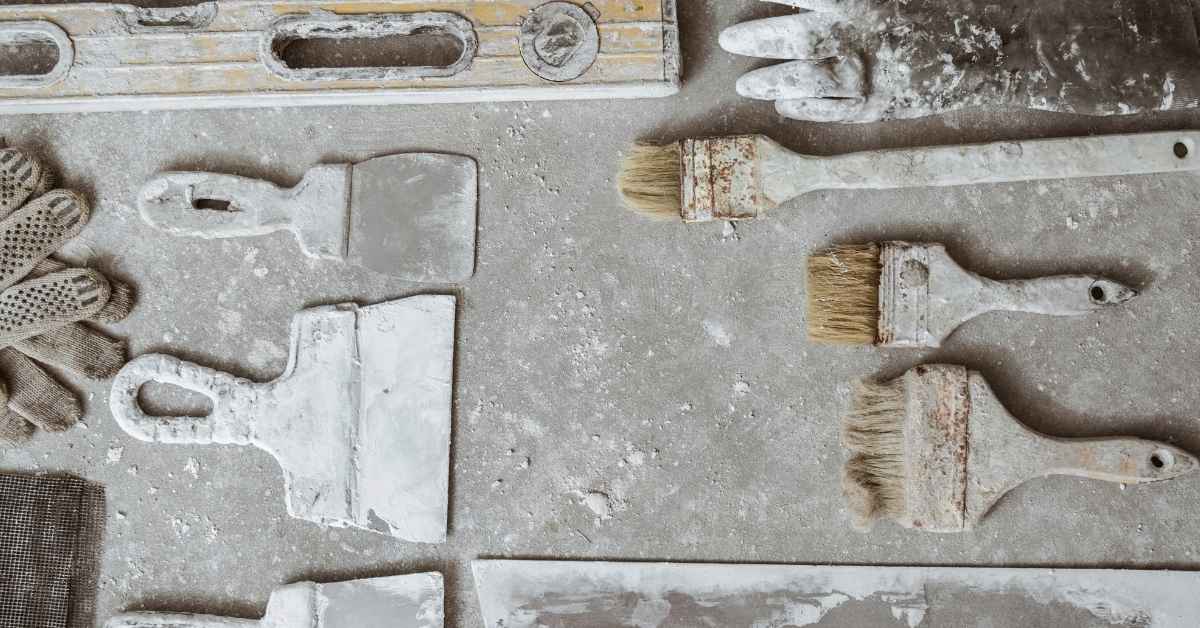
Tools and materials checklist
Before starting, ensure you have all necessary tools and materials to complete the job safely and effectively.
- Safety gear: Safety glasses, gloves, dust mask, and old clothes.
- Drill: A cordless drill with a suitable bit for your screws. Check it’s charged and in good working order.
- Screws: Appropriate length and type (e.g., drywall or wood screws) based on your backing material. Ensure they’re long enough to penetrate the stud.
- Washers: Check they match your screw size and provide adequate support for your ceiling weight.
- Patching compound: Choose one suitable for your ceiling type (e.g., drywall or plaster). Verify it’s fresh and mixed correctly.
- Sandpaper: Medium-grit sandpaper for keying the surface. Check it’s not too coarse to damage the surrounding area.
- Stud finder: Ensure it works properly by testing on a known stud before starting.
- Primer: Choose one suitable for your final finish. Verify it’s fresh and well-mixed.
- Screwdriver bits: If using a drill with interchangeable bits, ensure you have the correct bit for your screws.
Quick rule: Always check tools and materials before starting to avoid mid-job trips to the store.
Locating and marking attachment points
Finding secure backing is crucial for a successful repair. Here’s how to locate and mark anchor positions safely and effectively.
Start by using a stud finder to locate the ceiling joists or wall studs behind your sagging patch. Mark these with a pencil. If you’re unsure, use a multi-purpose stud finder that detects both wood and metal.
Rule of thumb: If you can’t find a joist or stud, consider using toggle bolts or molly anchors for added support.
Once you’ve located your anchor points, mark them with a pencil. Ensure they’re evenly spaced to distribute the weight of the ceiling patch evenly. Drill pilot holes at these marks to prevent the screws from cracking the drywall when you attach the washers.
Fastening technique and finishing
Properly seating the washer and avoiding over-tightening are crucial for a successful repair. Here’s how to fasten your washers and finish the surface.
Start by placing the washer against the ceiling, aligning it with your pilot hole. Insert the screw through the washer and into the pilot hole. Using a drill, slowly tighten the screw until the washer is securely seated against the ceiling. Be careful not to over-tighten, as this can cause the drywall to crack or the screw to strip.
Tip: If you feel resistance but the screw isn’t tightening, back it out slightly and retry. This can help prevent stripping the screw head.
Once all washers are securely fastened, lightly sand any raised edges using fine-grit sandpaper. Wipe away dust with a damp cloth, then apply a primer suitable for your final finish. Allow the primer to dry according to manufacturer’s instructions before painting or skim-coating.
When Strapping Is the Smarter or Necessary Solution
Strapping introduces new framing to support a larger area of the ceiling. It can stabilize weak plaster and provide a solid base for resurfacing. This approach is often preferable for extensive sagging or damaged ceilings.
Strapping also helps when upgrading ceiling performance or aligning multiple planes. Compare the extent of failure and the long-term goals with the scope of work and local requirements. Check manufacturer guidance and local codes to determine if this method fits your situation.
Benefits of strapping vs. washer repairs
Strapping, also known as resurfacing or adding new framework, offers several advantages over washer repairs.
Structural stability: Strapping provides a complete new support system for your ceiling, distributing weight evenly and preventing further sagging or failure. Washers only reinforce existing screws or nails.
Leveling: When multiple areas are affected, strapping allows you to level out the entire ceiling, creating a smooth, even surface. With washers, you’re limited to addressing individual problem spots.
Insulation and services: Strapping creates an opportunity to add or upgrade insulation, improving energy efficiency. It also provides a clean plane for running wiring, HVAC ducts, or other services.
Situations that call for full strapping or re-ceiling
Full strapping or even a complete ceiling replacement may be necessary in certain situations.
Multiple failed areas: If several spots on your ceiling are sagging, it’s often more cost-effective and structurally sound to strap the entire surface rather than patching each area individually.
Composite layer problems: If your ceiling has multiple layers (like plaster over lath), strapping can help address issues with delamination or weak points between these layers. In some cases, it might be best to remove and replace the entire ceiling.
Persistent moisture/structural movement: Strapping can help mitigate damage from ongoing moisture problems or structural shifts in your home’s foundation. However, if these issues are severe, a professional engineer may need to assess the situation.
How strapping affects ceiling height, insulation, and services
While strapping offers many benefits, it’s important to understand how it can impact your ceiling’s height, insulation, and service capabilities.
Ceiling height: Adding new framework will reduce your ceiling height by the thickness of the new material. This might be a concern in rooms with low ceilings or where headroom is already tight.
Insulation: Strapping provides an opportunity to improve insulation, but it also reduces the effective R-value (insulation rating) due to the added depth. You may need to use thicker insulation or consider other energy-efficient strategies.
Services: Strapping creates a clean plane for running services like wiring, HVAC ducts, or plumbing. However, it can also make these services more difficult to access if you ever need to perform maintenance or repairs in the future.
Step-by-Step Guide: Installing Ceiling Strapping and New Lining
Plan the layout to achieve even support across the ceiling. Locate structural members and plan fastener points accordingly. Gather materials and confirm compatibility with your existing ceiling system.
Attach battens or straps to the structure, ensuring they are level and securely fixed. Install new plasterboard or lining, then tape, fill, and sand as needed. Inspect for straightness and uniform finish before final decoration.
Step-by-Step Installation Process
Now that your ceiling is prepped, let’s install the strapping and new lining. This sequence will give you a solid, safe ceiling.
-
Start by measuring: Mark out where your ceiling joists are. They’re usually every 16″ or 24″.
Why it matters: This ensures your strapping goes where it’s strongest.
Check: You should see clear lines on your ceiling. -
Cut the strapping: Cut 2x4s to fit between your joists, plus an extra 1.5″ for each end.
Why it matters: This gives you something to nail into.
Check: Your cuts should be clean and straight. -
Nail the strapping: Starting from one corner, nail your 2x4s every 16″ or 24″, depending on your joist spacing.
Why it matters: This gives your ceiling lining something to attach to.
Check: Your strapping should be level and secure. -
Measure for your lining: Measure the width of your room, then cut your drywall or plywood to fit.
Why it matters: This ensures a tight fit.
Check: Your cuts should be clean and match your measurements. -
Lift the lining into place: With help, lift your cut pieces up to the ceiling and rest them on the strapping.
Why it matters: This gives you a solid surface for your new ceiling.
Check: Your lining should fit snugly against the strapping. -
Screw the lining in place: Starting from one corner, screw your lining to the strapping every 6″.
Why it matters: This keeps your ceiling secure.
Check: Your screws should be tight and flush with the surface. -
Tape and mud: Tape any seams or gaps, then apply joint compound.
Why it matters: This gives you a smooth finish.
Wait: Let this dry for at least 24 hours before sanding. -
Sand and prime: Sand any rough spots, then apply primer to seal the surface.
Why it matters: This gives you a good base for paint.
Wait: Let this dry for at least 4 hours before painting. -
Paint: Apply your chosen paint color.
Why it matters: This gives you a finished ceiling.
Check: Your paint should be smooth and even.
Pro tip: Always wear safety glasses when cutting, nailing, or sanding. Safety first!
Tools and materials checklist for strapping projects
Before you start installing ceiling strapping, use this checklist to ensure you have everything you need. This will save you time and prevent costly mistakes.
- Ceiling Battens: Check length and width match your project’s requirements. Ensure they’re straight and free from defects.
- Screws: Confirm they’re the correct size (usually 2-3 inches) and type (galvanized or stainless). Check they’re suitable for your batten material.
- Adhesive: If using, ensure it’s rated for ceiling applications. Check the label for storage conditions and expiration date.
- Fixings: Verify you have enough wall plugs and screws for fixing battens to walls.
- Tape Measure: Ensure it’s long enough for your project and in good working condition.
- Pencil: Check it works, as you’ll need it for marking out.
- Spirit Level: Confirm it’s accurate. A wonky level can lead to crooked battens.
- Safety Glasses: Essential for protecting your eyes from debris and dust.
- Dust Mask: Protect your lungs from harmful particles.
Quick rule: Always double-check measurements before cutting. A few millimeters out can lead to a lot of wasted material and rework.
Layout, attachment notes, and what to confirm
Before you start strapping, lay out your work area. Clear the room of furniture and cover floors with drop cloths.
Check joist spacing. Most homes have 16″ or 24″ on-center joists. Your strapping should match this spacing for a secure fit.
Attach strapping to the underside of your joists, not to the top. This gives you something solid to nail into. Use 2″ or 2-1/2″ screws or nails, depending on what’s recommended by the manufacturer.
Confirm local codes and manufacturer guidance. Always check local building codes and follow manufacturer instructions for specific product requirements.
Finishing options after strapping (plaster, skim, paint)
Now that your ceiling strapping is up, it’s time to decide on the finish. Here are a few common options:
Plaster: Traditional choice for durability and crack resistance. It takes skill to apply but provides a smooth, seamless look. Check local availability and hire a pro if you’re not confident.
Skim coat (joint compound): Easier to apply than plaster, it’s a good DIY option. It’s less durable but can be reinforced with mesh tape for better crack resistance. Follow manufacturer instructions for mixing and application.
Paint: Direct painting on strapping isn’t recommended due to its porous nature. Seal first with a primer designed for new drywall or strapping. Use a high-quality paint for best results.
Material Specs, Standards, and Visual Checkpoints
Know the relevant product specifications and how they apply to plaster restoration. Look for compatibility with plaster, lath, and any backing materials. Review standards or building guidelines that govern ceiling repairs in your area.
On site, verify visual checkpoints such as uniform adhesion, absence of unusual movement, and clean joins. Compare results against the expected finish and confirm the repair meets your quality expectations. Always consult manufacturer instructions and local rules when in doubt.
Choosing the right fasteners, washers, and adhesives
Before you start your repair, make sure you’ve got the right materials for the job. Here’s a quick checklist to help you.
- Fastener type: Choose between screws or nails depending on substrate. Screws are better for solid substrates like wood, while nails work well with plasterboard.
- Washer size: Use washers that match your fasteners’ diameter to distribute load evenly and prevent damage.
- Corrosion resistance: Opt for stainless steel or galvanized fasteners if you’re working in a humid area to prevent rusting.
- Load ratings: Ensure fasteners can handle the expected weight. Check manufacturer specs.
- Adhesive type: Use a suitable adhesive for your substrate and lining material. Common choices include PVA, methyl methacrylate (MMA), or epoxy.
- Substrate compatibility: Make sure adhesives are compatible with your existing ceiling material to ensure a strong bond.
- Manufacturer limits: Follow the manufacturer’s guidelines for usage and application.
- Local codes: Check local building codes for any specific requirements or restrictions on materials.
Quick rule: Always double-check your chosen materials’ suitability before starting work to avoid costly mistakes.
Visual checkpoints during and after repair
Throughout the repair process, keep an eye on these visual indicators to ensure your work is successful and lasting.
- Flush seating: Check that all fasteners are seated flush with the surface. Any proud fasteners could cause damage or be a tripping hazard.
- No new cracks: Inspect for any new cracks around the repair area. If present, it may indicate further structural issues.
- Uniform finish: Ensure the repaired area blends seamlessly with the surrounding ceiling. Any visible differences could indicate a problem.
- Lining alignment: Check that your new lining is straight and evenly spaced. Misalignment can lead to further problems down the line.
- Adhesive coverage: Ensure adhesive has covered the entire surface area for a strong bond. Missed spots could result in delamination over time.
- No warping or sagging: After completion, keep an eye on the repaired area to ensure it doesn’t warp or sag under its own weight.
- Regular inspections: Conduct regular visual checks over time to catch any potential issues early.
Quick rule: Regular visual inspections are key to maintaining a safe, functional ceiling. Don’t neglect them.
Permits, inspections, and compliance tips
Before you start any work, ensure you’re complying with local regulations to avoid fines or having to redo your work.
- Check permits: Find out if you need a permit for your repair. Some areas require them for ceiling work.
- Notify neighbors: If your repair involves loud noise or vibration, give your neighbors a heads-up to avoid complaints.
- Building codes: Ensure your repair complies with local building codes. This includes load ratings, material types, and fire resistance.
- Fire safety: Check that your repair doesn’t compromise the ceiling’s fire-resistant properties.
- Inspection readiness: Keep your work area clean and tidy for inspections. Remove any debris or obstructions.
- Documentation: Keep records of all materials used, permits obtained, and inspections passed. This can help if you sell your home in the future.
- Inspection timing: Schedule inspections at key stages of the repair process to ensure everything is progressing as expected.
Quick rule: Always prioritize safety and compliance. It’s cheaper than fixing mistakes or dealing with fines.
Cost, Time, and Decision Matrix: DIY Vs Hiring a Pro
Evaluate the scope by inspecting how widespread the damage is and whether it involves live services or structural components. Consider your comfort level with access, safety, and finishing work. Weigh disruption to daily life against long-term durability.
Use a decision framework that weighs skill requirements, potential hazards, and the cost of professional work. If the project involves significant framing changes or you’re unsure about the risks, it may be wise to consult a tradesperson. Verify quotes and any licensing or permit requirements with local authorities before proceeding.
Project factors that drive cost and schedule
The size of the area needing repair is the first factor affecting time and price. Larger areas mean more materials and longer labor times.
Accessibility also plays a big role. If you’ve got to move furniture or set up scaffolding, it’ll take longer and cost more.
Hidden repairs can pop up once you start working. Expect the unexpected and budget extra time and money for surprises.
Finishing scope matters too. Skim coating and painting add time and materials compared to just plastering.
When to hire a specialist and what to ask
If the sagging is extensive, or you’ve got other structural issues, it’s time to call in a pro. They’ve got the experience and tools to handle tough jobs.
Always ask for their credentials first. How long they’ve been in business? Are they licensed and insured?
Check references. A reputable tradesperson will have happy customers willing to vouch for them. Ask about warranties too. A good contractor stands behind their work.
Get detailed bids from each contractor. They should break down labor, materials, and finishing costs. Be wary of the lowest bid – it might be hiding something.
Conclusion
Safety, durability, and good appearance come from making the right call at the right time. Start by confirming the risk level, testing a small area, and choosing a method that matches the wall and ceiling conditions. If in doubt, or if you uncover moisture, heavy sag beyond a patch, or signs of structural trouble, don’t push through—prioritize a professional assessment.
Finish with a practical plan: inspect for damage, turn off power and clear the work zone, verify you have the right materials, then proceed in the order you would use for washers first or strapping if needed, test the fix in stages, and recheck for level, alignment, and secure fastenings before restoring finishes. Work progressively, measure as you go, and stop to reassess if anything feels off.
Common mistakes to avoid are overloading a repair beyond what the ceiling framing can carry, skipping safety gear or a stable ladder, and rushing through steps or skipping test checks. Keep a simple safety rule: test a small patch, then test again after each adjustment; if anything shifts or you see new cracking, pause and review the plan rather than forcing a quick fix.
If the project looks big, the framing is uncertain, or you hit persistent sag after washers and basic strapping, it’s time to call a pro. A clear decision early saves time, money, and future headaches. Stay deliberate, stay safe, and you’ll get a solid, long-lasting ceiling that looks right and performs well.
FAQ
When should I keep using washers to fix a sagging patch, and when should I switch to strapping?
Washers can work for small, lightweight patches. If the sagging is spreading or the plaster is loose around the patch, switch to strapping or a more secure method. Check the manufacturer instructions or local guidelines for limit notes and safe methods.
What should I check before I start a washer repair on a plaster ceiling?
Inspect the patch area for loose plaster, bloom, or efflorescence. Make sure you can access joists safely and have a plan to support weight during repairs. If you’re unsure about joist condition, avoid heavy patches until you know the structure.
How do I know if I need to install ceiling strapping instead of patching with washers?
If the plaster is cracked across a wide area, the substrate is soft, or there’s rotation of multiple fasteners, strapping is usually smarter. Validate by probing with a screwdriver or thin awl—if the surface gives well beyond a small patch, go with strapping and new lining.
What safety steps should I follow during any plaster ceiling repair?
Wear eye protection and a dust mask. Use stable steps or a proper scaffold, and have a helper if you’re handling heavy patches. Do not work under a floppy patch; support or remove loose material before proceeding. If the job feels beyond your comfort level, consult a pro. Check labels, manufacturer instructions, and local rules for specifics.